
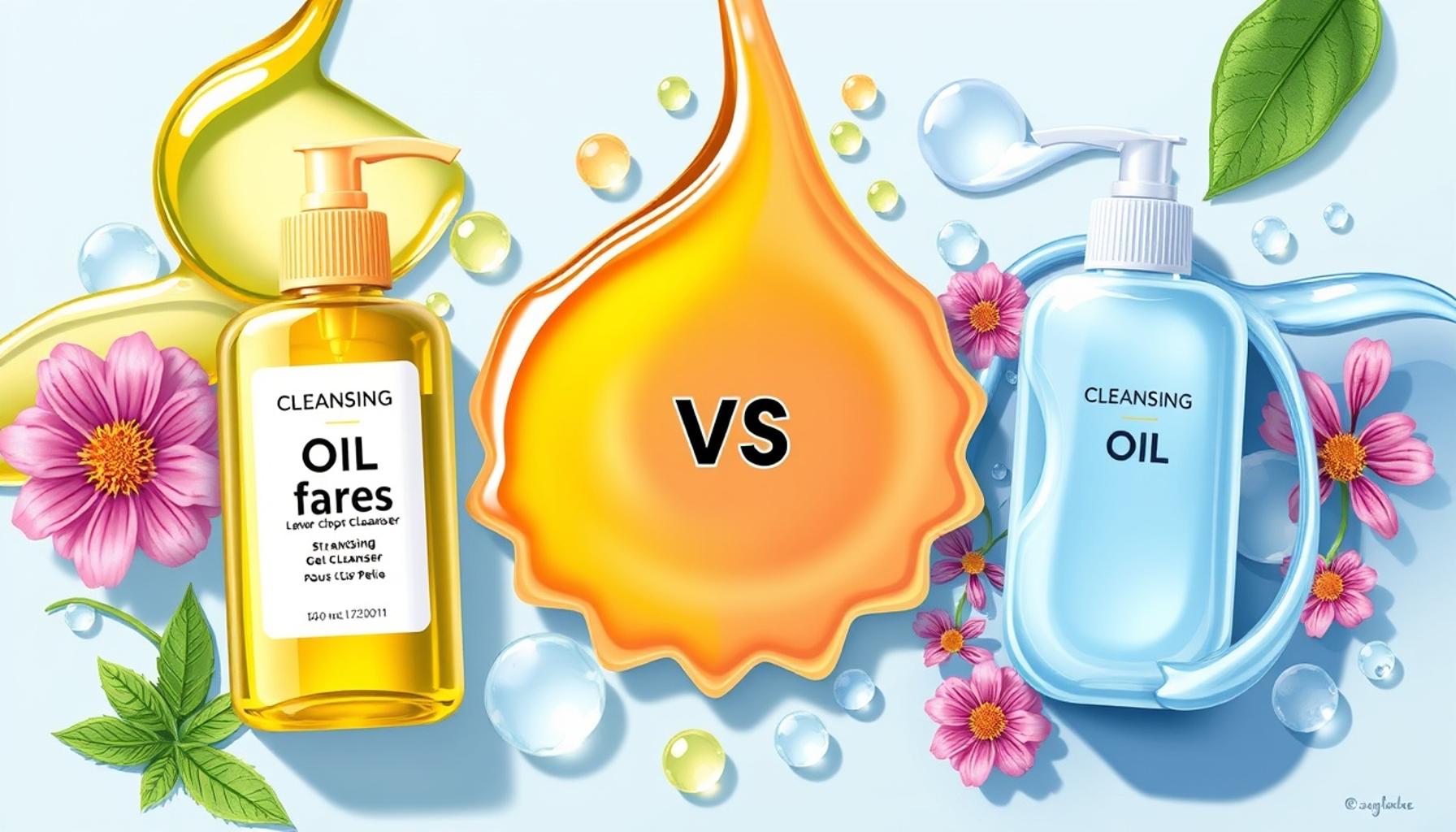
The Intricacies of Your Skin and the Cleansing Choices
Navigating through the myriad of facial cleansing options available today can indeed be a daunting task for many. With new products hitting the shelves regularly, it is crucial to make informed choices. Among these choices, cleansing oils and gel cleansers stand out as two of the most popular types. Each offers distinct advantages depending on your individual skin type and personal preferences.
Cleansing Oils: A Gentle Approach
Cleansing oils have gained a reputation for their exceptional ability to break down makeup and eliminate impurities while being gentle on the skin. They work by utilizing natural oils, such as jojoba or argan oil, that adhere to dirt and makeup, allowing for a deep yet non-irritating cleanse. This makes cleansing oils particularly ideal for those with dry or sensitive skin, as they help to retain moisture while thoroughly cleansing.
For instance, those living in drier states such as Arizona or Nevada may find cleansing oils especially beneficial, as these products can help combat the effects of arid climates, keeping the skin hydrated. Popular selections in the cleansing oil category include products like DHC Deep Cleansing Oil and Biossance Squalane + Antioxidant Cleansing Oil. Both feature natural ingredients designed to nurture your skin while effectively removing dirt.
The Refreshing Clean of Gel Cleansers
On the other end of the spectrum, gel cleansers are often favored for their lightweight, refreshing feel. Characterized by their foamy texture, these cleansers work well for individuals with oily or acne-prone skin as they typically contain beneficial ingredients designed to combat excess oil and prevent breakouts. Common components include salicylic acid and witch hazel, which work together to purify the skin.
Gel cleansers are particularly advantageous for those living in humid environments, such as Florida, where oily skin may thrive. Brands like Neutrogena and La Roche-Posay offer effective gel formulations that cater to this need, leaving the skin feeling clean and revitalized without the heaviness that can accompany creamier formulas.
Considerations for Choosing the Right Cleanser
Ultimately, your choice of cleanser should be dictated by your unique skin concerns and environmental factors that may impact your skin’s condition. For example, individuals with allergies might prefer fragrance-free options, while those who are frequently outdoors may look for cleansers that help counteract pollutants. Exploring options based on climate and personal lifestyle can lead you to discover a cleansing method that not only supports but enhances the health of your skin.
As you delve into the vast world of skincare, remember that the ideal cleanser varies from person to person. You may need to try a few different products before finding the one that feels perfect for your skin. With adequate research and an understanding of how different cleansers interact with your skin type, you can make informed decisions that promote a radiant and healthy complexion.
Understanding Your Skin’s Needs and Preferences
When it comes to cleansing oils and gel cleansers, understanding their unique properties can dramatically affect the health of your skin. Each category of cleanser targets different skin conditions, making it essential to recognize which is best suited for your own needs. It’s not just about the texture or the price tag; it’s about finding a formulation that harmonizes with the natural balance of your skin.
The Benefits of Cleansing Oils
Cleansing oils have become a staple in many skincare routines, particularly praised for their ability to dissolve stubborn makeup without stripping the skin of essential moisture. A key advantage of cleansing oils is their capacity to interact with both water-based and oil-based impurities, effectively removing dirt and pollutants that accumulate throughout the day. For individuals with dry or sensitive skin, this method can be particularly soothing, reducing the risk of irritation commonly associated with harsher ingredients found in some gel cleansers.
- Hydration: Cleansing oils often contain nourishing ingredients like vitamin E or botanical extracts that leave skin feeling soft and moisturized.
- Gentle on Skin: They provide a non-foaming cleanse that minimizes irritation and redness.
- Environmental Protection: Ideal for urban dwellers, cleansing oils can effectively eliminate environmental pollutants without stripping protective skin layers.
Some notable products to consider include the cleansing oils from brands like Farmacy and Clinique, which boast plant-based ingredients designed to cater to various skin types while offering a gentle cleanse.
The Appeal of Gel Cleansers
Conversely, gel cleansers are particularly popular among those with oily, combination, or acne-prone skin. These formulations typically have a clear, viscous texture that transforms into foam when massaged onto the skin, allowing for a refreshing cleanse that penetrates deep into pores to remove excess oil and impurities. They often contain key active ingredients such as salicylic acid, which is renowned for its ability to target acne and improve skin texture.
- Oil Control: Gel cleansers help in regulating excess oil production, making them ideal for those who experience shine or breakouts.
- Pore Cleansing: Their foamy nature allows for deeper penetration into pores, effectively expelling dirt, debris, and dead skin cells.
- Refreshing Feel: Users often appreciate the cool and invigorating sensation of gel cleansers, especially in humid climates.
Brands like Neutrogena and CeraVe offer gel cleansers that are both effective and gentle, helping to maintain the skin’s balance while providing a thorough cleanse.
As the tension between cleansing oils and gel cleansers unfolds, it becomes clear that the right choice hinges on individual skin types and lifestyle preferences. By identifying your skin’s needs, you can navigate these options to find a cleanser that not only cleanses but also promotes overall skin health.
| Cleansing Oil | Gel Cleanser |
|---|---|
| Effective Makeup Removal | Deep Cleansing |
| Cleansing oils break down and lift away makeup and impurities without stripping moisture, making them ideal for all skin types, especially dry and sensitive skin. | Gel cleansers often contain deeper cleaning agents and exfoliating properties, ensuring effective removal of excess oils and dirt, making them beneficial for oily and combination skin types. |
| Hydration | Lightweight Feel |
| Many cleansing oils are infused with beneficial oils and antioxidants that help maintain skin’s natural moisture barrier. | Gel cleansers can provide a refreshingly light feel on the skin, which many users prefer, especially in warm weather. |
While both cleansing oils and gel cleansers have their advantages, considering your skin type and personal preferences is essential in making the right choice. Cleansing oils could provide a more nourishing experience, particularly for those with dry skin or seeking hydration. On the other hand, gel cleansers may excel in creating a feeling of cleanliness and freshness, particularly for those with oily skin or through hot climates. Exploring the possibility of using both in a double cleansing regimen can also yield remarkable results in achieving clear, healthy skin.
Evaluating Additional Factors for Cleanser Selection
While understanding the fundamental differences between cleansing oils and gel cleansers is crucial, other factors also play a significant role in deciding which product will best serve your specific skincare needs. From seasonal changes to lifestyle habits, several elements can influence your choice, making it essential to assess your unique circumstances in conjunction with product benefits.
Seasonal Skin Care Adjustments
Skin can react differently depending on the weather or seasons. During colder months, many people experience dryness or flakiness, leading to altered hydration levels. This is a prime time to consider cleansing oils, as they provide an additional layer of moisture, countering the lack of humidity in the air. Ingredients like jojoba oil or squalane can become particularly appealing in winter, as they mimic the skin’s natural oils and help retain moisture.
Conversely, in the sweltering summer months, when heat and humidity heighten oil production, gel cleansers can prove to be a more effective choice. The refreshing and lightweight nature of gel cleansers can help eliminate excess shine and prevent clogged pores, which can lead to breakouts. Formulations that contain witch hazel or green tea extract can aid in controlling oil while delivering a soothing effect on the skin.
Ingredient Considerations
Understanding the ingredients in your chosen cleanser can vastly impact its effectiveness and compatibility with your skin. Cleansing oils often boast a plethora of skin-nourishing oils that not only cleanse but also act as treatment agents. For instance, cleansing oils infused with rosehip oil or grapeseed oil provide anti-inflammatory properties along with their cleansing benefits, thereby fighting redness and irritation.
On the other hand, many gel cleansers also contain additives that cater directly to skin concerns. Ingredients like glycolic acid or natural exfoliants can help slough away dead skin cells, making them ideal for those battling uneven textures. It’s important to note that relying on a gel cleanser for acne treatment should be done carefully; over-exfoliation can lead to a cycle of irritation and increased oil production.
Availability and Convenience
Another critical factor is the convenience of use. Cleansing oils typically require an additional step known as the double cleansing method, where a secondary product—usually a foaming or gel cleanser—is used to follow up after the oil application. While this method is effective for thorough cleansing, it may not be practical for everyone, especially those with busy lifestyles or minimal time for skincare. In this scenario, gel cleansers offer a straightforward and often quicker single-step solution that appeals to many users.
On the flip side, the ritual of using a cleansing oil can provide a more enriching sensory experience. The massaging aspect of applying oil can promote blood circulation and enhance relaxation, making it a desirable option for those who prioritize self-care in their daily routines.
Ultimately, the selection between cleansing oils and gel cleansers is a nuanced decision influenced by factors ranging from skin type and environmental conditions to personal habits and lifestyle preferences. Continually assessing these aspects can empower you to make informed choices that align with your skin’s evolving needs.
Final Thoughts: Finding Your Perfect Cleanser
In the ongoing debate between cleansing oils and gel cleansers, there is no clear-cut winner; instead, the decision hinges on individual skin types, environmental factors, and personal preferences. Each option presents unique advantages that cater to diverse skincare needs. Cleansing oils excel in providing hydration and nourishment, particularly during colder months when skin tends to lose moisture. Their ability to dissolve makeup and impurities while delivering essential fatty acids makes them an appealing choice for those prone to dryness or sensitivity.
Conversely, gel cleansers shine during hot and humid conditions, effortlessly removing excess oil and debris without stripping the skin of its natural moisture. Their lightweight formulations typically include beneficial ingredients that target specific concerns, like acne or uneven texture. Additionally, the straightforward application of gel cleansers may suit those with bustling schedules or minimal beauty routines.
Ultimately, the best cleanser for your skin is one that aligns with your lifestyle and seasonal needs. Whether you gravitate toward the luxurious massage of a cleansing oil or the refreshing feel of a gel cleanser, understanding your skin’s unique conditions will empower you to make an informed choice. Regularly reassess your skincare regimen, as individual skin needs can change over time. Don’t hesitate to experiment with both types to discover what truly resonates with your skin’s vitality.