Tips for Training Elderly Pets: Adapting Methods for Special Needs

The Unique Requirements of Aging Pets
With age, our beloved pets often confront a myriad of challenges that are distinct from those encountered by their younger counterparts. Just like humans, pets experience a spectrum of physical and cognitive changes as they age, which may significantly influence their behavior and training responses. Understanding these changes is crucial in providing them with the quality of life they deserve.
Physical Mobility can often become a significant concern for elderly pets. For instance, a once-energetic Labrador may now struggle with tasks like climbing stairs or jumping onto the couch due to joint pain or arthritis. Many guardians notice that their pets may experience stiffness in the morning or after prolonged periods of inactivity. To accommodate these conditions, pet owners can modify their environment by providing ramps or non-slip areas to ease movement, ensuring their pets can navigate safely and comfortably.
Another critical factor is the pet’s cognitive function, which may decline as they age. Just as Alzheimer’s disease affects humans, conditions like canine cognitive dysfunction can affect dogs, while similarly aged cats may display signs of confusion or disorientation. For example, an elderly dog might forget previously learned commands or become easily distracted. Training strategies here must be flexible and patient-oriented. Short, repeated training sessions tend to be more effective than lengthy ones. Additionally, using familiar commands and cues can help reinforce their memory and learning capabilities.
Elderly pets may also suffer from various health issues such as diabetes, heart disease, or kidney problems, which can affect their stamina and motivation to engage in training or play activities. It’s essential for pet owners to consult veterinarians to craft a personalized training plan that considers these health nuances. A gradual approach combined with frequent breaks can help maintain a pet’s enthusiasm and energy levels during training.
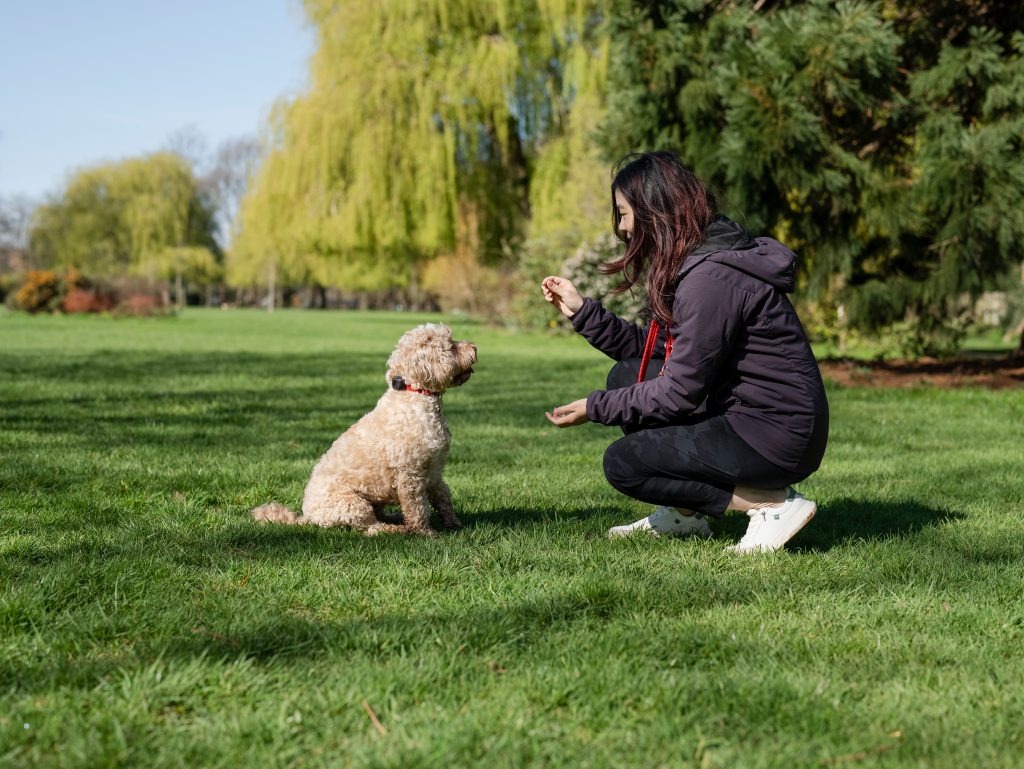
One of the most effective approaches to training elderly pets is utilizing positive reinforcement. This training technique involves rewarding good behavior with treats, praise, or affection, which can encourage older pets to perform desired actions. Unlike traditional methods that may involve harsher corrections or discipline, positive reinforcement caters to an elderly pet’s emotional and physical needs, making the training process more enjoyable for both pet and owner.
In conclusion, investing time to understand the unique needs of elderly pets can significantly enhance their quality of life. Whether through modified training methods, consistent positive reinforcement, or adapting their living space, pet guardians can foster a more supportive environment. This proactive approach not only strengthens the human-animal bond but also ensures that our furry companions can enjoy their golden years to the fullest. As we navigate these challenges, remember that patience and compassion are key—because every effort counts in improving the well-being of our cherished companions.
DISCOVER MORE: Click here for essential pet care tips
Adapting Training Techniques for Senior Pets
Training elderly pets requires a distinct approach that recognizes their unique physical, cognitive, and emotional needs. Owners must understand that a successful training regimen for older pets is not merely about deepening obedience but finding ways to enrich their lives within the scope of their aging bodies and minds. Here, we will explore several effective strategies that can contribute to a more effective training experience for elder pets.
Establishing a Comfortable Environment
Creating a safe and accessible training environment is the first step in accommodating aging pets. This may entail selecting a quiet, distraction-free area within the home where your pet can feel secure. For pets who struggle with mobility, consider using padded mats or dog beds to enhance their comfort during training sessions. It’s also advisable to avoid slippery surfaces that could pose a risk of injury or discomfort.
Consistency is Key
Elderly pets thrive on routine. Establishing a consistent training schedule helps reinforce behaviors and create a sense of stability. Here are a few key points to maintain consistency:
- Use the same commands: Stick to familiar phrases and gestures that your pet understands to reduce confusion.
- Limit the number of new commands: Introduce new skills slowly, focusing on one command at a time to avoid overwhelming your pet.
- Train at the same time each day: Regularly scheduling training sessions will help create a routine, making it easier for your pet to predict and engage.
Short and Fun Sessions
With diminished stamina, elderly pets benefit from shorter training sessions that are engaging yet brief. A 5 to 10-minute session can often yield better results than extended periods that may exhaust or frustrate your pet. Utilize play and games that resonate with their individual preferences, whether that be gentle-fetch with a soft toy or using a clicker to mark desired behaviors.
Tuning Into Emotional State
Understanding your pet’s emotional state can significantly enhance the training experience. Elderly animals can experience anxiety and stress related to their aging process—be it through changes in their environment or physical limitations. Recognizing signs of discomfort such as pacing, whining, or refusing to engage is essential. If your pet seems hesitant, allow them to take a break, offering gentle encouragement, and, if needed, rewarding progress with patience and kindness. Remember, a calm demeanor from the owner can be contagious, helping to relax the pet.
Ultimately, the key to adapting training methods for elderly pets is flexibility and attentiveness. Implementing a combination of these strategies can foster a nurturing and effective training atmosphere. By being patient and observant, pet owners can help their cherished companions navigate their golden years with grace and joy.
Tips for Training Elderly Pets: Adapting Methods for Special Needs
When it comes to training elderly pets, understanding their unique needs is crucial for success. As pets age, they may develop physical limitations and cognitive decline, making traditional training methods less effective. Adapting your approach is essential to ensure that your furry companions remain engaged and responsive.
1. Focus on Positive Reinforcement
One of the most effective methods for training elderly pets is positive reinforcement. This technique involves rewarding desired behaviors with treats, praise, or affection. As older pets may have reduced energy levels, it’s important to keep training sessions short and rewarding. This approach not only encourages them to participate but also helps build a strong bond between you and your pet.
2. Use Simple Commands
Elderly pets may struggle to understand complex commands or unfamiliar vocabulary. Stick to simple, one-word commands such as “sit,” “stay,” or “come.” Repeating these commands consistently will help reinforce their understanding and encourage timely responses. Pairing verbal cues with hand signals can also assist in communication, making it easier for your pet to recognize what you want them to do.
3. Create a Comfortable Environment
The training environment plays a significant role in your elderly pet’s ability to learn. Ensure that the training space is quiet, free of distractions, and comfortable for your pet. Providing cozy bedding, favorite toys, and access to water can help make the experience more enjoyable and less stressful.
4. Consider Mobility Adaptations
If your elderly pet has mobility issues, consider using tools that can assist them. For dogs, harnesses or support slings can aid in walking, while adjustable ramps may help them access their favorite spots. For cats, providing litter boxes with lower sides or stairs can help minimize any physical strain.
5. Be Patient and Flexible
Patience is paramount when training elderly pets. Recognize that they may take longer to learn new behaviors due to age-related factors. Be ready to revise your training methods based on their comfort level and responsiveness. This flexible approach will not only make training more effective but also create a positive and encouraging atmosphere for your pet.By tailoring your training methods to the specific needs of elderly pets, you can improve their quality of life and strengthen your bond. Ultimately, the goal is to provide them with a supportive environment where they can thrive even in their golden years.
| Category | Description |
|---|---|
| Positive Reinforcement | Encourages desired behaviors through rewards, building a trusting relationship. |
| Comfortable Environment | Create a stress-free atmosphere to enhance learning and engagement. |
DISCOVER MORE: Click here for effective cat training tips
Incorporating Health Considerations into Training
When training elderly pets, it is crucial to consider their health status and physical capabilities. Many senior pets may be dealing with chronic conditions such as arthritis, visual or hearing impairments, or cognitive decline. Understanding these issues can guide how to approach training.
Recognizing Physical Limitations
Pets that suffer from joint pain or mobility issues may find traditional training methods challenging. For instance, teaching a dog to “sit” could be uncomfortable for a pet experiencing arthritis. Instead, modifying positions can alleviate discomfort. You may choose to teach your pet to perform commands while standing or while lying down. Ensure that any physical exercise involved is gentle and does not exacerbate any pain or discomfort. Low-impact activities such as swimming or controlled leash walking can be excellent alternatives that pair well with training.
Utilizing Positive Reinforcement
Positive reinforcement remains a cornerstone of effective training, especially for older pets. Instead of traditional reprimands or corrections, focus on encouragement and reward-based training. Using high-value treats or their favorite toy as a reward can motivate senior pets to engage and learn. You may also consider softer treats or kibble that are easier on their teeth, as many senior pets might have dental issues. This approach not only fosters a positive environment but also strengthens the bond between pet and owner through shared experiences of success.
Tailoring Training to Cognitive Abilities
As pets age, they may experience cognitive decline similar to humans, which can affect learning and memory. Pets with cognitive dysfunction syndrome might forget previously learned commands or get confused by new instructions. Training must thus be adapted to their cognitive ability:
- Revisit old commands: Regularly reinforce previously learned commands that are still within their understanding. This can help build confidence as the pet recalls familiar behaviors.
- Use visual cues: If your pet is experiencing cognitive decline, visual signals such as hand gestures can be more effective than verbal commands, reducing their cognitive load.
- Practice patience: Allowing extra time for responses not only strengthens the teaching experience, but it also cultivates a relaxed atmosphere conducive to learning.
Engagement Through Sensory Stimulation
Keeping your elderly pet mentally stimulated is just as vital as physical training. Engaging their senses can play a crucial role in their overall well-being. Simple activities such as:
- Interactive toys: Puzzle toys that dispense treats can engage their minds while rewarding their effort.
- Scent games: Hide treats around the house and encourage your pet to use their nose to find them, stimulating their sense of smell and keeping them active.
- Gentle massage: Engaging in gentle physical touch promotes relaxation and strengthens the bond between owner and pet.
Engaging the mind can have rewarding effects on their mood and overall happiness, beyond just obedience, which can lead to an enhanced quality of life as they age. Tailoring your training methods in consideration of both physical and cognitive health will help ensure a positive training experience, making their twilight years fulfilling and enjoyable.
LEARN MORE: Click here to discover why animal adoption matters
Concluding Thoughts on Training Elderly Pets
Training elderly pets requires a compassionate approach that considers their unique needs and physical limitations. As pets age, it is essential to adapt training methods that promote their well-being and happiness. By recognizing the impact of health conditions such as arthritis and cognitive decline, pet owners can create a customized training experience that honors their furry companions.
Utilizing positive reinforcement not only facilitates better learning outcomes but also fosters a stronger bond between pet and owner. Using techniques like visual cues and revisiting familiar commands can significantly enhance communication, making the process more seamless and less stressful for senior pets. Moreover, engaging their minds through interactive games and sensory activities can further enrich their quality of life during their golden years.
Ultimately, patience and understanding are key to navigating the training journey with elderly pets. By embracing their limitations and focusing on gentle, enjoyable training practices, pet owners can help their beloved companions thrive. The time invested in adapting training for special needs can lead to a fulfilling relationship filled with joy, trust, and mutual respect. Consider exploring more resources and expert advice on this topic to stay informed and provide the best possible care for your aging pets.