
How to Identify and Treat Common Allergies in Pets
The Impact of Pet Allergies on Your Furry Friends
Dealing with allergies is not just a human concern. Our beloved pets can suffer from allergies that affect their overall health and happiness. By catching these allergies early, pet owners can intervene promptly, ensuring their companions remain comfortable and well-cared for. Understanding the common allergens that pets encounter is an important first step.
Common Allergens in Pets
Pet allergies can stem from a variety of sources. Here are a few key allergens that can provoke symptoms in our four-legged companions:
- Pollen – The seasonal release of pollen from trees, grasses, and weeds can wreak havoc on pets, much like it does in humans. For instance, summer months usually see a spike in grass pollen, which can lead to heightened allergic reactions during this time.
- Dust mites – These minuscule pests thrive in domestic environments, often nestling in your pet’s bedding or household upholstery. Even a small increase in humidity can lead to dust mite proliferation, imperiling your pet if they are allergic.
- Flea saliva – Just one flea bite can lead to an intense allergic reaction known as flea allergy dermatitis, causing pets to scratch uncontrollably. This is especially prevalent in regions with mild winters where fleas can survive year-round.
- Food – Common food allergens include proteins like beef and chicken, as well as dairy and certain grains. Many pet owners might be surprised to learn that even commonly used pet food ingredients can provoke severe reactions in susceptible animals.
Recognizing Allergic Reactions
As a pet owner, you should be vigilant in identifying the signs of allergies. Early recognition can lead to more effective treatment options. Look for the following symptoms:
- Itching and scratching – If your pet is frequently scratching or biting at their skin, it could indicate a skin allergy, prompting the need for intervention.
- Ear inflammation – Pets experiencing regular ear infections may be suffering from allergies, as the condition is often linked to environmental irritants.
- Vomiting and diarrhea – Sudden gastrointestinal issues can signify a food allergy, especially if they are accompanied by changes in your pet’s feeding habits or new food introductions.
Managing Allergies for a Healthier Companion
Once you identify the source of your pet’s allergies, several treatment options are available to help alleviate their symptoms. From d dietary changes that may involve switching your pet to a hypoallergenic diet to medications such as antihistamines or corticosteroids, these approaches can lead to significant improvements in comfort and health.
Additionally, regular cleaning of your living environment, including washing bedding, vacuuming places your pets frequent, and maintaining a controlled humidity level, can reduce allergen exposure. Consulting with a veterinarian can help tailor an approach specific to your pet’s needs.
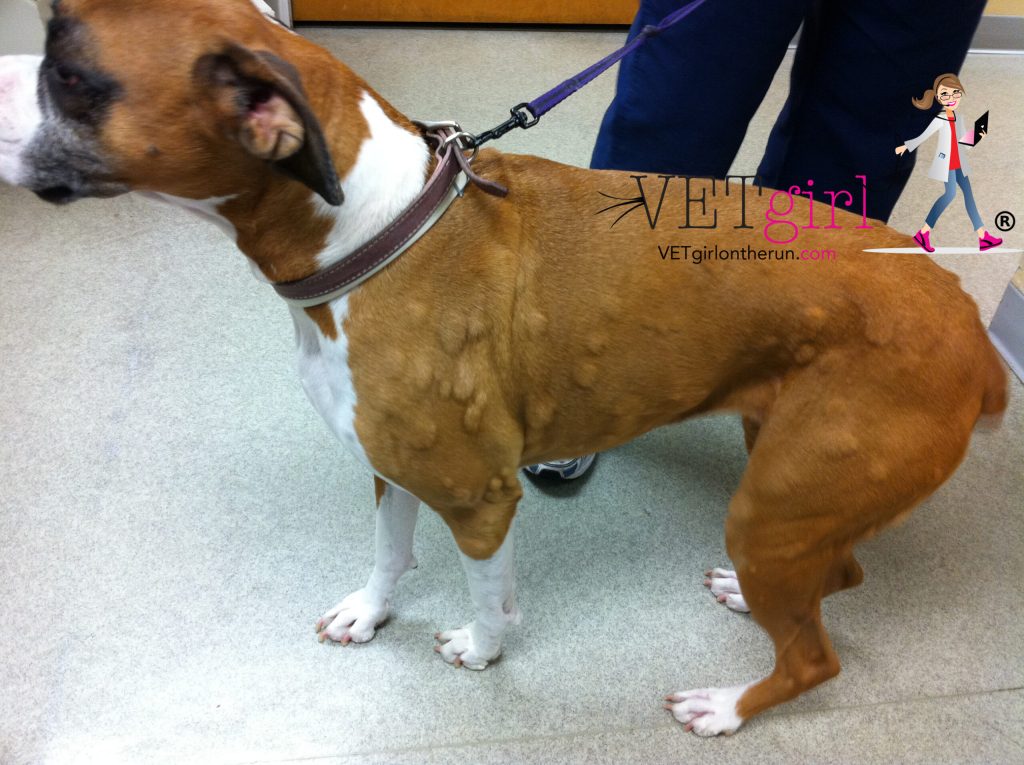
Understanding and managing pet allergies can greatly enhance the quality of life for pets and owners alike. By being attentive and proactive about your pet’s health, you ensure a happier, healthier companion by your side.
DISCOVER MORE: Click here for essential tips
Understanding the Root Causes of Pet Allergies
Finding the root causes of your pet’s allergies is the cornerstone of effective management and treatment. Allergies often arise from a combination of genetic predisposition, environmental factors, and even dietary influences. In order to navigate the maze of pet allergies effectively, it’s crucial for pet owners to gain a thorough understanding of how these factors interplay. Here’s a closer look at some common triggers that could be affecting your furry friends:
Environmental Allergens
Many pets suffer from allergies linked to environmental allergens. Here are some prevalent sources to consider:
- Pollutants and Chemicals – Household chemicals like cleaning agents, perfumes, and even smoke can irritate your pet’s lungs and skin, causing allergic reactions. Being mindful of the products you use around your home can significantly impact your pet’s well-being.
- Outdoor Elements – Factors like mold and mildew, often found in damp areas both inside and outside your home, can become triggers. Consider landscaping in a manner that minimizes areas where moisture accumulates.
- Insect Bites – Aside from fleas, other insect bites such as mosquitoes or bed bugs could lead to allergic reactions, ranging from mild irritation to severe dermatitis.
Food Sensitivities and Allergies
Food allergies manifest when your pet’s immune system reacts to specific ingredients. The symptoms can be less obvious than environmental allergies, making them trickier to diagnose. Notably, consider the following details:
- Common Allergens – Proteins like beef, chicken, and fish, as well as dairy products and certain grains, are known to elicit allergic responses in many pets. Be aware that even non-meat proteins like soy can cause issues for sensitive pets.
- Gradual Onset – Food allergies can develop slowly over time. Many pets may indulge in the same diet for years before suddenly showing signs of an adverse reaction. Keeping a detailed food diary may be beneficial to identify potential triggers.
Recognizing Allergy Symptoms
Once you’re aware of potential allergens, understanding how to recognize allergy symptoms is essential. Pets often display signs in varying degrees, and several indicators are crucial to detect:
- Skin Irritation – Look for red, inflamed skin, especially in areas where your pet scratches or licks frequently, as this can indicate allergic reactions causing discomfort.
- Changes in Behavior – Increased restlessness or agitation may hint towards underlying allergies. If your normally playful pet suddenly seems less active or displays signs of distress, it could be time to investigate.
- Respiratory Issues – Coughing, wheezing, and excessive sneezing are not just human problems. Pets can suffer from respiratory allergic reactions that warrant immediate attention.
Understanding the causes and symptoms of pet allergies provides a strong foundation for taking proactive steps in managing their health. Armed with this knowledge, you can work toward a comprehensive treatment approach that ensures your pet’s happiness and well-being.
Understanding Common Allergies in Pets
Allergies in pets, much like in humans, can manifest through a variety of symptoms such as itching, sneezing, and gastrointestinal distress. Identifying the underlying cause of an allergy is crucial for effective treatment. The most common pet allergies stem from environmental factors, food ingredients, and parasites. As pet owners, it’s essential to observe your furry friend’s behavior closely. Frequent scratching or licking of certain areas, redness in the skin, or unexplained digestive issues can signal an allergic reaction.When it comes to environmental allergens, pollen, dust mites, mold, and certain materials can provoke reactions. Food allergies, on the other hand, often relate to proteins like beef, chicken, or certain grains. To pinpoint food allergies, many veterinarians recommend an elimination diet, which helps identify the offending ingredient by gradually reintroducing potential allergens.Parasites, including fleas and ticks, are also a significant source of discomfort and allergic reactions. Regular preventative treatments can keep these pests at bay. It’s recommended that pet owners consult with a veterinarian when symptoms arise, as they may suggest tests to confirm the type of allergy.Here, we introduce an HTML table that summarizes some advantages related to recognizing and addressing these common allergies in pets:
| Category | Benefits |
|---|---|
| Identifying Allergens | Improved Quality of Life: By knowing what triggers your pet’s allergies, you can create a healthier living environment. |
| Effective Treatment Options | Targeted Care: Understanding allergies allows for tailored treatments, reducing discomfort and improving overall well-being. |
In conclusion, vigilance and proactive care are essential in managing allergies in pets. Always consider professional veterinary advice when implementing changes or treatments. Don’t forget, understanding your pet’s allergy triggers can lead to a happier, healthier life for your furry companion.
DISCOVER MORE: Click here for effective cat training techniques
Diagnosing and Treating Pet Allergies Effectively
Identifying the exact nature of your pet’s allergies is a meticulous process that often requires the collaboration of pet owners with their veterinarians. Here, we’ll delve into the mechanisms of diagnosis as well as practical treatment options that can help ease your pet’s discomfort.
Diagnostic Procedures
The path to uncovering your pet’s specific allergies typically starts with a thorough veterinary examination. Understanding the diagnostic procedures can equip you with indispensable knowledge for effective management:
- Detailed Medical History – A veterinarian will ask about your pet’s history, including any changes in diet, lifestyle, or environment. Documenting your pet’s behaviors, symptoms, and even the timing of when they occur can provide critical context.
- Allergy Testing – Several types of tests are available, including skin tests and blood tests. Skin tests involve exposing your pet to small amounts of allergens to observe any reactions, while blood tests measure the level of specific antibodies in response to various allergens.
- Elimination Diets – If food allergies are suspected, a strict elimination diet may be prescribed. This involves feeding your pet a novel protein source and eliminating all other foods for a specified period, helping to identify potential food sensitivities.
Popular Treatment Options
Once a diagnosis is made, treatment strategies can vary widely, reflecting the complexity of each pet’s situation. Common treatment avenues include:
- Medications – Antihistamines, steroids, and immunotherapy are often utilized to manage allergy symptoms. For instance, antihistamines can help alleviate itching and inflammation, while cortisone can reduce severe reactions. Always consult a veterinarian regarding appropriate medications and dosages tailored specifically for your pet.
- Topical Treatments – Shampoos, ointments, or sprays designed to soothe irritated skin can be effective in managing mild allergies. These products may include hydrocortisone or soothing agents like aloe vera to provide temporary relief.
- Allergy Shots – For more persistent allergies, your veterinarian could recommend a course of immunotherapy. This involves administering small doses of the allergen over time, progressively building your pet’s tolerance.
- Dietary Adjustments – If food allergies are identified, transitioning to a hypoallergenic diet can alleviate symptoms significantly. These diets are crafted to minimize allergic reactions, often focusing on unique protein sources and excluding common allergens.
Home Management Strategies
In conjunction with medical treatment, implementing changes at home can also play a crucial role in managing your pet’s allergies:
- Regular Cleaning – Keep your home clean and free from dust and allergens. Frequent vacuuming, using air purifiers, and washing bedding can make a significant difference.
- Flea Control – Maintaining rigorous flea prevention is vital, as flea allergies can lead to severe skin irritations. Consider discussing topical treatments or oral medications with your veterinarian.
- Pay Attention to Seasonal Changes – If your pet exhibits allergy symptoms during specific seasons, such as spring or fall, limiting outdoor exposure during peak pollen times can provide relief.
With thorough understanding, effective diagnosis, and a proactive approach to treatment, it is possible to greatly improve the quality of life for pets suffering from allergies. Combating these common discomforts requires effort, but the reward of a happy and comfortable pet is truly invaluable.
DISCOVER MORE: Click here to learn about common diseases in pets
Conclusion: Ensuring Your Pet’s Well-Being
Understanding how to identify and treat common allergies in pets is crucial for any responsible pet owner. Vigilance and open communication with your veterinarian can illuminate the often complex nature of allergies, making it easier to pinpoint the specific triggers affecting your furry family member. From thorough medical histories and targeted allergy testing to tailored treatment plans, every step you take represents a commitment to your pet’s health and happiness.
As we have explored in this guide, treatment options can be diverse, ranging from medications and dietary adjustments to effective home management strategies. Implementing these techniques can significantly alleviate your pet’s discomfort and enhance their quality of life. It’s important to remain proactive, regularly monitoring your pet for signs of allergies and adapting their care as necessary.
Remember that the journey to better health for your pet may take time and patience. Staying informed about their specific allergies and responses to treatment is not just beneficial; it is essential. Moreover, sharing your experiences with fellow pet owners and engaging in continuous learning can foster a community of support and information-sharing, enabling you to provide the best care possible.
In the end, a deep connection and understanding of your pet’s needs will not only lead to effective management of allergies but also cultivate a long-lasting, joyful relationship. As an owner, your proactive involvement is the key to ensuring that your pet lives a long, vibrant, and allergy-free life.