
How to Train Your Pet to Travel: Tips for Acclimatization and Safety
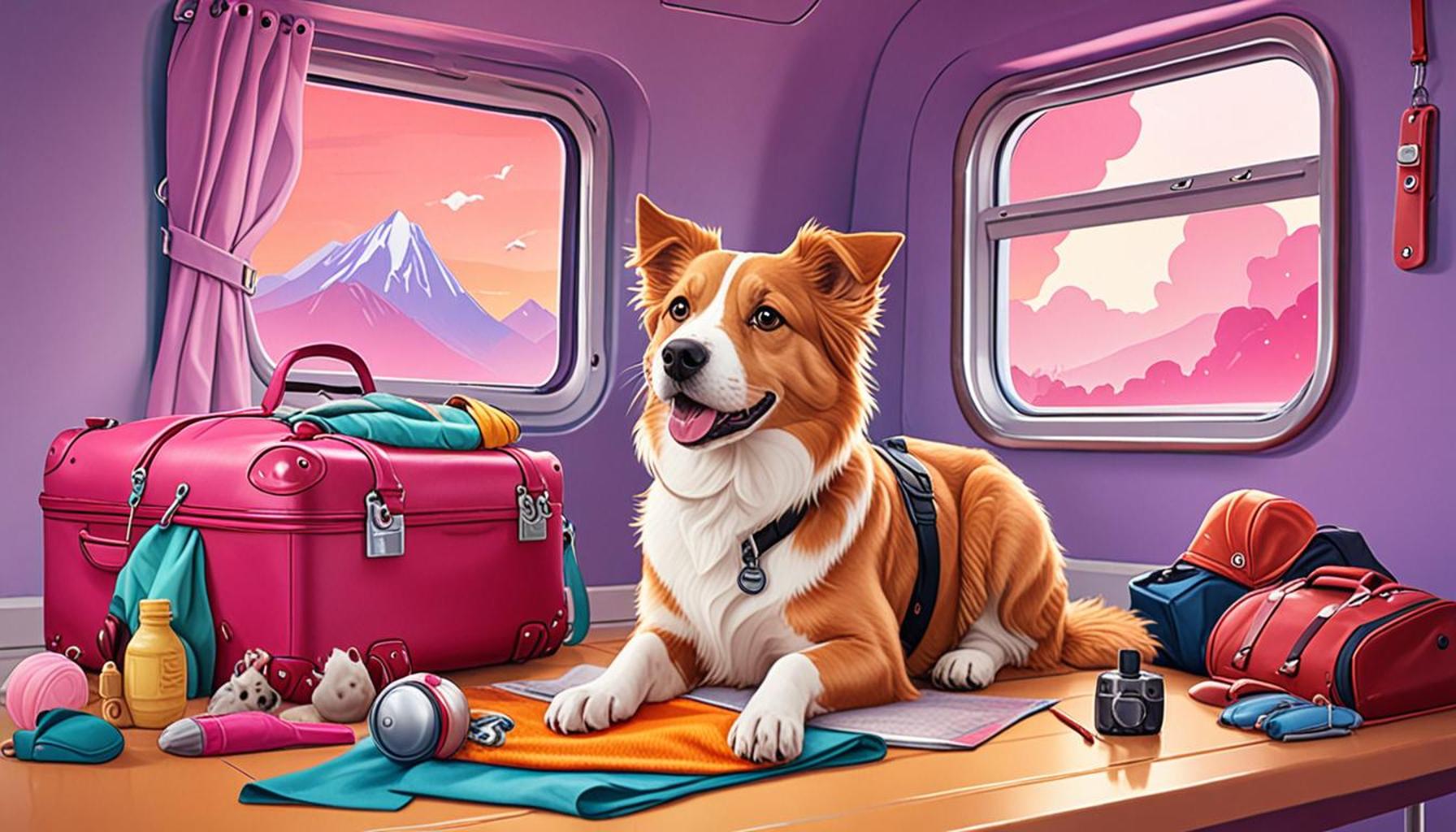
Preparing Your Pet for Travel
Traveling with your furry companion can transform from a mundane journey into an unforgettable adventure. However, this experience requires meticulous preparation to ensure both your safety and your pet’s well-being. A key element in this process is the importance of acclimatization. Pets are creatures of habit, and they thrive when they are familiar with their environment and routine. An acclimatized pet is not only happier but also more relaxed during travel, making the journey smoother for both you and your companion.
Essential Factors to Consider Before Traveling
As you embark on your travel plans, several critical factors should be taken into account:
- Safety: Prioritizing safety is paramount whether you are traveling by car, train, or air. For car journeys, consider investing in a pet seatbelt or a secure crate to prevent distraction and ensure your pet remains safe in case of sudden stops. When flying, check airline regulations related to pet carriers, including dimensions and types permitted in the cabin or cargo.
- Comfort: Familiarity with travel gear can significantly impact your pet’s comfort level. Introduce your pet to their travel carrier weeks before the departure, allowing them to explore it at their own pace. This not only alleviates anxiety but also encourages them to see the carrier as a safe space. Additionally, consider purchasing travel-specific gear like a pet travel bed for added comfort during extended stays.
- Routine: Maintaining a consistent schedule can greatly help your pet adjust to different environments. Try to stick to regular feeding, bathroom, and sleeping times as much as possible. If you’re traveling across time zones, gradually shifting your pet’s routine days leading up to the trip can ease their transition.
Strategies for a Relaxed Journey
Investing time in training your pet is invaluable. Consider exposing them to various modes of transportation prior to your trip. For instance, taking short car rides will acclimatize them to the vehicle’s motion and sounds, thereby reducing anxiety. Additionally, practice basic commands in diverse settings to enhance their familiarity and obedience.
Another effective strategy is to pack a travel kit that includes your pet’s favorite toys, their usual food, and any necessary medications. This not only provides comfort but helps in maintaining some elements of their routine amidst new experiences. Bringing along a portable water bowl can also ensure your pet stays hydrated, especially on long journeys.
Understanding your pet’s unique needs can greatly enhance their travel experience. By planning effectively and preparing your furry friend, you set the stage for memorable adventures together. The world is vast, and with your pet by your side, each trip can become a treasure trove of joyful moments. Your future adventures await you and your companion, with these practical insights at your disposal.

DISCOVER MORE: Click here to read inspiring adoption stories
Creating a Travel-Friendly Environment
As you prepare for your upcoming journey with your pet, the first step is to foster a travel-friendly environment that promotes relaxation and safety. Acclimatization not only reduces anxiety but also allows your pet to adjust smoothly to the various experiences they will encounter on the road. Here are some key strategies to create that environment:
Introduce Your Pet Gradually
Transitioning a pet into travel mode is often best achieved through gradual exposure. Start by taking small steps; for example, allow your pet to explore their travel crate in the comfort of your home. Place treats and toys inside to create positive associations and make the crate feel like a safe haven rather than a confinement. Over time, increase the intensity of these exposures by having them spend short periods inside while the crate is stationary, then gradually introduce movement by taking short car rides.
Desensitize to Different Environments
Pets can be sensitive to new environments, so it’s crucial to desensitize them to varying settings. This process helps to improve their adaptability and ease their anxiety. Plan outings to dog parks, pet-friendly stores, or local events, where your pet can experience different sights, sounds, and smells. This exposure will contribute to building their confidence for future travels.
Maintain Familiarity with Commands
Training your pet with essential commands like “sit,” “stay,” and “come” is vital for their safety during travel. Ensure that your dog is familiar with these commands in various contexts, minimizing the risk of unwanted behavior in unfamiliar settings. Keep training sessions consistent, making them enjoyable with rewards like treats or praise, which also reinforces positive associations with training.
Pack Wisely: Essentials for Your Pet’s Comfort
When planning your travel kit, consider what your pet will need for both comfort and safety during your journey. Key essentials include:
- Food and Water: Bring along your pet’s regular food, as sudden changes to their diet can lead to digestive issues. A collapsible water bowl is essential for ensuring proper hydration during breaks.
- Travel Bed: Create a cozy space for your pet to rest with their familiar bed or a blanket. This can enhance their sense of security in unfamiliar environments.
- Identification: Ensure your pet has proper identification tags on their collar and consider microchipping them for added security. This is particularly important in case your pet becomes lost during travel.
- Medication and Health Records: Carry any necessary medications your pet may need, along with their health records. This is especially crucial if you’re traveling to unfamiliar areas or internationally.
By following these steps, you will be establishing a solid foundation for your pet’s travel experience. With time, patience, and planning, travel can become an exciting part of life rather than a source of stress. Prepare your furry friend not just for the journey but for the adventurous experiences ahead.
Tips for Acclimatization
When it comes to acclimatizing your pet for travel, patience and preparation are key. Begin training well in advance of your trip. Introduce your pet to their travel carrier or crate and make it a comfortable space for them. Use soft bedding, favorite toys, and treats to build a positive association with the carrier. Gradually increase the time your pet spends in the carrier, starting with short periods at home before taking them on car journeys.Consider implementing short practice trips around your local area. This will help your pet become accustomed to the sensations of traveling, such as motion, sound, and unfamiliar smells. Monitor their behavior closely during these practice runs to identify any signs of anxiety or discomfort. If your pet displays anxiety, take a step back and adapt your training techniques accordingly.
Safety Protocols
Safety is paramount when traveling with pets. Always ensure your pet is secured in a harness or carrier while in the vehicle. This can prevent distractions and sustain your pet’s safety in case of abrupt stops. Use a pet seat belt or carrier designed for car travel to prevent any injuries. Never allow your pet to ride with their head out of the window, as this can lead to serious injuries from debris.Another important safety tip is to keep your pet’s identification updated. Ensure they have a collar with an ID tag that includes your contact information. Microchipping your pet is highly recommended, as it provides another layer of security should you become separated during travels.In addition to the above steps, always carry a travel safety kit for your pet. Include essentials like a leash, portable water dish, waste bags, and any medications your pet may require. Being prepared can alleviate stress and enhance the overall travel experience for both you and your beloved companion.
| Acclimatization Tips | Safety Protocols |
|---|---|
| Introduce your pet to their carrier early. | Secure pets with a harness or in a pet carrier. |
| Gradually increase travel time to adjust. | Update pet ID tags and consider microchipping. |
| Use favorite toys and treats for comfort. | Carry a travel safety kit with essentials. |
These strategies not only help nurture a smoother travel experience but also ensure the well-being of your furry friend. By prioritizing comfort and safety, you create a positive environment that encourages exploration and bonding during your journeys together.
DISCOVER MORE: Click here for essential training tips
Establishing Safety Protocols and Routine
Once you’ve created a travel-friendly environment for your pet, the next step is to focus on establishing safety protocols and a travel routine. These measures can significantly enhance your pet’s travel experience, ensuring both comfort and security on the road. Here are some essential tips to keep in mind:
Secure Transportation Methods
It’s critical to ensure your pet’s safety while in transit. The method of transportation can greatly impact this. For car travel, investing in a strong, pet seatbelt or harness is advisable. This not only keeps your pet secure but also prevents distractions while you drive. If traveling by air, research airlines that accommodate pets and look for options that provide a safe, comfortable crate for your furry friend. Be aware of temperature regulations and travel policies, as these can vary widely among carriers.
Plan for Frequent Breaks
Long journeys can be tiring for both pets and their owners. To maintain your pet’s comfort, plan for regular breaks. Experts recommend stopping every couple of hours during long car trips. Use these breaks to let your pet stretch, relieve itself, and hydrate. Check for pet-friendly rest areas or parks along your route to provide a safe space for your pet to explore briefly. The Fresh Air Pet Stops program is an example of a growing recognition of pet passenger needs, providing amenities for pets and their owners at various locations across the United States.
Comfort During Stays in New Locations
Each new destination can be overwhelming for a pet. To ease their transition, bring along their familiar belongings from home—like their bed, toys, and favorite blanket. Arriving at a new place where familiar scents are present will help alleviate stress and anxiety. Moreover, maintain your pet’s feeding and bathroom schedule to provide a sense of normalcy amidst the chaos of travel. If you find your travels frequently take you away from home, consider investing in portable items like a travel pet gate or a lightweight collapsible crate to create a secure space for your pet wherever you end up.
Keeping Your Pet Calm and Happy
Even the most well-prepared pet can experience travel anxiety. To make the journey smoother, consider integrating calming solutions into your preparation. Natural remedies, such as pheromone sprays, calming collars, or supplements designed to reduce anxiety, can be very effective for some pets. Training your pet to associate the car and travel crate with positive experiences—like enjoyable car rides to the park—will enable them to feel less apprehensive. For long trips, you might also consider familiarizing your pet with soothing music or podcasts designed for pets to create a calm atmosphere during the voyage.
Emergency Procedures and Local Vet Resources
No one wants to think about emergencies when traveling, but it’s essential to have a plan. Research veterinarians or animal clinics in the areas you will be exploring. Make a list of local pet emergency services and keep their contact information handy. For extra safety, consider compiling your pet’s medical records in a travel folder so that you have important information on hand, such as any pre-existing medical conditions or current medications. In addition, if your pet has a specific diet or routines, having this documented will facilitate their care in unforeseen situations as well.
By establishing safety protocols and a solid travel routine, you’re setting the stage not just for a successful journey, but for enjoyable and enriching experiences with your pet. These strategies contribute to a stress-free atmosphere, allowing both you and your furry friend to focus on the adventures that lie ahead.
DISCOVER MORE: Click here to find out why pet adoption matters
Conclusion: Embarking on Adventures Together
Successfully training your pet to travel is a journey that reflects the bond you share with your furry companion. By integrating acclimatization strategies with essential safety protocols, you not only elevate your pet’s comfort but also foster a sense of security as you explore new environments together. From choosing the right transportation method to planning for breaks, every detail contributes to a seamless travel experience.
As you methodically implement these tips, remember that patience and gradual exposure are key. Your pet may need time to adjust to the dynamics of travel, and recognizing their needs along the way will create a positive atmosphere. Bringing along familiar items from home and maintaining routines can significantly ease any anxiety they may experience while navigating new locations.
Furthermore, being prepared for unexpected circumstances can make all the difference. Familiarizing yourself with local vet resources and having emergency contacts at hand ensures that you’re ready for any situation, allowing you to focus on the joy of discovery rather than worrying about potential pitfalls.
Traveling with your pet can be an enriching experience that strengthens your bond and creates cherished memories. By following these tips, you will not only enhance their traveling skills but also open up a world of adventures that you can enjoy together. Embrace the journey, explore with confidence, and ensure that the experience is rewarding for both you and your beloved pet.