Positive Reinforcement Techniques in Cat Training

Unlocking Cat Training Potential
Training cats can often feel like a daunting task. However, utilizing positive reinforcement techniques can transform the experience into a rewarding partnership. By understanding how to leverage your cat’s natural behaviors, you can foster a harmonious living environment. This approach not only improves your relationship with your feline friend but also enhances their overall well-being.
Positive reinforcement hinges on rewarding desired behavior. This powerful approach encourages cats to repeat actions, making training effective and enjoyable. It contrasts sharply with negative reinforcement, which can lead to stress and anxiety in pets. By focusing on what your cat does right, you create a more confident and happy companion. Key techniques include:
- Clicker Training: The clicker is a simple handheld device that emits a sound when pressed. Use it to mark the exact moment your cat performs the desired behavior, such as sitting or coming when called. This immediate feedback helps the cat make connections between their actions and rewards.
- Treat Rewards: When your cat successfully completes a trick or task, offer small, tasty treats. These can range from commercially available cat treats to tasty bites of cooked chicken or fish, which often motivate cats more than standard dry kibble.
- Verbal Praise: Use an encouraging tone to praise your cat—phrases like “Good job!” or “Well done!” when they obey a command creates a strong positive association with the behavior.
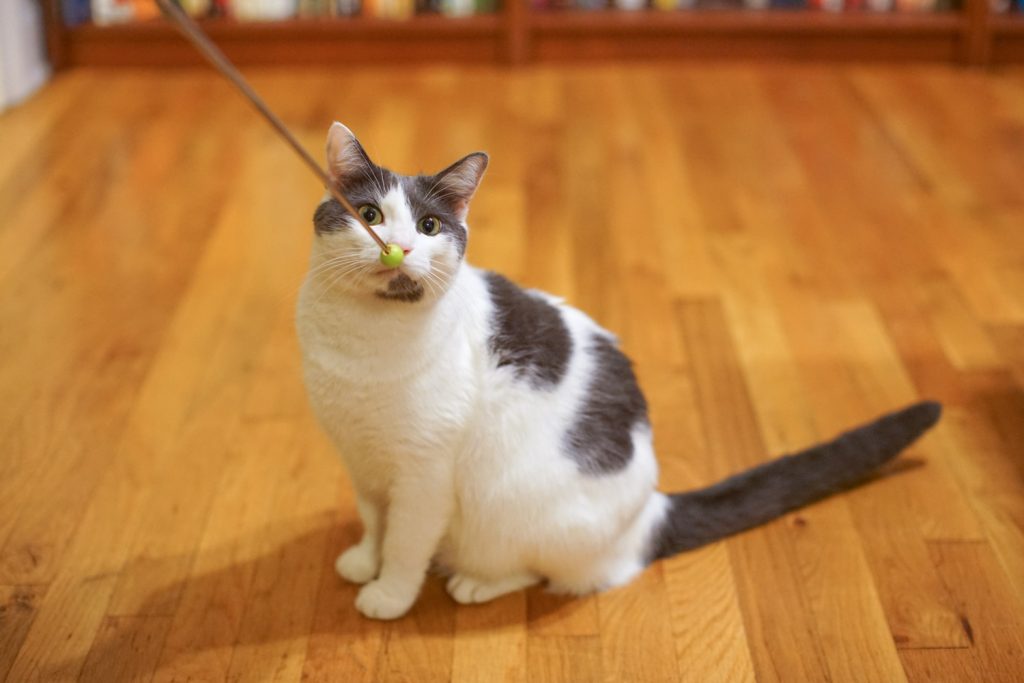
Moreover, studies reveal that cats respond better to consistent training methods that focus on their innate instincts. For instance, using their hunting skills to entice them into play can lead to successful training sessions. This not only promotes physical activity but also stimulates their minds. Engaging toys, such as feather wands or laser pointers, can mimic prey, helping build a bond between you and your cat while encouraging healthy habits.
Understanding your cat’s body language and signals is essential for effective communication. Cats communicate through a series of subtle cues, including tail position, ear orientation, and vocalizations. Recognizing when your cat is receptive to training—such as when they approach you with ears up and a relaxed posture—can make a huge difference in the effectiveness of your sessions.
Curious about how to implement these techniques in your feline’s daily routine? Consider incorporating brief training sessions into playtime or feeding routines. This exploration of positive reinforcement will equip you with practical tips and insights, transforming your cat into a well-mannered companion. As you delve deeper into the world of cat training, you may discover not only the potential for your pet to learn new skills but also the joy that comes from these enriched interactions. Get ready to embrace the challenge, and see just how rewarding it can be!
DISCOVER MORE: Click here to learn about the impact of animal adoption
Effective Strategies for Positive Reinforcement
In the context of cat training, understanding and employing positive reinforcement methods are paramount to achieving successful outcomes. At the core of these techniques is the notion that rewarding good behavior in your cat will lead to habitual learning and obedience. This approach is not merely beneficial for the cat; it also strengthens the bond between pet and owner, leading to a more harmonious home environment.
The first technique often recommended by cat trainers is Clicker Training. This method involves using a clicker—a small device that produces a distinct sound—coupled with a reward. The click serves as a marker indicating the exact moment your cat performs the desired action, such as successfully using a scratching post instead of the couch. This immediate feedback reinforces the behavior, making it more likely that your feline friend will repeat it. According to various training experts, clicker training can significantly enhance communication between you and your pet.
In conjunction with clicker training, Treat Rewards play a vital role in motivating cats. Cats are usually food-driven creatures, and by offering small, enticing treats every time they fulfill a command, you can accelerate their learning process. Popular treat options can include small pieces of tuna, freeze-dried chicken, or specialized cat treats rich in flavors they adore. Consistency is key; always reward after the behavior, but be mindful of portion control to maintain your cat’s health.
- Routine and Structure: Establishing a regular training routine can help your cat learn associations more effectively. Choose specific times during the day to conduct your training sessions, ideally when your cat is energetic and playful.
- Short Sessions: Cats have short attention spans; keeping training sessions to about 5-10 minutes can enhance focus and make learning enjoyable.
- Environment: Conduct training in a quiet space with minimal distractions. This allows your cat to concentrate solely on the task at hand.
Verbal Praise is another powerful tool within positive reinforcement training. Cats thrive on social interaction, and using an encouraging tone to celebrate their achievements—such as “Good job!” or “What a clever kitty!”—establishes a positive emotional link to the actions you desire. This kind of verbal affirmation works wonders when paired with tactile rewards like petting or gentle strokes.
Moreover, incorporating your cat’s innate behaviors into the training process can yield superior results. For example, cats are natural hunters. By using toys that mimic prey, such as feather wands or interactive laser toys, you can capitalize on their instincts to engage them in training. As they ‘hunt’ and play, you can reward them for their progress, leading to both physical exercise and mental stimulation. This not only hones their skills but also deepens your mutual understanding.
Ultimately, utilizing positive reinforcement in cat training is about recognizing and celebrating small victories. By observing and responding to your cat’s behavior with rewarding responses, you lay the groundwork for a trusting and enjoyable training experience. This understanding can lead to a well-adjusted pet that thrives both mentally and emotionally, enhancing the quality of your shared life.
| Technique | Benefits |
|---|---|
| Clicker Training | This method uses a click sound followed by a reward, effectively marking desired behavior and improving understanding. |
| Treat Rewards | Utilizing treats can greatly enhance a cat’s willingness to learn, establishing a clear connection between actions and rewards. |
| Verbal Praise | Cats respond effectively to positive verbal cues, reinforcing trust and encouraging them to repeat good behavior. |
| Environment Enrichment | Providing stimulating toys enhances learning experiences, reinforcing positive behavior through engagement and fun. |
Utilizing these methods can significantly improve the training experience for both the cat and the owner. With the right application of these positive reinforcement techniques, pet owners can foster a more harmonious relationship with their feline friends, making training sessions a treasured time for bonding and learning. By employing such strategies, challenges in training can be transformed into opportunities for growth and mutual enjoyment.
DON’T MISS: Click here to learn more about socialization in dog training
Integrating Behavioral Insights into Training
To maximize the effectiveness of positive reinforcement techniques in cat training, it is essential to integrate behavioral insights into your approach. Understanding feline psychology can provide a roadmap to successfully modify behaviors while preserving your kitty’s well-being. One notable idea is the concept of observational learning, where cats can learn by watching the behaviors of others. This principle suggests that training can also be enhanced by role-modeling desired behaviors, either through interactions with other well-trained cats or through imitation of human actions.
Another powerful aspect of positive reinforcement is target training. This involves teaching your cat to touch a target, such as your hand or a stick, with their nose. Once the cat reliably touches the target, you can guide them to perform various tasks—like sitting or jumping through hoops—by moving the target accordingly. Use enticing rewards like treats or favorite toys to encourage engagement. This technique fosters mental stimulation and provides an excellent outlet for energy, making it a terrific way to keep indoor cats happy and healthy.
Pawsitive Environments Matter
Creating a supportive environment plays a crucial role in the success of positive reinforcement training. Recognizing that environmental factors can either hinder or boost your cat’s learning provides you with another strategy in your training toolkit. For instance, engaging with your cat in a familiar space where they feel safe reduces anxiety and distractions. Try to create zones within your home where training can take place, distinct from areas associated with negative experiences like veterinary visits.
Additionally, consider the impact of enrichment activities on your cat’s training journey. Providing a well-structured playtime routine that stimulates their natural instincts not only encourages desired behavior but also sets the stage for a more receptive training mindset. Puzzle toys and feeder balls that dispense treats can help satisfy your cat’s need for stimulation, leading to happier cats that are significantly easier to train.
- Understanding Triggers: Be mindful of the common environmental triggers that may provoke unwanted behaviors, such as the presence of new pets, loud noises, or unfamiliar visitors. By managing these factors, training can be more effectively reinforced.
- Routine Interactions: Consistently engaging with your cat through daily play and bonding activities allows them to associate these positive experiences with obedience training, making them more enthusiastic participants.
Embracing the Journey
It’s essential to adopt a mindset of patience and persistence when applying positive reinforcement in your training. Cats are unique beings that respond at their own pace, so understanding that some behaviors may take time to solidify is crucial. Celebrate every bit of progress, no matter how small, and remember that training is an ongoing journey rather than a destination.
In addition, broadening your toolkit with the addition of social media resources can provide you with fresh ideas and techniques that veteran cat trainers share. Websites, blogs, and forums dedicated to cat care are rich with real-life experiences and can introduce you to innovative methods that others have successfully utilized. Engaging with this community can not only inform your training practice but also reinforce a sense of camaraderie within the world of cat enthusiasts.
Ultimately, the art of positive reinforcement in cat training lies in the fusion of understanding your cat’s psyche, creating engaging environments, and committing to the journey of connection. This multifaceted approach to training can help cultivate a trusting and loving relationship, resulting in a well-trained cat that embodies both playfulness and obeys commands.
LEARN MORE: Click here to discover the importance of socialization for your dog’s mental health
Conclusion: The Path to Harmonious Training
As we explore the realm of positive reinforcement techniques in cat training, it becomes increasingly clear that success hinges on a combination of insight, environment, and commitment. By recognizing your cat’s unique personality and behavioral tendencies, you can tailor training interactions that not only enhance learning but also deepen the bond between you and your feline companion. Adopting techniques such as target training and encouraging observational learning will enable you to guide your cat’s behavior more effectively, transforming training sessions into enjoyable experiences.
Moreover, a focus on creating supportive environments ensures that your cat feels secure and engaged during training exercises. By minimizing stressors and incorporating enriching activities, you cater to your cat’s natural instincts and fulfill their need for stimulation, ultimately yielding more positive outcomes in training.
Finally, patience and consistency are vital in this journey. Each small success should be celebrated, reinforcing the idea that training extends beyond mere obedience; it fosters a deeper connection built on trust and affection. As you share your training experiences and insights within the vast community of cat lovers, you can discover new methods and ideas to refine your techniques further. In this way, embracing positive reinforcement not only paves the way for a well-behaved cat but enriches the overall experience of cat ownership, creating lasting joy for both you and your furry friend.