
Science-Based Training Methods: How Psychology Influences Animal Behavior
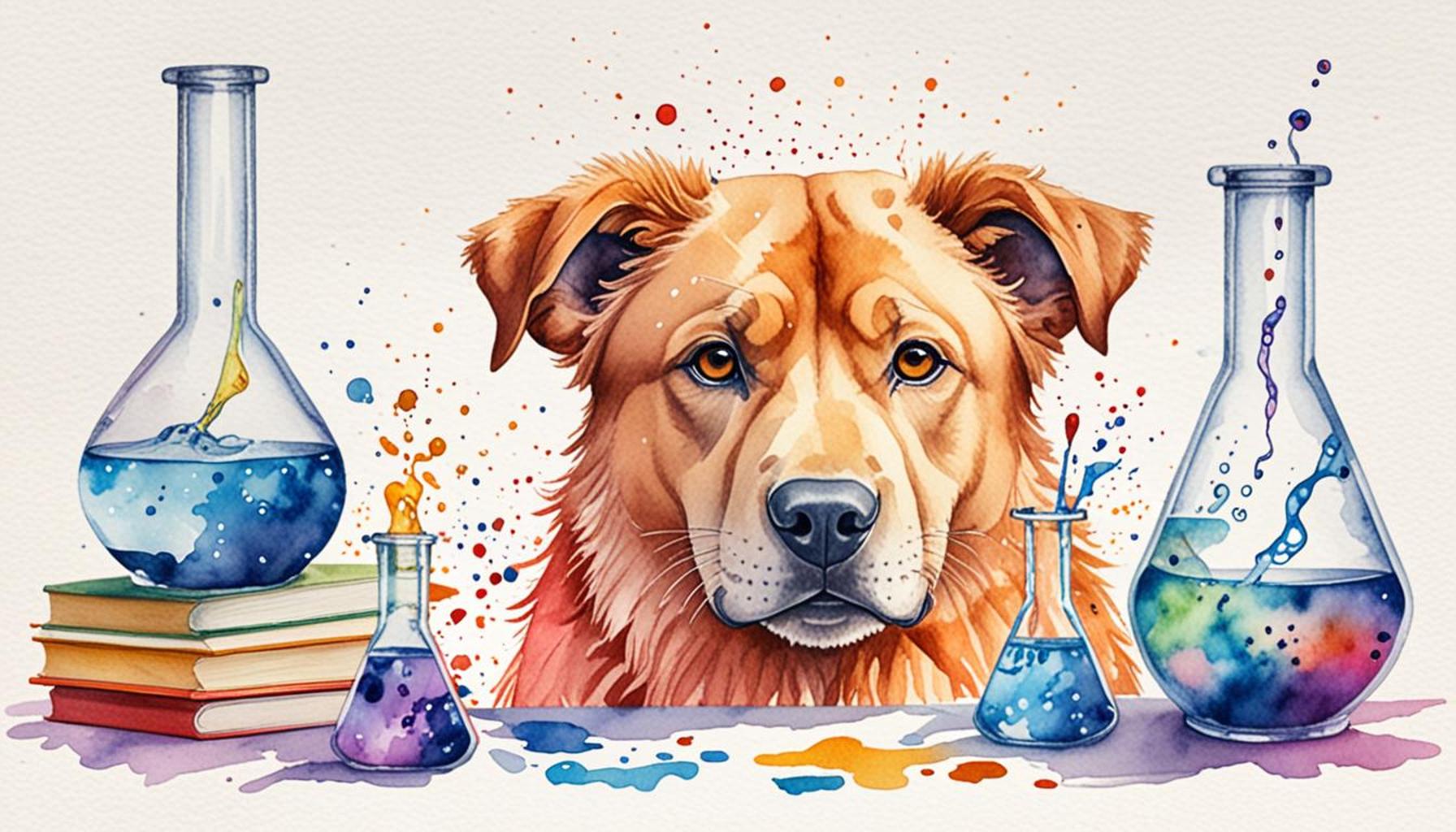
Understanding Animal Behavior Through Scientific Training Methods
Animal training has evolved dramatically, shifting from traditional instinct-based approaches to more sophisticated science-based techniques. In today’s world, trainers are increasingly acknowledging the importance of understanding animal behavior through a psychological lens. This evolution has not only improved training outcomes but has also fostered a deeper bond between humans and animals. By appreciating the complexities of psychological factors, we can navigate the intricate worlds of animal behavior in more efficient and humane ways.
At the heart of this transformative approach are several key concepts in animal psychology that unravel behaviors which once left trainers bewildered. For instance, consider the principle of Learning and Conditioning. The foundational theories of classical and operant conditioning reveal that animals can learn from both their environment and personal experiences. This means that a dog, for example, can associate the sound of a leash with an impending walk, a realization that transforms how they respond to that stimulus. This awareness enables trainers to utilize positive reinforcement techniques, rewarding desirable behaviors and effectively shaping an animal’s actions over time.
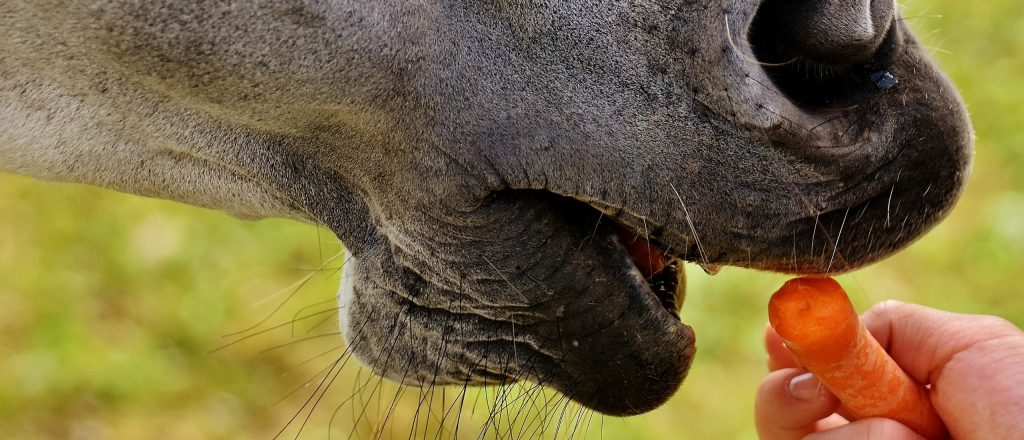
Another critical aspect is Motivation. Every animal has its own unique set of motivations, which often dictate its behavior or willingness to learn. For instance, a hungry dog is likely to be more engaged in training if food is used as a reward compared to one that has just eaten. Understanding what drives an animal, whether it be food, affection, or play, allows trainers to craft personalized strategies that cater to individual needs and foster better learning experiences.
Moreover, we can’t overlook the impact of Social Structures among different species. Animals, just like humans, thrive in social environments and often have complex social hierarchies that can affect their behavior. For example, horses in a herd display a nuanced understanding of their rankings and relationships, which can influence their responsiveness to training. By recognizing and respecting these social dynamics, trainers can enhance communication and establish trust, ultimately making training sessions more effective.
Applying these scientific principles offers noteworthy benefits across various domains—from training household pets to managing livestock. Not only do these methods lead to successful training outcomes, but they also prioritize animal welfare, creating a more ethical and enjoyable experience for both the trainer and the animal. For instance, using gentle, positive reinforcement techniques to train shelter dogs can significantly improve their adoptability while fostering a positive learning environment.
In the forthcoming sections, we will explore the science behind these training methods in greater detail, drawing upon recent studies and expert opinions. We aim to provide practical techniques that can be easily integrated into everyday training scenarios, empowering trainers to apply scientific insight for improved animal interactions. As we delve deeper into this fascinating intersection of psychology and animal training, prepare to uncover new perspectives that challenge conventional wisdom and inspire innovative approaches for all who share their lives with animals.
DISCOVER MORE: Click here for essential tips on choosing the best cat food
Key Psychological Principles in Animal Training
To fully appreciate the influence of psychology on animal behavior in training, it is essential to delve into the core principles that guide this innovative approach. Two foundational concepts stand out: learning processes and behavioral motivations. These elements are not static; they can be molded through targeted techniques, leading to a transformative impact on how trainers interact with their animal counterparts.
The principle of Learning and Conditioning is pivotal in shaping animal behavior. This principle comprises two forms: classical conditioning, in which animals learn to associate a neutral stimulus with a significant one, and operant conditioning, where behavior is influenced by consequences. For instance, a dog that learns to associate a specific sound with mealtime will exhibit a heightened level of excitement upon hearing that sound. This association can play a critical role in training; by reinforcing desired actions with positive stimuli—such as treats, praise, or playtime—trainers can effectively teach new commands or tricks.
The significance of Motivation in animal training cannot be understated. Understanding what drives an animal’s desire to engage in training is key to successful outcomes. Motivational factors can be categorized as follows:
- Intrinsic Motivation: When animals engage in activities for the sheer joy of it, such as a dog playing fetch.
- Extrinsic Motivation: Behavior driven by external rewards, such as food or praise, often seen in training sessions.
- Social Motivation: Animals that thrive on social interaction may be more motivated to perform when their trainer is present.
A deeper inquiry into these motivational factors allows trainers to craft customized training experiences that cater to individual animal needs. A horse responding well to verbal encouragement may not react the same way to a dog’s treat-based training. By aligning rewards with each animal’s preferences, trainers foster an atmosphere that encourages learning, significantly enhancing the effectiveness of training sessions.
Another significant aspect within the realm of animal behavior is understanding Social Structures. Many species possess intricate social hierarchies that influence their actions and responses to training. For instance, dogs are pack animals that thrive on social relationships and often take cues from their human families. Recognizing the importance of these social ties can lead to improved communication and trust between trainer and animal. Horses, on the other hand, thrive in groups, relying on a nuanced understanding of their social standing, which can greatly influence training approaches. Respecting these social dynamics not only encourages a more humane training environment but also leads to more effective learning experiences.
As we dive deeper into the science of animal training, understanding the interplay between psychological principles and behavior will be paramount. The exploration of real-world applications and case studies will be the focus of the next sections, illuminating further how these methods can enhance the bond between humans and animals while promoting successful training outcomes. By embracing a science-based perspective, we can challenge outdated practices and pave the way for innovative approaches that truly resonate with the beliefs and needs of animal companions.
| Advantage | Details |
|---|---|
| Enhanced Learning | Utilizing psychology to tailor training methods can significantly enhance the learning curve of animals, allowing for more rapid skill acquisition. |
| Improved Welfare | By understanding an animal’s emotional and psychological state, trainers can create a more positive training environment, which may lead to better overall welfare. |
| Behavior Modification | Science-based training offers effective strategies for behavior modification, utilizing reinforcement techniques to shape desired outcomes. |
| Consistency and Predictability | Applying psychological principles ensures that training is consistent and predictable, reducing anxiety and enhancing trust in the training process. |
Exploring the relationship between psychology and animal behavior through science-based training methods opens the door to a more nuanced understanding of how animals learn and react. These advantages not only improve the efficacy of training but also advocate for a more ethical approach that respects animal welfare. By integrating knowledge of animal behavior, trainers can foster environments that promote learning while ensuring psychological well-being. This understanding revolutionizes traditional practices, suggesting that effective training relies on a combination of psychological insights and behavioral science. This innovative approach encourages further exploration into personalized training strategies that resonate with individual animals’ behavioral needs and emotional states.
DIVE DEEPER: Click here to learn more
Real-World Applications of Science-Based Training
Understanding the psychological principles at play is just the beginning; applying these concepts in real-world settings reveals the true power of science-based training methods. By focusing on evidence-backed techniques, trainers can not only influence behavior but also create a deeper bond with the animals in their care. The key is to embrace a methodical approach tailored to each individual animal’s psychological makeup, needs, and behaviors.
One of the most compelling applications of science-based training can be seen in rehabilitating rescue animals. For instance, dogs rescued from abusive environments often display fear-based behaviors that hinder their socialization and learning ability. Using operant conditioning techniques, trainers can introduce a gradual, step-by-step training process employing positive reinforcement. Rather than overwhelming a fearful dog, a trainer might first reward any kind of relaxed behavior, whether it’s lying down calmly or making eye contact. As the dog begins to associate human presence with safety and rewards, a transformative shift occurs where fear gives way to trust.
Similarly, clicker training demonstrates the effectiveness of combining behavioral psychology with hands-on methods. This technique employs a small device that emits a distinct sound when the animal performs a desired action. The immediate association formed between the click and a subsequent reward helps reinforce the behavior. Trainers across the U.S. have successfully employed clicker training with a variety of species, including cats, birds, and even marine mammals like dolphins. This method serves not only to teach new commands but also to encourage more complex behaviors, such as agility tricks or underwater stunts, in an engaging way.
Another fascinating area where psychology influences animal training is evident in service animals. Dogs trained to assist individuals with disabilities or medical conditions rely heavily on the psychological association of cues with commands. For instance, a service dog may learn to alert their owner to an incoming seizure by responding to a particular word or gesture. This training exploits both classical conditioning and operant conditioning; the dog learns to associate the cue with specific behaviors (e.g., preparing to assist), which can ultimately lead to life-saving interventions. Understanding the motivations and capabilities of these canines ensures training is humane, efficient, and practical.
Beyond interactions with individual animals, the concept of group dynamics further emphasizes the impact of psychology on training. For example, trainers at behavior centers report notable differences in outcomes when working with packs of dogs compared to single individuals. Dogs often mimic each other’s behaviors, leading to quicker learning instances within group settings. By strategically integrating cooperative exercises during training sessions, such as obstacle courses for multiple dogs, trainers can harness social motivation, making learning a collective experience rather than an isolated task.
While these real-world applications showcase the transformative effect of integrating psychology with training, they also hold valuable lessons for potential future developments in the field. Observing how different animals respond to specific techniques is an ongoing grid of knowledge that continues to evolve. As trainers and behaviorists gain insights into animal psychology, the methods they utilize will only become more effective and humane, underscoring the continued importance of a science-based approach in the harmony between humans and their animal companions.
DISCOVER MORE: Click here for insights on socialization in dog training
Conclusion
In the ever-evolving landscape of animal training, the integration of psychological principles stands out as a key factor in achieving successful outcomes. The insightful applications of science-based training methods not only reshape behaviors but also forge stronger connections between humans and animals. As seen through various methodologies, such as positive reinforcement and clicker training, the ability to understand and apply psychological concepts has revolutionized the way animals learn and interact within their environments.
The rehabilitation of rescue animals highlights the profound impact these methods can have, demonstrating that patience and strategic training can effectively transform fear into trust. Furthermore, the implementation of these techniques in training service animals emphasizes practical applications that can lead to life-changing support for individuals in need. Each interaction, whether with a single animal or a group, underscores the importance of recognizing individual differences and motivations, allowing for tailored approaches that enhance the learning experience.
As trainers and animal behaviorists continue to explore the rich tapestry of animal psychology, the potential for future advancements becomes increasingly apparent. With ongoing research and an unwavering commitment to humane training practices, the benefits of a science-based approach will only deepen our understanding of animal behavior and strengthen the bond between humans and their companions. By embracing these methodologies, we not only foster a culture of compassion and respect but also set the stage for a future where animals can thrive alongside us in harmony.