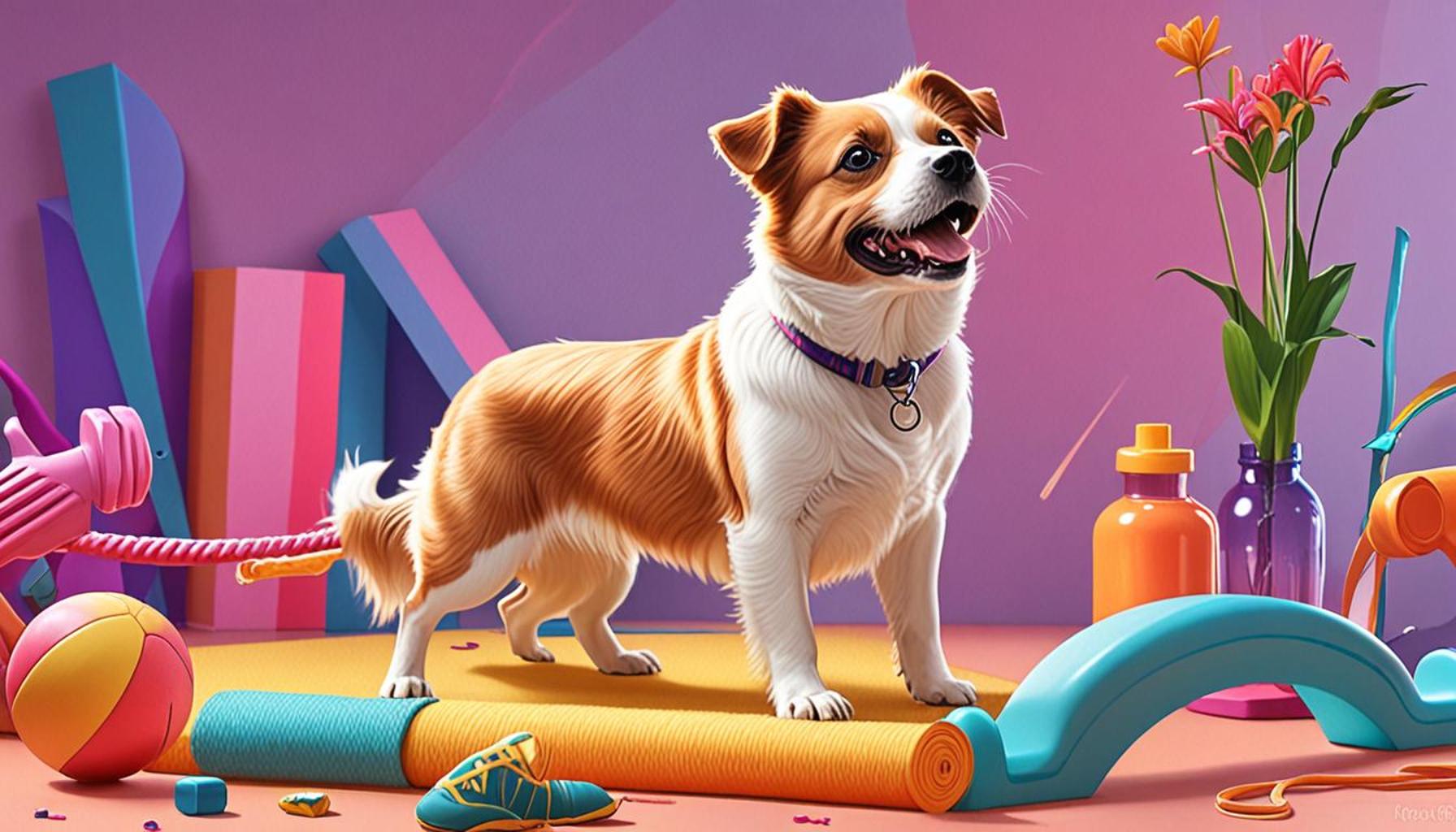
The Importance of Non-Verbal Communication in Pet Training

Understanding the Power of Non-Verbal Communication
In the realm of pet training, the connection between an owner and their furry companion often hinges on more than just spoken words. Non-verbal communication becomes a fundamental tool in conveying feelings and instructions that shape a pet’s behavior. Recognizing how your body language impacts your pet’s understanding can transform training sessions into positive experiences.
Facial Expressions: The Silent Communicator
Facial expressions have a profound impact on how pets interpret their owners’ emotions and intentions. For instance, a calming smile can ease anxiety in a timid dog, while a frown may signal to them that something is amiss. Dogs, and even cats, often mirror the emotions of their owners, which means that a relaxed face typically encourages a calm demeanor in return. For example, when training a dog to sit, combining a smiling face with an encouraging tone can create a more welcoming environment for your pet.
Body Posture: The Unseen Influence
Your body posture plays an equally important role in training. Pets are highly sensitive to their owner’s stance, often interpreting it as a cue to respond. Standing tall with shoulders back may exhibit confidence, while slumping or turning away can project uncertainty. If you approach a dog with a relaxed posture while squatting down to their level, it may reduce their fear and promote trust, making them more receptive to learning.
Hand Signals: Enhancing Verbal Cues
Integrating hand signals into your training repertoire can enhance your pet’s understanding effectively. For instance, using a simple outstretched hand to signal “stay” can make it easier for your dog to grasp the command. Many experienced trainers have discovered that hand signals can often convey messages more effectively than verbal commands alone. These visual cues can be especially beneficial in noisy environments or with older pets who may have hearing difficulties.
Building a Stronger Bond
As you delve further into the dynamics of non-verbal communication, it becomes clear that refining your body language not only aids in teaching commands but also fortifies the bond you share with your pet. The emotional connection nurtured through understanding and responding to each other’s non-verbal signals can lead to a more enriching training experience. Studies indicate that dogs trained with a combination of verbal and visual cues tend to learn faster and demonstrate improved behavior overall.

In addition to mastering these techniques, consider incorporating games that encourage interaction and responsiveness. Activities such as fetch or hide-and-seek can foster a sense of playfulness while reinforcing obedience skills. By observing how your pet responds to different signals and cues, you can adapt your approach, shaping not only a well-behaved pet but also a trusted companion.
Ultimately, appreciating the nuances of non-verbal communication can pave the way for a deeper connection and a more effective training journey. As you refine your skillset, remember that patience, consistency, and a touch of creativity are essential elements in the art of training your beloved pet.
LEARN MORE: Click here for insights on dog nutrition
The Role of Gestures and Spatial Awareness
Non-verbal communication extends beyond facial expressions and body posture; it also encompasses gestures and spatial awareness. When training a pet, specific movements and the physical space you occupy can serve as powerful signals that shape responses and behaviors. For instance, moving your hand slowly toward a dog with an open palm can demonstrate friendliness and invite them to approach. Conversely, sudden or erratic movements may provoke fear or anxiety, which can hinder the progress of your training.
Gestures: Simple Yet Effective
Incorporating gestures into your training can facilitate a pet’s comprehension of commands. Utilizing simple movements can help clarify instructions and foster a better understanding. Below are some gestures that can be effectively used in pet training:
- Pointing: Use your finger to point towards the direction you want your pet to go. This gesture can reinforce commands like “come” or “follow.”
- Clapping: Gentle clapping can grab your pet’s attention, especially in distracting environments. This sound creates a clear signal that can serve as an immediate cue.
- Hand Wave: A quick wave can be used to signal your pet to come closer. It provides a visual that emphasizes your verbal call.
- Crouching: Crouching down can invite your pet to approach you, making it an excellent gesture when teaching commands such as “fetch” or “bring it here.”
Recognizing the meanings behind these gestures not only enhances your pet’s training response but also strengthens communication bonds. The training process becomes more enjoyable for both the pet and the owner when clear visual signals are established.
Spatial Awareness: Respecting Boundaries
Another essential component of non-verbal communication in pet training is spatial awareness. Pets are perceptive to their owner’s physical presence and proximity. For instance, encroaching too closely or hovering over a pet could be perceived as intimidating. Maintaining an appropriate distance is crucial, particularly with nervous or shy pets. This awareness can significantly impact the success of your training session.
Establishing a training zone can also create a positive atmosphere. By designating a specific area, you signal to your pet that this is a space for learning and bonding. Regularly working in a familiar location can help alleviate distractions, resulting in better focus and engagement during sessions.
Ultimately, understanding gestures and spatial dynamics plays a vital role in successful pet training. As you explore these non-verbal cues, you set the stage for enriched interactions that promote trust and learning. Coupled with verbal communication and consistency, emphasizing non-verbal signals will create a more harmonious training process, leading to a well-behaved and responsive pet.
The Role of Body Language in Pet Training
Non-verbal communication is crucial in pet training as it serves as a primary mode of interaction between humans and animals. Pets, particularly dogs, are incredibly adept at reading human body language. They can interpret cues such as posture, facial expressions, and gestures, which often convey more than spoken commands. For example, an open stance can signal friendliness and encouragement, while crossed arms may be interpreted as a sign of disapproval or frustration. Understanding these nuances can significantly enhance the effectiveness of training.
Emotional Connection Through Non-Verbal Cues
When trainers utilize non-verbal communication effectively, they foster a stronger emotional bond with their pets. Techniques such as gentle touch or maintaining eye contact can create a sense of trust and reassurance. This bond is fundamental not only for effective training but also for the overall well-being of the pet. Research shows that pets trained with a focus on non-verbal cues often display less anxiety and a greater willingness to learn, as they feel more secure in their owner’s presence.
The Impact of Tone and Mimicry
While tone of voice is sometimes considered verbal communication, its impact is closely tied to non-verbal elements. The way a phrase is delivered—its intonation, pacing, and rhythm—conveys emotions that words alone cannot express. Additionally, mimicry plays a significant role; animals often mirror their trainers’ emotions through behavior. By projecting calmness and confidence, trainers can lead their pets to adopt these same traits, facilitating a more harmonious training environment.
| Category 1 | Category 2 |
|---|---|
| Understanding Cues | Pets read human body language, enhancing training effectiveness. |
| Building Trust | Non-verbal communication fosters a stronger emotional bond with pets. |
The increasing awareness around the significance of non-verbal cues in pet training offers an exciting perspective for pet owners and trainers alike. With a positive focus on these elements, training sessions can become more productive and enjoyable, ultimately leading to well-behaved and content pets. The journey towards understanding and mastering non-verbal communication in pet training can profoundly alter the dynamics of the human-animal relationship.
DISCOVER MORE: Click here to learn about balanced nutrition for your dog’s health
The Impact of Eye Contact and Tone of Voice
In the realm of non-verbal communication in pet training, eye contact and tone of voice serve as pivotal elements that are often underestimated. These factors not only convey messages but also influence the emotional state of your pet and their responsiveness to training. Understanding how to effectively utilize these aspects can refine your training approach immensely.
Eye Contact: Building Connection and Trust
Eye contact plays a critical role in shaping the bond between you and your pet. For many animals, especially dogs, maintaining direct eye contact can signify attention and trust. Studies have shown that dogs can interpret human expressions and intentions through gaze, making it a key factor in effective communication.
When training, making positive eye contact can reinforce behaviors. For example, when rewarding your dog for sitting on command, looking them in the eye with warmth can amplify their sense of achievement. This interaction creates a feedback loop, where the pet feels safe, confident, and motivated to repeat the desired behavior.
However, it is crucial to balance eye contact appropriately. Prolonged or intense staring may be perceived as a challenge in the animal kingdom. Therefore, it’s essential to practice gentle glances that invite rather than intimidate. Incorporating short bursts of eye contact followed by looks away can further enhance this positive interaction.
Tone of Voice: Communicating Emotion
The significance of tone of voice in pet training cannot be overstated. Animals not only respond to the words you use but also to how you say them. Your intonation, pitch, and volume can convey authority, excitement, or discouragement. For instance, a cheerful tone when issuing commands can encourage a playful response, while a stern tone can signify that a behavior is undesirable.
Using a variety of vocal expressions can make training sessions more engaging. For example, a high-pitched, enthusiastic voice can be used to reward positive behavior, while a lower, firmer voice may be effective for issuing corrections. This audible variation not only helps in shaping their behavior but also keeps the training atmosphere lively and dynamic.
Research indicates that pets are highly attuned to the emotional nuances in human speech. A study conducted by researchers at the University of Tokyo found that dogs could differentiate between happy and angry tones, indicating their ability to read human emotions. This further underscores the importance of mindfulness in our vocal expressions while interacting with pets.
Integrating Non-Verbal Cues: A Holistic Approach
As trainers, integrating eye contact and tone of voice with previously discussed gestures and spatial awareness creates a holistic training framework. By being consistent with these non-verbal cues, you cultivate a rich environment that fosters learning and responsiveness. The synergy of these factors not only contributes to effective training but also deepens the emotional bond between the pet and the owner.
Ultimately, mastering non-verbal communication requires patience and practice. Each interaction with your pet is an opportunity to enhance this dialogue devoid of spoken words, leading to profound understanding and positively reinforced behavior.
DIVE DEEPER: Click here to discover the best cat food essentials
Conclusion: The Unspoken Bond in Pet Training
The journey of pet training transcends beyond mere verbal commands; it is a rich tapestry woven with non-verbal communication that significantly impacts the training experience. The insights we’ve explored—ranging from eye contact fostering trust to the tone of voice conveying emotion—underscore the essential role these elements play in building an effective and responsive relationship with your pet.
As we have seen, integrating non-verbal cues cultivates an environment of understanding and cooperation between pet and owner. Not only does this approach enhance behavioral responses, but it also deepens the emotional connection, making training sessions less about control and more about collaboration.
Moreover, the fascinating adaptability of animals, such as dogs deciphering emotional cues in human speech, highlights the potential for enriched communication pathways. This awareness encourages pet owners to be more mindful of their actions, gestures, and expressions. By mastering these silent yet powerful forms of interaction, we can create a more harmonious home life and promote effective learning.
Ultimately, the importance of non-verbal communication in pet training cannot be overstated. It invites us to reflect on how we connect with our pets beyond words, urging us to explore the unspoken dynamics that enrich our relationships. In a world filled with busy schedules and distractions, taking the time to understand the nuances of non-verbal cues can yield a profound transformation in our training methodology and deepen the bond we cherish with our beloved companions.