Relaxation Techniques and Their Effect on Post-Surgical Animal Recovery
Post-Surgical Recovery: The Importance of Relaxation Techniques
In the fast-evolving world of veterinary medicine, the focus is increasingly shifting to the post-operative phase of animal care. This period is essential for ensuring a successful recovery after surgery. During this time, an animal experiences both physical and emotional stress, which can significantly affect the healing process. Thus, the implementation of relaxation techniques is being recognized as a vital component of post-surgical recovery.
Many veterinarians and pet owners are now looking into relaxation techniques to support and enhance recovery efforts. These techniques are designed to not only mitigate anxiety but also to facilitate physical healing by promoting a calmer state in animals. Here is a closer look at some of the most popular methods:
- Massage Therapy: This technique involves gentle manipulation of the animal’s muscles, which can enhance blood circulation and alleviate pain. Studies have shown that animals who receive regular massage tend to experience reduced stress levels and shorter recovery times. For instance, dogs recovering from orthopedic surgery may benefit from targeted massages that relieve tension in affected areas.
- Sound Therapy: The use of soothing music has been shown to create a tranquil environment, significantly reducing anxiety in animals. Research has demonstrated that certain types of music, such as classical or soft instrumental sounds, can lower heart rates in pets and promote relaxation. Many vet clinics now incorporate calming audio during recovery times, creating a more serene atmosphere for healing.
- Aromatherapy: By utilizing essential oils, aromatherapy can provide therapeutic benefits for animals in recovery. Oils like lavender and chamomile are known for their calming properties. Employing a diffuser or topical applications (with veterinarian guidance) can help alleviate stress and anxiety. Anecdotal evidence from pet owners suggests that dogs exposed to calming scents often display reduced signs of restlessness.
Research indicates that incorporating these relaxation techniques can lead to faster recovery times and improved overall outcomes for post-surgical animals. For example, a study conducted at a prominent veterinary college found that animals exposed to therapeutic interventions experienced less pain and required fewer pain medications during recovery. These findings have sparked a surge in interest among pet owners and veterinary professionals alike, enhancing the dialogue around the best practices in post-operative care.
Understanding how relaxation influences the recovery process can provide valuable insights into creating an optimal healing environment for pets. As awareness of these techniques grows, it becomes crucial for pet owners to explore and consider the benefits of integrating relaxation methods post-surgery. Through this exploration, they can not only aid their pets in recovery but also enrich their overall quality of life.
DISCOVER MORE: Click here to learn about why socialization is crucial for your dog’s mental health
Exploring Relaxation Techniques for Optimal Healing
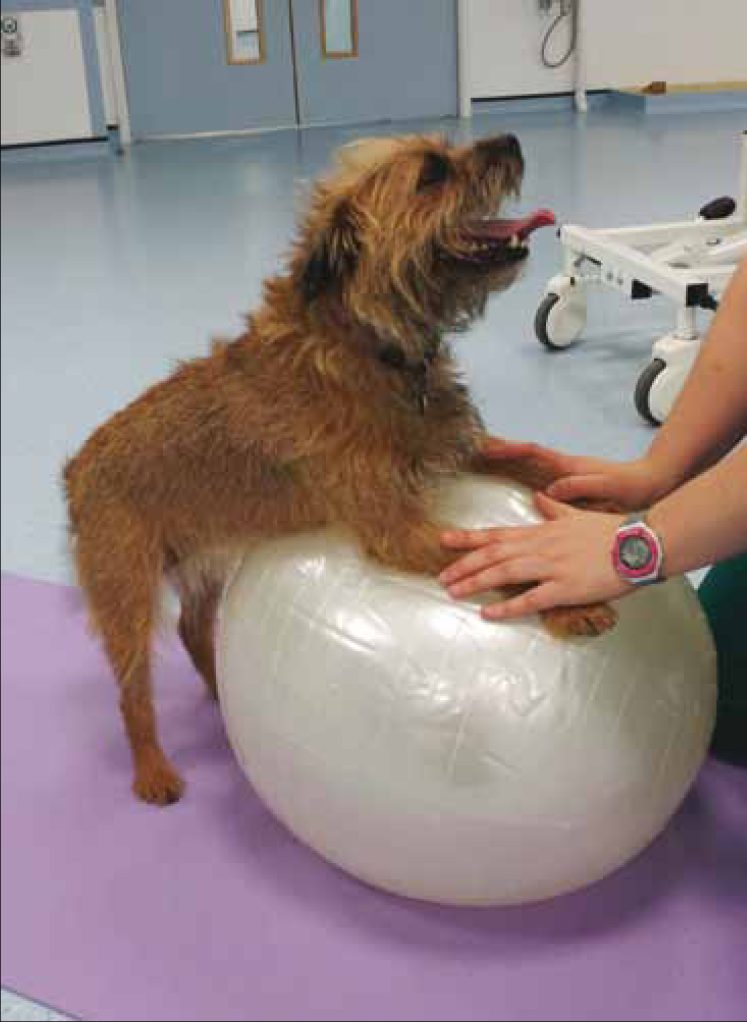
The implementation of relaxation techniques during post-surgical recovery has gained significant traction within the veterinary community. As more studies underscore the mental and emotional aspects of healing, the interest in techniques that foster a calm environment is becoming paramount. Successful recovery is not merely dictated by the physical condition of the animal; emotional stability plays a critical role in how swiftly and effectively an animal can rebound from surgery.
Incorporating tailored relaxation methods can mitigate the anxiety levels animals experience during recovery. This, in turn, has notable implications for their physical healing. Here are several key techniques that are currently being integrated into post-surgical care:
- Meditation and Mindfulness: While it may seem unconventional, introducing simple meditation practices to pets, such as quiet sitting or controlled breathing exercises, can result in profound calming effects. Pet owners can create a soothing space with dim lighting and minimal distractions to allow their soon-to-recover companions to enter a state of relaxation. This technique not only helps the animal relax but also fosters a strong bond between the pet and the owner, as the owner participates in the calming ritual.
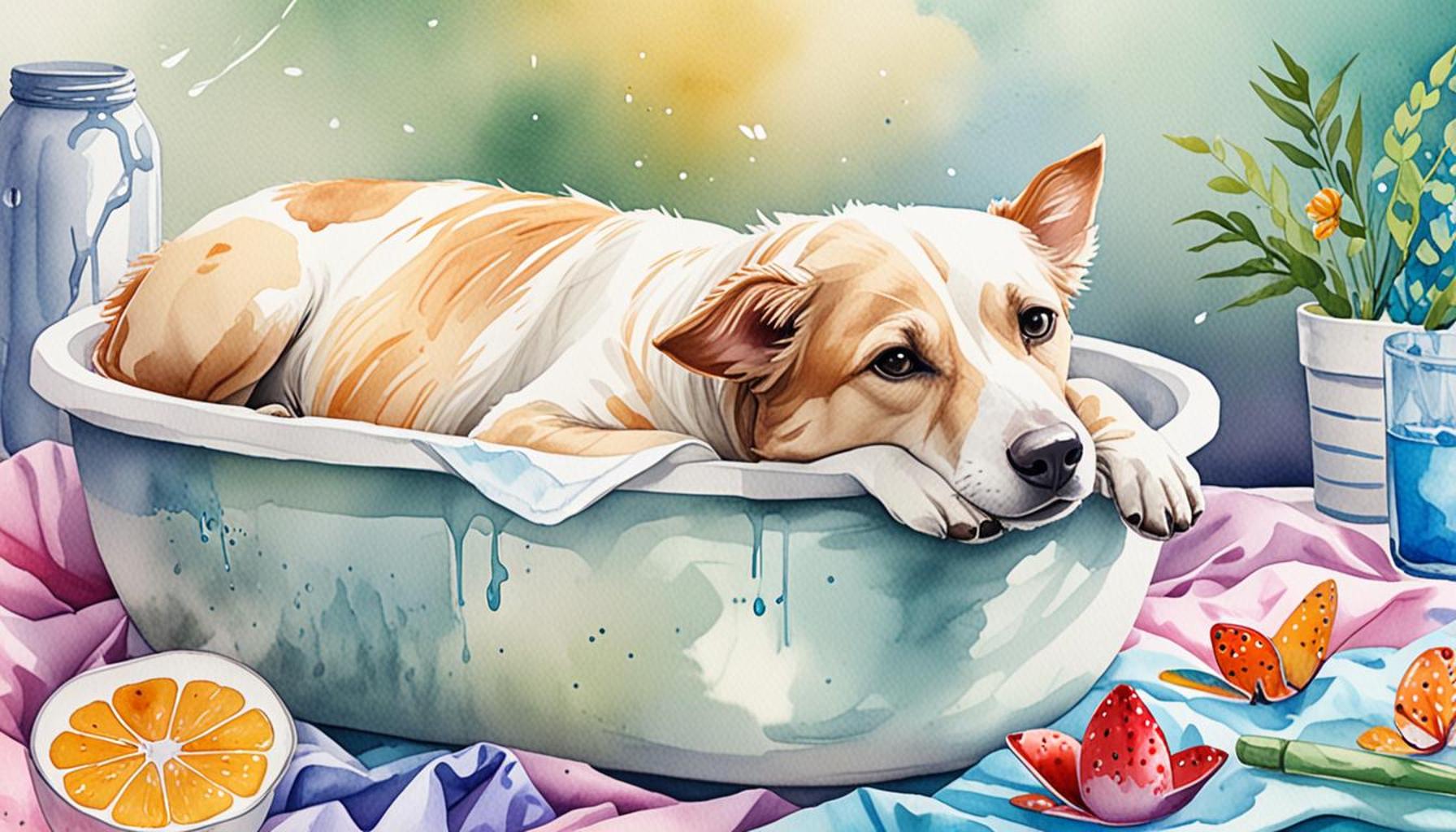
- Hydrotherapy: Utilizing water’s soothing qualities can also be integral to relaxation. Hydrotherapy involves immersive water treatments that alleviate strain on recovering joints and muscles. Warm water can provide comfort, enhance flexibility, and promote circulation. Additionally, hydrotherapy can serve as a playful yet therapeutic activity that allows pets to engage their minds while easing physical discomfort.
- Environmental Enrichment: Creating an enriched recovery environment also plays a crucial role. This includes soft bedding, the use of stuffed toys, or even calming visual stimuli such as a fish tank. These enhancements can distract animals from their discomfort and invoke a sense of safety and tranquility. Moreover, training techniques that encourage slow, deliberate movements can help reduce anxiety while maintaining a gentle engagement with their surroundings.
Research supports the idea that a combination of these relaxation techniques can lead to a more peaceful recovery phase. A recent survey highlighted that 70% of pet owners who implemented relaxation techniques reported noticeable improvements in their animal’s comfort levels and overall recovery experience. The studies indicate that lowering stress can lower the levels of cortisol, the stress hormone, leading to fewer complications during recovery.
As veterinarians and pet owners delve deeper into the importance of mental well-being in recovery, it is evident that exploring these options can provide gains far beyond mere physical healing. It empowers pet owners not only to facilitate recovery but also to engage emotionally with their pets, helping to forge a stronger bond in the process.
| Category | Advantages |
|---|---|
| Stress Reduction | Relaxation techniques significantly lower stress hormones in post-surgical animals, leading to a more peaceful recovery process. |
| Improved Healing | Techniques such as gentle massage and soothing music stimulate circulation and promote faster tissue repair. |
| Behavioral Benefits | Animals exhibit calm behavior, reducing risks of post-operative complications and enhancing overall well-being. |
| Owner-Animal Bonding | Engaging in relaxation techniques fosters a stronger connection between pets and their owners, positively impacting emotional recovery. |
| Enhanced Mobility | A relaxed animal tends to be more willing to move, encouraging physical activity which is vital for post-surgical recovery. |
Incorporating relaxation techniques during the recovery phase of surgery can transform an animal’s healing journey. These practices not only ease tension but also provide a nurturing environment that aids in faster recovery. It’s essential for pet owners and caregivers to explore various methods, such as mindfulness and gentle manipulation, to create a supportive atmosphere. Understanding the profound impact of relaxation on recovery opens new avenues for enhancing animal health, ultimately leading to better surgical outcomes and happier pets.
DON’T MISS OUT: Click here to learn more about choosing the best cat food
Innovative Approaches to Enhance Recovery through Relaxation
As the significance of relaxation techniques in enhancing post-surgical recovery becomes increasingly acknowledged, veterinarians are broadening their approach beyond traditional care methods. Exploring innovative relaxation therapies can further boost the healing process for animals, creating an environment where recovery is not just tolerated but actively supported. These techniques can complement surgical interventions, yielding optimal outcomes.
Aromatherapy is one such burgeoning technique that has shown promise in animal recovery. The use of essential oils such as lavender, chamomile, and bergamot can provide stress relief and alleviate anxiety in pets. Veterinary professionals advocate for the careful application of these scents, which can influence the emotional state of animals, promoting a sense of peace and comfort post-surgery. Research has indicated that animals exposed to calming scents during recovery exhibited lower heart rates and reduced stress behaviors, demonstrating the potential for aromatherapy to become a staple in post-surgical care.
Moreover, the practice of massage therapy has gained traction as a valuable recovery tool. Gentle massage can stimulate circulation, decrease muscle stiffness, and facilitate lymphatic drainage—all vital components of post-surgical recovery. Veterinary-trained massage therapists can employ various techniques tailored to the needs of the individual animal, fostering relaxation and potentially alleviating pain. Regular sessions can create a routine that animals find reassuring, significantly impacting their emotional well-being during recovery.
Incorporating music therapy is another innovative approach that has emerged in the context of animal relaxation and recovery. Studies demonstrate that certain types of music, particularly classical or soothing sounds, can induce a calming effect on pets, lowering their anxiety levels. This auditory stimulation creates an atmosphere conducive to relaxation. Some veterinary clinics have started using music specifically designed for calming pets, leading to a growing interest in this area.
Additionally, social interaction and companion therapy can play a crucial role in reducing recovery anxiety. Animals are inherently social creatures, and having a familiar companion during the recovery phase can create a comforting atmosphere. Whether it’s the presence of another pet or a human family member, companionship can help to alleviate feelings of isolation and fear that animals may experience post-surgery. The power of social support cannot be underestimated; studies suggest that the presence of a trusted companion can significantly lower cortisol levels in animals, thus enhancing their overall recovery.
- Aromatherapy: Utilizing essential oils to calm and soothe pets during recovery.
- Massage Therapy: Gentle manipulation of muscles to alleviate stress and enhance circulation.
- Music Therapy: Playing calming music to foster relaxation and reduce anxiety.
- Companion Therapy: Encouraging the presence of a familiar friend or family member to decrease feelings of isolation.
As ongoing research continues to uncover the correlations between relaxation techniques and post-surgical recovery outcomes, it becomes increasingly essential for pet owners and veterinarians to remain informed. By embracing these innovative methods, the path toward effective animal healing can become more comprehensive and holistic. In this evolving landscape of veterinary care, merging traditional practices with these modern relaxation techniques presents exciting opportunities for enhancing animal health and overall recovery experiences.
DISCOVER MORE: Click here for essential tips
Conclusion
As the veterinary field evolves, recognizing the importance of relaxation techniques in facilitating post-surgical recovery cannot be overstated. Contemporary studies highlight that incorporating methods such as aromatherapy, massage therapy, music therapy, and companion therapy into recovery protocols can significantly enhance an animal’s healing journey. By fostering an environment of calm and support, these innovative approaches address both the physical and emotional aspects of recovery.
The integration of these techniques offers a holistic avenue for improving outcomes, ensuring that animals experience less stress and achieve better health post-surgery. For pet owners and veterinary professionals alike, staying informed about these emerging strategies is essential for effective care. Each method not only aids physical recovery but also nurtures the emotional well-being of pets, leading to a more comprehensive healing process.
The challenge now lies in how to effectively merge these modern relaxation practices with established veterinary methods. As research continues to support the benefits of relaxation techniques, the veterinary industry is poised to embrace a richer, more supportive recovery landscape. This exciting frontier not only promises enhanced recuperation for our pets but also deepens the bond between animals and their caretakers, reflecting a truly compassionate approach to veterinary care. Therefore, the call to action is clear: let us explore and implement these techniques for the betterment of our furry friends’ health and happiness.