
The Importance of Regular Veterinary Visits in Early Detection of Diseases

Understanding Veterinary Visits
Regular veterinary visits are crucial for maintaining your pet’s health and well-being. These check-ups are not just routine; they serve as vital opportunities for the early detection of diseases that could threaten your furry friend’s life. Many pet owners may underestimate the importance of these visits, often viewing them as an unnecessary expense. However, the long-term benefits of proactive healthcare far outweigh the costs.
- Preventive care: Regular exams can catch health issues before they become serious. For example, during these visits, veterinarians can perform thorough physical examinations that will allow them to identify early signs of conditions such as dental disease, skin infections, or joint problems. By addressing these issues proactively, you can avoid more invasive treatments down the line and maintain your pet’s quality of life.
- Vaccinations: Vet visits ensure vaccinations are up-to-date, protecting against common diseases. In the United States, vaccinations for diseases such as rabies, distemper, and parvovirus are critical in safeguarding both pet and public health. For instance, rabies is not only a serious concern for the health of pets, but it also poses a threat to humans. Keeping vaccinations current is an essential part of responsible pet ownership.
- Nutrition advice: Vets can provide personalized dietary guidance to prevent obesity and related conditions. With the rising rates of obesity in pets—estimated at over 50% of cats and dogs in the U.S.—professional advice on nutrition plays a fundamental role in preventing associated health issues like diabetes, arthritis, and heart disease. For instance, discussing your pet’s specific breed, age, and activity level with your veterinarian can help you determine the right portion sizes and food types.
In the United States, many pet owners overlook routine vet visits, often waiting until their pets show signs of illness. This approach can lead to late diagnoses for serious health conditions, making treatment more challenging and expensive. As reported, approximately 70% of pets over the age of 10 experience some form of chronic disease. This statistic emphasizes the critical need for early detection through regular check-ups; they can significantly improve health outcomes, ensuring your pet lives a longer, healthier life.
Engaging with your veterinarian during these visits helps build a comprehensive health plan tailored for your pet. The goal is to promote wellness and longevity while minimizing potential health crises. Additionally, these interactions foster a stronger bond between you, your pet, and your veterinarian, leading to a more collaborative approach to your pet’s health. Understanding your pet’s unique needs through regular veterinary visits ultimately leads to more informed decisions, better care, and a happier life for your beloved companion.
DON’T MISS: Click here to learn why socialization is key
Proactive Health Management for Your Pet
When we think about caring for our pets, proactive health management should be at the forefront of our minds. Regular veterinary visits are a cornerstone of this approach, offering invaluable opportunities for early disease detection that can prevent critical health crises. The truth is, many diseases in pets can develop silently, showing few or no obvious signs until they have progressed to advanced stages. By keeping up with veterinary check-ups, pet owners can ensure their companions receive the care necessary to catch these issues early, saving both lives and expenses in the long run.
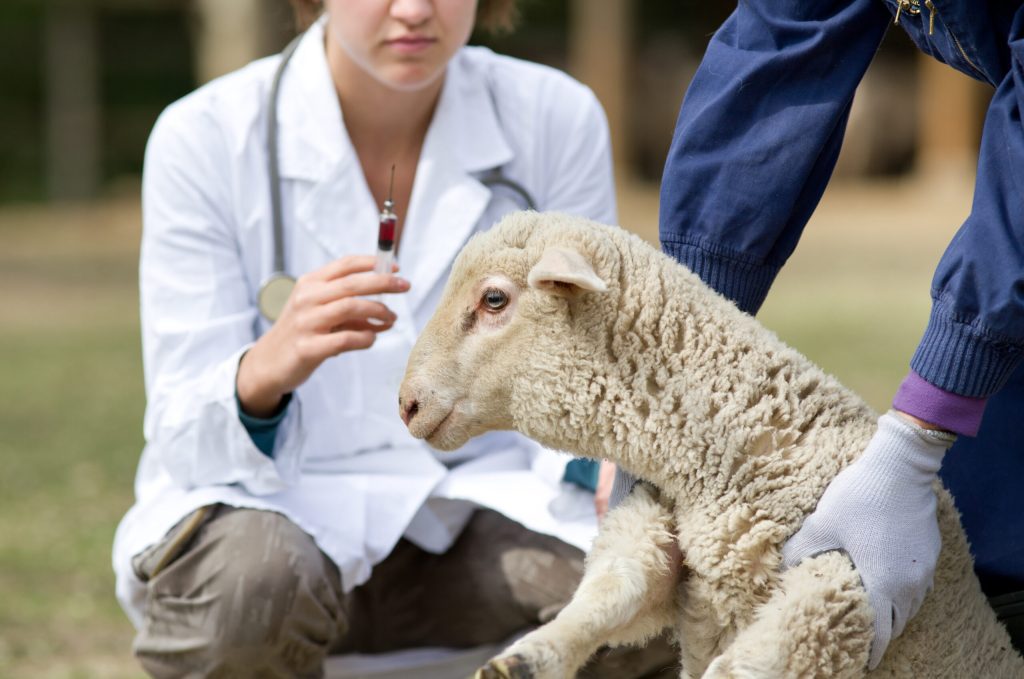
To understand the value of regular veterinary visits, it is essential to grasp how they contribute to your pet’s overall health. Here are a few key benefits:
- Early Diagnosis of Conditions: Many pets are adept at hiding discomfort or pain, which can make it easy for owners to miss early signs of illness. Conditions like kidney disease, diabetes, or cancer may develop gradually, becoming harder to treat as they advance. During regular examinations, vets perform various diagnostic tests such as blood work and imaging to catch these potential issues before they escalate.
- Monitoring Pre-existing Conditions: For pets that already suffer from chronic health issues, regular visits become even more critical. Consistent monitoring allows veterinarians to adjust treatment plans as necessary, helping to maintain your pet’s quality of life. Factors like weight, laboratory test results, and even behavioral changes can be assessed during these appointments.
- Behavior and Lifestyle Assessment: Your veterinarian does not just focus on physical health; they can also offer insights into behavioral changes your pet may be experiencing. This can include unusual aggression, lethargy, or anxiety, which can often indicate underlying health issues. By discussing your pet’s behavior during visits, veterinarians can help identify contributing factors and suggest lifestyle adjustments or treatments.
Furthermore, pet owners should be aware that certain breeds and age groups are predisposed to specific health concerns. For instance, large dog breeds often face joint problems like hip dysplasia, while senior cats may be more prone to dental issues. Tailoring preventive care and health checks around these vulnerabilities can make a significant difference in a pet’s long-term health. According to the American Veterinary Medical Association (AVMA), engaging in timely health assessments can drastically affect a pet’s longevity and life quality.
In a world where many pets are living longer due to advanced veterinary medicine, regular check-ups not only help in detecting diseases but also in promoting a healthier lifestyle. By taking proactive measures through consistent veterinary visits, you set the foundation for your pet’s vibrant health and happiness, making informed decisions that benefit their quality of life.
The Importance of Regular Veterinary Visits in Early Detection of Diseases
Regular veterinary visits are crucial for maintaining your pet’s overall health and well-being. These check-ups serve as an essential preventative tool, allowing veterinarians to identify potential health issues before they become serious. One key advantage of these visits is the opportunity for early detection of diseases. Many health conditions manifest subtly in the initial stages, and a trained professional can spot these early signs during routine examinations.Furthermore, regular check-ups help establish a health baseline for your pet. By monitoring their weight, dental health, and overall condition, veterinarians can quickly identify deviations that may indicate underlying health problems. For instance, sudden weight loss, changes in appetite, or behavioral changes are significant red flags that can be evaluated during a visit. In addition to physical exams, regular veterinary visits provide essential vaccinations that protect against various infectious diseases. Vaccines not only safeguard your pet’s health, but they also play a vital role in controlling the spread of diseases within the broader pet community. Moreover, providing your veterinarian with a complete medical history, including any changes in behavior, diet, or temperament, enhances their ability to identify potential health threats. This collaborative approach between pet owners and veterinarians is fundamental in promoting early intervention, improving treatment success rates, and enhancing your pet’s quality of life. To underscore the benefits of ongoing veterinary care, consider the following table that captures key advantages and aspects of regular veterinary visits:
| Category | Details |
|---|---|
| Early Detection | Veterinarians can identify symptoms of diseases like diabetes or cancer at their onset. |
| Vaccination | Protects against deadly diseases, ensuring overall community health. |
| Health Monitoring | Tracks weight, dental health, and behavioral changes over time. |
In conclusion, regular veterinary visits empower pet owners to be proactive in their pet’s healthcare, ultimately leading to longer, healthier lives for our beloved companions. The responsibility lies with us to prioritize these essential appointments and invest in our pets’ wellbeing, ensuring any potential issues are addressed promptly and effectively.
DISCOVER MORE: Click here to learn about effective cat training techniques
Building a Lasting Relationship with Your Veterinarian
Establishing a solid rapport with your veterinarian is not just beneficial for addressing immediate health concerns; it is crucial for long-term wellbeing. Regular visits foster familiarity between your pet and the veterinary staff, which can be imperative during times of illness or emergency. When a veterinarian knows your pet’s health history and personality, they can better assess any changes or abnormalities that arise. This ongoing relationship ensures a continuity of care that plays a vital role in early detection and intervention, allowing for tailored health strategies.
Moreover, the veterinary visit itself serves as an educational platform for pet owners. Vets can offer guidance on nutrition, exercise, and preventive care tailored to your pet’s specific needs. For instance, did you know that obesity in pets is on the rise? According to the Association for Pet Obesity Prevention, over 50% of dogs and cats in the United States are classified as overweight or obese. This condition can lead to serious issues such as diabetes, arthritis, and heart disease. Fortunately, regular veterinary visits can help pet owners formulate effective weight management plans and lifestyle adjustments that not only improve overall health but also prevent the onset of diseases.
In addition to monitoring physical health, veterinarians can provide crucial insight into behavioral issues that may arise. Stress and anxiety conditions are increasingly recognized in pets, manifesting through destructive behaviors or excessive vocalization. By discussing these behavioral changes during regular check-ups, veterinarians can recommend therapeutic options, stress-relief techniques, or behavioral training strategies. A well-rounded approach to health — encompassing both physical and psychological wellbeing — maximizes the likelihood of early detection and treatment of potential health problems.
Vaccinations and Preventive Medications
Another vital aspect of regular veterinary visits is ensuring that your pet remains up-to-date on vaccinations and preventive medications. Vaccines are essential for protecting pets from serious diseases like rabies, distemper, and parvovirus. Missing these critical immunizations can expose your pet not only to risks but also to the potential spread of diseases within the community. For example, kennel cough and canine influenza can affect multiple dogs in close quarters, making timely vaccination crucial, especially if your pet frequents boarding facilities or dog parks.
Preventive medications, such as heartworm pills and flea and tick treatments, are also vital. Without these protections, pets are at risk of severe and sometimes fatal conditions. Heartworm disease, transmitted through mosquitoes, can be effectively managed with regular preventive treatment. The American Heartworm Society emphasizes that a once-a-month preventive measure is more effective — and less costly — than treating a pet with a heartworm infestation, which often requires lengthy and expensive veterinary care.
In summary, the importance of regular veterinary visits extends far beyond addressing immediate health concerns. These appointments serve as a critical foundation for comprehensive health management, helping to foster a lasting relationship with experts who can guide you through your pet’s life stages. From detecting potential health issues early to managing chronic conditions and ensuring preventive care is up-to-date, investing time in routine veterinary care is essential for maximizing your pet’s health and longevity.
DIVE DEEPER: Click here to learn more
Ensuring a Healthy Future for Your Pet
In conclusion, regular veterinary visits are not merely a formality; they are a critical element in safeguarding your pet’s health and wellbeing. Through consistent check-ups, pet owners can gain invaluable insights into their animal’s physical and behavioral health, significantly enhancing the chances of early disease detection. The advantages of these routinely scheduled appointments extend beyond immediate care, promoting a proactive approach to veterinary medicine that can extend the lifespan and improve the quality of life for our cherished companions.
Moreover, these visits empower pet owners with knowledge and resources that help manage health proactively, particularly when it comes to preventive care such as vaccinations and parasite control. With alarming statistics indicating that a significant percentage of pets suffer from preventable conditions like obesity, a well-informed owner can implement effective interventions guided by their veterinarian’s expertise. As healthcare paradigms shift towards a more holistic understanding of wellness — addressing both physical ailments and behavioral issues — the role of the veterinarian evolves into that of a trusted partner in your pet’s lifelong journey.
By recognizing the importance of regular veterinary visits, we can foster a deeper understanding of our pets’ needs and ensure they lead healthy, happy lives. Your commitment to this aspect of pet ownership not only enhances your own bond with your furry friend but also contributes to a community-wide effort to promote responsible pet care. Therefore, make it a priority to schedule those routine check-ups; your pet’s health could very well depend on it.