The Importance of Dental Health in the Quality of Life of Pets
The Importance of Dental Health for Pets
Many pet owners may overlook the significance of their furry friends’ dental health. However, dental hygiene plays a crucial role in their overall well-being, influencing not just their mouth but also their entire body. Studies have shown that oral diseases in pets are not merely cosmetic issues; they can lead to serious health complications that may jeopardize a pet’s quality of life.
Consider the following consequences of poor dental health in pets:
- Periodontal Disease: This condition is one of the most common health issues affecting dogs and cats. Approximately 80% of dogs and 70% of cats exhibit signs of dental disease by the age of three. If left untreated, periodontal disease can progress, causing inflammation and infection that can lead to tooth loss.
- Systemic Infections: Bacteria from the mouth can enter the bloodstream, potentially impacting vital organs such as the heart, liver, and kidneys. Notably, studies indicate that pets with periodontal disease have a higher risk of developing endocarditis, an infection of the heart’s inner lining. The correlation between oral health and systemic diseases underscores the importance of regular dental care.
- Pain and Discomfort: Oral pain can lead to significant behavioral changes in pets, such as refusing to eat, excessive drooling, or irritability. Pets experiencing dental pain may be less active, impacting their overall happiness and engagement in daily activities like playtime and walks.
- Increased Veterinary Costs: Treating dental diseases can be an expensive endeavor. The costs can escalate quickly with procedures such as dental cleaning, extractions, or even surgery in severe cases. A comprehensive dental care regimen at home, complemented by regular professional cleanings, can be a more cost-effective approach in the long run.
Ensuring regular dental check-ups and proper oral care can significantly improve your pet’s happiness and lifespan. Recognizing that healthy teeth and gums contribute to a healthier body is essential. The American Veterinary Dental College advocates for annual dental check-ups, which can aid in the early detection of dental issues and help establish a preventive care routine.
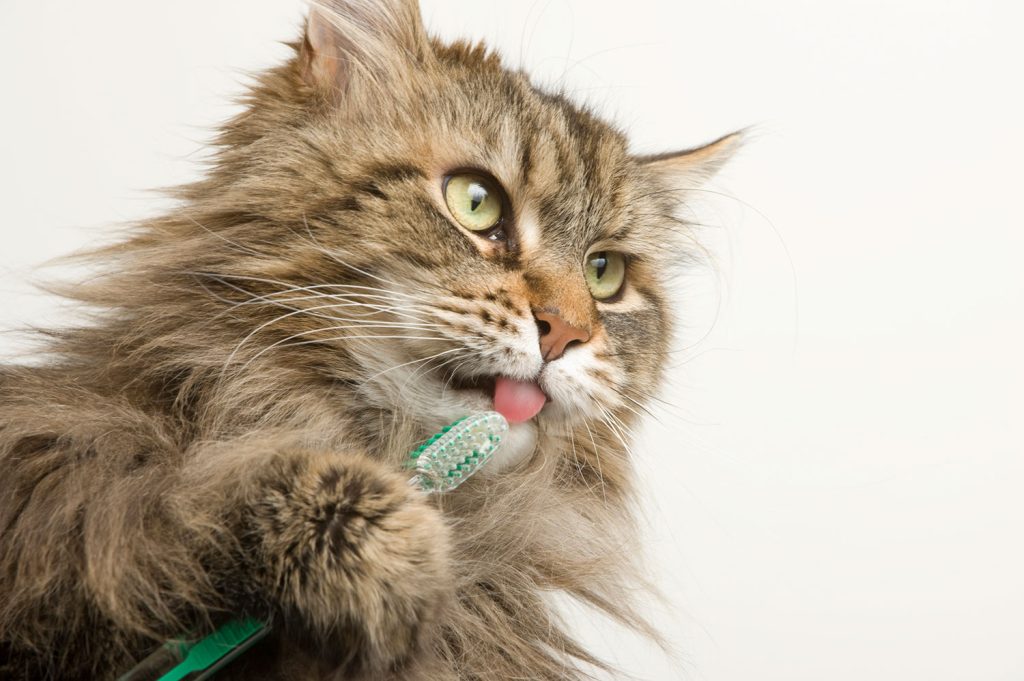
In the United States, veterinary professionals stress the importance of preventive care, including dental cleanings and at-home dental hygiene practices. At home, pet owners can use dental treats, toothbrushes designed for pets, and special toothpaste to maintain their pets’ oral health. Engaging in a routine of brushing your pet’s teeth, ideally daily, can help combat plaque buildup and promote healthy gums.
Investing time in your pet’s oral health not only enhances their quality of life but also fosters a deeper bond between you and your beloved companion. When pets are comfortable and healthy, they can better engage with their families, leading to a happier, more fulfilling life for both pets and their owners.
DISCOVER MORE: Click here to learn about the impact of animal adoption
Understanding the Link Between Dental Health and Overall Well-being
A pet’s mouth is more than just a cute smile; it’s a gateway to understanding their overall health. When pet owners prioritize dental health, they are actively contributing to their pets’ quality of life. Beyond aesthetics, proper oral care has profound implications for a pet’s physical health, behavior, and emotional well-being.
One primary concern stemming from poor dental hygiene is periodontal disease, which is often silent until it reaches advanced stages. This condition is characterized by the inflammation of the tissues surrounding the teeth, caused primarily by plaque buildup. Regular dental check-ups can help combat this prevalent issue, as the American Veterinary Medical Association (AVMA) highlights that maintaining a pet’s dental health can be critical to staving off severe consequences.
Furthermore, periodontal disease is not only limited to affecting teeth and gums but also has systemic implications. The bacteria that thrive in an unhealthy mouth can enter the bloodstream. This can lead to serious health complications in major organs. According to numerous studies, pets suffering from dental diseases are significantly more likely to experience conditions such as heart disease and kidney dysfunction. The implications are clear: neglecting dental care can accelerate health decline, leading to unnecessary suffering and, ultimately, a reduced lifespan.
The impact of dental health extends beyond physical ailments. Pets in pain often exhibit behavioral changes, as oral discomfort can make them irritable and withdrawn. They may struggle to eat, resulting in weight loss and nutritional deficits, which contribute to their overall malaise. Common signs of dental pain can be subtle, yet pet owners should remain vigilant for clues such as:
- Reluctance to chew or play with toys
- Excessive drooling or bad breath
- Changes in appetite or weight
- Fussiness when approaching the mouth or face
Moreover, pets experiencing significant dental pain may become less sociable, impacting their ability to engage in daily activities with their families. This decrease in quality of life can not only affect the pet but can also lead to emotional distress for owners who wish to see their companions happy and healthy.
This is where preventive care becomes crucial. Incorporating at-home dental care, such as regular tooth brushing and dental treats specifically designed for pets, can make a significant difference. The bond between pets and their owners can be enhanced when both parties are actively engaged in health maintenance practices. For example, developing a fun routine of tooth brushing can serve as an opportunity for quality time and positive interactions.
In conclusion, understanding the weight of dental health in a pet’s life is vital for all pet owners. By embracing consistent dental care practices, we take a proactive step towards ensuring a healthier, happier life for our furry family members.
| Key Areas of Dental Health | Impact on Pet Quality of Life |
|---|---|
| Oral Hygiene | Maintaining oral hygiene prevents tartar buildup, which can lead to severe health issues. |
| Regular Vet Check-ups | Routine check-ups ensure early detection of dental diseases, enhancing overall wellness. |
| Nutritional Choices | High-quality dental diets can reduce plaque and improve gum health. |
| Behavioral Changes | Poor dental health can lead to aggression or shyness in pets, affecting their interactions. |
Dental health is not just about a pet’s smile; it is critical for their overall well-being and quality of life. The connections between oral health and systemic health, including the heart and kidneys, are profound and well-documented. By enhancing our understanding of the importance of dental care, pet owners can take proactive steps to ensure their furry friends live healthier, happier lives. Beyond aesthetics, the implications of neglecting dental care are significant, leading to painful conditions that can affect a pet’s behavior and appetite. Engaging in dental education and preventive measures facilitates long-term benefits, enriching the lives of pets and their families. Exploring proper dental care will not only benefit your pet but allow you to enjoy a more vibrant companionship.
DISCOVER MORE: Click here to learn about the role of socialization in dog training
Preventive Measures and the Role of Veterinary Care
To truly grasp the importance of dental health in enhancing a pet’s quality of life, it’s essential to understand the array of preventive measures available. Pet owners have an important role to play in their pets’ oral hygiene and overall health. Apart from routine at-home care, integrating professional dental cleanings into a pet’s healthcare regimen can significantly mitigate the risk of dental diseases. Veterinary dentists recommend annual dental cleanings for most pets, while others may require more frequent visits depending on the breed, age, and individual health condition.
The American Animal Hospital Association (AAHA) endorses the importance of regular veterinary dental exams. During these visits, a veterinarian can assess the state of the pet’s teeth and gums, and provide a thorough cleaning under anesthesia if necessary. This procedure not only removes accumulated tartar but also allows for the detection of underlying issues such as fractures, advanced periodontal issues, or oral tumors. The importance of such dental checks cannot be overstated; early intervention can prevent painful conditions and costly treatments down the line.
In addition to professional cleanings, education is key when it comes to maintaining dental health at home. Pet owners often overlook dental health and fail to recognize its implications on their furry companions’ lives. Educational resources are available through veterinary offices and online platforms. Owners can benefit from understanding the specific dental needs of their pets, which can differ according to species and breed. For instance, certain breeds, such as Poodles and Chihuahuas, are more predisposed to dental issues than larger breeds and may require more intensive care.
Innovations in Pet Dental Care
The relationships between diet and dental health cannot be ignored. Many pet food companies now offer specially formulated diets designed to reduce plaque and tartar build-up. According to the Veterinary Oral Health Council (VOHC), certain kibbles provide mechanical cleansing through their texture, promoting cleaner teeth. Furthermore, dental chews and treats that are rewarded with the VOHC seal of approval can be an enjoyable addition to maintaining dental hygiene while offering pets something tasty during mealtime.
Moreover, technology innovates dental treatments, much like in human dentistry. Some veterinary clinics now utilize digital dental radiography, allowing them to see below the gum line and identify hidden problems. This advancement empowers veterinarians to provide comprehensive treatments tailored specifically to the pet’s needs, addressing issues before they escalate. Pet owners should actively inquire about such technologies to ensure their pets receive the most effective dental care possible.
Behavioral Benefits of Good Dental Hygiene
Addressing dental health can substantially positively influence behavioral aspects as well. When pets experience fewer dental issues, they often show improved energy levels, enthusiasm during play, and a noticeable decrease in irritability or aggression linked to pain. With enhanced comfort, pets often partake more in family activities, strengthening the emotional bond between companions and their owners. This behavioral shift can ease the stress many pet owners face when managing a pet that struggles with oral discomfort.
In looking to improve their pet’s quality of life, owners should recognize that dental health is a vital component of a vibrant, happy existence for their furry companions. Incorporating these practices into everyday life contributes to a happier and healthier home for both pet and owner alike.
DON’T MISS: Click here to discover the benefits of balanced nutrition for your dog
Conclusion: Prioritizing Dental Health for a Joyful Pet Life
The relationship between dental health and the overall quality of life for pets cannot be underestimated. With the rising awareness of preventive measures and innovative dental care solutions, pet owners have an unprecedented opportunity to improve their companions’ well-being. Regular dental check-ups, at-home care, and a balanced diet can help mitigate the prevalence of dental diseases that often lead to discomfort and pain.
Furthermore, the long-term benefits of maintaining good dental hygiene extend beyond physical health. Pets that receive appropriate dental care often exhibit better behavior, increased activity levels, and stronger emotional bonds with their owners. This highlights the profound impact that oral health has on their happiness and quality of life.
As pet ownership in the United States continues to grow, so does the responsibility of ensuring that every gatekeeper of a furry friend recognizes the vital role dental health plays. By investing time and resources into pet dental care, owners can contribute to a vibrant and joyful existence for their pets. With numerous educational resources available, there is a clear pathway for pet owners to enhance the lives of their companions through diligent dental care practices.
In summary, prioritizing the importance of dental health in pets is an essential aspect of comprehensive pet care. Embracing preventive measures and seeking veterinary advice can lead to a healthier, happier life for our beloved pets, ensuring they remain cherished members of the family for many years to come.