
The Role of Physical Activity in the Prevention of Diseases in Dogs and Cats

Understanding the Importance of Exercise for Pets
Physical activity is as vital for pets as it is for humans, contributing significantly to their overall health and well-being. Regular exercise for dogs and cats not only enhances their physical condition but also helps in preventing a myriad of health complications, thereby promoting a longer and more vibrant life. Engaging in a routine of consistent activity can yield remarkable benefits for our four-legged companions, making it an essential aspect of pet care.
Many pet owners may be surprised to discover just how critical exercise is in preventing a range of health issues, including:
- Obesity – A significant concern, obesity can lead to diabetes and joint issues, negatively impacting a pet’s quality of life. For instance, studies suggest that nearly 60% of pets in the United States are overweight or obese, which is alarming and easily preventable through regular exercise.
- Heart Disease – Engaging in regular physical activity strengthens the cardiovascular system, reducing the risk of heart-related diseases. Just like humans, pets that exercise have improved heart health, which translates to better endurance and reduced fatigue.
- Behavioral Problems – Exercise aids in managing behavioral issues by releasing pent-up energy. Pets, particularly those that are left alone for long periods, may exhibit anxiety or aggression, which can be mitigated through regular play and structured exercise.
- Arthritis – Keeping pets active is pivotal in promoting joint health and flexibility, especially as they age. Low-impact exercises, like walking and swimming, can greatly benefit older pets prone to arthritis, easing pain and improving mobility.
- Digestive Disorders – Regular exercise can stimulate the digestive system and improve metabolism, helping to prevent issues such as constipation or bloating.
Research indicates that pets that engage in regular exercise are less likely to develop chronic health conditions. Beyond weight management, exercise stimulates mental engagement, essential for a pet’s emotional stability. Interactive play, for example, can challenge a pet’s mind and keep them alert and happy.
As responsible pet owners, it is imperative that we ensure our dogs and cats remain active and healthy. Making exercise a staple of their daily routine is pivotal not only for their bodies but also for their minds. Simple adjustments, such as daily walks, playtime in the yard, or agility training, can significantly amplify the quality of life for your pets and help in disease prevention.
As we delve deeper into this article, we will outline practical tips and insights on fostering a more active lifestyle for your pets. Discover various activities, understand their significance, and learn how to weave them seamlessly into your routine to keep your fur friends moving and thriving!
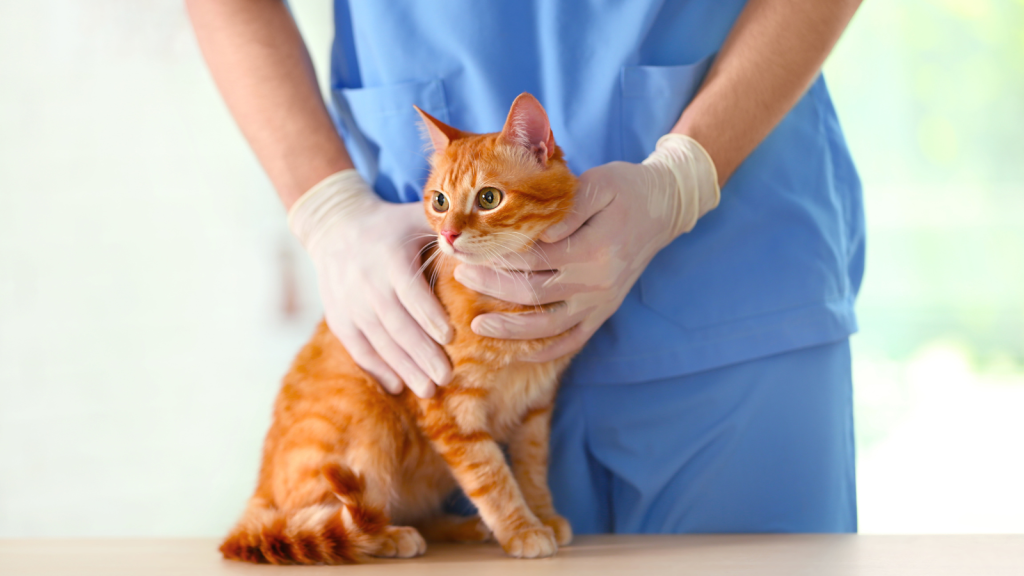
LEARN MORE: Click here for essential pet care tips
Identifying Key Health Benefits through Active Lifestyles
Regular physical activity serves as a cornerstone in the overall health strategy for pets, directly influencing their susceptibility to various diseases. One of the most alarming issues pet owners face is obesity, which significantly jeopardizes a pet’s health. In fact, the Association for Pet Obesity Prevention has reported that in 2022, over 60% of cats and dogs in the United States were classified as overweight or obese. This epidemic often leads to severe health complications, including diabetes, heart disease, and joint problems, all of which can be effectively managed through a consistent exercise routine.
Exercise plays a crucial role in weight management by burning calories and increasing metabolism. By integrating simple forms of physical activity, such as daily walks or playful games, pet owners can combat this rising issue. In addition to keeping pets slender, exercise promotes muscle tone and bone strength, enhancing their overall physical health.
Cardiovascular Health: The Heart of the Matter
Engaging in regular exercise is equally vital in maintaining cardiovascular health. Just like humans, pets require a strong heart to support their daily activities. Exercise is known to enhance circulation and strengthen the heart muscle, which can significantly diminish the risk of heart disease. A study from the Journal of Veterinary Internal Medicine revealed that dogs who engaged in routine exercise displayed lower heart rates and improved overall heart function compared to their sedentary counterparts. This evidence underlines the necessity of an active lifestyle in preventing life-threatening cardiovascular diseases.
Keeping Mental Health in Check
Physical activity extends beyond mere physical health; it is equally essential for a pet’s mental well-being. Behavioral problems in pets often arise from excess energy and boredom, leading to destructive tendencies or anxiety. A structured routine of exercise can help to alleviate these issues. For instance, interactive games like fetch or agility training not only provide a workout but also stimulate cognitive engagement, allowing pets to channel their energy positively.
Combating Arthritis and Joint Pain
With aging comes the risk of arthritis and joint issues in dogs and cats. Regular low-impact activities, such as swimming and walking, can greatly enhance mobility and alleviate pain associated with these conditions. Keeping joints flexible and muscles strong is essential for maintaining a pet’s quality of life as they grow older. Studies have shown that pets who maintain an active lifestyle tend to experience less pain and discomfort related to arthritis, demonstrating another essential benefit of physical activity.
In summary, fostering an environment where our pets are active is crucial for their health and happiness. From preventing obesity and heart disease to managing behavioral issues and preserving joint health, regular exercise is a multi-faceted solution aimed at improving the lives of dogs and cats. In the following sections, we will explore specific activities tailored to different breeds and lifestyles, alongside expert recommendations to help pet owners ensure their furry companions lead active, fulfilling lives.
The Importance of Regular Exercise
Physical activity plays a crucial role in maintaining the health and well-being of our pets. Just like in humans, regular exercise can significantly reduce the risk of various diseases in dogs and cats. Activities such as walking, playing fetch, and even structured training sessions can improve cardiovascular health, promote healthy weight management, and boost overall immune function. These benefits are essential in preventing obesity, which is a significant risk factor for many health issues, including diabetes, arthritis, and heart disease.
Types of Physical Activities
There are numerous ways to keep your pets active. Engaging in outdoor activities like hiking, running, or swimming not only encourages physical fitness but also provides mental stimulation. Indoor games such as interactive toys and agility courses can also keep pets active when outdoor conditions are unfavorable. This variety of activities is important to prevent boredom and promote overall health.
The Impact on Mental Health
Besides the physical benefits, physical activity is also vital for the mental well-being of dogs and cats. Exercise helps relieve stress and anxiety, leading to more balanced behavior. Socialization opportunities during walks or group classes can further enhance their emotional health, fostering better relationships with both pets and humans.
Long-term Health Benefits
Engaging pets in regular physical activity not only helps in keeping their current health in check but also contributes to a longer life span. Studies suggest that active pets are less likely to suffer from chronic diseases and tend to age more gracefully. It’s important for pet owners to incorporate exercise into their daily routines, making it a fun and enjoyable part of their pets’ lives.
| Category | Benefits |
|---|---|
| Weight Management | Helps to prevent obesity, reducing risks of diabetes and arthritis |
| Enhanced Mood | Promotes mental well-being, reducing stress and anxiety in pets |
By understanding the significance of exercise, pet owners can take proactive steps towards ensuring their furry friends lead healthier, happier lives. Incorporating just a bit of movement into daily routines can make a world of difference!
DISCOVER MORE: Click here for essential tips
Strengthening Immunity and Overall Well-Being
Beyond combating obesity and enhancing cardiovascular health, regular physical activity plays a significant role in strengthening a pet’s immune system. When dogs and cats engage in consistent exercise, their body experiences increased circulation, which facilitates the efficient distribution of immune cells throughout the body. According to research published in the Journal of the American Veterinary Medical Association, pets that maintain an active lifestyle tend to have better immune responses compared to their sedentary peers. By promoting regular movement, pet owners are inadvertently fortifying their companions’ defenses against infections and diseases.
Reducing the Risk of Chronic Diseases
Chronic diseases, such as diabetes, are not limited to humans; pets are equally susceptible. Hindrances in their activity levels can lead to insulin resistance and weight gain, laying the groundwork for severe health complications. For instance, a study by the University of California, Davis, noted that dogs who engage in regular physical activity are less likely to develop Type 2 diabetes, emphasizing the importance of combining diet and exercise. Pet owners should consider implementing structured exercise routines, such as regular playtime or dog-friendly activities, to significantly mitigate these risks.
Socialization and Reduced Aggression
Physical activity also serves as a platform for enhancing pets’ social skills. Interacting with other animals during playdates or at dog parks allows for the development of critical social behaviors, ultimately leading to reduced aggression and anxiety around others. Pets that do not receive adequate socialization may exhibit fearful or aggressive behaviors, complicating their interaction with humans and other animals. A study from the American College of Veterinary Behaviorists highlighted that regular exposure to various environments and companions through playful exercises can reduce instances of aggression and fear-based reactions. Regularly introducing pets to new playmates and settings can stabilize their behavioral responses, leading to healthier social interactions.
Therapeutic Benefits of Outdoor Activity
Furthermore, engaging pets in outdoor activities can yield extraordinary therapeutic benefits. Evidence suggests that exposure to natural environments helps reduce stress levels in both cats and dogs. The sights, sounds, and smells of nature can provide sensory stimulation that contributes to emotional stability. Field studies show that just a few hours spent outdoors can lower cortisol levels—a stress hormone—in animals. Additionally, environments that encourage sniffing and exploration can promote mental agility, providing enrichment that prevents boredom and anxiety.
To maximize the health benefits tied to physical activity, pet owners should implement routines that incorporate a variety of exercise modalities tailored to their pets’ breed and age. This proactive approach plays an essential role in ensuring that dogs and cats not only enjoy a vibrant life but also stand a better chance of preventing diseases that can significantly impact their health. By fostering a culture of movement, pet owners can make significant strides in their pets’ longevity and quality of life.
LEARN MORE: Click here for essential signs to look out for
Conclusion: A Vital Component of Pet Health
In conclusion, the significance of physical activity in promoting the health and well-being of dogs and cats cannot be overstated. Engaging in regular exercise not only helps pets maintain a healthy weight and cardiovascular system but also strengthens their immune systems, reducing the risk of illness and chronic diseases such as diabetes. As outlined in various studies, an active lifestyle correlates with improved immunity and lower susceptibility to health problems that plague our furry companions.
Moreover, physical activity serves as a crucial avenue for socialization, enabling pets to develop proper social skills and mitigating aggression. The therapeutic effects of outdoor activities, highlighted by reduced stress levels and enhanced mental agility, further illustrate how vital movement is for our pets’ overall happiness and quality of life. By fostering a routine that encompasses different types of exercise and social interaction, pet owners can invest in their pets’ future health.
As advocates for our pets’ well-being, it is essential to recognize that incorporating structured playtimes, walks, and stimulating outdoor adventures can create a ripple effect of positive outcomes. The challenge lies in making physical activity a priority in our pets’ daily lives, allowing them to thrive and enjoy a longer, healthier existence. By committing to this lifestyle change, pet owners are not only offering their beloved companions the joy of movement but also giving them the tools to guard against disease and enhance their longevity.