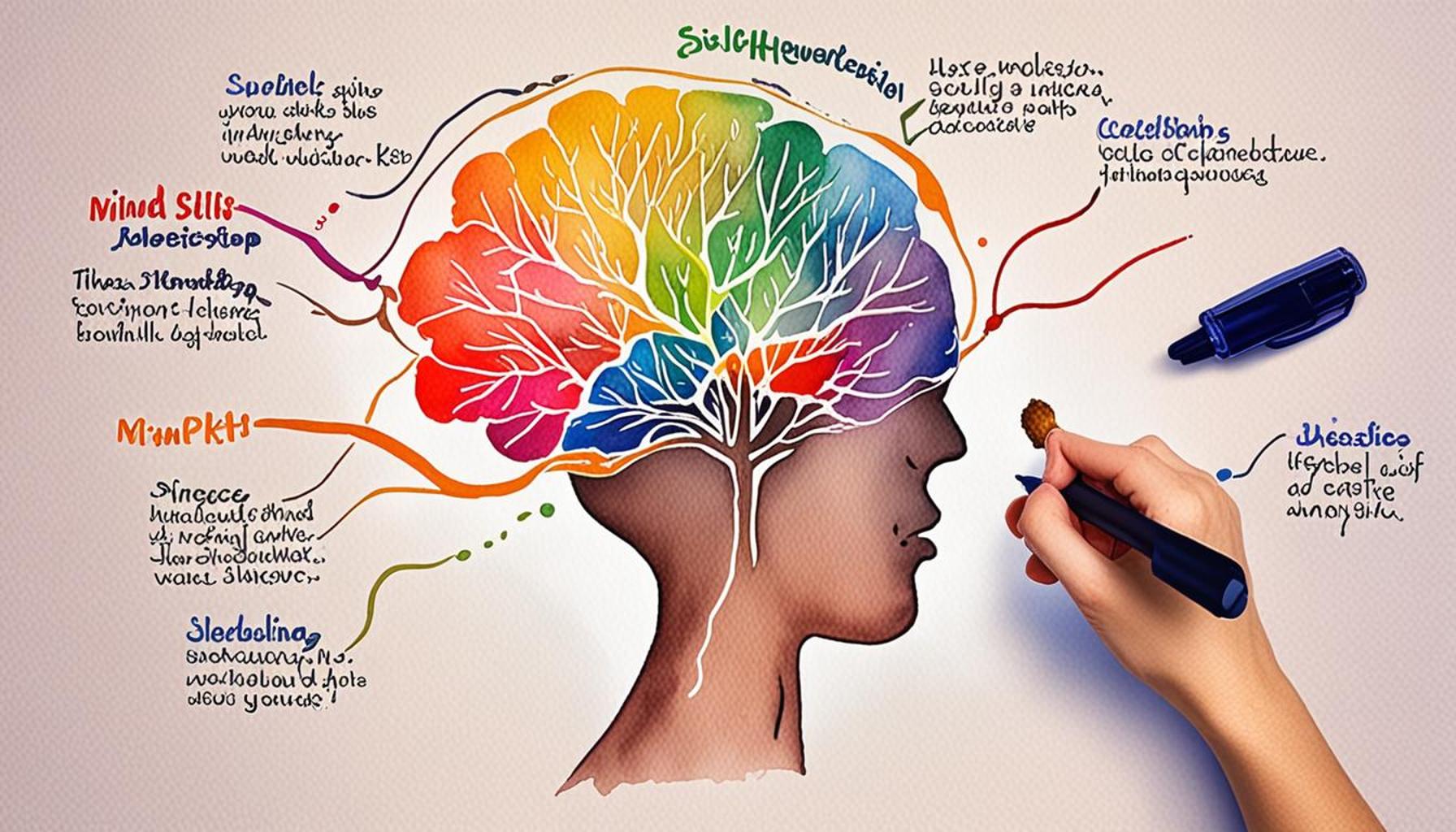
Unlock Skill Mastery The Power of Spaced Repetition for Independent Learning

Unlocking Potential Through Effective Learning Techniques
In today’s fast-paced world, the ability to learn new skills independently is not just a desire but a necessity. As we navigate various fields—from technology to art—finding effective methods to master skills can enhance our personal and professional growth. One such powerful technique lies in spaced repetition, a method proven to improve memory retention and skill acquisition.
Understanding Spaced Repetition
Spaced repetition involves reviewing material at increasing intervals, optimizing the learning process significantly. This technique is not only beneficial for students but also for anyone looking to acquire skills independently—be it learning a new language or mastering coding. With modern tools and resources at our fingertips, implementing spaced repetition has never been easier.
Why It Matters
- Boosts Retention: Research shows that spaced repetition can double memory retention compared to traditional study methods.
- Encourages Active Learning: This method requires active engagement, making learners more involved in their educational journey.
- Saves Time: By focusing on what you need to review, you can make your study sessions more efficient.
This article will explore the top five resources and techniques to harness the power of spaced repetition for independent learning, allowing you to unlock your full potential as a self-directed learner. Prepare to dive into a world where mastering skills becomes an attainable goal.
The Role of Spaced Repetition in Mastering Skills Independently
Learning new skills can often feel like a daunting task. Whether you’re looking to master a new language, play an instrument, or pick up coding, the amount of material and techniques you need to grasp can be overwhelming. Yet, the way we learn can be transformed by innovative techniques, one of the most impactful being spaced repetition. This method can revolutionize your approach, making learning more effective and enjoyable. In this article, we delve deeper into the top five aspects of spaced repetition that will empower you to master skills independently.
5. Enhances Retention Through Strategic Timing
At its heart, spaced repetition is grounded in the scientific understanding of our cognitive processes. This technique involves reviewing information at intervals that are strategically spaced to optimize memory retention. The strategy is based on increasing the time between reviews following each successful recall, which helps in transferring knowledge from short-term to long-term memory. Imagine the dazzling effect of a firework; spaced repetition ensures that the knowledge bursts brightly and lingers long after.

This method is particularly beneficial for independent learners. It allows individuals to customize study schedules according to personal progress. For instance, if you’re learning guitar chords, you might review them daily at first, but once mastered, you could switch to bi-weekly practice. Such optimized timing prevents the notorious forgetting curve, resulting in a more profound understanding of material that goes beyond rote memory.
4. Adapts to Personal Learning Styles
Everyone absorbs information differently, and spaced repetition offers a flexibility that caters to diverse learning styles. Whether you’re a visual learner who thrives on diagrams or someone who benefits more from auditory cues, spaced repetition can be tailored to align with your preferences. Imagine learning a new language: pairing vocabulary with images and sounds significantly enhances recall more effectively than simple memorization. The vivid imagery of a concept can serve as a vehicle for speedy recall, just like a memorable tune that stays with you long after it’s silenced.
With tools like flashcards or applications such as Anki, users can integrate images, sounds, or interactive exercises into their learning process. This versatility is crucial for maintaining engagement and motivation, as it allows learners to feel in control of their educational journey.
3. Leverages Technology for Efficiency
In our increasingly digital world, technology plays an integral role in personalizing education. Spaced repetition technology has become a cornerstone of efficient learning in the digital age. Numerous applications and platforms have emerged, harnessing this technique to enhance educational outcomes. From language apps like Duolingo to platforms like Coursera for professional certifications, spaced repetition technology integrates effortlessly into the learning ecosystem.
Armed with just a smartphone, learners can practice on-the-go, ensuring even brief periods are put to productive use. Many of these tools include sophisticated algorithms that adjust the frequency of material review based on user performance, delivering a personalized educational journey. This efficient use of technology not only maximizes study time but also helps learners remain accountable in their self-directed educational pursuits.
2. Encourages Active Recall
Active recall—retrieving information from memory rather than passively reviewing it—emerges as a powerful educational tool in conjunction with spaced repetition. This continuous engagement with material forces learners to assess their knowledge more frequently, stimulating neural connections and embedding information deeper within the mind. Imagine learning to code: the act of repeatedly solving problems, rather than merely reading solutions, bolsters your understanding and skill competence.
Such active engagement ensures that the material resonates more profoundly, paving the way for mastery of skills. Through this dynamic interplay between spaced repetition and active recall, learners achieve deep educational gains that are both long-lasting and transferable to new challenges.
1. Builds Confidence and Reduces Anxiety
The most significant benefit of spaced repetition lies in its ability to foster confidence and diminish anxiety among learners. Progress is not only about acquiring new knowledge but also about recognizing personal improvement over time. As mastery in a particular topic becomes less daunting, the fear of failure fades, creating a more enjoyable and productive learning atmosphere. This psychological boost aids not only in rooting out mistakes but also in encouraging learners to set more ambitious goals.
Many spaced repetition tools provide visual progress tracking through graphs or charts, empowering learners to visualize their journey. As individuals master each element, they develop the motivation to tackle more complex aspects of their chosen skills, creating a positive feedback loop. This cycle of confidence building and anxiety reduction fosters greater mastery and propels learners toward loftier educational goals.
In conclusion, understanding the role of spaced repetition in mastering skills independently can significantly enhance your learning journey. By enhancing retention, adapting to learning styles, leveraging technology, encouraging active recall, and building confidence, spaced repetition emerges as an indispensable tool for self-directed learners. So, go ahead and pick up that instrument, dive into a new language, or tackle that coding project—make spaced repetition your ally in mastering skills independently.
Spaced repetition has become a cornerstone in the realm of independent learning, particularly for those looking to master skills efficiently. This method operates on the principle of increasing intervals of review, which enables learners to reinforce knowledge while optimizing their study time. The psychological insight behind spaced repetition proves essential in understanding its efficacy.For instance, when individuals engage with new material, initial learning often fades quickly due to the forgetting curve – a phenomenon where the retention of information diminishes over time. Spaced repetition intervenes precisely at this juncture, presenting the learner with information just as they are about to forget it. This approach not only enhances memory retention but also solidifies information in a long-term context, making retrieval more seamless.Additionally, this technique thrives on the advantages of tailored learning experiences. By allowing learners to self-regulate their study schedules, spaced repetition fosters a more personalized educational journey. Individuals can select areas that require further attention, focusing on specific strengths and weaknesses, which enhances overall skill mastery. This autonomy is crucial for independent learners who may not have the luxury of structured classroom settings. Moreover, the application of spaced repetition extends beyond traditional memorization techniques; it encapsulates practical skills acquisition as well. For example, musicians who incorporate spaced repetition into their practice routines can break down complex pieces into manageable sections, revisiting challenging passages at optimal intervals. This method not only accelerates mastery but also cultivates deeper understanding and performance confidence.Technology plays a significant role in facilitating spaced repetition as well. Numerous applications and platforms have emerged, harnessing algorithms designed to optimize the timing of reviews based on user performance. Such tools empower learners to track progress, gain insights into their learning habits, and adapt their strategies accordingly. This integration of technology into spaced repetition serves to streamline the process and make it accessible to a wider audience.In sum, the incorporation of spaced repetition into independent skill mastery presents an innovative solution to effective learning. With the psychological principles underpinning it and the burgeoning array of technological tools available, learners are more equipped than ever to pursue knowledge independently. This approach not only addresses the cognitive challenges of retention but also creates opportunities for self-directed growth and development in various fields of interest.
Frequently Asked Questions About Spaced Repetition
What is spaced repetition and how does it work?
Spaced repetition is a learning technique that involves reviewing information at increasing intervals over time. This method leverages the psychological spacing effect, which suggests that our brains retain information longer when we revisit it repeatedly, spaced out over time. By gradually extending the time between reviewing the material, spaced repetition helps strengthen memory retention, making it easier to recall information. Studies have shown that this method is particularly effective for mastering languages, technical skills, and complex subjects independently.
Can spaced repetition be used for any type of learning?
While spaced repetition is most commonly associated with language learning and memorization, its application can be extended to nearly any subject that requires long-term retention of information. For instance, it’s useful in subjects like mathematics, history, or music, where understanding and retention are crucial. The key is identifying the core concepts or facts that require remembering and structuring a study schedule around those concepts, revisiting them at strategic intervals. This technique is especially valuable for self-directed learners who need to prioritize their learning schedules efficiently.
How can one implement spaced repetition in their study routine?
To effectively incorporate spaced repetition into your study habits, start by breaking down the material into manageable pieces. Use digital tools or physical flashcards to organize the concepts you wish to learn. Tools such as Anki and SuperMemo are popular choices for automating spaced repetition, as they can schedule reviews intelligently based on your performance. It is important to stay consistent with the review schedule these tools generate to achieve the best results. In the long run, this method encourages deeper learning and ensures that knowledge is retained rather than merely crammed for short-term recall.
Are there any limitations to spaced repetition?
Despite its effectiveness, spaced repetition has its limitations. It can be time-consuming initially, especially when setting up a system and creating content to review. Moreover, it doesn’t inherently improve understanding or the ability to apply knowledge—those require different types of engaging, in-depth learning activities. Additionally, the method’s success relies on regularity; skipping review sessions can hinder progress. Understanding these limitations helps clarify that while spaced repetition is a powerful tool to aid learning, it should be complemented with other educational strategies for comprehensive mastery of skills.
Why is spaced repetition particularly useful for independent learners?
Independent learners benefit from spaced repetition because it allows them to structure their learning at their own pace, focusing on personalized intervals that suit their memory retention. This is particularly useful for those balancing diverse schedules or who need a flexible approach to learning. Moreover, it supports self-motivation by showing measurable progress, as learners can see improvements in retention and recall over time. For those pursuing skill mastery conceptually or practically, it becomes an essential part of the learning toolkit, leading to more resilient knowledge acquisition independently.
Conclusion: Harnessing the Power of Spaced Repetition for Independent Learning
In the journey of acquiring new skills independently, the concept of spaced repetition emerges as an invaluable tool. This method, backed by psychological research, strategically spaces out learning sessions to coincide with an individual’s memory retention curve. It allows learners to tackle complex subjects—even those daunting at first glance—with increasing efficiency and confidence.
Throughout our exploration, we have underscored the sheer effectiveness of spaced repetition in enhancing long-term memory. It not only helps in retaining information but also in reinforcing the understanding of material that would otherwise be forgotten. By distributing practice over time, learners experience improved memory consolidation, reducing the dreaded forgetting curve.
The Importance of Consistency and Structure
The benefits of spaced repetition, however, hinge on consistency and structured practice. Utilizing tools like flashcards or spaced repetition software can facilitate disciplined and organized learning sessions. With their adaptive algorithms, these tools are designed to challenge the learner at the optimal moment, maximizing retention.
Importantly, spaced repetition is not a panacea but a complement to holistic learning approaches. Independent learners must couple it with practical applications and real-world experiences to nurture a balanced skillset. By immersing themselves in varied scenarios, individuals can correlate theoretical knowledge with tangible outcomes.
Final Thoughts
In an age where self-directed learning is more accessible than ever, adopting methods like spaced repetition can significantly augment educational pursuits. This approach not only empowers learners to master new skills autonomously but also paves the way for lifelong learning. As individuals strive for self-improvement, the synergy of technology and neuroscience offers them a path forward, ripe with potential and opportunities for discovery.