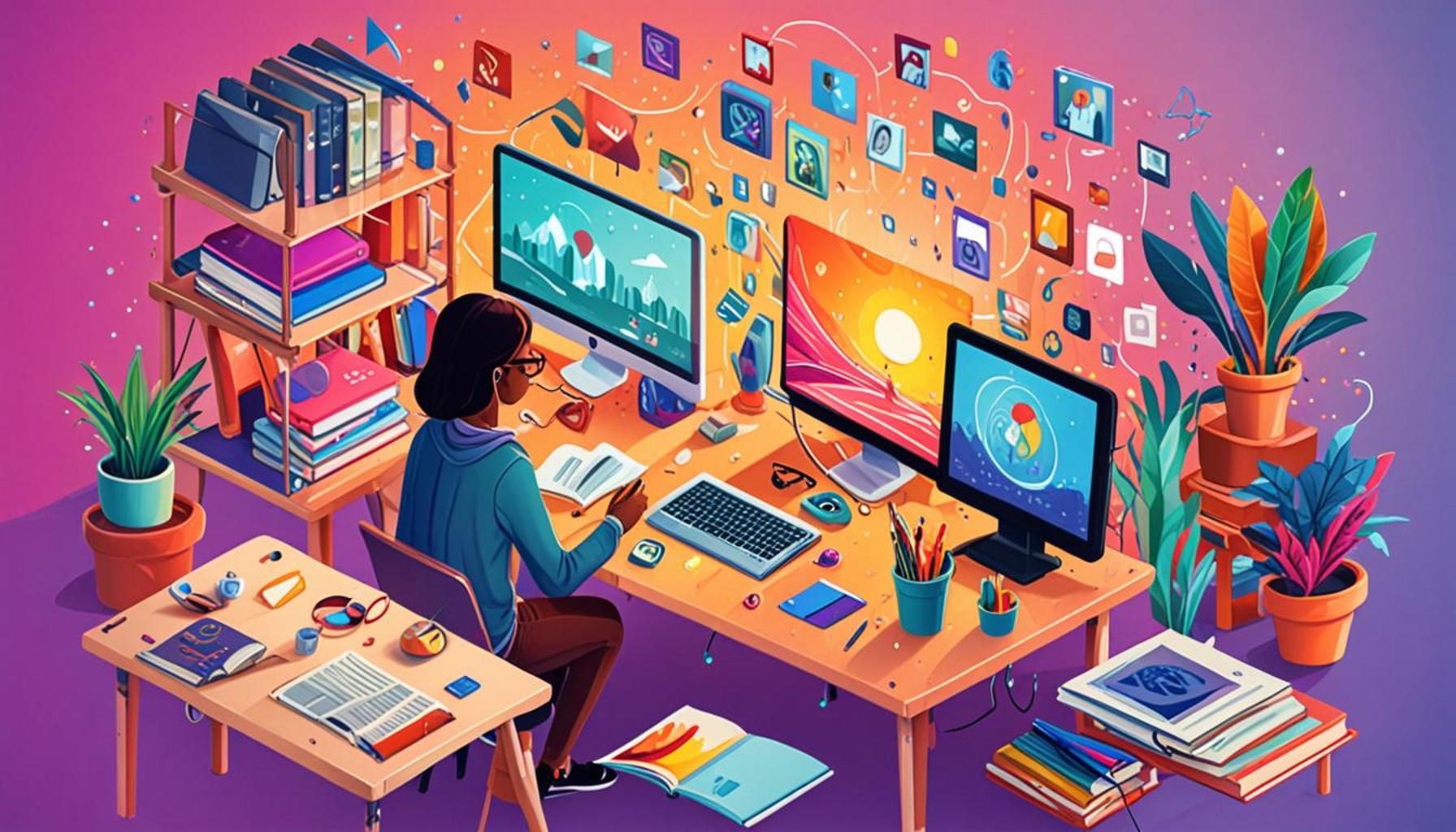
Incorporating Technology and Apps for Skill Acquisition

Embracing Technology in Education
The landscape of skill acquisition is evolving rapidly due to the rapid advancement of technology. With the surge in mobile apps and digital platforms, educational opportunities have been transformed, making learning more accessible than ever before. Individuals can now embark on their educational journeys from the comfort of their homes or even while commuting to work, tapping into a wealth of resources at their fingertips.
Mobile Learning Apps are at the forefront of this transformation. Applications such as Duolingo help users learn new languages through interactive exercises that fit into their daily routines. For example, a user might spend 10 minutes on their commute practicing vocabulary or grammatical structures, allowing for effective microlearning sessions. Similarly, platforms like Skillshare cater to creative learners, offering classes on photography, video editing, and even hand lettering, all designed to entertain and engage.
In addition to mobile apps, online courses from platforms like Coursera and Udemy have democratized education. These platforms provide access to expert-led courses spanning a multitude of subjects, from data science to personal finance, often at a fraction of the cost of traditional educational institutions. For instance, a professional seeking to advance their career might enroll in a project management course on Coursera and apply their new skills immediately in the workplace. With courses available from renowned universities and industry leaders, learners are equipped with the latest knowledge and techniques relevant to their fields.
YouTube has also emerged as a treasure trove of educational content. YouTube tutorials cover an expansive range of topics, offering free and accessible resources for nearly every hobby and profession. Whether a user wants to learn how to cook a gourmet meal or code a website, they can find numerous tutorials that provide step-by-step guidance, catering to various learning styles and skill levels.
As we delve into the various ways technology enhances skill acquisition, it becomes clear that the integration of these tools does not only simplify learning; it also personalizes the experience. Users can track their progress, receive instant feedback, and participate in gamified learning experiences that make education feel more like play than work. This tailored approach to learning helps maintain motivation and engagement, further driving the success of skill development.
In this article, we will further explore the innovative technologies and applications that facilitate skill acquisition. Understanding how these tools can be harnessed for personal and professional development can empower individuals to take control of their learning journeys. Stay tuned as we uncover the dynamic landscape of education in today’s tech-driven world and inspire a future filled with learning possibilities.
DIVE DEEPER: Click here to discover how feedback loops can boost your skill development
Transformative Tools for Learning
In the quest for skill acquisition, the array of technology and apps available today is nothing short of revolutionary. With mobile devices becoming ubiquitous, these tools are not just enhancing traditional learning methods; they are reshaping the entire landscape of education. The flexibility and adaptability of these platforms can cater to a variety of learning styles, facilitating an individualized approach to skill development.
Gamification: Learning Through Play
One of the most striking trends in educational technology is the incorporation of gamification. By integrating game-like elements into learning apps, educators can effectively engage students and adults alike. Apps such as Kahoot! and Quizlet transform mundane study sessions into engaging competitions, encouraging users to interact more deeply with the material. This method of learning has proven particularly effective in areas such as language acquisition and basic mathematics, where repetition and practice are essential.
Research indicates that gamified learning experiences can increase retention rates by up to 50%. Users are more likely to stay motivated when they can earn points, badges, or complete challenges, creating a sense of achievement that traditional educational approaches often lack. These elements not only make learning enjoyable but also instill a sense of community, as users can share their progress and compete with peers.
The Rising Popularity of Microlearning
Another trend worth noting is the rise of microlearning, which breaks content down into bite-sized, easily digestible chunks. Apps such as Blinkist and TED-Ed capitalize on this by offering concise summaries of books, lectures, and educational videos. Microlearning has gained traction due to its ability to fit into the busy schedules of professionals and students alike. Users can quickly acquire new skills or knowledge during short breaks or commutes, making it ideal for those juggling multiple responsibilities.
Emphasizing Personalized Learning Paths
As technology continues to evolve, so too does its capability to create personalized learning paths. Adaptive learning software like Khan Academy and Grammarly uses algorithms to tailor the learning experience based on individual performance and preferences. Such platforms assess progress and adjust the difficulty level, ensuring that learners remain challenged without becoming overwhelmed. This personalized approach not only enhances engagement but also fosters a sense of ownership over one’s educational journey.
- Accessibility: Learning is available at any time, anywhere.
- Variety: Options range from app-based tutorials to comprehensive online courses.
- Flexibility: Users can choose when and how to learn based on their schedules.
In summary, the fusion of technology with education presents an exciting array of possibilities for skill acquisition. From gamification to microlearning, these innovations are transforming how individuals of all ages approach their learning endeavors. As we continue to explore this digital frontier, it is clear that embracing these tools will not only expedite skill development but also enhance the overall learning experience.
Exploring Technological Integration for Skill Development
In today’s rapidly evolving digital landscape, incorporating technology and apps for skill acquisition has become increasingly vital. As more organizations and educational institutions embrace digital tools, learners can benefit immensely from flexible resources tailored to individual needs. This shift not only enhances accessibility but also democratizes learning opportunities across diverse demographics.A plethora of applications can facilitate skill development in various fields, be it language learning, coding, or even soft skills such as communication and teamwork. For instance, platforms like Duolingo and Coursera cater to distinct learning preferences, offering interactive and engaging ways to master new skills. The gamification elements in these apps motivate users to engage and complete lessons, creating a sense of achievement with each milestone.Moreover, data analytics continually refine these platforms, ensuring personalized learning experiences. Users can track their progress, identify strengths and weaknesses, and adapt their learning paths accordingly. As a result, this adaptive learning mechanism fosters an environment conducive to effectively acquiring and enhancing skills.In addition to individual use, businesses are leveraging these technologies for workforce training and development. Many companies have adopted e-learning platforms to equip employees with new competencies conveniently, underscoring the necessity of skill adaptability in today’s workforce. Such initiatives not only bridge skill gaps but also promote employee engagement and retention.To delve deeper into how technology is reshaping skill acquisition, consider the following table highlighting specific advantages & categories related to this crucial theme.
| Category | Key Features |
|---|---|
| Flexibility | Accessible learning at any time or place, accommodating various schedules and lifestyles. |
| Engagement | Interactive elements such as quizzes and gamified challenges that enhance motivation and retention. |
| Personalization | Adaptive learning algorithms adjust content based on user performance for targeted skill development. |
By harnessing the power of technology and apps, the journey toward skill acquisition is not only effective but also engaging, paving the way for the lifelong learning culture critical in today’s professional landscape.
DISCOVER MORE: Click here to unlock your potential
Innovative Platforms for Skill Development
As the landscape of education evolves, a particularly exciting development is the emergence of platforms designed specifically for skill development. These platforms not only offer a wide range of skill-based courses, but they also utilize cutting-edge technology to enhance the learning experience. Websites like Coursera, Udacity, and Skillshare are at the forefront of this trend, providing access to classes taught by industry professionals, often from renowned universities. This democratization of education has made high-quality resources more accessible than ever, allowing individuals from all walks of life to pursue their learning goals.
Interactive Learning Experiences
Moreover, the shift towards interactive learning experiences is noteworthy. Tools like Canva and Codecademy offer users the chance to engage in hands-on projects, combining theory with practice. For instance, while learning graphic design on Canva, users can create real-world projects that enhance their portfolios. Similarly, Codecademy allows aspiring programmers to write code in real-time, receiving immediate feedback that solidifies understanding and promotes confidence. This approach not only makes the learning process more enjoyable but also increases engagement, as users see tangible results from their efforts.
Virtual Reality and Augmented Reality in Education
In recent years, the introduction of Virtual Reality (VR) and Augmented Reality (AR) has further elevated the experience of skill acquisition. Platforms such as Oculus and Google Expeditions allow users to immerse themselves in simulated environments, whether it’s stepping into a historical site or practicing surgery in a controlled setting. These immersive technologies offer unique opportunities for experiential learning, making complex subjects more comprehensible and engaging. For example, medical students can perform virtual surgeries, enhancing their skills without the risks associated with real-life procedures.
Community and Networking Through Online Platforms
Additionally, the importance of community and networking in skill acquisition cannot be underestimated. Platforms like LinkedIn Learning and Meetup not only provide educational resources but also foster connections among learners and professionals. LinkedIn Learning users can engage with experts in their fields and fellow learners, broadening their understanding through shared experiences and discussions. Meetup complements this by organizing local groups focused on skill development, encouraging face-to-face interactions among individuals with similar interests. This sense of belonging can significantly enhance motivation and commitment to continuous learning.
- Cross-Disciplinary Learning: Platforms often offer courses that encourage learners to explore multiple fields, enhancing interdisciplinary skills.
- Global Access: With technology, learners are not limited by geography; they can communicate and collaborate with peers worldwide.
- Market-Relevant Skills: Many apps are designed to keep pace with industry trends, ensuring that learners acquire skills that are actively in demand.
With such a wealth of resources at their fingertips, individuals aiming to enhance their skills are better equipped than ever before. Incorporating technology and apps for skill acquisition not only facilitates learning but also fosters a culture of continuous growth and development.
DISCOVER MORE: Click here to dive deeper
Conclusion: Embracing the Future of Skill Acquisition
In an era where technology is interwoven with nearly every facet of our lives, the approach to skill acquisition has transformed dramatically. As we’ve explored, the variety of innovative platforms, interactive tools, and immersive technologies like Virtual Reality (VR) and Augmented Reality (AR) significantly enhances the learning experience. These advancements not only make education more engaging and practical but also empower individuals to acquire market-relevant skills that are vital in today’s competitive job landscape.
The incorporation of networking platforms and community-driven initiatives underscores the essence of collaborative learning. As learners connect and share experiences, they cultivate a sense of belonging and motivation that can lead to higher rates of skill retention and mastery. The global accessibility brought about by online resources allows anyone, anywhere, to pursue their passions, enhancing opportunities for cross-disciplinary learning and collaboration.
Moreover, technological tools are evolving to meet the demands of the ever-changing market, ensuring that learners are equipped with skills that align with industry trends. As we look toward the future, embracing these advancements in skill acquisition not only facilitates personal growth but also contributes to a more knowledgeable and adaptable workforce. By fully leveraging the potential of technology and apps, we can unlock new pathways for lifelong learning and skill development.
In conclusion, the journey of skill acquisition is no longer limited to traditional classrooms and textbooks. As technology continues to evolve, so does the potential for mastering new skills, making it imperative for individuals to remain curious, proactive, and engaged in their learning journeys.