Leveraging Social Media for Skill Sharing and Learning
Exploring the Dynamic Landscape of Social Media Learning
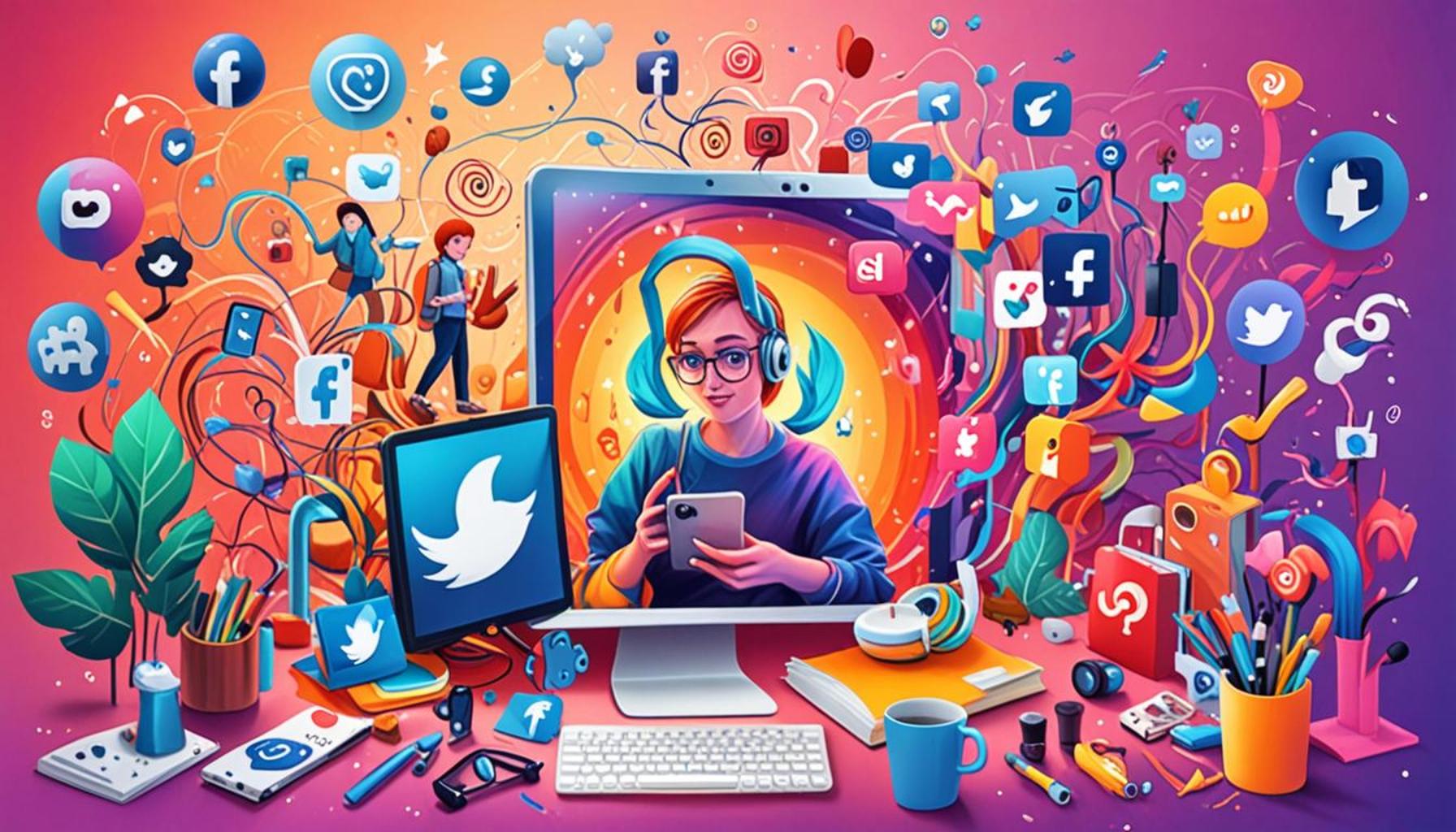
In an era where technology reigns supreme, the role of social media has transformed dramatically. No longer confined to personal connections and casual interactions, platforms like Facebook, Instagram, YouTube, and LinkedIn have matured into vital educational tools. They have become hubs for skill sharing and interactive learning, empowering users to tap into vast reservoirs of knowledge.
The proliferation of live classes on platforms such as Facebook and Instagram offers remarkable opportunities for real-time engagement. Educators and professionals can host live sessions to share their expertise on various topics. For instance, wellness coaches may conduct live yoga or meditation classes, while software developers can provide coding workshops. This immediacy not only enhances the learning experience but also fosters a sense of community among participants, as they can ask questions and receive feedback on the spot.
Meanwhile, platforms like YouTube and TikTok have become treasure troves of video tutorials. From DIY home improvement projects to complex scientific concepts, users have access to a world of “how-to” content at their fingertips. A particularly popular example is TikTok’s niche accounts that simplify cooking recipes, making culinary skill acquisition accessible to even the busiest individuals. This shift towards bite-sized learning aligns perfectly with the fast-paced lives many people lead today.
Moreover, LinkedIn has revolutionized the way professionals connect and grow their careers. Through its vast network, individuals can share insights, participate in discussions, and even take part in webinars hosted by industry leaders. Networking through such platforms fosters collaboration and encourages the sharing of best practices, allowing users to glean knowledge from the experiences of others.
With over 300 million active users in the U.S. alone, the potential for knowledge exchange is astounding. Social media not only complements traditional educational structures but also provides unique avenues for personal and professional growth. Engaging with a diverse community of learners can inspire new ideas, encourage innovative thinking, and significantly enhance one’s skill set.
As we delve deeper into the mechanics of using social media for learning and skill sharing, we will uncover effective strategies to maximize your educational journey. From optimizing your online presence to leveraging community interactions, these insights will equip you to navigate this vibrant digital landscape with confidence and creativity.
DISCOVER MORE: Click here to dive deeper
Unlocking the Power of Social Media for Skill Enhancement
As we explore the multifaceted ways social media is revolutionizing the realm of skill sharing and learning, it’s essential to recognize the diverse opportunities available to individuals eager to expand their knowledge base. At the core of this transformation lies the user-generated content phenomenon, where everyday users become educators, mentors, and guides. This shift not only democratizes knowledge but also cultivates an environment where skills are shared globally, transcending geographical barriers.
Social media platforms encourage a range of participatory learning experiences. For example, Facebook Groups and Slack channels serve as virtual classrooms where users can engage directly with experts and peers. These spaces allow for the sharing of resources, brainstorming sessions, and collaborative projects. The multifaceted nature of these groups often leads to unexpected insights and valuable social connections, enriching the learning experience. Participants can:
- Post questions and receive feedback from multiple perspectives.
- Access resources such as e-books, articles, and videos shared by other group members.
- Engage in collaborative projects that enhance real-world applications of their skills.
These communal environments exemplify the shift from traditional solitary learning methods to interactive and community-driven experiences. The collaborative model not only motivates participants but also enhances retention of information through discussion and active engagement. For instance, a user interested in digital marketing can find mentorship in private Facebook groups tailored to marketing professionals, fostering both networking and skill development.
Furthermore, with the rise of social media influencers and content creators, specialized knowledge has become more accessible. Platforms like YouTube are teeming with channels dedicated to specific trades and artistic skills, attracting millions of subscribers interested in honing their craft. From graphic design to photography, the variety of content available caters to all learning styles. Users can watch tutorials on trending software, follow along with DIY projects, or even partake in guided practice sessions. One notable data point reveals that YouTube alone boasts over 2 billion logged-in monthly users, representing a staggering potential audience for learners seeking new skills.
Another crucial aspect of leveraging social media for learning is the integration of micro-learning—a powerful approach tailored to busy lifestyles. Social media’s bite-sized content format allows learners to absorb information quickly and efficiently. TikTok, for instance, popularized short videos that convey complex ideas in under a minute. Subjects ranging from basic coding principles to advanced cooking techniques have been distilled into engaging snippets, making it easier for individuals to incorporate learning into their daily routines.
Moreover, the gamification of learning through social platforms adds an element of excitement. Users can earn badges, complete challenges, and score points for their learning progress, turning skill acquisition into a rewarding experience. As users explore creative trends, they not only learn from the content itself but also from community interactions, reinforcing their understanding through application and practice.
In summary, leveraging social media for skill sharing and learning opens up an array of innovative possibilities for individuals across the globe. By recognizing the tools at our disposal and actively engaging in these expansive online communities, we can transform our educational journeys and enhance our personal and professional growth.
| Advantages | Insights |
|---|---|
| Increased Accessibility | Social media platforms allow individuals to connect with resources globally, making skill-sharing opportunities more accessible than ever. |
| Collaborative Learning | Networking with peers enhances collaborative learning as users share experiences and insights, creating a rich pool of knowledge. |
Continuing on the journey of leveraging social media for skill sharing, it’s essential to highlight how these platforms dramatically increase accessibility to learning resources. By connecting individuals from various backgrounds and geographic locations, social media facilitates a diverse exchange of skills and knowledge. Furthermore, the collaborative aspect cannot be overlooked. Engaging with peers on platforms encourages interactive discussions, elevating the learning experience and driving innovative ideas forward.Users can access tutorials, webinars, and live Q&A sessions that were once limited to physical classrooms or local environments. This newfound connectivity fosters a more inclusive atmosphere, promoting a culture of continuous learning. Whether through platforms like YouTube, LinkedIn, or specialized forums, the opportunities for skill enhancement are abundant and varied, making skill sharing more personalized and effective than previously imagined.Ultimately, as the world becomes increasingly interconnected, the value of social media in the realm of skill sharing and learning continues to grow. Exploring these platforms means not just enhancing your personal skill set, but also being part of a larger community dedicated to shared growth and knowledge exchange.
DISCOVER MORE: Click here to learn how to embrace a positive mindset
Harnessing Networks for Collective Intelligence
One of the standout benefits of utilizing social media for skill sharing and learning is the concept of collective intelligence. This refers to the enhanced problem-solving capabilities that derive from a diverse group of individuals collaborating and sharing their unique expertise. Platforms like LinkedIn not only serve as professional networking sites but also function as valuable resources for skill building. Users can engage in discussions on relevant industry topics, share informative articles, and post questions that incite responses from other professionals. Each contribution adds to a rich tapestry of knowledge, creating a dynamic learning environment.
The power of social networks enables users to connect with mentors or thought leaders who can offer insights and guidance that they may not receive through formal education. For instance, Twitter has become a go-to resource for real-time interactions where users can follow industry experts, participate in live discussions, and access trends in their respective fields. The hashtag phenomenon helps categorize information, making it easier to discover user-generated content relevant to one’s interests. Hashtags like #LearningInPublic or #SkillShare can lead users to resources and conversations that accelerate their personal development.
Moreover, the collaborative nature of social media supports peer-to-peer learning. Platforms such as Discord offer spaces for subject-specific communities where users can attend virtual study groups or participate in casual discussions. The asynchronous nature of these discussions allows individuals from different time zones to collaborate, share insights, and troubleshoot problems together. Such interactions often lead to the co-creation of content, where learners not only absorb knowledge but also contribute to the education of others. This cross-pollination of ideas is particularly valuable in fast-evolving fields such as technology and design.
- Users can share personal experiences, thus enriching the collective understanding of complex topics.
- Participants can collaborate on projects that enhance skills in real-time, mimicking professional environments.
- Feedback loops are created organically, allowing learners to adjust and refine their techniques based on peer evaluations.
As the demand for remote learning continues to rise, social media platforms are increasingly integrating features tailored for educational purposes. For instance, Instagram has emerged as a visual storytelling platform where creators share quick tips and tutorials through Stories and Reels, providing insight into trends and practical skills. With over 1 billion users, this platform reaches a vast audience, allowing niche topics to find their communities. This format not only engages users but helps in developing retention, as visual learning aids can enhance comprehension.
Furthermore, the role of MOOCs (Massive Open Online Courses) is becoming intertwined with social media. Platforms such as Coursera and edX have begun to incorporate social elements—like forums and discussion boards—into their offerings. These MOOCs often promote their courses through engaging social media content, making learning accessible to a wider audience. By following thought leaders on these platforms, students can receive valuable insights that complement their coursework, further enriching their learning experience.
A compelling study by Pew Research indicates that nearly 73% of U.S. adults believe social media has been beneficial for building connections and sharing knowledge. This statistic underscores the potential of social platforms to facilitate relationships that boost educational pursuits. The capacity for social media to foster community-driven initiatives and create mentorship opportunities is invaluable for ongoing skill enhancement.
In essence, the intersection of social media and education is paving the way for a new era of collaborative learning. With the tools for connection readily available, learners are empowered to harness the wisdom of the crowd, fostering a more egalitarian approach to skill sharing and professional development.
DISCOVER MORE: Click here to learn about the power of deliberate practice
Conclusion: The Future of Skill Sharing in a Social Media Era
As we continue to navigate the digital age, leveraging social media for skill sharing and learning emerges as a transformative force poised to redefine how knowledge is exchanged and acquired. The collaborative networks fostered by platforms like LinkedIn, Twitter, and Discord create vibrant ecosystems where individuals can connect, learn, and grow together. The potential for collective intelligence fosters a rich blend of experiences, enabling diverse perspectives to flourish in a way traditional education often cannot replicate.
The capability of social media to bridge gaps in access to knowledge is particularly significant in a time when remote learning is becoming a norm. Visual storytelling on platforms such as Instagram and comprehensive Online Courses that incorporate social elements heralds a new wave of interactive and engaging learning experiences. The dynamic interplay between users sharing insights, asking questions, and creating collaborative content is a true testament to the value of community-driven initiatives. As highlighted by the Pew Research study, a vast majority of U.S. adults acknowledge the benefits that social media brings to communal learning.
In conclusion, the intersection of social media and education produces fertile ground for skill development that is as diverse as its participants. As we look forward, it is essential for users to harness these powerful tools consciously and intentionally, embracing the opportunities for mentorship and peer learning. The promising future of education resides not only in formal institutions but also in the rich, informal training grounds formed through our collective digital interactions. With an engaged community, every user can be both a teacher and a learner, ultimately driving forward the shared pursuit of knowledge.