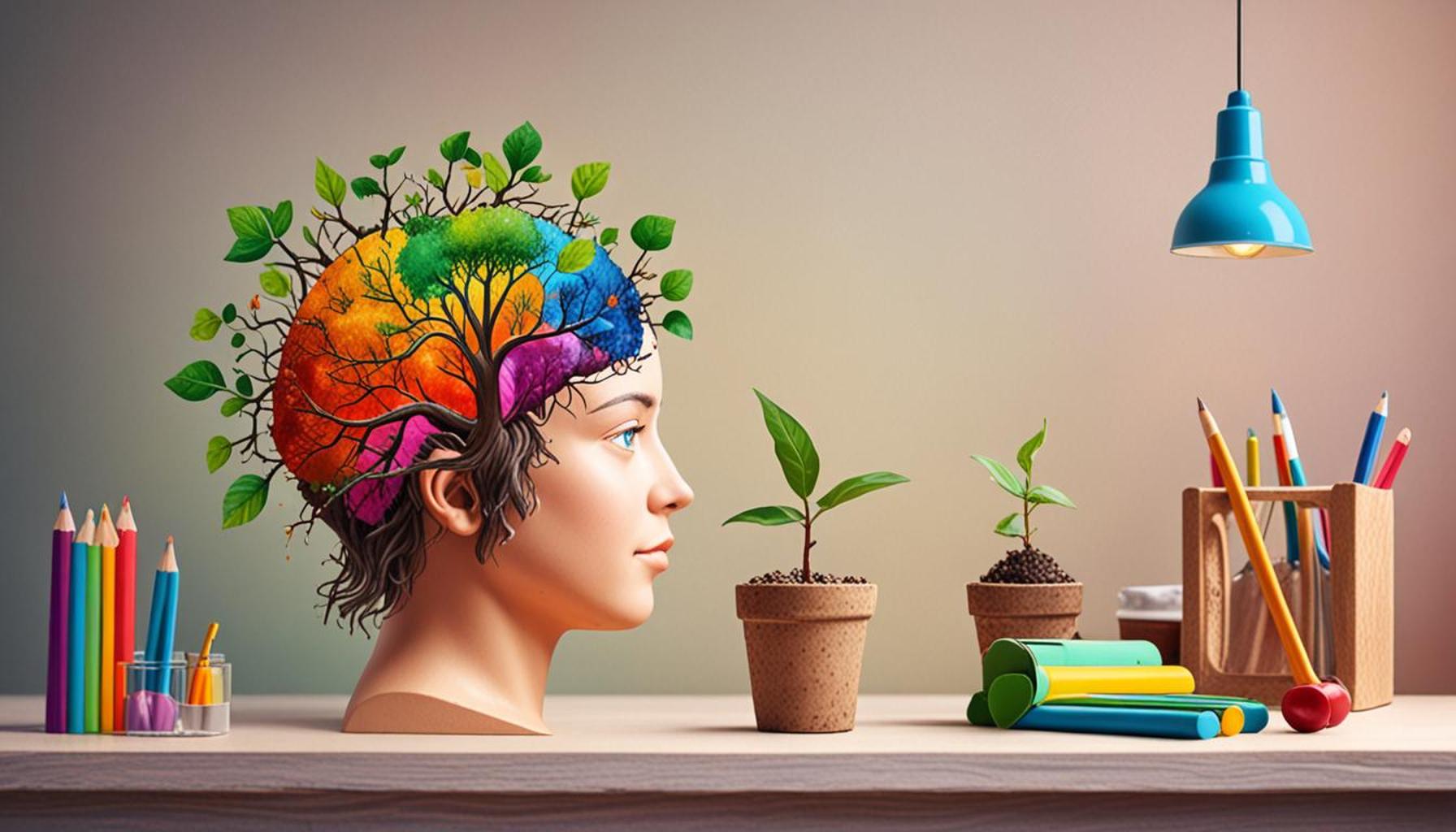
The Role of Emotional Intelligence in Developing a Self-Directed Learning Mindset

Understanding Emotional Intelligence in Learning
In an era where knowledge is readily accessible, the capacity to teach oneself has become a crucial competency across various spheres of life. With the distinction of traditional classroom settings giving way to more personalized learning experiences, the emphasis on developing a self-directed learning mindset cannot be overstated. Such a mindset not only equips individuals to face obstacles but also promotes continuous personal and professional growth.
Central to fostering a self-directed learning approach is the concept of emotional intelligence (EI). Defined as the ability to identify, understand, and manage the emotions of oneself and others, EI plays an instrumental role in how we engage with material, interact with peers, and handle feedback.
Key Components of Emotional Intelligence
The impact of EI on self-directed learning can be explored through several key components:
- Self-awareness: A learner who is self-aware can effectively appraise their strengths and weaknesses. For instance, a college student might recognize that they excel in logical reasoning but struggle with creative writing. This understanding allows them to set targeted and realistic goals, such as dedicating extra time to writing workshops.
- Empathy: The ability to empathize with others enhances collaborative learning environments. For example, in a workplace setting, understanding a coworker’s frustration during a presentation can encourage a more supportive team dynamic. This emotional sensitivity can lead to more effective teamwork and knowledge sharing.
- Self-regulation: Individuals with high EI often possess better self-regulation skills. This skill helps them maintain focus in the face of emotional distractions. For example, a student preparing for finals who can manage their anxiety will likely achieve better results than one who succumbs to stress.
The Influence on Personal Growth
Numerous studies indicate that those with elevated levels of emotional intelligence experience notable advantages in their learning processes. They typically handle stress more effectively, are open to constructive criticism, and maintain motivation even when faced with setbacks. Such resilience is critical in today’s fast-paced world where learning opportunities can sometimes feel overwhelming. Additionally, individuals are often more adept at cultivating meaningful learning experiences when they navigate emotional landscapes adeptly.
The relationship between emotional intelligence and self-directed learning unfolds in everyday scenarios. For instance, an entrepreneur may face rejection from a potential client. Rather than retreating into despair, their high EI allows them to analyze the situation critically, gather constructive feedback, and adjust their approach for future opportunities. The ability to process emotions and learn from them is not just advantageous; it’s essential for achieving sustained success.
In conclusion, the integration of emotional intelligence into learning practices can significantly enrich both personal and professional development. By understanding and harnessing EI, learners can cultivate a more profound engagement with their learning journey, setting them on a path toward lifelong education.
DISCOVER: Click here to enhance your learning techniques
Emotional Intelligence as a Catalyst for Self-Directed Learning
As the landscape of education evolves, the need for a robust self-directed learning mindset becomes imperative. Central to this evolution is the pivotal role of emotional intelligence (EI). Perhaps more than any other trait, EI has the power to influence how effectively individuals engage with learning materials and processes. It acts as a catalyst that encourages learners to take responsibility for their personal growth, thereby enhancing their ability to navigate the often complex emotional terrain of self-education.
To illustrate the impact of emotional intelligence on self-directed learning, one must first recognize that EI encompasses several dimensions that are particularly pertinent to the learning experience. These dimensions allow individuals to connect their emotional understanding to their educational goals.
The Intersection of Emotional Awareness and Learning
Emotional awareness, a core component of EI, significantly shapes the way learners interact with new information. For example, a high school student who understands the emotional triggers behind procrastination can address these feelings head-on and employ strategies to overcome them. This awareness not only facilitates a smoother learning process but also empowers them to engage more deeply with their studies.
Furthermore, emotional awareness enables learners to identify when they need help. A learner who recognizes feelings of overwhelm can seek additional resources or support from mentors. This proactive approach fosters independence, a fundamental characteristic of self-directed learning. Here are some ways emotional awareness manifests in a learning context:
- Recognizing emotional triggers: By identifying specific feelings that hinder their learning, such as anxiety or frustration, students can develop coping strategies.
- Adjusting learning styles: A self-aware learner is better equipped to adapt their study methodologies when they notice that their current approach isn’t yielding results.
- Setting realistic goals: Understanding personal motivations and emotional capacities helps in setting attainable learning objectives, ultimately boosting self-efficacy.
Resilience Through Emotional Regulation
Emotional regulation, another core aspect of EI, enables learners to manage their responses to challenges effectively. Individuals who can control their emotional reactions are more likely to persevere in the face of setbacks. For example, an adult learner returning to education may encounter unexpected difficulties with balancing coursework and personal commitments. Their ability to regulate emotions allows them to reassess their situation, prioritize their responsibilities, and find constructive pathways forward.
Studies suggest that learners with strong emotional regulation skills demonstrate higher levels of persistence and adaptability—qualities indispensable for a thriving self-directed learning mindset. By learning to channel their emotions positively, these individuals are not only likely to achieve their academic goals but also develop valuable life skills that extend beyond the classroom.
In summary, emotional intelligence stands as a cornerstone in the architecture of self-directed learning. It empowers individuals to become more aware of their emotional landscapes, enhances their resilience to challenges, and ultimately fosters a more engaged and proactive approach to learning. By cultivating emotional intelligence, learners can better equip themselves for the demands of a dynamic educational landscape.
The Role of Emotional Intelligence in Self-Directed Learning
Emotional intelligence (EI) is increasingly recognized as a critical factor in developing a self-directed learning mindset. This capability enables individuals to recognize, understand, and manage their own emotions while also being attuned to the emotions of others. The interconnectedness of EI and self-directed learning can significantly impact an individual’s capacity to learn effectively and adaptively.One primary aspect of emotional intelligence is the ability to self-regulate emotions, which facilitates a learner’s ability to cope with challenges and obstacles. For instance, individuals with strong self-regulation are less likely to become overwhelmed by frustration or anxiety. Instead, they can harness these emotions to fuel their motivation and persistence. This resilience is particularly essential in the landscape of self-directed learning, where learners often face uncertain paths and the need for self-motivation.Furthermore, empathy—another critical element of emotional intelligence—enhances collaborative learning experiences. Individuals who can empathize with others benefit from shared knowledge and insights, fostering a greater depth of understanding. This collaborative aspect not only enriches the learning process but also nurtures a communal spirit among peers, thus reinforcing motivation and a sense of belonging.Another significant factor is the awareness of one’s own strengths and weaknesses. Emotional intelligence encourages individuals to reflect on their abilities and areas needing improvement. This reflective practice propels them to seek out resources, mentorship, or guidance more proactively, enhancing their learning journey. Ultimately, such self-awareness transforms learners into active participants in their educational paths rather than passive recipients of knowledge.In the workplace, emotional intelligence is equally crucial, as it influences professional development and interpersonal relationships. Employees with high EI are often better equipped to navigate workplace dynamics, leading to enhanced collaboration and innovation. This correlation highlights the necessity of fostering emotional intelligence in educational frameworks, preparing learners for future challenges.Integrating EI into self-directed learning practices not only empowers individuals to take charge of their learning journey but also cultivates critical social skills that are indispensable in today’s interconnected world. The growing recognition of emotional intelligence as a vital component in education paves the way for innovative strategies that may reshape how self-directed learning is perceived and facilitated.
| Category 1 | Category 2 |
|---|---|
| Self-Regulation | Enhances resilience to emotional challenges, driving motivation. |
| Empathy | Fosters collaboration and shared learning experiences. |
| Self-Awareness | Encourages reflection and proactive resource-seeking for improvement. |
| Workplace Dynamics | Influences professional growth and interpersonal relationships. |
This growing understanding of emotional intelligence’s role in self-directed learning underscores the importance of developing these skills across educational settings, paving the way for more engaged and innovative learners.
DISCOVER MORE: Click here to dive deeper
Building Motivational Strategies Through Emotional Intelligence
Motivation is a crucial element in the equation of self-directed learning. It serves as the driving force that propels learners toward their objectives. Emotional intelligence plays an indispensable role in enhancing motivation by enabling individuals to cultivate intrinsic motivation—a vital aspect for successful self-direction. Intrinsic motivation arises from internal desires and goals, rather than external rewards like grades or praise. Here, emotional intelligence shapes how learners understand their intrinsic motivators, thus fostering a sustainable learning environment.
Harnessing Intrinsic Motivation
A learner with strong emotional intelligence is often adept at identifying what genuinely excites them about a subject. For instance, a college student studying biology may realize that their fascination lies in understanding healthcare innovations. This emotional connection drives them to explore more about the field autonomously. Research indicates that students who link their studies closely to their personal interests often demonstrate greater enthusiasm and engagement, further underscoring the connection between EI and self-directed learning.
- Setting personal learning agendas: With a clear understanding of their interests and motivations, learners can design their study plans around what resonates with them, increasing commitment and excitement.
- Cultivating passion for learning: Emotional intelligence allows individuals to frame learning as an enjoyable experience rather than a chore, leading them to pursue knowledge for its own sake.
- Finding purpose in learning: Recognizing emotions linked to their educational pursuits helps learners draw connections between their studies and broader life goals, thus shaping a robust reason to engage.
Developing Social Skills for Collaborative Learning
The capabilities encompassed by emotional intelligence are not limited to self-awareness and motivation; they also extend to social skills essential for collaborative learning. Self-directed learning does not occur in a vacuum; instead, it often involves engaging with peers, mentors, and the wider community. Those with strong social skills, derived from EI, can effectively communicate their needs, work collaboratively with others, and contribute positively to group dynamics.
For example, a learner embarking on a project may need to seek input from classmates or form study groups. An emotionally intelligent individual can navigate these social interactions with ease, recognizing the value of diverse perspectives. By fostering open dialogue and showing empathy, such learners can enhance not only their educational experiences but also contribute to a supportive learning atmosphere. Key social skills include:
- Active listening: Emotionally intelligent individuals pay attention to their peers, allowing for richer exchanges of ideas and fostering a sense of community.
- Conflict resolution: Collaboration can bring about disagreements, but learners equipped with emotional intelligence can address conflicts constructively, leading to more effective teamwork.
- Building networks: The ability to establish and maintain relationships contributes to networking opportunities, providing avenues for mentorship and shared learning experiences.
Through the lens of emotional intelligence, it becomes evident that developing a self-directed learning mindset is as much about emotional awareness, regulation, and motivation as it is about mastering content. As learners deepen their understanding of themselves and their interactions with others, they equip themselves with a toolkit that not only addresses their educational pursuits but also preps them for lifelong learning.
DISCOVER MORE: Click here to dive deeper
Conclusion: The Intersection of Emotional Intelligence and Self-Directed Learning
As we unravel the intricate relationship between emotional intelligence (EI) and self-directed learning, it becomes increasingly clear that emotional awareness and social skills are essential building blocks for personal and academic success. Emotional intelligence not only fosters intrinsic motivation, compelling learners to pursue studies aligned with their passions and personal goals, but it also enriches the learning experience through effective collaboration and communication with peers and mentors.
The ability to resonate emotionally with educational content enables learners to construct personal agendas that invigorate their pursuit for knowledge. Moreover, EI equips them with vital social skills that enhance teamwork and conflict resolution, ultimately leading to a more fruitful learning community. For instance, students empowered by their emotional intelligence can navigate group dynamics effectively, turning potential conflicts into collaborative solutions. This interaction amplifies not just their learning, but also enriches the experiences of others around them.
In a world where adaptability and lifelong learning are paramount, honing emotional intelligence can be viewed as an indispensable aspect of personal development. It creates a powerful synergy with self-directed learning, preparing individuals to thrive not only in academic settings but also in their future careers. As we continue to explore the vast potential of self-directed learning mindsets, it is evident that emotional intelligence emerges as a pivotal player—transforming not just how we learn but why we learn.