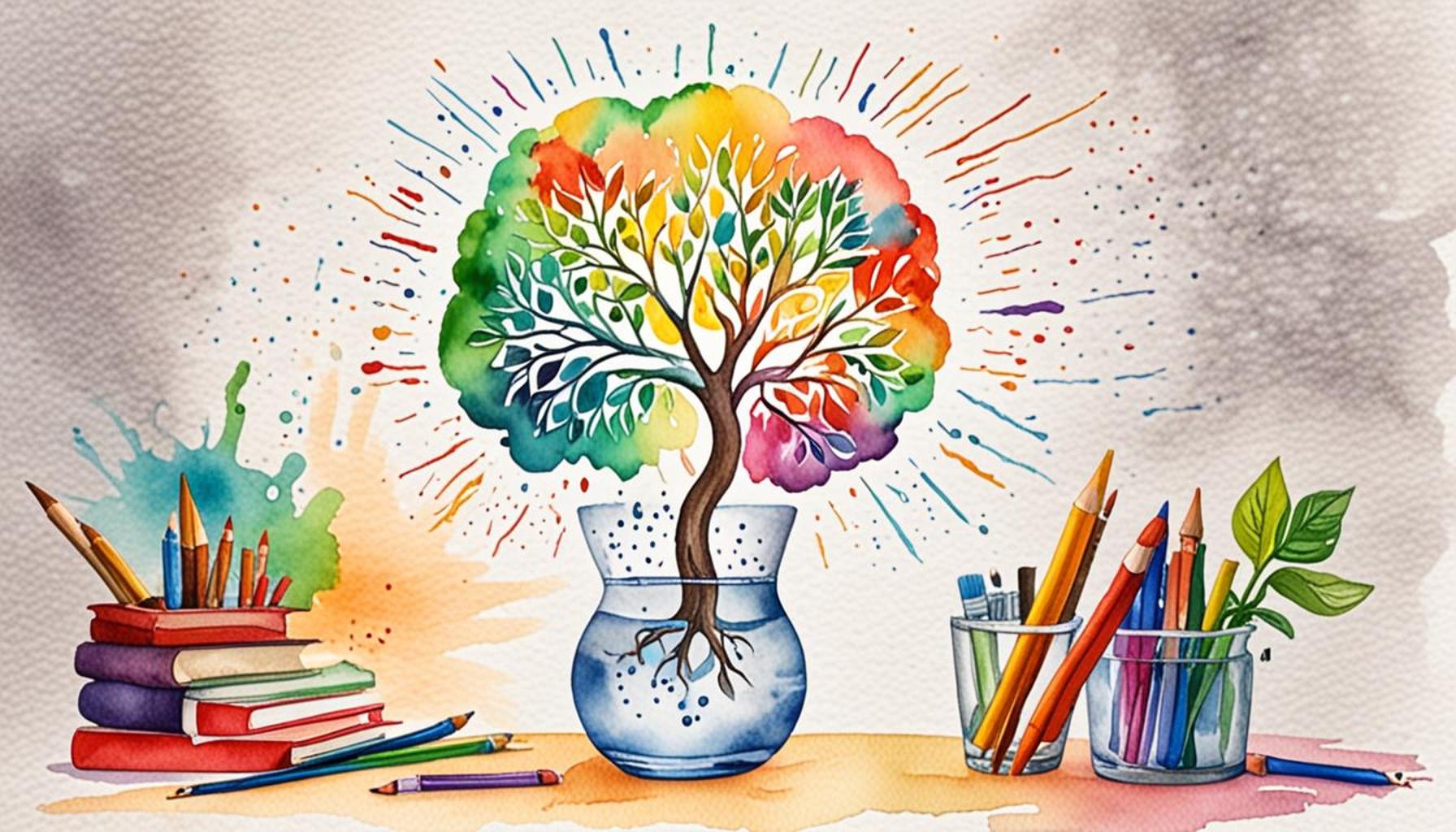
The Intersection of Mindfulness and Self-Directed Learning: Techniques for Skill Enhancement

The Importance of the Synergy Between Mindfulness and Self-Directed Learning
In today’s fast-paced society, individuals are increasingly seeking ways to enhance their personal and professional development. The integration of mindfulness with self-directed learning offers a promising avenue for navigating this journey. This combination not only nurtures growth but also promotes a deeper connection to the learning experience itself.
Understanding the core components of this synergy reveals why it is so effective. Mindfulness, as a practice, encourages an individual to stay present and fully aware of the moment at hand. This heightened state of awareness allows learners to engage more meaningfully with the material they are studying. By paying close attention to their thoughts and emotions, they can identify distractions or obstacles that may hinder their progress. For example, a student practicing mindfulness might realize that their anxiety about an upcoming exam is affecting their ability to concentrate, enabling them to take steps to manage that stress.
On the other hand, self-directed learning allows individuals to take charge of their own educational journeys. This autonomy fosters motivation and commitment, as learners choose topics that resonate with their interests and career aspirations. This method empowers them to explore new skills at their own pace and in their own style. For instance, a professional looking to transition into a new field can curate their own learning resources, seeking out online courses, workshops, and mentorship opportunities that align with their goals.
Combining these two approaches significantly enhances knowledge retention and application. Research has shown that individuals who practice mindfulness while engaging in self-directed learning report better focus, improved emotional regulation, and enhanced problem-solving abilities. These skills are vital, especially in the context of today’s complex work environments.
The benefits of integrating mindfulness into self-directed learning are becoming increasingly recognized across the United States. Reports from educators and trainers indicate that participants experience heightened focus and reduced stress levels, ultimately leading to a more profound learning experience. As they cultivate a routine that incorporates mindfulness—such as breathing exercises or journaling—they also create space for reflection and intentional practice.
In the coming sections, we will delve into practical techniques to weave mindfulness practices into your self-directed learning routines. These strategies can transform the way you approach skill enhancement and expand your horizons—inviting you to not only learn but thrive in your educational endeavors.
DIVE DEEPER: Click here to uncover more insights
Practical Techniques for Integrating Mindfulness into Learning
To fully harness the potential of the synergy between mindfulness and self-directed learning, individuals can employ a variety of practical techniques that enhance skill development while promoting a mindful approach. These techniques not only improve focus and retention but also enable learners to cultivate a positive mindset that is vital for personal and professional growth.
One effective strategy is the incorporation of mindful breaks. In the midst of studying or engaging with new material, taking short, intentional breaks can refresh the mind and enhance cognitive functioning. Techniques such as deep breathing exercises or brief meditative practices can help learners reset their focus. For instance, a five-minute guided meditation focusing on breath awareness can significantly reduce stress levels, allowing individuals to return to their studies with a clearer mind and heightened motivation.
Additionally, using journaling as a mindfulness practice can foster self-reflection and active learning. Keeping a learning journal encourages individuals to document their thoughts, feelings, and insights throughout their self-directed learning journey. This not only promotes metacognition—the awareness of one’s own learning processes—but also helps identify patterns in progress and areas for improvement. By regularly reviewing these entries, learners can pinpoint effective strategies and obstacles they face, allowing for continuous adaptation and growth.
Here are some additional techniques to consider when merging mindfulness with self-directed learning:
- Goal Setting with Intention: By setting clear, intentional goals that align with both personal interests and career aspirations, learners can create a sense of purpose in their educational pursuits. Reflecting on why these goals matter enhances engagement and motivation.
- Mindful Listening: When engaging with learning materials, especially in collaborative settings or through online courses, practicing active listening not only improves comprehension but also fosters deeper connections with peers and mentors.
- Visualization Techniques: Visualizing the skills or knowledge one aims to acquire can lead to improved retention and a more enjoyable learning experience. This technique can also bolster confidence during challenging study sessions.
Empirical studies reinforce the value of these techniques, indicating that individuals who integrate mindfulness practices into their self-directed learning experiences demonstrate markedly improved academic performance and enhanced emotional regulation. According to recent research published in educational psychology journals, participants reported a 30% increase in their ability to focus and retain information after consistently practicing mindfulness in conjunction with their learning activities.
By embracing these strategies, individuals shape their approach to skill enhancement while fostering a mindfulness-oriented mindset. The quest for knowledge becomes not just about acquiring skills but about nurturing a holistic learning experience—one that invites self-discovery and celebrates progress every step of the way.
| Advantages of Mindfulness | Role in Self-Directed Learning |
|---|---|
| Enhanced Focus | Mindfulness promotes deep concentration, enabling learners to manage distractions effectively. |
| Emotional Regulation | Developing resilience and self-awareness helps learners to navigate challenges and setbacks gracefully. |
| Stress Reduction | Engaging in mindfulness practices reduces anxiety, creating a conducive environment for learning. |
| Increased Creativity | Mindfulness fosters a sense of openness, which can enhance innovative thinking and problem-solving skills. |
The profound relationship between mindfulness and self-directed learning sets a transformative platform for individuals looking to enhance their skills effectively. The integration of mindfulness techniques into the realm of education has the potential to cultivate an environment of heightened awareness and intentionality. As one engages in mindful practices, such as meditation or breathing exercises, the ability to focus improves, leading to better retention and understanding of material. Furthermore, incorporating mindfulness into self-directed learning empowers individuals to take control of their educational journey. With improved emotional regulation, learners are more equipped to embrace challenges without succumbing to stress. This not only enriches the learning process but also enhances overall psychological well-being. Moreover, the practice of mindfulness encourages creative thinking, allowing learners to approach topics from multiple perspectives, generating novel solutions and insights. By harmonizing these practices, individuals can structure their learning experiences in ways that are both fulfilling and impactful, vastly improving their skill enhancement journey.
DISCOVER MORE: Click here to enhance your learning journey
Leveraging Technology to Enhance Mindfulness in Learning
In today’s digital age, technology serves as a powerful ally in fostering both mindfulness and self-directed learning. Numerous tools and applications have emerged that specifically cater to the needs of learners who desire to integrate mindfulness into their educational journey. These resources not only facilitate skill enhancement but also create engaging environments for self-discovery and reflection.
One innovative approach is the use of mindfulness apps. Applications such as Headspace and Calm offer guided meditations and relaxation techniques that learners can access at any time. By incorporating these brief sessions into their daily study routines, individuals can effectively manage stress, sharpen their focus, and cultivate a sense of presence. Research supports the efficacy of these apps, showing that users experience a greater sense of emotional balance and productivity, which translates directly into their learning outcomes.
Another example of technology’s role in promoting a mindful learning experience is through the use of online learning platforms that embed mindfulness practices into their curricula. For instance, platforms like Coursera and Udacity have begun to integrate techniques that encourage self-reflection, such as prompts for journal entries or sections dedicated to mindfulness exercises relevant to specific subject matter. Engaging with these resources can empower learners to take ownership of their education while nurturing a mindful approach.
- Interactive Learning Environments: Virtual reality (VR) and augmented reality (AR) technologies are beginning to create immersive learning experiences, allowing users to engage with complex concepts mindfully. For example, medical students can practice surgical procedures in a simulated environment, which can reduce anxiety and build confidence—key components of a successful learning process.
- Accountability and Support Networks: Online forums and social media groups can serve as platforms for peer support, where learners share their mindfulness practices and learning experiences. Accountability, when combined with mindfulness, can enhance motivation and deepen commitment to personal growth and development.
- Gamification of Learning: Employing game-like elements in educational contexts can motivate learners and create a more immersive experience. For instance, platforms that reward users for completing mindfulness exercises or learning modules can reinforce positive habits and create lasting enthusiasm for skill enhancement.
Moreover, cultivating a mindful digital presence is essential in navigating the vast resources available online. Being intentional about which materials one engages with and how much time is spent on certain platforms can foster a more productive learning experience. Meta-cognitive strategies such as regular evaluations of one’s digital habits help learners streamline their use of technology and focus on content that aligns with their learning objectives.
It is worth noting that the integration of mindfulness into digital learning should be approached with care. Over-reliance on technology can lead to distraction rather than enhancement. Therefore, learners must strike a balance, ensuring that their use of digital resources supports their mindfulness practice rather than detracts from it. Maintaining this equilibrium is crucial in optimizing both skill enhancement and personal development.
As individuals navigate the crossroads of mindfulness and self-directed learning, it is clear that technology can play a transformative role. By utilizing available tools and strategies mindfully, learners can create enriching educational experiences that inspire continuous growth and adaptability in an ever-changing landscape.
DISCOVER MORE: Click here to learn about the importance of curiosity
Conclusion: Embracing Mindfulness for a Richer Learning Experience
As we have explored the intersection of mindfulness and self-directed learning, it becomes evident that these two realms significantly enhance skill acquisition and personal growth. By incorporating mindfulness practices into daily study routines, learners can cultivate a heightened awareness of their thoughts, emotions, and learning environments. This self-awareness not only enriches the educational experience but also promotes resilience in the face of challenges.
The transformative power of technology plays a pivotal role in this journey, providing resources that seamlessly integrate mindfulness into education. From mindfulness apps that encourage mental clarity to online learning platforms that emphasize self-reflection, these tools are designed to support individuals in both honing their craft and nurturing their inner selves. Engaging with interactive environments and creating collaborative support networks adds another layer of depth, allowing for a more communal and connected learning experience.
However, a mindful approach to learning must extend beyond reliance on technology. It requires a conscious effort to maintain balance, ensuring that the tools we utilize foster growth rather than distraction. By practicing intention in our digital interactions, we can maximize the benefits of our learning experiences.
Ultimately, embracing mindfulness in self-directed learning invites a holistic approach to education—one that empowers individuals to explore their passions, adapt to new challenges, and enhance their skills in an ever-evolving world. As more learners recognize the importance of this synergy, the future of education promises to be richer and more fulfilling.