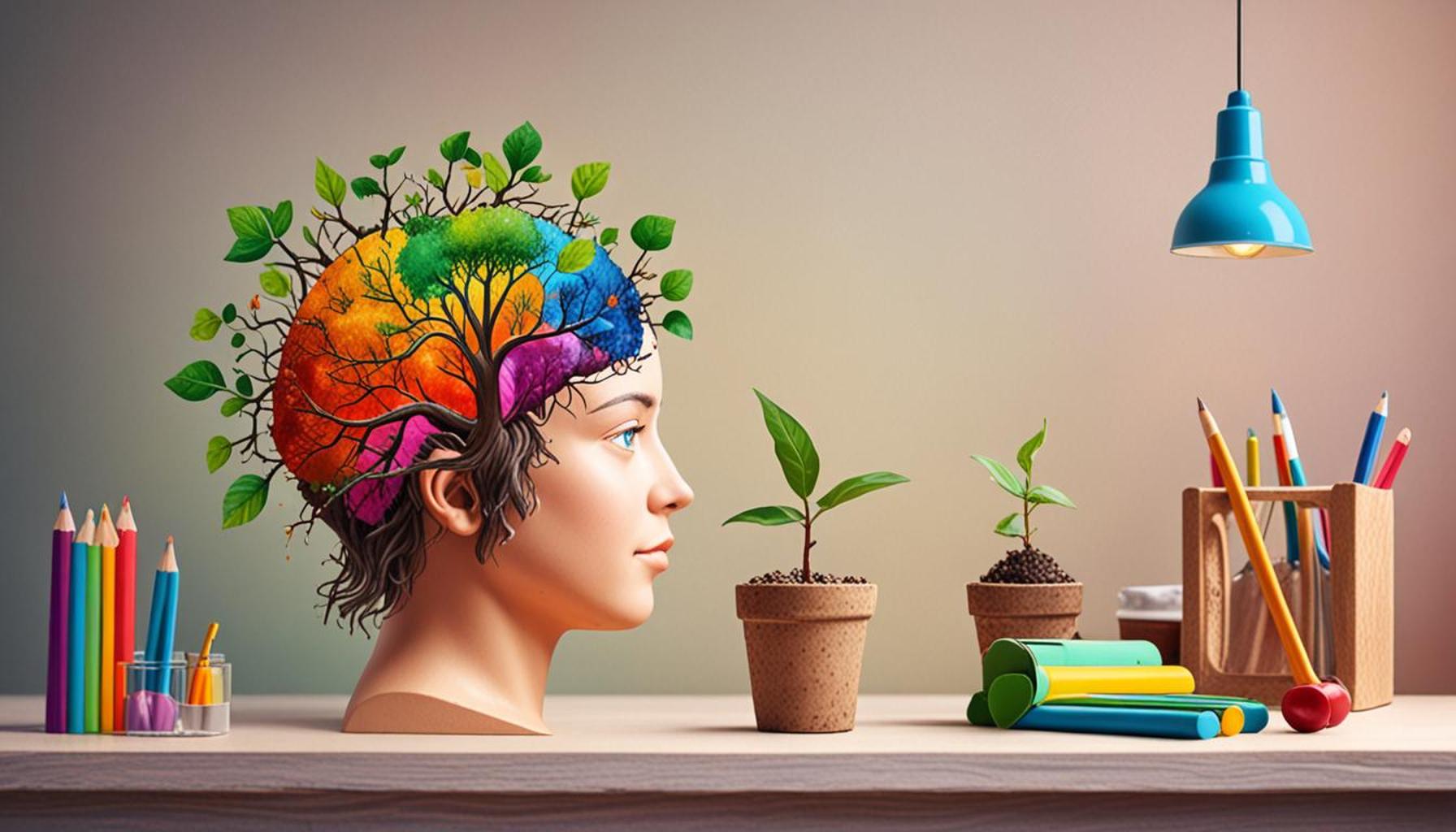
Leveraging Mindfulness Practices to Enhance Self-Learning

Unlocking Self-Learning with Mindfulness
In a world buzzing with information, where distractions lurk at every corner, taking control of one’s learning process can seem like a daunting task. Yet, by intertwining mindfulness practices into your daily educational routine, you can transform the way you approach learning. Mindfulness—simply put, is the art of being present and fully engaged with the current moment. This profound shift not only enhances your understanding but also creates a more fulfilling educational experience.
The practice of mindfulness encompasses various techniques that can lead to notable benefits, particularly in learning. Here are some compelling advantages:
- Enhanced Focus: One of the primary benefits of practicing mindfulness is an improved attention span. By regularly engaging in mindfulness exercises, such as focused breathing or meditation, learners can train their brains to concentrate better, thus allowing for more profound absorption of new material. For example, a student might find that, after a short meditation session, they can dive into studying for exams with a clearer mind and heightened concentration.
- Emotional Regulation: In moments of pressure, anxiety can become a significant barrier to effective learning. Mindfulness practices, like guided imagery or body scans, can help alleviate stress, fostering a clearer mindset. A 2019 study published in the Journal of Educational Psychology found that students who practiced mindfulness reported lower levels of stress and higher engagement in their studies, demonstrating the tangible benefits of emotional regulation.
- Increased Retention: The heightened state of awareness cultivated through mindfulness allows for better memory retention and recall. By being present when learning new material, individuals can strengthen their neural pathways. Techniques such as summarizing what you’ve learned at the end of a study session can further cement this information in your memory.
- Self-Discipline: Commitments to regular mindfulness practices can instill a sense of discipline in learners. Monitoring your mindfulness journey can also foster consistency in your educational endeavors. Setting aside time each day for a mindfulness routine, such as morning meditation or evening reflection on the day’s learning, can reinforce positive habits and enhance accountability.
Empirical research backs the effectiveness of these techniques; even brief daily mindfulness exercises have been shown to yield significant advancements in cognitive performance. For instance, studies indicate that just five minutes of mindfulness meditation can lead to measurable improvements in attention and emotional regulation. Simple practices such as mindful walking or even engaged listening during lectures enable students to internalize material better than ever before.
As you embark on your journey of self-directed learning, remember that incorporating mindfulness could be pivotal in unlocking your true potential. Venture into various mindfulness techniques, experiment with them, and witness as they enrich your learning capacity and personal growth. The journey to self-education can be overwhelming, but with mindfulness, it becomes not only achievable but also enlightening.
DISCOVER MORE: Click here to dive deeper
Mindfulness Techniques to Foster Effective Learning
As the educational landscape evolves, mindfulness practices offer innovative tools to navigate personal learning journeys. The implementation of mindfulness in self-learning settings, whether in formal education or independent study, can streamline the learning process and enrich the overall experience. Below are several specific techniques that can seamlessly fit into the framework of self-directed learning:
- Mindful Breathing: One of the simplest yet most impactful mindfulness techniques is mindful breathing. To implement this, find a quiet space and dedicate a few minutes to focus solely on your breath. Inhale deeply and exhale slowly, allowing thoughts to drift by without engagement. This practice not only calms the mind but also primes it for focused learning. A study from the University of California has shown that even a brief session of mindful breathing can enhance learning capacity by reducing distractions.
- Daily Journaling: Reflective journaling combines mindfulness and writing, providing a dual approach to enhancing self-learning. Set aside time each day to jot down your thoughts, feelings, and the lessons learned. This not only helps in solidifying the information but also encourages emotional awareness, which can lead to better learning outcomes. Research indicates that individuals who engage in daily journaling experience improved retention rates up to 30% higher than their non-journaling peers.
- Mindful Eating: While not typically associated with academic learning, mindful eating teaches presence and focus, essential skills for any learner. Take a moment during meals to savor each bite, paying attention to flavors and textures. This practice encourages the brain to “reset” itself, making it easier to absorb new material afterward. Students often report feeling more attentive and less distracted during study sessions when they incorporate mindful eating into their routines.
- Guided Visualization: Visualization techniques can enhance creativity and problem-solving abilities, which are essential components of effective learning. By picturing a successful learning scenario, whether it’s mastering a new concept or completing a challenging project, students can bolster their confidence and motivation. Evidence suggests that athletes and learners alike benefit greatly from mental rehearsals, demonstrating significant advancements in their respective fields.
Beyond these techniques, the integration of mindfulness into self-learning promotes meta-cognitive awareness—the ability to reflect on one’s own learning processes. This awareness helps learners identify their strengths and weaknesses, enabling them to adapt strategies that work best for their individual learning styles. Furthermore, it nurtures resilience, as students learn to approach challenges with a calm and clear mindset.
As you explore these mindfulness techniques, you may find that they not only enhance your ability to absorb information but also cultivate a deeper sense of connection to the material you are engaging with. By being fully present and mindful, learning transforms from a chore into a more enriching, self-aware process. Ultimately, the goal is to create an educational journey that is as engaging as it is effective, and mindfulness is a key player in achieving that balance.
Leveraging Mindfulness Practices to Enhance Self-Learning
In recent years, the integration of mindfulness practices into self-learning strategies has garnered significant attention. By cultivating mindfulness, learners can achieve a heightened state of awareness that fosters better focus, retention, and comprehension of material. Engaging in mindfulness techniques such as meditation, deep-breathing exercises, and progressive muscle relaxation can reduce stress and anxiety levels, creating a conducive environment for effective learning. When learners experience reduced mental clutter, they can absorb information with greater ease and clarity.
| Mindfulness Benefits | Key Features |
|---|---|
| Enhanced Focus | Mindfulness sharpens focus, allowing learners to concentrate better on tasks. |
| Stress Reduction | Practicing mindfulness helps mitigate stress, enabling smoother learning experiences. |
Furthermore, incorporating mindfulness practices can lead to improved emotional intelligence. Learners gain greater insight into their thoughts and feelings, which aids them in managing challenges more effectively. Emotional resilience built through mindfulness can enhance motivation, empower learners to develop problem-solving skills, and foster a stronger connection with the learning material itself.
As the education landscape continues to evolve, integrating mindfulness into self-learning practices offers a unique approach that holds promise for learners of all ages. By exploring new mindfulness techniques, individuals not only enhance their learning journey but also invest in their overall well-being.
DIVE DEEPER: Click here to discover more
Creating a Mindful Learning Environment
To further leverage mindfulness in self-learning, it’s essential to cultivate a mindful learning environment. This space should not only support your physical needs but also promote mental clarity and emotional well-being. Here are several strategies to design an environment conducive to effective learning:
- Declutter Your Space: A cluttered environment can lead to a cluttered mind. Spend time organizing your workspace by removing distractions and excess items that serve little purpose. Studies have indicated that individuals in tidy environments can focus better and are less prone to stress, significantly enhancing their learning capabilities.
- Incorporate Nature: Integrating elements of nature into your learning space can foster tranquility and focus. Studies suggest that exposure to natural environments, even through images or plants, can reduce anxiety levels and boost cognitive function. Consider adding a small plant to your desk or utilizing green-themed artwork to cultivate a serene learning atmosphere.
- Control Your Technology: While technology can be a powerful learning tool, excessive use can also become a source of distraction. Establish specific times for engaging with devices to minimize disruptions during your study sessions. Use apps designed for mindfulness practice, such as timer applications that remind you to take breaks or engage in mindful reflection.
- Set an Intention: Before each study session, take a few moments to set clear intentions about what you hope to achieve. This practice aligns your focus with your learning objectives and establishes a sense of purpose, making it easier to stay engaged with the material. Research shows that individuals who set learning intentions often experience greater satisfaction and motivation, leading to improved learning outcomes.
The Role of Mindfulness in Overcoming Learning Barriers
Mindfulness practices are particularly effective in addressing common barriers to learning, such as anxiety and stress. According to the American Psychological Association, up to 40% of students report experiencing significant stress related to their academic performance. Implementing mindfulness can offer not only strategies for managing these feelings but also pathways for personal growth and resilience.
Stress Reduction: Engaging in structured mindfulness practices such as yoga or guided meditation can significantly reduce stress levels. The National Institutes of Health found that participants who practiced mindfulness showed lower cortisol levels, leading to a more relaxed state conducive to learning. This reduction in stress supports cognitive processes such as memory and problem-solving, enabling learners to absorb and retain information more effectively.
Enhancing Emotional Intelligence: By cultivating mindfulness, individuals also enhance their emotional intelligence, a skill critical to navigating social learning environments. Mindful awareness allows learners to better understand their emotional responses and reactions. Research published in the Journal of Educational Psychology indicates that students with higher emotional intelligence are more effective in collaborative learning scenarios, which are increasingly prevalent in modern educational settings.
Encouraging Growth Mindset: Mindfulness can also nurture a growth mindset—the belief that abilities can be developed through dedication and hard work. By becoming aware of negative self-talk and limiting beliefs, learners can reframe challenges as opportunities for growth. Dweck’s research on growth mindset shows that students who embrace this perspective set higher goals and achieve better academic results.
Integrating mindfulness into self-learning cultivates not just knowledge but also the personal growth required to navigate the complexities of the learning experience. By addressing environmental factors and overcoming psychological barriers, mindfulness empowers learners to unlock their full potential.
DISCOVER MORE: Click here to learn about the impact of self-efficacy
Conclusion
In the ever-evolving landscape of education, leveraging mindfulness practices has emerged as a transformative strategy that enhances self-learning. By fostering a dedicated and intentional approach to the learning process, individuals can effectively combat the barriers imposed by stress and anxiety while simultaneously cultivating emotional intelligence and a growth mindset. The integration of mindfulness techniques creates an atmosphere where learners feel empowered to explore, reflect, and engage deeply with their materials.
As we have discussed, a mindful learning environment is crucial in supporting not only cognitive engagement but also emotional resilience. The act of decluttering, incorporating nature, managing technology, and setting clear intentions sets the stage for focused learning experiences. These strategies contribute to a space where learners can thrive and absorb knowledge effectively.
Moreover, mindfulness isn’t just a tool for self-regulation; it’s a gateway to personal growth and lifelong learning. By adopting mindfulness practices, individuals can develop a profound awareness of their learning styles, enhance their understanding of complex concepts, and harness their emotional responses towards more productive outcomes. As highlighted by significant research, these practices not only benefit academic performance but lay the groundwork for future successes in various life endeavors.
In a world where distractions are abundant and the pressure to perform is high, embracing mindfulness can be the key to unlocking your full potential as a self-learner. As you embark on your learning journey, consider how these techniques can profoundly influence not just what you learn but how you learn. The pathway to enriched self-learning is paved with mindfulness—step onto it and discover the limitless possibilities that await.