
The Power of a Growth Mindset in Self-Directed Learning
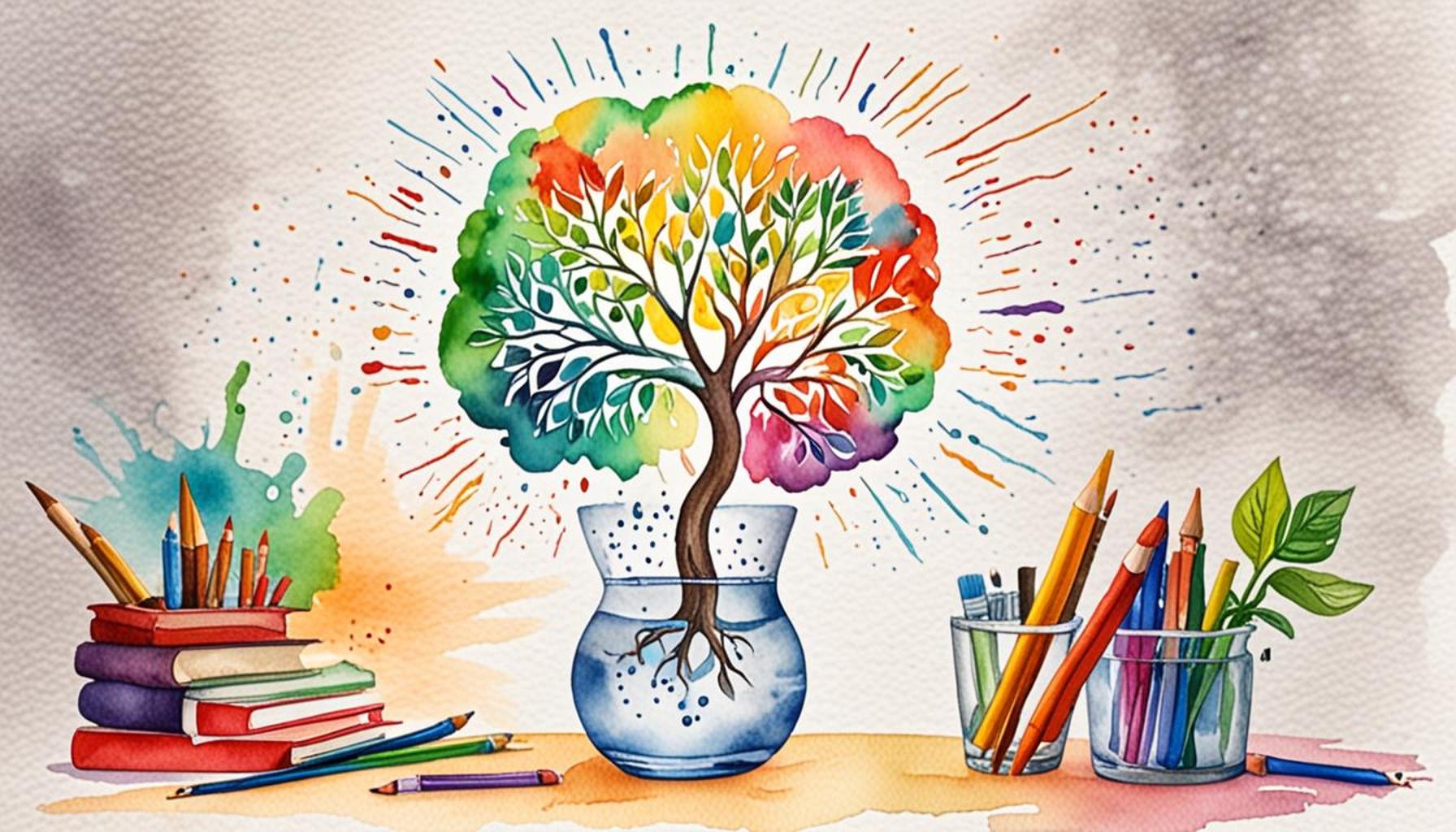
Understanding the Growth Mindset
The concept of a growth mindset has gained traction in recent years, particularly in educational and professional settings. This term was popularized by psychologist Carol Dweck, who defines a growth mindset as the belief that abilities and intelligence can be developed through persistent effort. This contrasts sharply with a fixed mindset, where individuals believe their talents are inherent and unchangeable. By adopting a growth mindset, individuals can foster resilience in the face of difficulties, making self-directed learning not just a possibility but a pathway to success.
Key Features of a Growth Mindset
Understanding the nuances of a growth mindset can significantly impact one’s personal and professional development. Here are some key features that define this empowering mindset:
- Resilience: Individuals with a growth mindset view challenges and failures as stepping stones to personal growth. For example, a student who struggles with a challenging math problem may approach it differently by seeing it as a chance to develop problem-solving skills rather than a reflection of their intelligence.
- Continuous Learning: A growth mindset promotes an ongoing desire to learn and acquire new skills. This can be seen in professionals who engage in continuous education, like enrolled in courses related to their field to enhance their expertise, despite already possessing experience.
- Embracing Failure: Mistakes become a vital part of the learning journey. An entrepreneur might fail in their initial business venture but learn from those missteps to succeed in subsequent endeavors. This view transforms setbacks into valuable lessons, fostering a healthier attitude towards risk-taking.
Advantages of a Growth Mindset in Self-Directed Learning
For self-directed learners, these characteristics facilitate an environment where curiosity thrives, and personal goals become attainable. Studies suggest that those with a growth mindset not only achieve their aspirations more frequently but are also better equipped to adapt to the rapidly changing demands of today’s job market. For instance, tech professionals who embrace lifelong learning by keeping up with the latest programming languages or technology trends often find themselves at an advantage over their peers.
As you embark on your own learning journey, consider how embracing a growth mindset can revolutionize your approach to challenges. Adopting this mindset might not always be straightforward, but the rewards can be significant, leading to notable career advancements and personal satisfaction. Reflect on your experiences, learn to view challenges through a lens of opportunity, and watch as your potential transforms into tangible success.
Conclusion
The journey to self-improvement is ongoing, and nurturing a growth mindset is an invaluable tool in this pursuit. Whether you are a student, a professional, or simply someone seeking personal growth, understanding and implementing the principles of a growth mindset can unlock avenues previously thought unattainable. Dive deeper into the impact this mindset can have on your life, and be prepared to discover the remarkable potential that resides within you!
DISCOVER MORE: Click here to dive deeper
Harnessing the Growth Mindset for Effective Self-Directed Learning
Embracing a growth mindset is not just an abstract theory; it’s a powerful tool that directly influences the effectiveness of self-directed learning. When individuals adopt this mindset, they unlock a vast potential for personal improvement and self-efficacy. With self-directed learning becoming increasingly relevant in today’s fast-paced world, understanding how a growth mindset enhances this process is crucial.
The Impact on Motivation and Engagement
One of the most profound impacts of a growth mindset lies in its ability to enhance motivation and engagement. Individuals with a growth mindset are more likely to embrace challenges and seek new learning opportunities, which increases their overall enthusiasm for the learning process. In a study conducted by researchers at Stanford University, it was found that students who believed they could improve their intelligence through effort performed better academically than those who held a fixed mindset. This finding highlights how a growth mindset not only fuels intrinsic motivation but also leads to greater academic performance.
Strategies for Cultivating a Growth Mindset in Self-Directed Learning
To fully harness the potential of a growth mindset in self-directed learning, individuals can employ various strategies designed to foster this empowering perspective. Here are some effective approaches:
- Set Learning Goals: Clearly defined goals provide direction and motivation. By setting specific, measurable goals, learners can track their progress and celebrate milestones, reinforcing a belief in their ability to grow.
- Reflect on Learning Experiences: Regular reflection allows individuals to assess what worked and what didn’t in their learning journey. This practice acknowledges the importance of learning from failure and viewing challenges as growth opportunities.
- Seek Feedback: Constructive feedback is crucial for personal development. Individuals should actively seek input from peers or mentors, using it as a catalyst for improvement rather than a critique of their capabilities.
- Surround Yourself with Growth-Minded Individuals: Engaging with others who share a growth mindset can provide encouragement and inspiration. Joining study groups or learning communities can foster a culture of support where individuals push each other to reach their full potential.
By implementing these strategies, learners can create a conducive atmosphere for self-directed learning that not only emphasizes skill acquisition but also builds confidence. Each successful experience reinforces the belief that they are capable of growth, ultimately resulting in a more fulfilling learning journey.
Conclusion: The Path Forward
In the rapidly evolving landscape of knowledge and skills, a growth mindset becomes an indispensable asset for anyone engaging in self-directed learning. By actively cultivating this mindset and adopting the strategies outlined above, individuals not only enhance their learning capabilities but also set themselves on a path to success. Embrace the power of a growth mindset, and watch how it transforms your approach to acquiring knowledge, facing challenges, and achieving personal goals.
| Advantages of Growth Mindset | Impact on Self-Directed Learning |
|---|---|
| Fosters Resilience | A growth mindset encourages learners to embrace challenges, which leads to improved problem-solving skills. |
| Enhances Motivation | Learners with a growth mindset are more self-motivated to pursue knowledge independently, increasing their learning opportunities. |
| Encourages Lifelong Learning | Cultivating a growth mindset leads individuals to seek continuous improvement, making learning a lifelong pursuit. |
| Improves Self-Efficacy | Believing in one’s ability to learn boosts self-confidence, leading to more productive self-directed learning experiences. |
The power of a growth mindset in self-directed learning is evident in how these advantages translate into enhanced educational outcomes. Embracing resilience allows learners to view setbacks as opportunities for growth rather than roadblocks. Enhanced motivation ensures learners take ownership of their education, actively seeking resources and solutions. Moreover, this shift promotes lifelong learning, enabling individuals to adapt to evolving knowledge demands. As self-efficacy increases, so does the likelihood of engaging in meaningful learning experiences. These interconnected benefits illustrate how a growth mindset can transform not only individual learning journeys but also broader educational landscapes.
DISCOVER MORE: Click here to learn about the importance of reflection
Overcoming Barriers with a Growth Mindset
Despite the many benefits of a growth mindset, self-directed learners often encounter barriers that can impede their progress. These might include fears of failure, procrastination, or self-doubt. However, by employing the principles of a growth mindset, individuals can learn to navigate these challenges effectively. Research has shown that those who view difficulties as stepping stones rather than obstacles are more likely to persist in their learning efforts.
Empowering Resilience through Reflection
Self-reflection serves as a cornerstone of resilience in self-directed learning. When learners reflect on setbacks, they can identify patterns that need to be changed. A powerful study published in the journal Psychological Science found that individuals who practiced self-reflection by journaling about their learning experiences were better able to cope with challenges. They recognized that struggles were not indicators of their inadequacy but rather essential parts of the learning journey. This simple practice reinforces the belief that improvement comes with effort and adaptability.
The Role of Curiosity and Lifelong Learning
A growth mindset naturally fosters curiosity, an essential trait for successful self-directed learning. In a world characterized by rapid change, staying curious is crucial. According to a report by the Pew Research Center, individuals who possess a strong sense of curiosity are more successful in their ability to retain information and apply knowledge in practical situations. This relationship highlights the importance of fostering a culture of inquiry, encouraging learners to ask questions and explore various subjects without the fear of judgment.
Moreover, embracing a growth mindset positions individuals as lifelong learners. This perspective encourages the pursuit of learning beyond mandatory education, promoting exploration into new domains, skills, or hobbies. A survey by LinkedIn found that over 90% of employees believe continuous learning is crucial for career advancement, emphasizing the need for a growth-oriented approach to learning in the workforce.
Transforming Feedback into Fuel for Growth
The way feedback is approached can significantly influence the effectiveness of self-directed learning. Those with a growth mindset view feedback as an opportunity for growth rather than criticism. A study published in the Journal of Educational Psychology discovered that learners who actively sought constructive criticism demonstrated improved learning outcomes. By recognizing feedback’s role in facilitating improvement, self-directed learners can turn advice and critique into actionable goals, thus enhancing their learning trajectory.
The Importance of Diverse Learning Methods
Another hallmark of a growth mindset is the willingness to explore various learning methods and styles. Traditional education often emphasizes linear paths to knowledge acquisition, but self-directed learners can capitalize on a multitude of resources—ranging from podcasts and online courses to community workshops and mentorships. By diversifying learning techniques, individuals not only discover what works best for them but also develop versatility in skills, broadening their capacities further.
As self-directed learners approach their educational journeys with a growth mindset, they are more equipped to resonate with challenges, learn from every experience, and subsequently adapt their methods to maximize their potential. The blend of resilience, curiosity, and responsiveness to feedback lays a strong foundation for lifelong learning in an ever-evolving world.
DISCOVER MORE: Click here to dive deeper
Conclusion: Embracing a Growth Mindset for Endless Possibilities
In the realm of self-directed learning, the power of a growth mindset is undeniable. It equips learners with the essential tools to transform challenges into opportunities for growth. By embracing resilience through self-reflection, nurturing an innate curiosity, and fostering a commitment to lifelong learning, individuals not only enhance their knowledge but also expand their horizons.
The adaptive nature of a growth mindset encourages learners to seek diverse methods of acquiring skills. As they navigate through various resources—be it online courses, community workshops, or peer feedback—they develop a more nuanced understanding of their learning processes. This adaptability not only heightens engagement but also empowers learners to view feedback as a constructive element in their journey, propelling them toward further improvement.
In a fast-paced and ever-changing world, harnessing the principles of a growth mindset becomes even more critical. With overwhelming evidence supporting the notion that continuous learning is a key driver for success—both personally and professionally—it is clear that cultivating a growth mindset is not just beneficial; it is essential. As we embrace this mindset, we unveil a pathway where learning knows no bounds, making each setback an integral part of our enriching educational journeys.
Ultimately, the journey of self-directed learning is one paved with challenges and triumphs. By embedding a growth mindset into their approach, learners position themselves to thrive, ensuring that their quest for knowledge is not merely a phase but a lifelong endeavor filled with endless possibilities.