The Influence of Neuroplasticity on Self-Directed Skill Acquisition
Understanding Neuroplasticity
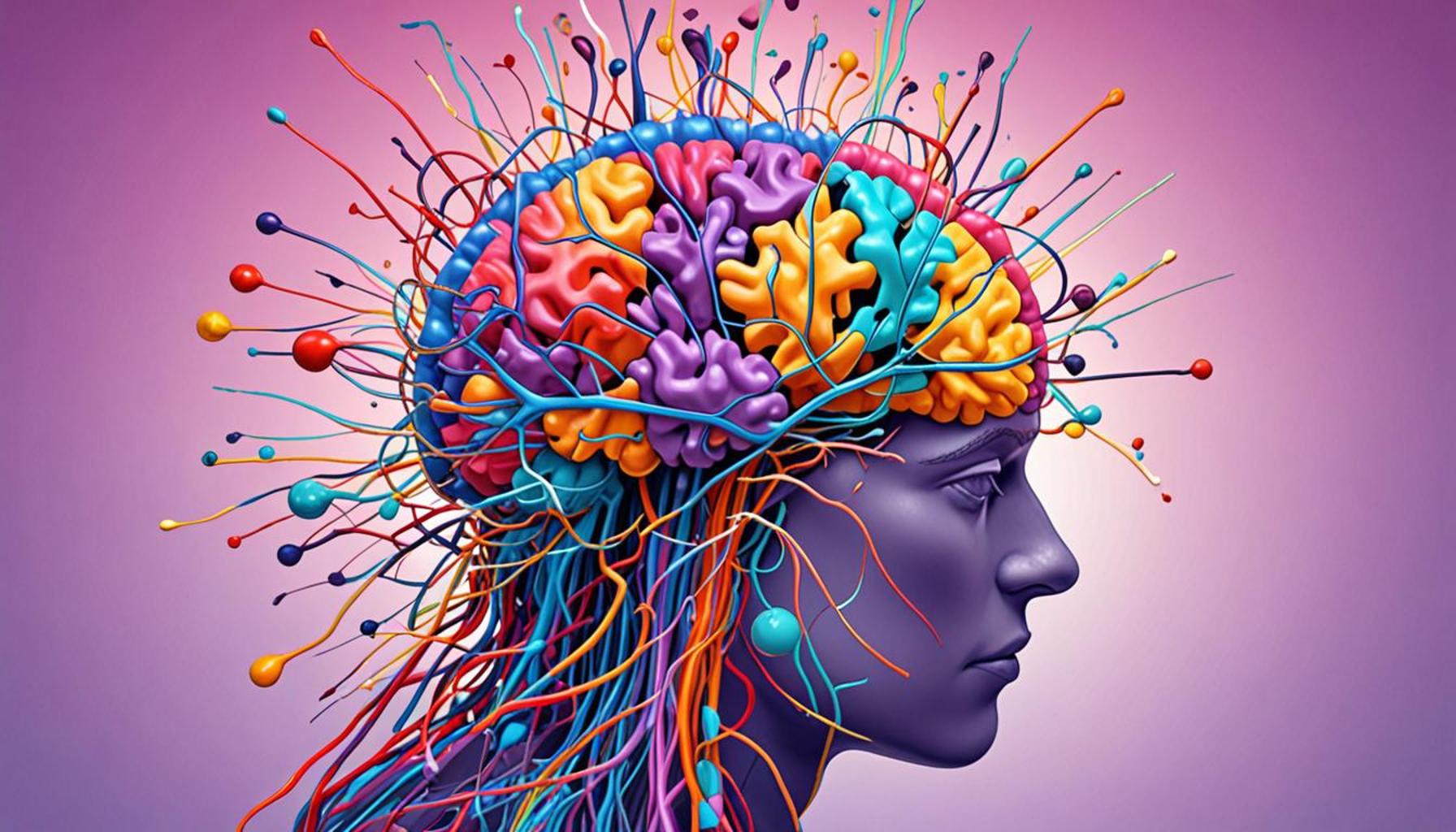
Imagine being able to reshape your brain’s wiring to learn new skills at any age. Neuroplasticity, the brain’s remarkable ability to reorganize itself by forming new neural connections, is crucial in how we acquire self-directed skills. This fascinating concept allows individuals to adapt, learn, and master skills independently, fundamentally altering our understanding of brain functionality.
Neuroplasticity occurs both in response to learning and as a natural process of recovery after brain injuries. For instance, studies show that after a stroke, patients can regain abilities by retraining their brains to utilize different neural pathways. This adaptability underscores that our brains are not fixed but rather dynamic entities that can evolve with experience and practice.
The Power of Self-Directed Learning
Self-directed skill acquisition is about taking control of one’s learning journey. This approach is relevant in various contexts—from education to personal hobbies. Here are a few significant aspects:
- Personalization: Tailoring learning experiences to fit individual needs often leads to deeper engagement. For example, a person interested in programming can select online courses that focus on specific languages like Python or JavaScript, enhancing their learning journey based on personal interests.
- Independence: Encouraging self-motivation and initiative in skill development empowers learners. This could be someone choosing to learn guitar without formal lessons, using resources like YouTube tutorials and practice logs.
- Flexibility: Learning at one’s own pace enables individuals to explore diverse resources. For instance, a working professional might dedicate weekends to learning graphic design, accessing various online platforms that accommodate their busy schedule.
The interplay between neuroplasticity and self-directed learning exemplifies how our brains adapt based on personal effort and commitment. This continual learning process strengthens the neural connections associated with new skills, enabling greater proficiency over time.
Real-World Applications
Through neuroplasticity, everyday individuals have successfully acquired various skills, demonstrating the versatility of this phenomenon. Examples include:
- Musical instruments: Many individuals, regardless of age, pick up instruments like the piano or guitar, illustrating how persistent practice reinforces neural pathways that support musical talent.
- Foreign languages: People immersing themselves in new languages discover that regular practice is essential for understanding nuance and fluency, a dynamic process underscored by neuroplastic changes in the brain.
- Technical skills, like coding: As technology rapidly evolves, many are learning to code through online platforms such as Codecademy or freeCodeCamp, highlighting how neuroplasticity facilitates the acquisition of complex, in-demand skills.
This raises intriguing questions about potential learning methods and resources that can further amplify this innate ability. For example, gamified learning apps not only make the process enjoyable but also leverage neuroplasticity to enhance retention and understanding. As we explore the influencing factors of neuroplasticity, we’ll uncover how they empower self-directed skill acquisition and redefine learning paths, paving the way for lifelong learners to thrive in an ever-changing world.
DISCOVER MORE: Click here to enhance your learning journey
The Interconnection Between Neuroplasticity and Learning
The relationship between neuroplasticity and self-directed skill acquisition is a compelling narrative that reflects the brain’s adaptability and dedication to lifelong learning. Understanding this connection reveals how individuals can harness their brain’s capabilities to cultivate new skills independently. Each time we engage in a learning process, our brains undergo a fascinating transformation, reinforcing connections or even creating new pathways. This dynamic process provides us with the tools necessary to excel in diverse domains, from art to science.
According to research conducted by neuroscientists, engaging in challenging tasks encourages the brain to rewire itself. This demonstrates that the act of learning is not merely a passive absorption of information but rather an active engagement that fosters growth. Each deliberate effort expended upon mastering a skill triggers changes in the brain, underscoring the principle that with practice comes improvement.
The Role of Motivation and Practice
In the realm of self-directed skill acquisition, two critical components emerge as paramount: motivation and practice. These factors serve as catalysts, propelling individuals toward achieving their learning objectives. When one possesses a clear motivation—be it a desire for personal growth, career advancement, or simply the joy of hobby—this drives the individual to commit time and energy to practice, which in turn fosters neuroplastic changes.
Here are some elements illustrating the importance of motivation and consistent practice:
- Intrinsic motivation: When learners are genuinely interested in acquiring a new skill, they tend to engage more deeply and persistently. This intrinsic drive leads to more frequent practice and consequently, strengthens the associated neural pathways.
- Goal-setting: Establishing clear, achievable goals helps direct focus and instills a sense of purpose. This structured approach often enhances the learning experience by providing measurable outcomes to strive for.
- Consistency: Regular practice, akin to a workout routine, is vital for reinforcing new skills. The more frequently individuals practice, the more their brains adapt, making the acquired skills second nature.
The synergy between motivation, practice, and neuroplasticity creates a feedback loop that intensifies the learning experience. This is particularly evident in adults pursuing skill acquisition later in life. Whether it’s mastering a new language or learning to code, the brain’s ability to adapt proves that age is not a barrier but rather a variable that allows for a unique perspective on the learning process.
As we delve deeper into how neuroplasticity facilitates self-directed learning, it becomes clear that understanding these principles can empower learners to pursue their passions with vigor, redefining the traditional paradigms of education. This realization opens up a world of possibilities, enabling individuals to craft their own learning journeys fueled by curiosity and commitment.
| Advantage | Description |
|---|---|
| Enhanced Learning through Adaptation |
Neuroplasticity enables the brain to reorganize itself by forming new neural connections. This adaptability allows individuals to learn self-directed skills more effectively, paving the way for continuous personal and professional development. |
| Improved Memory Retention | By engaging in activities that stimulate neuroplasticity, those pursuing self-directed skill acquisition can experience enhanced memory retention, making it easier to acquire and apply new knowledge in various contexts. |
Exploring the dynamics of neuroplasticity reveals profound implications for how we approach self-directed skill acquisition. For instance, studies have shown that repeated practice not only solidifies newly formed skills but also fosters brain efficiency in related areas. As individuals persistently engage with their craft, whether through music, sports, or other creative outlets, the brain’s wiring adapts, optimizing pathways for quicker and more efficient performance.In addition to physical abilities, cognitive skills such as problem-solving and critical thinking also benefit from neuroplastic changes. The intentional practice of self-directed learning cultivates a mindset that champions lifelong learning, fostering resilience and innovation. Consider how mastering a complex programming language or a new artistic technique can transform both personal outlooks and professional prospects, illustrating the powerful interplay of dedication and neurological growth.Through understanding and harnessing the potential of neuroplasticity, individuals can not only enhance their skill set but embark on a journey toward personal transformation. Exploring further into how various strategies maximize this potential can yield valuable insights for aspiring learners and educators alike.
LEARN MORE: Click here to discover solutions
The Impact of Environment and Social Interaction
The environment in which one learns is a pivotal factor influencing neuroplasticity and self-directed skill acquisition. Our surroundings, including physical spaces and social interactions, can either enhance or hinder our capacity to learn new skills. Neurological research suggests that stimulating environments promote cognitive engagement, optimizing the brain’s potential for change and adaptation.
Consider, for instance, the concept of the learning environment. A space filled with resources, collaborative opportunities, and a culture that encourages exploration can invigorate the learning process. Libraries, makerspaces, and even online communities provide rich panoramas where learning extends beyond individual effort. When learners immerse themselves in supportive environments, they experience heightened motivation, fostering deeper engagement in their skill acquisition endeavors.
Moreover, social interactions play a significant role in driving neuroplastic changes. Engaging with peers or mentors who share similar interests can lead to enhanced learning outcomes. For instance, participation in skill-based workshops not only facilitates direct teaching but also encourages the exchange of ideas and feedback. This communal learning approach strengthens neural networks in the brain, as discussing concepts with others allows for varying perspectives that reinforce understanding.
Technology as a Catalyst for Learning
In today’s digital age, technology serves as a profound catalyst for self-directed skill acquisition. With an abundance of online resources, learners have unprecedented access to knowledge at their fingertips. Platforms like Coursera or Skillshare provide structured learning pathways, while also allowing flexibility for users to tailor their educational journeys according to personal interests and goals. This accessibility to information not only enables skill acquisition but also fuels neuroplastic adaptability.
Furthermore, technology-enhanced learning tools, such as virtual reality (VR) and gamified learning applications, have shown promising results in enhancing engagement. VR, for example, immerses users in realistic, interactive environments that simulate real-life scenarios. Studies indicate that such immersive experiences can lead to significant improvements in skill retention and mastery, as they closely mimic the nuances of real-world applications. Consequently, this innovative convergence of technology and learning propels neuroplasticity to the forefront.
Additionally, the practice of self-directed learning via technology affords learners a degree of autonomy. This autonomy fuels intrinsic motivation, spurring individuals to venture into skill acquisition that genuinely resonates with their passions. Engaging with technology not only strengthens neural pathways associated with particular skills but also cultivates digital literacy, preparing individuals for success in a rapidly evolving job market.
Neuroplasticity Beyond Traditional Boundaries
Exploring the multifaceted influences on neuroplasticity reveals a broader understanding of skill acquisition extending beyond conventional boundaries. Neurological plasticity is not constrained to specific age groups or learning contexts; it underscores the universal human capacity for growth and adaptation. This perspective offers new leverage for educators, career professionals, and lifelong learners alike, allowing them to design experiences conducive to skill acquisition that aligns with individual potential and preferences.
In conclusion, by recognizing the critical influence of environment, social interaction, and technology on neuroplasticity, individuals can design personalized learning strategies that harness the full potential of their brains. As the landscape of skill acquisition evolves, understanding and utilizing neuroplasticity creates an enlightening pathway, leading to a more empowered and adaptable society.
DIVE DEEPER: Click here to unlock more insights
Conclusion
In summation, the exploration of neuroplasticity reveals a profound understanding of how our brains adapt and evolve in response to both our learning environments and social interactions. By acknowledging these key influences, individuals can harness their innate capacity for change, making the journey of self-directed skill acquisition not just possible, but increasingly accessible.
For lifelong learners, this means embracing a holistic approach that integrates a stimulating environment, meaningful social connections, and emerging technologies. Each of these elements contributes significantly to enhancing cognitive engagement and fostering motivation. Whether it’s through collaborative projects with like-minded individuals or utilizing immersive platforms that challenge our skills, the possibilities for growth are limitless.
Furthermore, as we continue to uncover the mechanics of neuroplasticity, it becomes evident that this adaptability is not confined to specific demographics or learning contexts. Everyone, regardless of age or background, can benefit from understanding and leveraging their brain’s ability to rewire itself. Thus, the journey of acquiring new skills transcends traditional boundaries, unlocking a pathway for personal and professional development.
As we embark on this adventure of continuous learning, recognizing the relationship between neuroplasticity and self-directed skill acquisition will empower individuals to uncover their full potential. Let us innovate our learning strategies and engage passionately in our pursuits, cultivating a society that not only embraces but thrives on adaptability and lifelong learning.