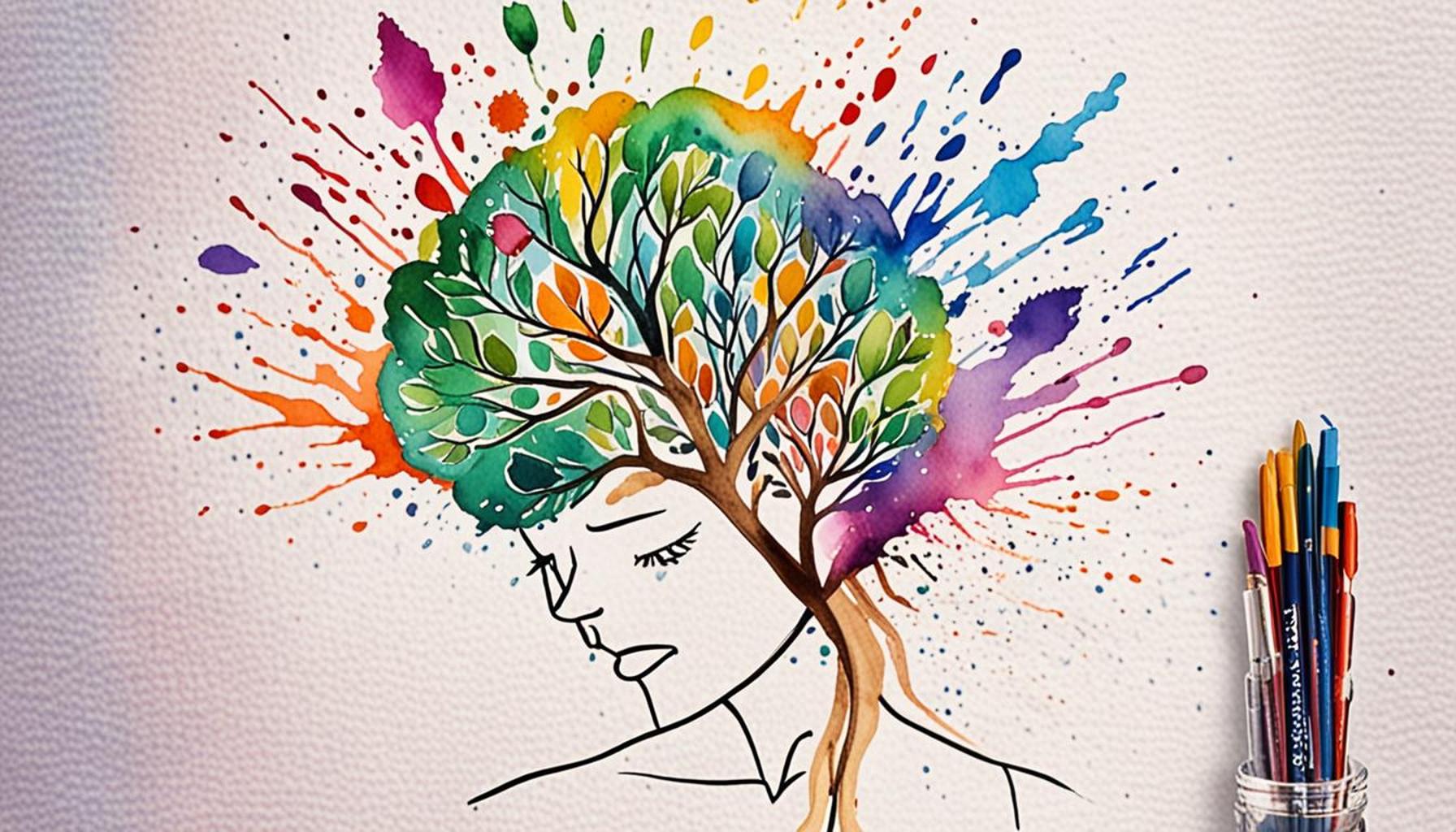
Embracing Failure: Transforming Setbacks into Learning Opportunities

Understanding the Nature of Failure
Failure, while often perceived as a daunting barrier, is a part of life that can cultivate growth and insight. It is an inevitable aspect of human experience, inevitably leading many to fear it. However, confronting failure head-on and recognizing its potential to teach valuable lessons can be transformative.
The Power of Resilience
Resilience is the ability to recover from setbacks and adapt positively to challenges. When one embraces failure as an opportunity to grow, resilience flourishes. For example, consider the story of Sara Blakely, the founder of Spanx. In her early career, Blakely faced numerous rejections when trying to sell her product idea to hosiery manufacturers. Instead of allowing these setbacks to defeat her, she utilized them as motivation. Her resilience ultimately led her to create a multi-billion-dollar company. This showcases how embracing failure can lead to greater determination and success.
Failure Fuels Innovation
Moreover, innovation often stems from the ashes of failure. Many renowned inventions were born from mistakes or unexpected outcomes. The post-it note, invented by 3M, originated from a failed attempt to create a super-strong adhesive. This seemingly trivial failure became a revolutionary product, highlighting that initial failures can lead to groundbreaking ideas. The world around us is filled with countless innovations that owe their existence to failures that were re-examined and embraced.
The Role of Self-Awareness
Additionally, reflecting on failures plays a critical role in enhancing self-awareness. It encourages individuals to analyze their thoughts, decisions, and behavior patterns, leading to improved judgment in future endeavors. For instance, an entrepreneur who experiences a failed business venture might reflect on what went wrong, identifying weaknesses in their marketing strategy or financial management. This insight empowers them to make more informed choices in their next business pursuit, significantly increasing their chances of future success.
Inspirational Examples
Historical figures remind us that failure can be a stepping stone rather than a stumbling block. Thomas Edison famously failed over a thousand times before inventing the light bulb. J.K. Rowling faced numerous rejections from publishers before Harry Potter became a global phenomenon. Both stories underscore the significance of viewing failure as a necessary part of the journey toward success, rather than an endpoint.
A Growth Mindset
So, how can you cultivate this positive outlook on failure in your own life? Adopting a growth mindset is essential. This perspective encourages viewing challenges and setbacks as opportunities to learn rather than threats that must be avoided. Strategies for cultivating this mindset include setting realistic goals, practicing self-compassion, and surrounding oneself with supportive individuals who foster perseverance and resilience.
In conclusion, by exploring the multifaceted nature of failure and its potential to elevate our personal and professional lives, we can begin to shift our perspectives. Embracing failure as a teacher rather than an adversary can not only enhance our resilience but can also germinate innovative ideas and deepen self-awareness. In a world that often stigmatizes failure, redefining it as a crucial component of growth can lead to a more enriching and fulfilling life.
DIVE DEEPER: Click here to dive deeper into self-discipline
Reframing Failure as a Path to Success
Embracing failure is not merely about accepting setbacks; it is about actively reframing them as essential components on the path to success. Our cultural narrative often paints failure as a taboo, a scar to be hidden rather than an experience to be analyzed. This society-induced stigma can prevent individuals from taking risks and exploring their full potential. However, when we shift our perspective and treat failure as a stepping stone, it opens the door to myriad opportunities for personal and professional growth.
The Science Behind Learning from Failure
Research in psychology underscores the profound impact of failure on learning. According to a study published in the Journal of Applied Psychology, individuals who faced setbacks and actively analyzed these experiences showcased improved performance over time compared to those who fear failure. This phenomenon stems from the neuroplasticity of our brains, which allows us to forge new connections and pathways in response to experiences. Each failure presents a unique learning opportunity, fostering adaptability and resilience that are crucial for long-term success.
Cultivating a Positive Relationship with Failure
To fully embrace failure, it is imperative to cultivate a positive relationship with it. Some effective strategies include:
- Re-evaluating After Setbacks: Take the time to reflect on what didn’t work and why. This analysis can be foundational for developing better strategies in the future.
- Fostering an Open Dialogue: Create an environment, whether at work or home, where discussing failures is encouraged. Open conversations about setbacks can demystify the experience and lessen fear.
- Setting Realistic Expectations: Understand that failure is a part of the journey. Setting achievable short-term goals can mitigate the fear of failure while building confidence to tackle bigger challenges.
The Impact of Failure in Diverse Fields
Many industries and sectors attest to the constructive role of failure. In technology, the concept of a fail fast approach is widely acknowledged. Startups, in particular, embrace rapid iteration, recognizing that trial and error are often necessary for innovation. Companies like Google and Amazon have launched numerous projects that did not succeed, yet each failure contributed to their overall growth and eventual breakthroughs.
Personal Stories of Transformation
Personal narratives can serve as powerful reminders that failure does not equate to finality. For instance, Oprah Winfrey faced significant challenges in her early career, experiencing rejection from television networks who deemed her unsuitable for broadcast. Instead of allowing this rejection to define her, she continued to pursue her passion. Today, she stands as a testament to what can be achieved when one embraces failure and learns from it.
Recognizing that failure is a catalyst for growth can significantly enhance one’s approach to challenges. By reframing our mindset and adopting practical strategies, we can transform setbacks into valuable learning experiences that propel us toward success. This paradigm shift not only empowers the individual but can also enrich workplaces and communities, leading to environments where innovation thrives and everyone feels free to take informed risks.
| Advantages | Impact |
|---|---|
| Increased Resilience | Overcoming failures builds mental toughness and prepares individuals to face future challenges more effectively. |
| Enhanced Problem-Solving Skills | Setbacks prompt critical thinking and innovative solutions, making individuals better equipped to tackle complex issues. |
| Greater Self-Awareness | Failures encourage reflection, leading to a deeper understanding of personal strengths and weaknesses. |
| Motivation for Growth | Experiencing setbacks ignites the desire to pursue self-improvement and achieve personal goals. |
The theme “Embracing Failure: Transforming Setbacks into Learning Opportunities” offers profound insights into the often-misunderstood nature of failure. Many perceive setbacks as detrimental, yet they hold the potential to unlock value and foster personal evolution. For instance, increased resilience ensures that individuals face challenges with newfound strength. Consider how athletes often encounter defeats, only to rise stronger through training and self-reflection. Moreover, failures enhance problem-solving skills. When obstacles arise, they compel individuals to think critically and devise innovative strategies, a fundamental trait in successful leaders. Engaging with challenges also leads to greater self-awareness. This self-discovery allows a clearer understanding of one’s capabilities, paving the way for authentic personal and professional growth.Ultimately, embracing failure fuels the motivation for growth, transforming setbacks into powerful catalysts for achieving life’s aspirations. By delving deeper into these themes, readers will uncover how to navigate their own setbacks with greater confidence and efficacy.
DIVE DEEPER: Click here to enhance your skills with technology
Turning Setbacks into Springboards for Growth
Understanding that failure is inherent in the journey towards achievement is only the beginning. To truly embrace failure, individuals must develop actionable strategies that convert setbacks into springboards for growth. This requires a proactive approach, aiming to gather lessons from each experience rather than being paralyzed by the fear of making mistakes. When failures are approached with curiosity and a desire for understanding, they become a foundation on which future successes can be built.
The Role of Emotional Intelligence in Embracing Failure
Emotional intelligence (EQ) plays a pivotal role in how we handle failure. Those with high EQ are better equipped to cope with setbacks, recognizing that failure does not define their worth or potential. According to research by Dr. Daniel Goleman, a leading expert in emotional intelligence, individuals who can regulate their emotions are more likely to persevere through challenges and learn from their experiences. This self-awareness allows for a constructive response to failure, fostering resilience over despair.
Failure as a Collective Experience
One of the most powerful aspects of failure is its universality. Everyone experiences setbacks, albeit at different levels and in various forms. Bringing this to light can foster a sense of community and collective resilience. In workplaces, companies that promote team-building activities focused on learning from failures can cultivate a culture of trust and innovation. For example, companies like Zappos regularly analyze customer service failures to improve processes, demonstrating that understanding collective missteps can lead to building a stronger entity.
Strategies for Navigating Failure in Your Personal Life
Transforming personal failures into learning opportunities involves a few key techniques:
- Embrace a Growth Mindset: Adopting a mindset that views challenges as opportunities for growth can radically alter one’s approach to failure. Carol Dweck, a psychologist at Stanford University, emphasizes that believing abilities can be developed through hard work and dedication leads to greater resilience.
- Document Your Journey: Keeping a journal of failures and the lessons learned can provide clarity and insights for future endeavors. This practice not only tracks progress but also encourages reflection on each setback as a valuable learning experience.
- Seek Feedback: Engaging mentors or peers to provide constructive criticism can illuminate blind spots. This feedback can empower individuals to navigate future hurdles with greater confidence and preparedness.
Success Stories of Companies That Thrived After Failure
Many renowned companies today stand as monuments to the notion of learning from failure. A prime example is Starbucks, which experienced a significant downturn when it over-expanded in the late 2000s. Rather than giving up, the company underwent a transformative strategy pivot that refocused on quality and customer experience. As a result, Starbucks emerged more robust and profitable. Their persistence serves as a cornerstone lesson: when obstacles appear, the focus should shift to understanding and adapting rather than retreating.
Ultimately, turning setbacks into springboards for growth requires a concerted effort to view failures through a new lens. By integral practices and drawing insights from both individual and collective experiences, it becomes possible to not just survive failures but thrive beyond them, redefining what success truly means in the journey of life.
DISCOVER MORE: Click here to learn about neuroplasticity’s role in skill acquisition
Conclusion: The Power of Embracing Failure
In a society that often equates success with perfection, it is crucial to shift the narrative around failure as a necessary milestone on the road to achievement. Embracing failure means not merely tolerating setbacks but actively seeking to understand their lessons. By practicing self-awareness, fostering emotional intelligence, and shifting perspectives, we become equipped to transcend challenges. The growth mindset championed by educational leaders like Carol Dweck serves as a powerful reminder that our abilities can evolve through perseverance and adaptability.
Moreover, as seen in organizations such as Starbucks and Zappos, turning failures into collective experiences enriches our understanding and builds resilient communities. Creating a culture that normalizes failure as a learning opportunity transforms workplaces and personal lives alike, paving the way for innovative thinking and collaborative growth.
Ultimately, acknowledging that failures are stepping stones rather than dead ends invites us to explore new avenues of success. It encourages individuals to document their journeys, seek feedback, and continuously adapt their approaches in pursuit of their goals. As we embrace the lessons embedded in our setbacks, we unlock potentials not just for ourselves, but for those who share in our experiences. In this transformative process, failure is not an enemy but a vital ally in our quest for personal and professional evolution.