
Mind Mapping Techniques for Effective Self-Study: Organizing Knowledge for Better Retention
Unleashing the Power of Mind Mapping
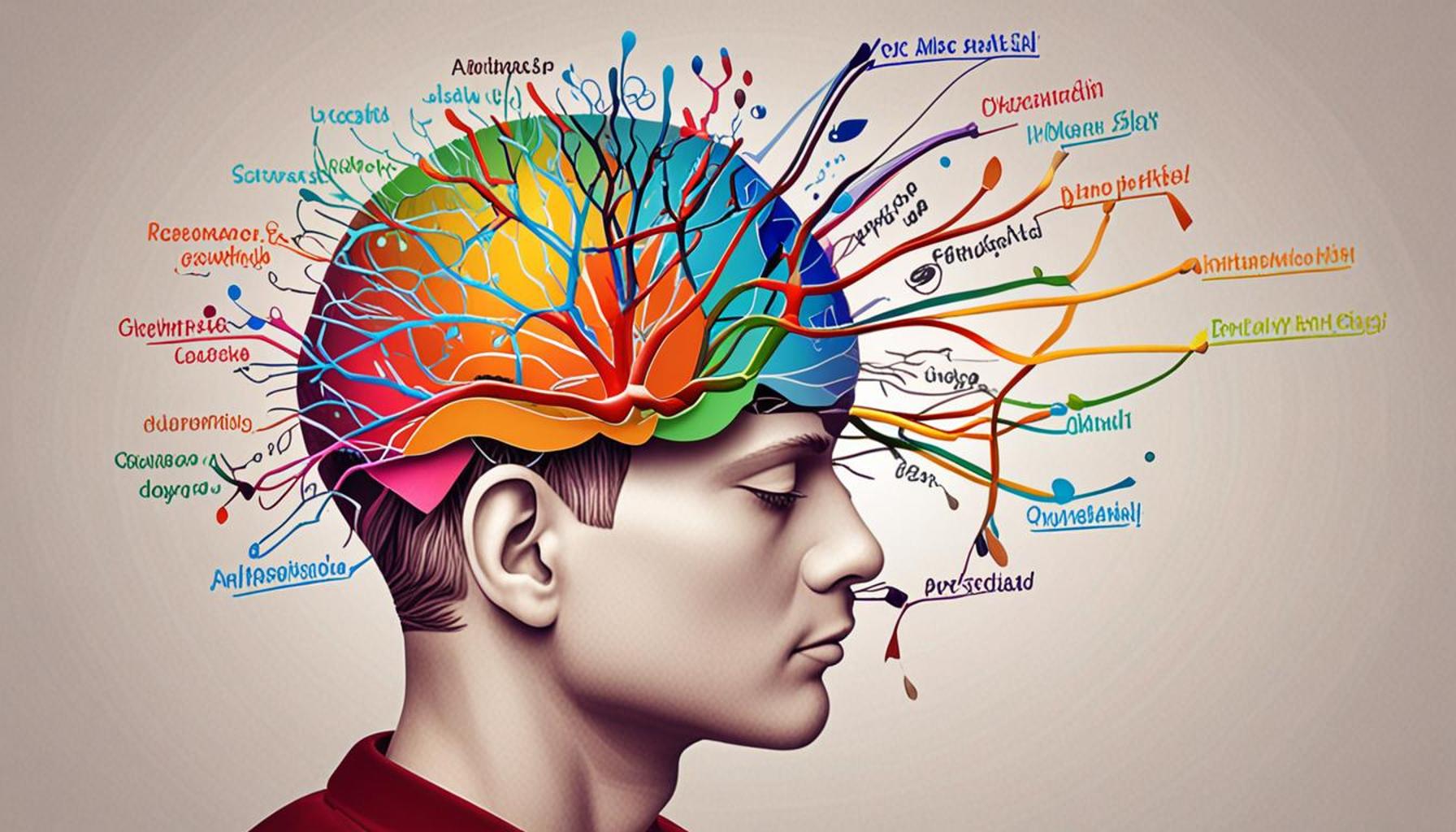
In an age where information is abundant, effective self-study techniques have become essential for learners. One of the most impactful methods is mind mapping, a visual tool that helps in organizing thoughts and ideas. By applying mind mapping techniques, you can transform complex topics into manageable structures. This technique is not only suitable for students but also professionals who need to synthesize vast amounts of information quickly.
Why Mind Mapping?
- Enhances Learning: The brain’s natural way of organizing information aligns with visual mapping. Mind maps leverage this by presenting information visually, utilizing colors, shapes, and images that appeal to different learning styles. For instance, a visual learner might benefit from incorporating illustrations in their maps, while auditory learners could use mnemonics related to the mapped concepts.
- Boosts Memory Retention: Structured diagrams improve recall through association and connection. By organizing information around central ideas, you create a web of knowledge that the brain finds easier to navigate. Research indicates that using mind maps can improve retention rates by up to 15%, making it a powerful tool in educational settings.
- Simplifies Complex Information: Break down large amounts of data into digestible parts easily. For example, a biology student might use a mind map to outline the human anatomy, categorizing systems and organs in a way that visually connects functions and locations, transforming a daunting subject into a coherent overview.
Students and professionals alike have discovered that mind maps allow for greater clarity in their study sessions. They foster creativity and encourage deeper understanding, making learning not just effective, but engaging. By employing this technique, you’ll not only grasp concepts more thoroughly but also enjoy the process of discovery itself. A marketing professional, for example, may use mind mapping to brainstorm campaign ideas by visually categorizing themes, target demographics, and communication strategies, which enhances collaboration within teams.
With the right techniques, you can use mind mapping to tackle any subject matter and enhance your retention capabilities. Many software applications, such as MindMeister and XMind, exist to facilitate digital mind mapping, offering templates and collaboration features that make it easier to implement in group settings or for personal projects alike.
Ready to dive deeper?
This article will explore various mind mapping techniques that cater directly to the needs of self-learners. Techniques such as radial mapping, color coding, and image inclusion will be discussed in detail, allowing you to find the approach that best suits your learning style. Unlock your ability to organize knowledge efficiently, setting the stage for comprehensive understanding and long-term retention. Whether you are preparing for an exam, working on a project, or even planning a personal goal, mind mapping can be a transformative tool in your learning arsenal.
DISCOVER MORE: Click here to enhance your learning confidence
Techniques to Elevate Your Mind Mapping Skills
To fully harness the potential of mind mapping for self-study, it’s crucial to employ specific techniques that enhance the structures you create. Here are some effective strategies that not only make mind mapping easier but also improve your ability to organize knowledge effectively:
Radial Mapping
One of the foundational techniques in mind mapping is radial mapping, where a central idea radiates outward to explore related subtopics. This approach allows you to visualize the connections between concepts, making it particularly useful for subjects that have interrelated themes. For instance, if you’re studying history, you could place a central topic, such as “American Civil War,” in the center, and branch out into significant battles, key figures, and social implications. This method encourages a holistic view and helps in establishing context, which is critical for deeper understanding and retention.
Color Coding
Using colors in your mind maps is not merely for aesthetics; it significantly boosts cognitive engagement. By assigning different colors to various themes or categories, you can create a visual hierarchy that makes it easier to memorize and retrieve information. For example, when studying mathematics, using one color for formulas, another for examples, and yet another for applications can make your study sessions more engaging and less monotonous. Studies show that color enhances memory and comprehension, which is a strong endorsement for incorporating this technique into your mind mapping practice.
Incorporating Images and Icons
Visual cues are powerful memory aids. Including images and icons in your mind maps stimulates the brain’s visual processing center, making it easier to recall information later. For instance, if your mind map covers literary analysis, integrating images of key literary symbols or popular book covers can create strong associations that enhance your retention. Moreover, adding icons for concepts such as “theme,” “character development,” or “plot twist” can foster quicker recognition of these elements during analysis. This mixture of text and imagery enriches the learning experience and solidifies your understanding.
Utilizing Hierarchical Structures
The structure of your mind map can significantly affect its effectiveness. Organizing information hierarchically helps to prioritize ideas and establish relationships among them. For example, if you’re preparing for an examination on environmental science, start with broad categories like “Climate Change,” then use subordinate branches for causes, effects, and solutions. This tiered approach not only simplifies complex information but also connects concepts logically, enhancing memory retention through structured learning pathways.
Interactive Mind Mapping Tools
Finally, leveraging technology can transform the traditional mind mapping experience. Digital mind mapping tools such as MindMeister, XMind, and Coggle allow for seamless collaboration and easy integration of multimedia elements. These platforms often come with templates that guide users through the mapping process, making it ideal for both individual study and group projects. With features like cloud storage and real-time collaboration, they pave the way for a modern approach to organizing knowledge that suits today’s digital learners.
By incorporating these techniques into your mind mapping practice, you can optimize your self-study sessions. As you explore radial mapping, color coding, imagery, and digital tools, you’ll find that knowledge becomes more organized and accessible, promoting better retention and understanding. Engaging with learning in this dynamic way not only makes the process enjoyable but also equips you with skills essential for academic and professional success.
Unleashing Creativity through Mind Mapping
One of the most compelling advantages of employing mind mapping techniques for self-study is their ability to unleash creativity while organizing complex information. Traditional note-taking methods often lead to a linear accumulation of information that can feel overwhelming. In contrast, mind maps represent information visually, allowing learners to see connections between concepts at a glance. This method not only enhances creativity but also engages multiple brain functions, providing an immersive learning experience.When you create a mind map, you start with a central idea and branch out into related topics. This spatial organization makes it easier for the brain to retrieve information, facilitating better retention. It’s like creating a roadmap of knowledge, where every connection signifies a relationship, context, or sequence. Moreover, learners may find it beneficial to incorporate different colors, icons, and images within their mind maps. Such visual elements can aid memory recall and stimulate interest, making the learning process more enjoyable.
Practical Applications of Mind Mapping in Self-Study
The applications of mind mapping techniques extend far beyond academic use. Professionals seeking to boost productivity, project managers organizing tasks, or writers brainstorming concepts can all benefit from this method. By utilizing mind maps, you can quickly jot down your thoughts, categorize ideas, and prioritize tasks, ensuring nothing falls through the cracks. When approaching complex subjects or preparing for major examinations, consider creating a mind map for each topic. This not only organizes your study materials but also encourages regular review sessions. By revisiting these organized visual aids, you’ll reinforce memory retention over time. Engage with this immersive technique, and explore how mind mapping can reshape your approach to learning.
| Advantages | Key Features |
|---|---|
| Enhanced Retention | Visual organization aids memory recall. |
| Increased Creativity | Visual connections stimulate innovative thinking. |
Implementing mind mapping in your study practices opens up a world of organized knowledge and improved retention. Try creating a mind map today and discover how it can transform your learning process.
DISCOVER MORE: Click here to unlock effective learning strategies
Advanced Mind Mapping Strategies for Deeper Learning
As you become more adept at mind mapping, there are advanced strategies that can further enhance your self-study effectiveness. These methods not only refine your skill set but also foster a deeper level of comprehension, allowing you to connect concepts with ease and recall them efficiently.
Chunking Information
Another powerful technique in mind mapping is chunking information. This method involves grouping related bits of information into manageable sections. For instance, if you are studying biology, instead of trying to memorize long lists of terms and definitions in isolation, you can create a mind map that organizes these terms into categories like “Cell Structure,” “Genetics,” and “Ecology.” By presenting information in logical groups, chunking minimizes cognitive overload, making it easier for your brain to process and retain knowledge. This structured approach reduces stress and enhances focus, which is critical for effective learning.
Mind Map Reviews
Regularly reviewing your mind maps is essential for reinforcing knowledge. After creating a mind map, spending a few minutes each week revisiting the branches and their connections can significantly aid retention. This practice can be particularly beneficial for students preparing for standardized exams, such as the SAT or ACT, where understanding relationships between concepts is key to achieving high scores. During your review, try to articulate how different branches connect and explain the concepts aloud; this method of self-quiz not only solidifies your understanding but also highlights areas that may need further exploration.
Integration with Other Learning Styles
An effective way to deepen your understanding through mind mapping is to integrate it with different learning styles. Whether you are a visual, auditory, or kinesthetic learner, you can enhance your mind maps by incorporating techniques that cater to your strengths. For instance, auditory learners might benefit from verbalizing their mind maps or discussing them with peers, using questioning techniques to explore ideas further. Kinesthetic learners could use colored pens to create their maps, physically engaging in the process, or even constructing 3D models based on their diagrams. By blending mind mapping with diverse learning styles, you reinforce your understanding of the material in richer and more varied ways.
Concept Mapping as a Complement
While mind mapping plays a pivotal role in organizing knowledge, concept mapping can serve as a powerful complementary approach. Concept maps focus on the relationships among ideas, providing a more structured layout compared to mind maps. They can be particularly useful for complex subjects like philosophy or chemistry, where detailing connections between various concepts—like theories, laws, and phenomena—is essential. You can begin with your mind map and then transition to a concept map to delve deeper into specific relationships or intricate topics, allowing for a comprehensive mapping of both structural and relational understanding.
Peer and Group Collaboration
Leveraging collaboration in mind mapping can generate diverse insights and enrich your learning experience. Engage in group mind mapping sessions, where multiple individuals can contribute their perspectives on a central topic. This approach is especially valuable in team projects or study groups, as each participant’s unique point of view can reveal connections and ideas that may have been overlooked. Furthermore, sharing and discussing mind maps fosters a comprehensive understanding, allowing you to gain new insights while enhancing your ability to articulate thoughts effectively.
By adopting these advanced strategies in your mind mapping regimen, you can amplify your self-study efforts. Whether through chunking information, reviewing systematically, integrating different learning styles, utilizing concept mapping, or collaborating with peers, you will find a rich tapestry of knowledge that not only promotes retention but also elevates your understanding to new heights. As you explore these methods, you’ll discover that the journey of learning can be as engaging as it is informative.
DISCOVER MORE: Click here to dive deeper
Conclusion
In an age where information is abundant and distractions are numerous, mind mapping techniques offer a structured yet flexible method to enhance your self-study experience significantly. By effectively organizing knowledge, these visual tools help you draw connections between concepts, making comprehension and retention not only attainable but also more enjoyable. From simple outlines to complex diagrams, the adaptability of mind maps caters to various learning styles, ensuring that every learner can find a method that resonates with their unique cognitive preferences.
Moreover, the integration of advanced strategies, such as chunking information and peer collaboration, amplifies the benefits of mind mapping. These techniques not only reduce cognitive overload but also create a more engaging and interactive learning environment. As you incorporate regular reviews and explore the complementing aspects of concept mapping, you unlock a deeper understanding of the material, transforming your study sessions into productive and enlightening experiences.
Ultimately, mind mapping does not merely serve as a means of organizing knowledge; it fosters a culture of inquiry and connection that can greatly enhance your academic journey. Embrace these techniques as tools for lifelong learning and witness how organizing knowledge can lead to improved retention and mastery of subjects. As you refine your skills in mind mapping, remember that the journey of learning is as important as the destination itself—so embark on this path with curiosity and creativity, and watch your knowledge transform.