
Incorporating Experiential Learning Theory: Learning Through Practice and Reflection

Exploring the Depths of Experiential Learning Theory
As education continues to adapt to the needs of modern society, traditional pedagogical methods are increasingly supplemented by innovative approaches designed to enhance student engagement and understanding. One such approach is Experiential Learning Theory, which places a strong emphasis on learning through direct experience. This engaging method encourages students to immerse themselves in practical activities, followed by critical reflection that deepens their understanding of the material.
The core features of experiential learning can significantly transform educational experiences. For instance:
- Active participation: Instead of passively receiving information, students are engaged in real-world tasks, allowing them to apply theory to practice. This active involvement helps them grasp concepts more thoroughly.
- Reflection: Through structured reflections, learners analyze their experiences. This process allows them to identify what worked, what didn’t, and why—transforming mere participation into meaningful learning.
- Application: The knowledge gained through hands-on experiences is subsequently applied to new situations, reinforcing retention and understanding. This cyclical process of experience, reflection, and application is integral to deep learning.
The integration of experiential learning into educational environments can lead to profound changes and enhanced student outcomes. For example:
- Internships provide students with invaluable workplace experiences that not only bridge the gap between classroom theory and practical application but also increase employability by allowing students to cultivate professional skills and networks.
- Service learning connects community service with academic learning—students engage in projects that benefit their communities while reinforcing classroom lessons. This dual benefit encourages civic responsibility and real-world problem-solving.
- Simulation exercises mimic real-life scenarios, such as medical simulations in healthcare education or mock trials in legal studies, promoting critical thinking and decision-making skills in high-stakes environments.
Delving deeper into the realm of experiential learning reveals how it enriches educational landscapes. Numerous studies have shown that students who engage in experiential learning remember information better and develop critical life skills, such as teamwork and communication. For instance, a 2016 study published in the Journal of Educational Psychology indicated that students participating in experiential learning programs reported higher levels of interest in their subjects compared to traditional lecture-based learners.
By exploring practical strategies for implementation in classrooms—like integrating local community projects or utilizing technology to create virtual experiences—educators can leverage experiential learning to create dynamic and inspiring learning environments. As both students and teachers embrace the philosophy of learning by doing, the possibilities for academic and personal growth become limitless.
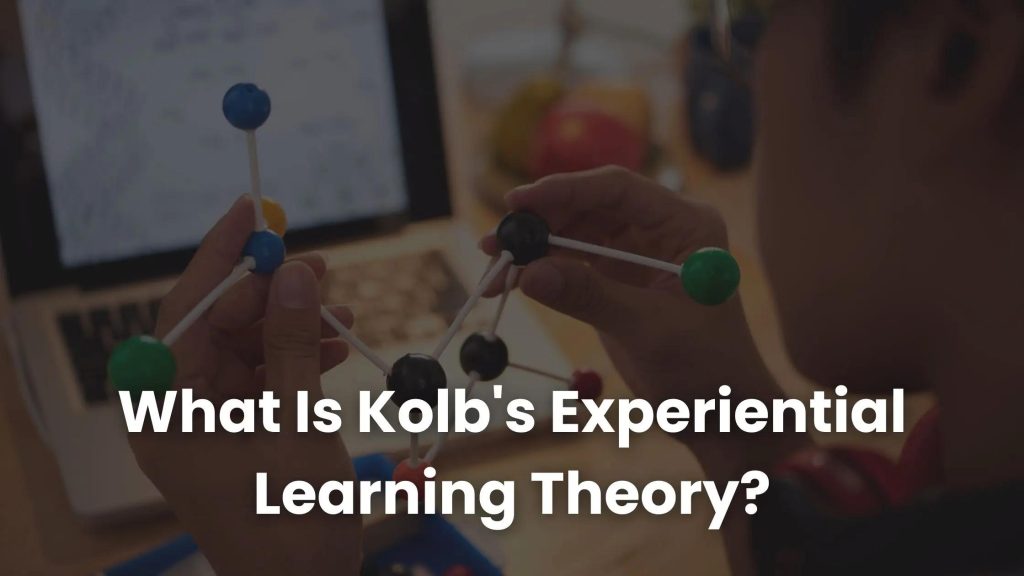
DISCOVER MORE: Click here to enhance your skills
Transforming Learning Environments Through Practice
As educators seek to better engage students in their learning journeys, Incorporating Experiential Learning Theory offers valuable insights into the way knowledge is constructed. This theory emphasizes that learning is significantly enhanced when students can connect theoretical concepts to real-world applications. By cultivating an environment where learning is rooted in experience, educators can foster critical thinking, creativity, and collaboration among students.
One of the most impactful methods of experiential learning is project-based learning. In this approach, students work on a project over an extended period, culminating in a final product. This method allows them to take ownership of their learning, honing essential skills such as problem-solving and time management. For instance, a high school class might engage in a project to develop a sustainable garden on school grounds. Not only does this initiative provide practical horticultural skills, but it also encourages teamwork and an understanding of environmental science.
Another powerful technique within the experiential learning framework is role-playing. This method allows students to step into various perspectives and understand issues from different angles. In a history class, for example, students might role-play significant figures from the American Revolution, facilitating a deeper understanding of the historical context and the implications of their decisions. Such immersive experiences can lead to increased emotional engagement, paving the way for more profound connections with the material.
Incorporating experiential learning also emphasizes the importance of reflection within educational practices. Reflection is not just an afterthought; it is a critical component of skill acquisition and knowledge retention. During reflective exercises, students are encouraged to consider questions such as:
- What challenges did I face during this experience?
- How did my actions influence the outcome?
- What lessons can I apply in future situations?
This introspective aspect allows students to critically analyze their experiences, leading to a more profound understanding of their learning processes. Research shows that schools that prioritize reflective practices yield students who are not only better equipped to integrate knowledge but also possess enhanced emotional intelligence.
Furthermore, the incorporation of internships and externships as a component of experiential learning showcases the real-world relevance of classroom instruction. By partnering with local businesses and organizations, schools can create opportunities for students to gain firsthand insights into their chosen career fields. For example, a community college’s partnership with a nearby tech firm may allow students to work on live projects, gaining experience that can be pivotal when entering the job market.
Ultimately, as educators and institutions embrace the integration of experiential learning, the opportunities for enriching the learning environment expand. From project-based learning to reflection and community partnerships, the potential for academic success and personal growth relies heavily on the active engagement of students with their learning journeys.
Incorporating Experiential Learning Theory: Learning Through Practice and Reflection
As we delve deeper into Experiential Learning Theory, it’s essential to recognize how it elevates the educational experience. The core of this theory posits that learning is most effective when individuals engage in hands-on experiences followed by critical reflection. This method not only enriches the learner’s retention of information but also enhances their ability to apply knowledge in practical settings.
One primary aspect of this theory is the experiential cycle, which consists of four stages: concrete experience, reflective observation, abstract conceptualization, and active experimentation. Each stage interlinks, allowing learners to engage fully with real-world contexts. For example, in a science class, students conducting experiments provide them with concrete experiences. When they later reflect on these experiences, they can draw connections to the theoretical principles covered in their lectures.
Moreover, this learning approach is particularly advantageous in today’s job market where employers seek candidates who can not only acquire knowledge but also adapt and apply this knowledge in dynamic environments. By engaging in experiences that challenge them to think critically, learners develop vital skills such as problem-solving, communication, and collaboration.
Through experiential learning, students become active participants in their education, fostering a sense of ownership and accountability. As they reflect on their learning process, they not only solidify their understanding but also create a framework for future growth. This continuous cycle of practice and reflection is not just relevant in educational institutions but extends to corporate training programs, where employees engage in real-world projects that enhance their skills while delivering value to their organizations.
| Advantages | Impact |
|---|---|
| Enhanced Retention | Engaging directly with content leads to deeper understanding and memory retention. |
| Skill Development | Students develop critical thinking and problem-solving skills essential for their future careers. |
The role of reflection in this educational model cannot be overstated. Students who take the time to reflect on their experiences can make sense of their learning journeys, leading to an improved ability to tackle future challenges. As we continue to explore Experiential Learning Theory, we invite you to consider how integrating these principles into educational practices can shape a more adaptive and skilled workforce.
DISCOVER MORE: Click here to dive deeper
Enhancing Student Engagement Through Real-World Connection
In addition to project-based learning and role-playing, the integration of service learning within experiential learning theory offers a unique avenue for students to engage actively with their communities. Service learning combines community service with education, enriching the learning experience while instilling a sense of social responsibility. For example, a team of students might volunteer to assist in local food banks, simultaneously grasping the complexities of food insecurity while honing skills in logistics, communication, and empathy.
Service learning not only helps students understand societal challenges but also allows them to apply theoretical knowledge to tangible problems. This engagement often fosters a deeper appreciation for civic responsibility, as students witness the impact their efforts can have on others. Moreover, educational institutions that incorporate service learning into their curricula often report enhanced student motivation and academic achievement, as the learning is anchored in real-life relevance.
Field trips also serve as a traditional yet impactful method of experiential learning. Educational excursions enable students to experience firsthand a subject they are studying in the classroom. For instance, a visit to a science museum can illuminate complex concepts in physics or biology, while a trip to a historical landmark can bring history lessons to life. Research has demonstrated that students often retain information better after engaging with it outside of the classroom, where they can see the practical implications of their lessons.
Technology has emerged as a valuable ally in enhancing experiential learning. By leveraging digital tools and platforms, educators can create immersive learning experiences that break down geographical barriers. Virtual reality (VR), for instance, places students in environments ranging from ancient civilizations to outer space, enriching their understanding through simulation. Studies indicate that the use of VR in education results in heightened engagement and improved information retention, showcasing the transformative power of experiential learning in the digital age.
Moreover, educators can facilitate a flipped classroom approach, where traditional lectures are turned into experiential learning opportunities. In this model, students explore content at home through videos and readings, while classroom time is dedicated to hands-on activities and collaborative projects. This reallocation of time encourages active learning, promotes peer interaction, and allows educators to tailor instruction to the diverse needs of their students.
The incorporation of reflection journals further enriches the experiential learning experience. By encouraging students to articulate their thoughts and feelings about each learning experience, they deepen their understanding and develop critical self-awareness. Through consistent entries, students can track their growth, identify areas needing improvement, and celebrate their successes. This method not only bolsters academic learning but also nurtures essential life skills, including adaptability and self-regulation.
As educators continue to explore avenues for enriching student learning experiences, the integration of experiential learning theory stands out as a transformative method. Environments that encourage practical application, community engagement, and reflective practice can lead students to profound educational experiences. As the landscape of education evolves, so too does the importance of crafting opportunities that allow learners to thrive through meaningful engagement with their world. The implications for educational equity, student confidence, and community connection are vast, and the journey toward implementing effective experiential learning strategies is well worth the effort.
DIVE DEEPER: Click here to learn more
Conclusion: The Future of Learning through Experiential Engagement
Incorporating Experiential Learning Theory into educational practices presents a wealth of opportunities for both students and educators alike. The methods discussed—ranging from service learning and field trips to innovative technologies and flipped classrooms—emphasize the critical importance of practical application and reflective practices in enhancing the learning experience. As learners actively engage with real-world problems and experiences, they develop not only academic skills, but also essential soft skills such as collaboration, empathy, and critical thinking.
Moreover, the integration of technology and digital tools has revolutionized how educators can deliver experiential learning. Immersive experiences, such as virtual reality, enable students to explore complex concepts in ways that were previously unimaginable, fostering deeper understanding and retention. This evolution in education aligns with the needs of modern learners, who thrive in environments that are interactive and relevant.
As we advance into a future where knowledge is continually evolving, it is paramount that educational institutions adapt to these changing landscapes by implementing experiential learning strategies. This not only prepares students for the complexities of the real world but also promotes a sense of social responsibility and community engagement. With an emphasis on continuous reflection and adaptation, the journey of learning through practice and experience can lead to profound transformative effects on students’ lives.
Ultimately, embracing experiential learning is not just about enhancing academic performance; it is about fostering well-rounded individuals who are equipped to tackle the challenges of tomorrow with confidence and creativity. The time to integrate these enriching practices is now—ensuring that education remains a dynamic force for positive change.