The Importance of a Growth Mindset for Learning Self-Taught Skills
The Power of a Growth Mindset in Learning
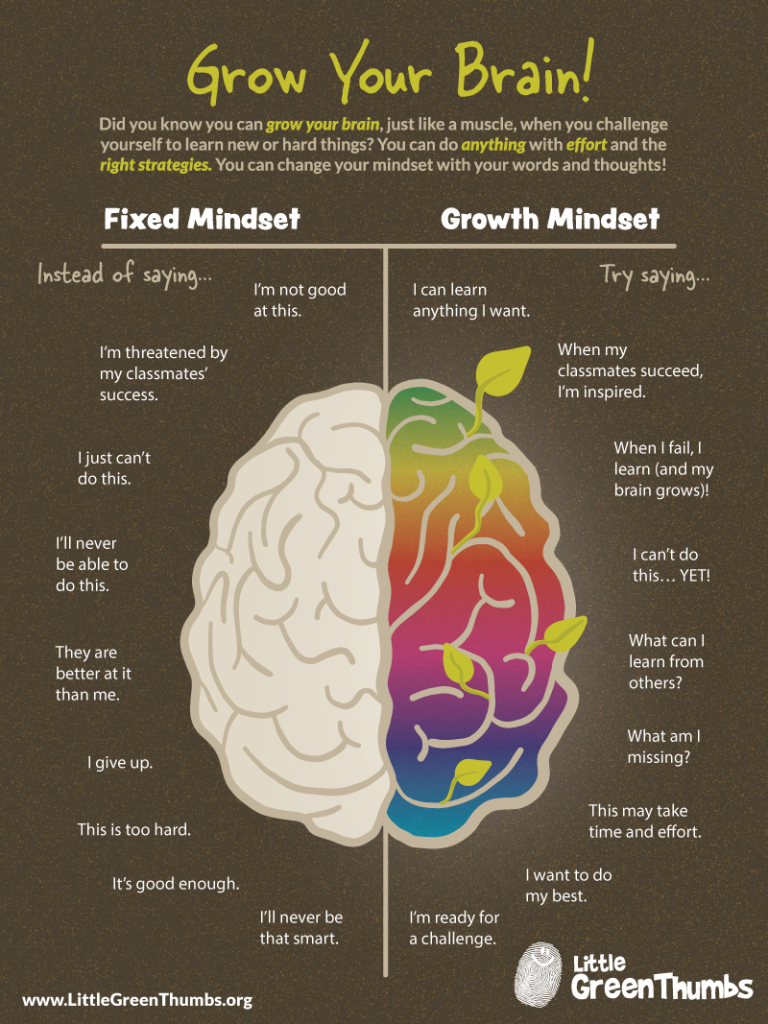
In today’s fast-paced digital landscape, acquiring new skills has never been more accessible. With an ocean of resources available online, from video tutorials to interactive platforms, the quest for self-education can seem easy. However, the journey of learning is often fraught with challenges, requiring more than just access to information. It demands a certain mindset—specifically, the belief in a growth mindset. This perspective posits that intelligence and abilities can be cultivated through perseverance and effort, which is essential for individuals pursuing self-taught skills.
Key characteristics of a growth mindset play an instrumental role in overcoming obstacles in learning:
- Resilience: Learners who embrace a growth mindset exhibit remarkable resilience. Instead of viewing setbacks as failures, they perceive them as opportunities to learn and evolve. For example, someone learning to code may encounter multiple errors in their programs; rather than feeling defeated, they will analyze their mistakes and adapt their approach, ultimately improving their skills.
- Adaptability: Flexibility is another hallmark of a growth mindset. When faced with unforeseen challenges, such as a change in the curriculum of an online course, individuals who adapt their learning strategies can navigate these shifts more smoothly. For instance, if a self-taught graphic designer learns about new software that contrasts sharply with their previous tools, their ability to pivot and explore this new environment can lead to innovation in their designs.
- Curiosity: A growth-oriented mindset fuels an insatiable curiosity. This drive leads learners to delve deeper into subjects that captivate their interest. Take someone interested in digital marketing; their initial research may begin with SEO but may blossom into a broader exploration of consumer psychology and data analytics, enhancing their overall understanding of the field.
Research reinforces the significance of cultivating a growth mindset. Studies published in reputable journals reveal that individuals who adopt this mindset are not only more inclined to take on challenges but also more receptive to constructive criticism. In fact, a study by Stanford University found that students with a growth mindset showed marked improvement in academic performance compared to those with a fixed mindset.
As the job market increasingly values self-taught skills—spanning areas like tech, digital art, and entrepreneurship—grasping and developing a growth mindset becomes paramount. Whether you’re an aspiring software developer, a freelance writer, or an artist, fostering this mindset can enhance your learning experience and outcomes.
This article highlights the importance of a growth mindset in the realm of self-education. By emphasizing practical strategies such as goal setting, embracing mistakes, and seeking community support, individuals can effectively unleash their potential. The transformative power of adopting a mindset that thrives on challenges and personal growth can redefine your educational journey and open new doors to opportunities.
DISCOVER MORE: Click here to dive deeper
Navigating Challenges with a Growth Mindset
The journey of learning self-taught skills can often feel overwhelming, especially in a landscape rich with information yet filled with potential pitfalls. The core of embracing a growth mindset lies in the ability to navigate these challenges with a more positive perspective. By acknowledging that failure is not the end but simply a step toward mastery, learners can cultivate resilience and strengthen their resolve. This is particularly important in the context of self-directed learning, where individuals are responsible for setting their own pace and evaluating their progress.
One of the most profound advantages of adopting a growth mindset is the ability to set effective goals. Instead of concentrating solely on the outcome—such as achieving a specific skill level or completing a project—individuals who embrace this mindset focus on the processes required to reach their goals. For instance, a self-taught musician may set a goal not just to learn a song but to practice a scale every day, allowing them to enjoy the journey while steadily improving. This approach reduces the pressure of perfectionism, making the learning process more enjoyable and sustainable.
Moreover, the process of embracing mistakes is crucial in fostering a growth mindset. Learning involves making errors, and understanding that these mistakes are integral to the learning process can reframe one’s approach to education. When aspiring chefs experiment with a new recipe, small errors—like under-seasoning or overcooking—provide valuable feedback. Instead of getting discouraged, they learn to adjust their techniques, enhancing their culinary skills over time. This perspective encourages learners to take risks and try new things without the fear of failure holding them back.
Building a support network can greatly enhance the growth mindset journey. Engaging with communities of like-minded individuals—whether through online forums, social media, or local meetups—creates an environment that values shared learning and support. These connections provide valuable insights, resources, and encouragement, reinforcing the idea that learners are not isolated in their struggles. Networking with others not only offers diverse perspectives but also fosters a spirit of collaboration, which can lead to more effective learning and increased motivation. Consider the example of an artist joining an online critique group; through constructive feedback and support, their skills can flourish in ways they never anticipated.
In conclusion, adopting a growth mindset is not merely a beneficial addition to the self-teaching toolkit; it is a necessary foundation for overcoming the hurdles of independent learning. Emphasizing the importance of resilience, goal-setting, learning from mistakes, and fostering a supportive network can empower individuals to transform their approach to acquiring new skills. In the expanding world of self-education, those who nurture a growth mindset will not only learn more effectively but also thrive in their endeavors.
| Advantages of Growth Mindset | Explanation |
|---|---|
| Enhanced Resilience | A growth mindset fosters the ability to bounce back from failures, viewing challenges as opportunities for improvement rather than roadblocks. |
| Increased Motivation | When individuals believe that their abilities can grow, they tend to be more motivated to learn, engaging in self-directed study with enthusiasm and commitment. |
A growth mindset can transform the journey of acquiring self-taught skills into a fulfilling process. Those with this mindset are inclined to pursue mastery rather than perfection. The emphasis shifts from merely attempting to excel to engaging fully with the learning experience. This perspective not only nurtures curiosity but also enhances the capacity for innovation. By embracing new concepts and experimenting with untested ideas, learners develop not just skills but a robust understanding of their chosen fields.Moreover, the community aspect of learning is strengthened when individuals share their journeys—celebrating milestones and discussing setbacks—creating a supportive network that further cultivates a culture of growth. The reinforcement of this culture can lead to collective progress, where learners not only grow individually but also contribute to the learning of others around them. Engaging with peers creates a dynamic where self-taught skills are understood as part of a larger learning ecosystem.In conclusion, adopting a growth mindset is essential for anyone looking to acquire self-taught skills effectively. It promotes resilience, motivation, and a sense of community that all drive meaningful achievement. A commitment to continuous learning is not merely a personal endeavor; it’s an enriching voyage that can lead to profound personal and professional transformations.
DIVE DEEPER: Click here to discover more
The Role of Curiosity and Lifelong Learning
Integral to a growth mindset is the element of curiosity. For self-taught learners, fostering an inquisitive spirit can substantially enrich the educational experience. Curiosity acts as the fuel that drives exploration and deepens knowledge retention. When learners approach a subject with wonder and a desire to understand the nuances, they are more likely to engage deeply with the material. This approach not only broadens their skill sets but also makes the learning experience more fulfilling and enjoyable.
Consider the case of software developers who dive into new programming languages. An individual with a strong growth mindset might view the challenge as an opportunity to understand the fundamental concepts that underlie multiple languages, rather than seeing it as a mere obstacle to completing a single project. This commitment to curiosity ensures that they not only learn new coding syntax but also recognize common patterns, facilitating a smoother transition across different technologies. By continually nurturing a sense of wonder, these learners are able to transform obstacles into stepping stones for future innovation.
Embracing Lifelong Learning
Alongside curiosity, a growth mindset encourages the concept of lifelong learning. This intrinsic motivation to continually seek new knowledge is increasingly essential in today’s fast-paced world, where skills can become obsolete overnight. In fields such as technology, where new developments arise with remarkable frequency, understanding the importance of staying updated is critical. Self-taught individuals who embrace lifelong learning are well-equipped to adapt their skills and respond effectively to changes in their industries.
Data from a survey by the Pew Research Center reveals that approximately 87% of workers believe they will need to learn new skills throughout their careers. This highlights the need for a growth mindset that fosters continuous improvement. Individuals who actively pursue educational opportunities—whether through reading, online courses, or practical projects—incorporate these skills into their arsenal, making them more valuable in the job market. For example, a graphic designer may take up classes on user experience design to diversify their portfolio, thereby expanding their career prospects.
The Impact of Reflection
Another vital component of a growth mindset is the practice of reflection. Self-taught learners who take the time to analyze their experiences, successes, and setbacks are more likely to gain insights that drive future growth. By maintaining a learning journal or regularly assessing their progress, individuals can identify patterns, weaknesses, and areas for development. This self-awareness not only enhances their learning strategies but also empowers them to make informed decisions about their educational paths.
For instance, an aspiring photographer may review their past projects to see which techniques resonated most effectively. By reflecting on this process, they can concentrate on refining their strengths while addressing shortcomings. This cycle of reflection and adaptation perennializes the journey of self-education, ensuring that learners continually evolve alongside their chosen skills.
As individuals embrace curiosity, adopt lifelong learning principles, and engage in reflective practices, the enrichment and transformation of the self-taught learning experience become apparent. A growth mindset, characterized by these attributes, not only paves the way for mastering new skills but also fosters a resilient and adaptable life-long learner prepared to tackle an ever-changing future.
DISCOVER MORE: Click here for deeper insights
Conclusion
In closing, cultivating a growth mindset is paramount for anyone venturing into the realm of self-taught skills. The synergistic relationship between curiosity, lifelong learning, and reflection empowers individuals to tackle new challenges with enthusiasm and resilience. As highlighted throughout this article, those with a growth mindset view obstacles as mere opportunities for growth rather than sources of frustration. They harness their innate curiosity to delve deeper into subjects that captivate their interest, ensuring that learning becomes a rewarding experience rather than a chore.
The significance of this mindset is particularly evident in today’s rapidly evolving job market. With about 87% of the workforce recognizing the necessity of continual skill acquisition, an adaptable and inquisitive approach to learning is no longer optional—it’s essential. By prioritizing lifelong learning and engaging in reflective practices, individuals not only broaden their skill sets but also enhance their employability and relevance in an ever-changing landscape.
Ultimately, a growth mindset transforms the learning journey into an adventure filled with discovery and innovation. As aspiring learners embrace this mindset, they unlock their potential to succeed not just in acquiring new skills but in crafting a fulfilling and adaptive career. Whether taking on new technology, exploring creative fields, or navigating complex challenges, the principle remains: the power to grow is inherent within us all, waiting to be unleashed.