
Leveraging Online Resources for Self-Directed Learning

Navigating the Digital Learning Landscape
In an era defined by rapid technological advancement, the concept of self-directed learning has gained tremendous importance. The internet has emerged as a revolutionary platform, providing individuals with access to an abundance of educational materials that suit a plethora of interests and varying skill levels. This democratization of knowledge allows anyone with an internet connection to explore a multitude of fields, making education more accessible than ever before.
For learners of all backgrounds—be they students aspiring to enhance their academic performance, professionals seeking to refine their skills, or mere enthusiasts exploring new hobbies—the advantages of harnessing online resources are profound:
- Flexibility: Online learning allows you to structure your study sessions around your life. Whether you are a busy parent with a full-time job or a college student managing a packed schedule, the ability to learn at your own pace can significantly ease the pressure. For instance, platforms like Coursera offer courses that you can engage with anytime, anywhere, enabling you to tailor your education to your personal commitments.
- Diversity: The internet hosts a wealth of subjects to explore, ranging from in-depth coding bootcamps to creative writing workshops. You can find specialized courses in areas like artificial intelligence, digital marketing, and financial literacy, making it seamless to pivot your career or deepen your knowledge in a particular field.
- Affordability: Many online resources come at little to no cost. Websites like Khan Academy and edX offer high-quality courses without a tuition fee, while others operate on a subscription model that is often less expensive than traditional college education.
Prominent online platforms such as LinkedIn Learning and Udemy feature courses developed by esteemed institutions and industry experts, creating a robust educational framework. Simultaneously, social platforms like Reddit and Quora foster vibrant communities where users can seek advice, share resources, and engage in discussions about their respective learning journeys. These platforms facilitate a sense of community—essential for motivation and accountability.
Additionally, multimedia resources such as engaging podcasts and informative YouTube channels offer an interactive alternative to traditional learning methods. For example, educational channels like CrashCourse provide concise and entertaining videos on diverse subjects, making complex topics accessible. Students can listen to podcasts while commuting, transforming otherwise idle time into productive learning moments.
Nonetheless, the challenge of navigating the vast array of available resources remains. With so much at our fingertips, curating a personalized learning journey can feel overwhelming. It is essential to set specific goals, identify your areas of interest, and explore curated lists or recommendations to find suitable resources. Utilizing online forums can also aid in discovering underrated gems that may not be on mainstream radar.
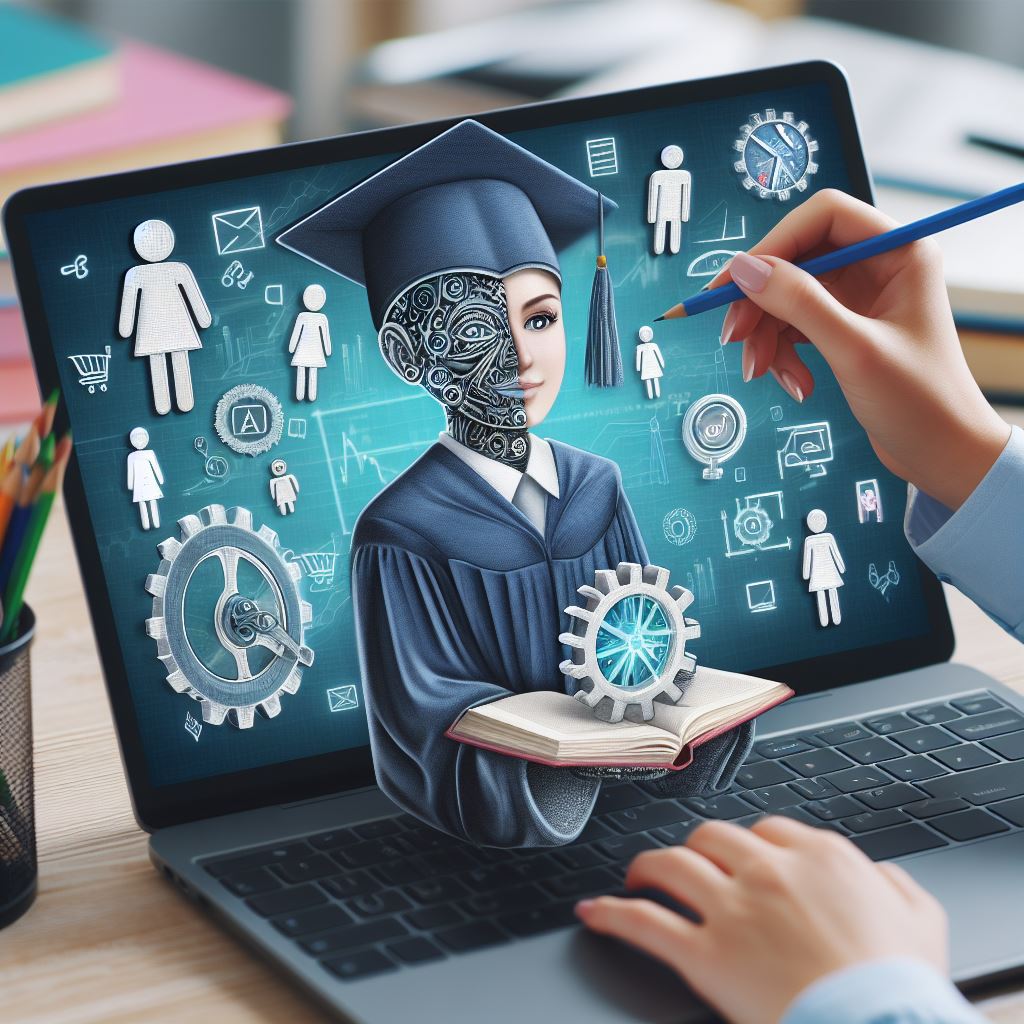
By adopting a strategic approach to digital learning, anyone can maximize the benefits of online education, thus enriching their knowledge and skills in an increasingly competitive world. The journey of self-directed learning not only enhances personal growth but also opens doors to new opportunities, making it an invaluable asset in the modern digital landscape.
DISCOVER MORE: Click here to enhance your self-learning journey
Building Your Learning Toolbox
The first step in leveraging online resources for self-directed learning is assembling a toolbox of essential platforms that cater to your educational needs. With countless options available, selecting the right mix of resources can make all the difference in crafting an effective learning experience. Here, we explore some key categories of resources that can enrich your journey.
- Online Course Platforms: Websites like Coursera and Udemy provide structured courses complete with video lectures, assignments, and certificates of completion. These platforms partner with universities and industry leaders, offering courses on topics ranging from data science to cooking. For example, you can enroll in a course on machine learning which could bolster your tech skills, opening pathways to new career opportunities.
- Educational Websites: Khan Academy and edX serve as fantastic starting points for grasping foundational concepts in diverse subjects, including mathematics, science, and humanities. They provide access to thousands of instructional videos and practice exercises that encourage mastery of the material at your own pace.
- YouTube Channels: The platform offers a treasure trove of educational content. Channels like TED-Ed and Vsauce present engaging videos that simplify complex subjects, making learning both entertaining and informative. Whether it’s understanding quantum physics or exploring ecological systems, these videos can be a great way to spark your curiosity and broaden your knowledge base.
- Podcasts: Audio content has surged in popularity, with numerous podcasts dedicated to self-education. Programs like The EdSurge Podcast and How I Built This provide insights into the world of education and entrepreneurship. You can absorb valuable lessons during your daily commute or while exercising, turning passive time into active learning opportunities.
- Online Communities and Forums: Platforms such as Reddit and Stack Exchange offer spaces for discussion, Q&A, and resource sharing. Engaging with these communities can provide peer support, accountability, and access to unique resources that might not be widely advertised. Finding niche threads related to your interests can lead to fruitful discussions, helping you deepen your understanding.
Moreover, it is crucial to cultivate an effective learning habit. Self-directed learners should prioritize time management by establishing a dedicated schedule that accommodates their lifestyle. Setting aside specific blocks of time for learning each week can enhance focus and accountability. Research shows that consistent study periods lead to better retention of information, so creating a routine is essential.
Another pivotal aspect of self-directed learning is goal-setting. Clear objectives will guide your journey and keep you motivated. Whether it’s completing a course, reading a certain number of books, or mastering a new software tool, outlining specific, measurable goals will empower you to track your progress. Tools like Trello or Notion can help organize your tasks and resources efficiently.
Incorporating a variety of online resources can ultimately create a well-rounded education tailored to your interests and aspirations. By building a diverse toolbox and nurturing productive habits, self-directed learners can navigate the vast online landscape with confidence and curiosity.
Exploring Effective Strategies for Self-Directed Learning
Self-directed learning has gained significant traction in recent years, largely due to the accessibility and vast amount of information available online. By leveraging online resources, learners can take control of their education, tailoring their experiences to fit their individual needs and preferences. Below are practical strategies for effectively harnessing these resources.One potent strategy is to utilize MOOCs (Massive Open Online Courses), which offer a wide array of courses from reputable institutions. Platforms such as Coursera, edX, and Udemy allow learners to explore topics ranging from programming to psychology, often for free or at a low cost. This not only empowers individuals but also democratizes education.Another approach involves engaging with interactive online forums and communities. Platforms like Reddit, Stack Exchange, and specialized Facebook groups enable learners to ask questions, share resources, and receive feedback from peers and experts. This collaborative learning environment encourages deeper understanding and builds a support network that is invaluable in the self-directed learning journey.Moreover, leveraging digital libraries and e-books can enrich your learning experience. Websites such as Project Gutenberg and Google Books provide access to vast collections of academic texts, research articles, and primary sources, catering to a variety of disciplines. This availability of resources fosters a culture of exploration and continuous learning.Lastly, using social media as a learning tool can also be effective. By following thought leaders, educators, and relevant organizations on platforms like Twitter and LinkedIn, learners can stay updated on the latest trends, tools, and methodologies in their fields of interest. Engaging with content and discussions on these platforms not only enhances knowledge but also nurtures professional connections.In summary, self-directed learning through online resources offers countless opportunities for personalized education. By utilizing MOOCs, interactive forums, digital libraries, and social media, individuals can make informed choices about their learning paths and achieve their educational goals effectively.
| Category | Description |
|---|---|
| MOOCs | Offers a plethora of courses from renowned institutions to broaden knowledge extensively. |
| Community Forums | Allows learners to ask questions and exchange resources, enhancing understanding through collaboration. |
| Digital Libraries | Provides access to extensive academic texts, enriching the learning experience with diverse materials. |
| Social Media | Connects learners with industry leaders and keeps them informed about the latest educational trends. |
DIVE DEEPER: Click here to learn more
Strategies for Maximizing Learning Outcomes
Once you have built your learning toolbox, the next step in leveraging online resources for self-directed learning lies in maximizing your learning outcomes. The sheer volume of content available online can be overwhelming, but by adopting effective strategies, you can enhance your educational experience significantly. Here are several tactics to help you optimize your learning.
- Active Learning: Engage actively with the content you consume. Instead of passively watching videos or listening to podcasts, take notes, summarize key points, and ask yourself questions. This technique, known as active learning, not only reinforces understanding but also helps retain information in the long term. Furthermore, consider discussing topics with peers or joining study groups online, where collaborative efforts can elevate your learning experience.
- Cross-Disciplinary Learning: Embrace the idea of cross-disciplinary learning, where knowledge from one field enhances understanding in another. For instance, if you’re studying marketing, exploring psychology can provide insights into consumer behavior. Platforms like LinkedIn Learning offer courses that span a variety of disciplines, enabling learners to create interconnected knowledge that can be highly beneficial in real-world scenarios.
- Utilizing Assessment Tools: Take advantage of online quizzes and assessments available on platforms such as Quizlet or ProProfs. These tools help gauge your understanding of a subject, identify areas that need improvement, and track your progress. Regular self-assessment encourages accountability, making sure that learning remains focused and effective.
- Embracing Adaptive Learning Technology: Consider platforms that use adaptive learning technology, such as DreamBox and Duolingo. These systems tailor the learning experience based on your performance, ensuring that you are neither bored with material that is too easy nor overwhelmed by challenges that are too difficult. This personalized approach not only increases engagement but can also lead to faster mastery of topics.
- Networking with Experts: Don’t hesitate to reach out to thought leaders in your chosen field. Websites like Meetup host virtual events and webinars where you can interact with industry professionals and deepen your understanding of current trends. Networking can lead to mentorship opportunities, providing further guidance along your educational journey.
Equally important to learning strategies is the need to harness technology effectively. Utilizing digital tools such as Google Scholar for research or Trello for project management can greatly enhance your productivity. Additionally, keeping tabs on developments in your area of interest through online newsletters or blogs can ensure you are always equipped with the latest information, trends, and research findings.
The integration of technology can transform your learning experience. For instance, virtual reality (VR) is becoming increasingly popular in educational resources. Platforms such as engageVR provide immersive experiences that can help you understand complex concepts by simulating real-life scenarios. Such innovative methods not only captivate learners’ attention but also facilitate experiential learning.
Ultimately, self-directed learning in the digital age is not about consuming content passively but rather about fostering an environment of active engagement, exploration, and growth. By strategically employing these methods and leveraging the multitude of available online resources, you can not only achieve your educational goals but also become a lifelong learner adaptable to change and equipped for the future.
DIVE DEEPER: Click here to enhance your learning techniques
Conclusion
In conclusion, the landscape of self-directed learning has been profoundly transformed by the advent of online resources. As learners increasingly seek autonomy and flexibility, leveraging these digital tools can offer a tailored and enriched educational experience. By actively engaging with content and exploring interdisciplinary connections, you can deepen your understanding and cultivate a more holistic view of your field.
Moreover, the importance of continuous self-assessment cannot be understated. Utilizing adaptive learning platforms ensures that your educational journey is personalized and responds to your unique progress. Coupled with networking opportunities that facilitate interactions with experts, you gain invaluable insights and mentorship that can propel your learning forward.
As you navigate this vast ocean of online knowledge, remember that the most effective learners are those who remain curious, adaptable, and proactive. By adopting strategies such as cross-disciplinary studies and active participation in learning communities, you’ll not only enhance your skills but also foster a mindset geared towards lifelong learning.
In a world that is constantly evolving, embracing the power of online resources for self-directed learning will not just enrich your knowledge but also prepare you for the challenges of tomorrow. Explore these resources passionately and thoughtfully, and become not just a passive consumer but an active participant in shaping your educational trajectory.