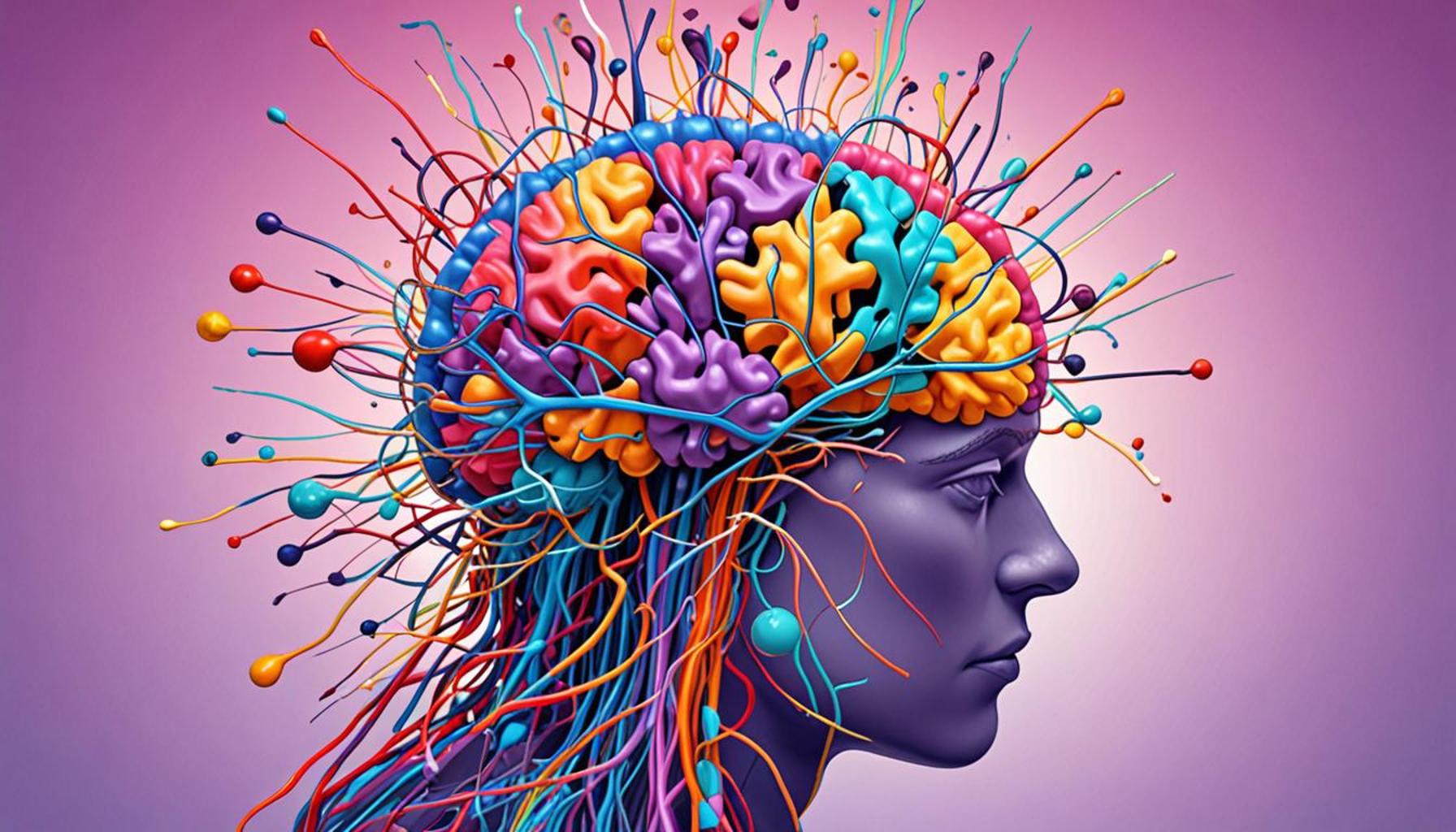
Strategies for Developing a Proactive Mindset for Independent Learning

Understanding a Proactive Mindset in Learning
In the contemporary landscape of education, where information is available at the touch of a button, the ability to learn independently has never been more crucial. Cultivating a proactive mindset can significantly enhance the educational experience, allowing learners to take control of their paths and achieve greater success. Unlike passive learners who wait for direction, proactive individuals actively seek knowledge, question assumptions, and embrace new opportunities. This approach not only enriches the learning process but also builds essential life skills such as adaptability and critical thinking.
But what does it mean to truly embody a proactive learning stance? Here are some key characteristics that define proactive learners:
- Self-motivation: Proactive learners establish personal educational goals that ignite their passion. For example, a student aiming to master a new programming language might set quarterly objectives to complete specific projects or tutorials.
- Resourcefulness: The most effective learners are those who seek out a variety of resources to enhance their understanding. This could be anything from online courses and textbooks to podcasts or educational YouTube channels. They know that learning isn’t confined to one source.
- Reflection: Regular assessment of one’s own progress is vital. A proactive learner might maintain a learning journal, noting challenges faced, strategies implemented, and successes achieved, thereby informing future learning plans.
Developing this mindset requires intentional effort and specific strategies. Here are some practical methods that can be applied:
- Embrace challenges: Rather than fearing setbacks, proactive learners view them as stepping stones to success. For instance, when encountering a difficult concept in math, instead of giving up, they might seek additional help or alternative explanations.
- Stay organized: Keeping a structured schedule is vital. Utilizing planners, digital tools like Google Calendar, or apps such as Trello helps students manage their study time effectively, ensuring they allocate sufficient time for each subject or project.
- Connect with others: Engaging with peers through study groups or online forums creates a communal learning environment. These interactions can lead to the exchange of innovative ideas and different perspectives, further enriching the learning experience.
By incorporating these strategies into daily habits, anyone can arm themselves with the tools necessary for successful independent learning. This proactive approach not only enhances knowledge acquisition but also fosters resilience, encouraging individuals to persevere in the face of challenges. In the following sections of this article, we will explore additional techniques and insights that promote a proactive learning culture, paving the way for lifelong learning and personal growth.
DISCOVER MORE: Click here to delve deeper

Practical Techniques to Foster a Proactive Learning Environment
Building a proactive mindset for independent learning requires more than just a general desire to learn; it demands a commitment to specific actions and strategies that encourage ongoing engagement and exploration. To stand at the forefront of this journey, learners should implement practical techniques that lay the foundation for effective independent study. Here, we delve into actionable strategies that can transform the approach to learning and instill a proactive spirit.
1. Set Clear and Attainable Goals
One of the fundamental aspects of developing a proactive mindset is the establishment of clear, measurable goals. SMART goals—Specific, Measurable, Achievable, Relevant, and Time-bound—serve as a reliable framework. For instance, a college student might aim to improve their writing skills by planning to complete one essay every month, thereby creating a tangible target to work towards. This goal-setting process not only clarifies intentions but also motivates continuous progress.
2. Prioritize Continuous Learning
Embracing a culture of lifelong learning is essential for proactive learners. This involves seeking opportunities outside traditional academic environments. Enrolling in online courses through platforms like Coursera or edX, attending local workshops, or engaging in community education programs are excellent ways to expand knowledge. By prioritizing continuous learning, individuals remain curious and open to new ideas, setting the stage for a rich educational experience.
3. Cultivate a Growth Mindset
Adopting a growth mindset—a term coined by psychologist Carol Dweck—encourages learners to view their abilities as improvable rather than fixed. This transformative perspective fosters resilience and persistence in the face of challenges. Rather than being discouraged by difficulties, learners who embrace a growth mindset ask questions, welcome feedback, and learn from criticism. They may encounter stumbling blocks, but these obstacles become opportunities for deeper understanding.
4. Utilize Effective Learning Techniques
Innovative learning techniques can significantly bolster a proactive approach. Consider incorporating methods like:
- Active Recall: Testing oneself on the material rather than passively reading can reinforce memory retention.
- Spaced Repetition: Reviewing information at spaced intervals helps combat the forgetting curve, allowing learners to retain knowledge more effectively over time.
- Interleaved Practice: Mixing different subjects or types of problems during study sessions can enhance cognitive flexibility and transfer of skills.
These techniques not only improve retention but also encourage learners to take charge of their education actively.
By incorporating these practical techniques into their daily routines, individuals can cultivate a proactive mindset that not only enriches their current educational experiences but also sets a strong foundation for lifelong learning. As a result, the transition from passive to proactive learning becomes more fluid, empowering learners to seize control of their educational journeys. In the subsequent sections, we will explore additional strategies that enhance the proactive mindset and lead to greater success in independent learning.
Understanding the Proactive Mindset
Developing a proactive mindset for independent learning is essential for individuals seeking to thrive in various educational environments. A proactive mindset involves taking initiative, anticipating challenges, and being self-directed in pursuing knowledge. This approach not only enhances learning outcomes but also fosters resilience and adaptability.
The Importance of Self-Motivation
One of the key aspects of a proactive mindset is self-motivation. Individuals must cultivate internal drive to set learning goals and pursue them relentlessly. This can be enhanced by identifying personal interests and aligning them with learning objectives. Engaging in self-reflection to assess progress can also lead to improved motivation levels.
Strategies to Build a Proactive Mindset
There are several effective strategies that can aid in developing a proactive mindset:
- Set Clear Goals: Define specific and measurable goals to provide direction and a sense of purpose in learning.
- Embrace Challenges: View obstacles as opportunities for growth and learning rather than setbacks.
- Develop Problem-Solving Skills: Engage regularly in activities that require critical thinking and creative solutions.
- Seek Feedback: Actively seek constructive criticism and use it to refine one’s approach to learning.
The Role of Resources
Utilizing available resources effectively can significantly contribute to fostering a proactive learning environment. This includes leveraging online platforms, tutorials, and peer collaboration to enhance understanding. Furthermore, adopting effective study habits such as time management and organized note-taking can optimize the learning experience.
| Category | Benefits |
|---|---|
| Goal Setting | Provides clear direction and enhances focus on priorities |
| Self-Reflection | Facilitates continuous improvement and self-awareness |
| Peer Collaboration | Promotes diverse perspectives and enhances problem-solving abilities |
| Adaptability | Enhances resilience in the face of challenges and fosters continuous learning |
Conclusion
By implementing these strategies, learners can nurture a proactive mindset, thereby transforming their independent learning experience. This proactive approach not only improves retention and comprehension but also empowers individuals to become life-long learners.
DISCOVER MORE: Click here to dive deeper
Empowerment Through Strategic Resources
As learners embark on their independent educational journeys, leveraging available resources strategically can significantly streamline the process and enhance engagement. By understanding how to utilize a variety of resources effectively, learners can reinforce their proactive mindset and ensure they are equipped to tackle challenges head-on.
5. Harness Technology and Digital Tools
In today’s fast-paced digital landscape, the ability to navigate and utilize technology is imperative. Numerous digital tools can facilitate independent learning by promoting organization and access to information. For example, applications like Evernote or Notion help learners organize notes, manage tasks, and curate resources in one accessible location. Additionally, platforms such as Quizlet enable learners to create flashcards that leverage active recall techniques, making studying not just efficient but engaging as well. By incorporating technology into their learning routine, individuals can create a more dynamic and interactive experience that reinforces their proactive approach.
6. Join Learning Communities
Fostering connections with like-minded individuals can significantly enhance the independent learning experience. By participating in learning communities, whether online through forums like Reddit and Discord or locally in study groups, learners can share ideas, resources, and insights. Engaging in discussions and collaborations often leads to deeper understanding and motivation, as individuals exchange perspectives and experiences. Moreover, these communities often provide accountability, encouraging members to remain dedicated to their learning goals.
7. Cultivate Time Management Skills
A key component of independent learning is the ability to manage time effectively. Establishing a structured schedule can help learners avoid procrastination and ensure they allocate sufficient time for study and exploration. Techniques such as the Pomodoro Technique, which involves studying in focused intervals followed by short breaks, can enhance concentration and productivity. Learners should also consider using digital calendars or planner apps to track deadlines and commitments, fostering a sense of responsibility and ownership over their education.
8. Reflective Practices for Continuous Improvement
Incorporating reflective practices into the learning process is an essential strategy for cultivating a proactive mindset. Regularly assessing one’s progress, learning methods, and emotional responses allows for informed adjustments and refinements to one’s study approach. Keeping a learning journal where individuals jot down reflections on what worked, what didn’t, and how they felt about their learning can foster a deeper self-awareness, ultimately leading to smarter learning strategies. Moreover, taking the time to celebrate achievements, no matter how small, reinforces motivation and dedication.
By integrating these empowering strategies into their daily routines, learners can navigate their educational journeys with confidence and determination. Each resource or technique not only contributes to immediate goals but also molds a resilient mindset prepared for life-long learning, fostering a proactive approach that adapts to new challenges and evolving knowledge landscapes. As education continues to evolve, staying informed about innovative practices becomes essential for any independent learner striving for success.
DISCOVER MORE: Click here for insights on building your support network
Conclusion: Embracing a Proactive Approach to Independent Learning
In a world that constantly demands adaptability and self-directed engagement, developing a proactive mindset for independent learning is not merely advantageous; it is essential. The strategies outlined herein—leveraging technology, participating in learning communities, mastering time management, and implementing reflective practices—each play a pivotal role in transforming traditional learning paradigms into empowering experiences. By harnessing these techniques, learners can tailor their growth paths, turning challenges into opportunities for self-discovery and skill enhancement.
The importance of technology cannot be overstated in today’s educational landscape. Digital tools and applications not only make information more accessible but also provide a framework for organized study habits that encourage consistency. Likewise, engagement in collaborative learning communities bolsters motivation and fosters a sense of accountability, creating an environment where shared knowledge and support thrive.
Time management, a critical skill in the independent learning toolkit, equips individuals with the discipline necessary to prioritize and navigate their educational commitments effectively. Furthermore, reflective practices foster continuous self-improvement, enabling learners to assess and pivot their strategies as they progress.
Ultimately, adopting a proactive mindset lays the foundation for lifelong learning. As practitioners of independent learning embrace these strategies, they become not only more effective in reaching their immediate goals but also better prepared to handle the evolving demands of a fast-paced, knowledge-driven society. Dedicating oneself to these practices can spark a journey of discovery and innovation that lasts well beyond the classroom.