
The Power of a Growth Mindset in Self-Learning
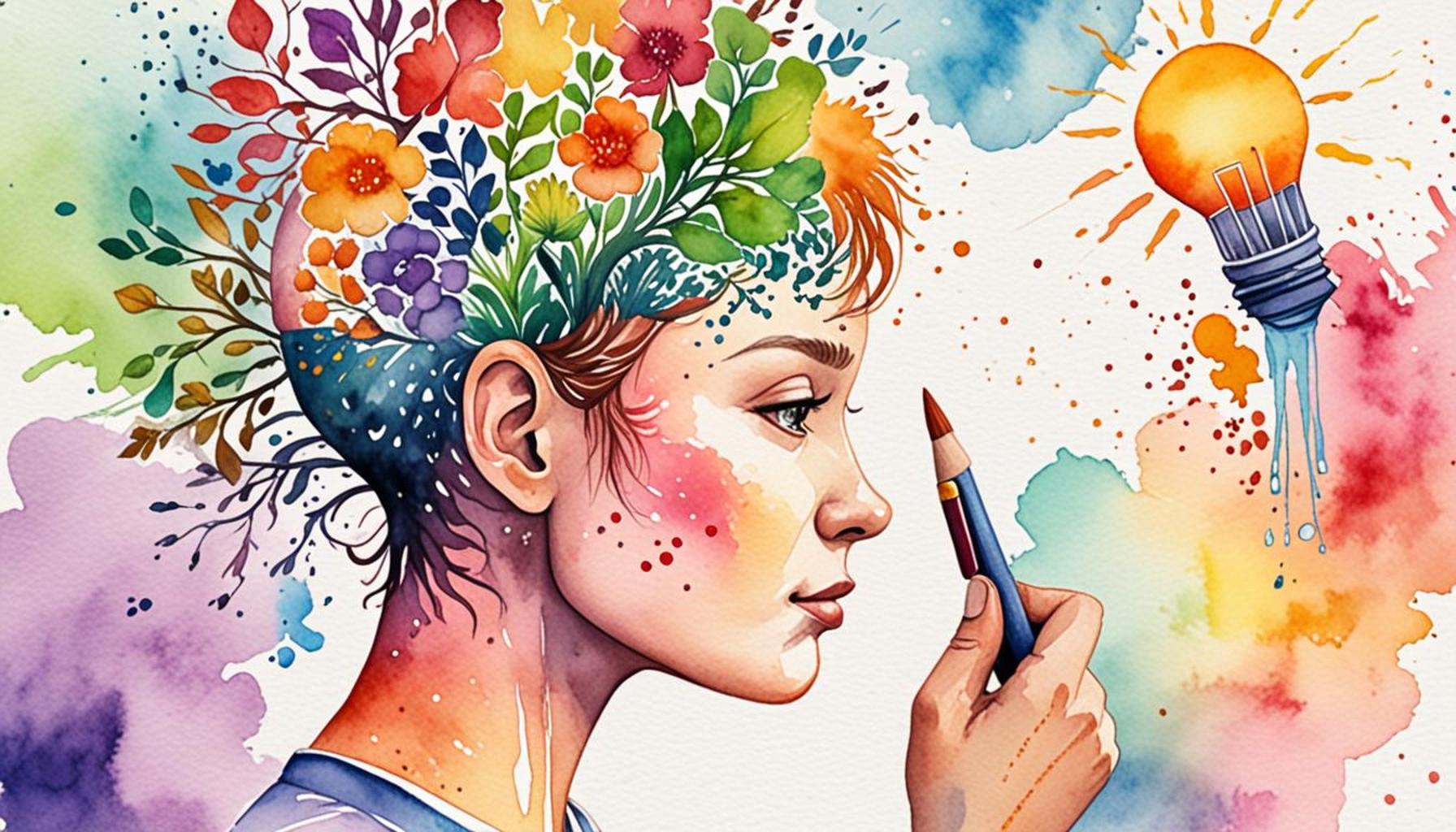
The Significance of a Growth Mindset in Modern Learning
In a world where change is the only constant, adapting and evolving has never been more critical. The concept of a growth mindset, first popularized by psychologist Carol Dweck, revolves around the belief that intelligence and abilities can be developed through dedication and hard work. This perspective not only promotes self-learning but also plays an essential role in shaping individual paths in both personal and professional arenas.
Adopting a growth mindset offers several pivotal benefits. For example, it cultivates resilience. Every successful entrepreneur, from Steve Jobs to Oprah Winfrey, has faced and overcome adversity. They transformed challenges into stepping stones, illustrating how viewing setbacks as learning opportunities can lead to unforeseen success. This ability to bounce back from obstacles is a hallmark of a growth mindset, allowing individuals to persist where others may falter.
Moreover, a growth mindset nurtures curiosity. This innate willingness to explore new ideas can spark innovation. For instance, the tech industry is filled with companies that thrive by continuously exploring the unknown, such as Google, which encourages its employees to experiment and innovate. Such an environment fuels creativity and can result in groundbreaking ideas and products that redefine markets.
Perhaps most importantly, embracing a growth mindset fosters confidence. When individuals believe in their capacity to learn and adapt, they are more inclined to tackle challenging subjects and complex problems. A student struggling with mathematics might ultimately excel by believing that practice and effort yield improvement, thereby tackling harder math problems with increased assurance.
In practical terms, embracing a growth mindset leads to several effective self-learning strategies. People can actively seek feedback as a valuable tool for improvement, helping them refine their skills and enhance understanding. For example, after a presentation at work, asking colleagues for their thoughts can provide insight into areas of improvement that might not be evident otherwise.

Additionally, viewing mistakes as learning opportunities is crucial. Instead of feeling defeated by errors, those with a growth mindset analyze what went wrong and use this information for future endeavors. This approach can lead to a more profound understanding of their subject matter.
Finally, setting realistic goals that stretch one’s capabilities is fundamental. By aiming high yet remaining realistic, individuals can cultivate a sense of achievement while also making tangible progress toward their aspirations.
By nurturing a growth mindset, individuals not only transform their learning experiences but also revolutionize their overall approach to life and work. Research supports the notion that this mindset is not merely theoretical; it provides actionable strategies that anyone can adopt to enhance their personal and professional lives. As we delve deeper into the facets of a growth mindset, it becomes increasingly clear that this philosophy is key to thriving in today’s complex world.
DISCOVER MORE: Click here to dive deeper
Transforming Challenges into Learning Opportunities
The philosophy of a growth mindset empowers individuals to transform challenges into valuable learning opportunities. At the foundation of self-learning is the idea that knowledge is not a finite resource but a continuously expanding entity. This perspective encourages learners to embrace experiences that might initially seem daunting, positioning setbacks as essential components of their educational journey.
To illustrate the impact of a growth mindset in self-learning, consider the practice of self-reflection. Individuals who engage in self-reflection regularly assess their understanding and progress, leading to a deeper awareness of their strengths and weaknesses. By examining what worked and what didn’t, they can develop targeted strategies to improve their skills. This cyclic process of learning—where each cycle builds on the lessons learned from previous attempts—fosters a more profound and lasting grasp of new concepts.
Key Strategies for Cultivating a Growth Mindset
Here are several practical methods that can enhance self-learning through a growth mindset:
- Embrace Lifelong Learning: Adopting a mindset that values continuous learning can propel individuals toward exploring diverse fields, whether it be taking online courses, attending workshops, or simply engaging with educational content such as podcasts or books.
- Leverage Constructive Criticism: Actively seeking out feedback from peers or mentors not only supports personal growth but can also reveal insights that one may have overlooked. Constructive criticism acts as a mirror reflecting areas for improvement.
- Practice Deliberate Practice: In fields where performance is essential—such as music, sports, or academics—engaging in deliberate practice focuses on specific skills and is typically characterized by setting clear goals, practicing regularly, and reflecting on performance outcomes.
- Network with Like-Minded Individuals: Surrounding oneself with others who exhibit a growth mindset creates an environment rich in encouragement and mutual support. Engaging in discussion fosters greater learning and instills a sense of shared purpose.
Research indicates that those who put into practice these strategies not only enhance their ability to learn but experience improved emotional well-being. The act of learning becomes less about competition and more about personal growth, which can motivate individuals to push beyond their limits and explore uncharted territories.
Moreover, embracing the philosophy of a growth mindset leads to enhanced problem-solving skills. When faced with a challenge, those with a growth mindset are less likely to shy away from complexity. Instead, they dive in, armed with the belief that every problem has a solution waiting to be discovered. This approach cultivates a sense of control and ownership over one’s learning journey.
Ultimately, the ability to continuously learn and adapt is crucial in today’s fast-paced world. Incorporating a growth mindset into self-learning not only equips individuals with the tools necessary for personal and professional success but also fosters a more enriching and fulfilling life experience. The journey of self-education, powered by a growth mindset, unveils the boundless potential that lies within each of us.
| Advantage | Description |
|---|---|
| Enhanced Problem-Solving Skills | Cultivating a growth mindset encourages individuals to view challenges as opportunities to learn, ultimately refining their problem-solving abilities. |
| Increased Resilience | A positive mindset fosters resilience, allowing learners to bounce back from setbacks and embrace failure as part of the learning process. |
| Greater Motivation | Believing that abilities can be developed strengthens intrinsic motivation, which is critical for continuous self-learning and growth. |
| Adaptive Learning Strategies | With a growth mindset, individuals are more open to adjusting their strategies when faced with new information or unexpected challenges. |
The advantages of adopting a growth mindset in self-learning create a robust foundation for personal and professional development. By enhancing problem-solving skills, individuals become adept at facing complex challenges, seeing them not as roadblocks but as stepping stones for growth. This ability to innovate and devise new strategies is integral in today’s ever-evolving learning landscape. Moreover, increased resilience ensures that learners maintain their enthusiasm even when faced with failures, transforming those moments into valuable lessons. Furthermore, through fostering greater motivation, a growth mindset enables individuals to cultivate a lifelong love for learning, which is essential in rapidly changing environments. This adaptability not only enriches personal knowledge but also equips individuals with essential skills to thrive in diverse scenarios. As self-learners embrace these advantages, they unlock their fullest potential, paving the way for continuous personal evolution.
DIVE DEEP: Click here to uncover more insights
Unlocking Creativity through a Growth Mindset
A growth mindset is not only about overcoming obstacles but also about unlocking creativity in the learning process. When individuals approach self-learning with the belief that their abilities can develop through dedication and hard work, they often open themselves up to innovative thinking and new perspectives. This is particularly relevant in creative fields such as writing, design, and technology, where unconventional approaches can lead to breakthrough ideas.
To harness creativity in a self-learning context, embracing the idea of experimentation becomes vital. Experimentation allows learners to explore different methods and solutions, free from the fear of failure. For example, a budding graphic designer may attempt various styles and techniques without the pressure to achieve immediate perfection. This iterative process fosters an experimental environment where mistakes are seen as stepping stones to artistic growth rather than setbacks.
The Role of Curiosity in Self-Learning
Curiosity is another pivotal aspect interwoven with a growth mindset that can significantly impact personal learning journeys. Individuals who are naturally curious tend to possess a strong desire to learn, resulting in a deeper engagement with content. This curiosity fuels questions, leading to more thorough explorations and more comprehensive understandings of various subjects.
Engaging with diverse subjects can enrich an individual’s capacity to learn. For instance, a software developer might find inspiration from learning about art history or psychology, enabling them to create more user-centric applications. The interconnectedness of knowledge becomes apparent when learners are encouraged to explore unconventional combinations of topics.
Incorporating Technology into the Learning Process
Technology has revolutionized how we approach self-learning, providing access to vast resources and materials that can enhance the growth mindset. Online platforms such as Coursera and edX offer courses from prestigious institutions, allowing users to tailor their learning experiences to their personal needs and interests. This democratization of knowledge has made it possible for anyone, regardless of background, to pursue self-directed education.
Moreover, integrating technologies like gamified learning apps can motivate learners by turning the often-overwhelming process of education into a more engaging experience. Apps that feature rewards, levels, and challenges encourage users to persist in their learning journeys while adopting a playful perspective on education.
The Power of Mindfulness in Learning
Additionally, nurturing a growth mindset can be complemented by mindfulness practices aimed at promoting cognitive flexibility. Mindfulness techniques, such as meditation or journaling, can help learners center their thoughts and access a more expansive view of their capabilities. When individuals practice mindfulness, they become more attuned to their inner dialogues, enabling them to overcome limiting beliefs that hinder personal growth.
For instance, a student grappling with anxiety over their performance might opt to incorporate mindfulness techniques into their study routine. This approach can help them replace negative self-talk with constructive reflections, ultimately leading to improved performance and a greater willingness to engage with challenging concepts.
By unlocking creativity, nurturing curiosity, utilizing technology, and practicing mindfulness, individuals can significantly amplify their self-learning journeys. The influence of a growth mindset empowers them to view challenges as opportunities for growth while richening their educational experiences in ways that are both enjoyable and deeply fulfilling.
DISCOVER MORE: Click here to delve deeper</
Conclusion: The Transformative Impact of a Growth Mindset on Self-Learning
In an era where self-learning has become a vital skill set for personal and professional development, the power of a growth mindset emerges as a transformative force. By embracing the belief that abilities can evolve through effort, dedication, and resilience, individuals can harness their intrinsic potential to explore, create, and innovate. This mindset not only encourages learners to unlock their creativity but also fosters a deeper sense of curiosity that propels them to engage with a wide array of subjects, enriching their knowledge base.
As we continue to navigate a digital age replete with resources such as online courses and educational apps, the integration of technology serves to enhance the self-learning experience significantly. Moreover, by incorporating mindfulness practices, learners can cultivate a positive internal dialogue, overcoming the barriers imposed by self-doubt and anxiety. Together, these elements foster a robust learning environment where mistakes are viewed not as failures but as stepping stones to success.
Ultimately, adopting a growth mindset in self-learning cultivates not just a desire for knowledge, but a lifelong love for learning itself. By continuously pushing boundaries and challenging conventional limits, individuals can transform their educational journeys into rich, engaging experiences. As more people discover the profound benefits of this approach, the potential for innovation and personal achievement is boundless. Explore, create, and grow—your journey begins with the right mindset.