Training for Trick Performance: Engaging Your Pet’s Mind and Body
Unlock Your Pet’s Potential
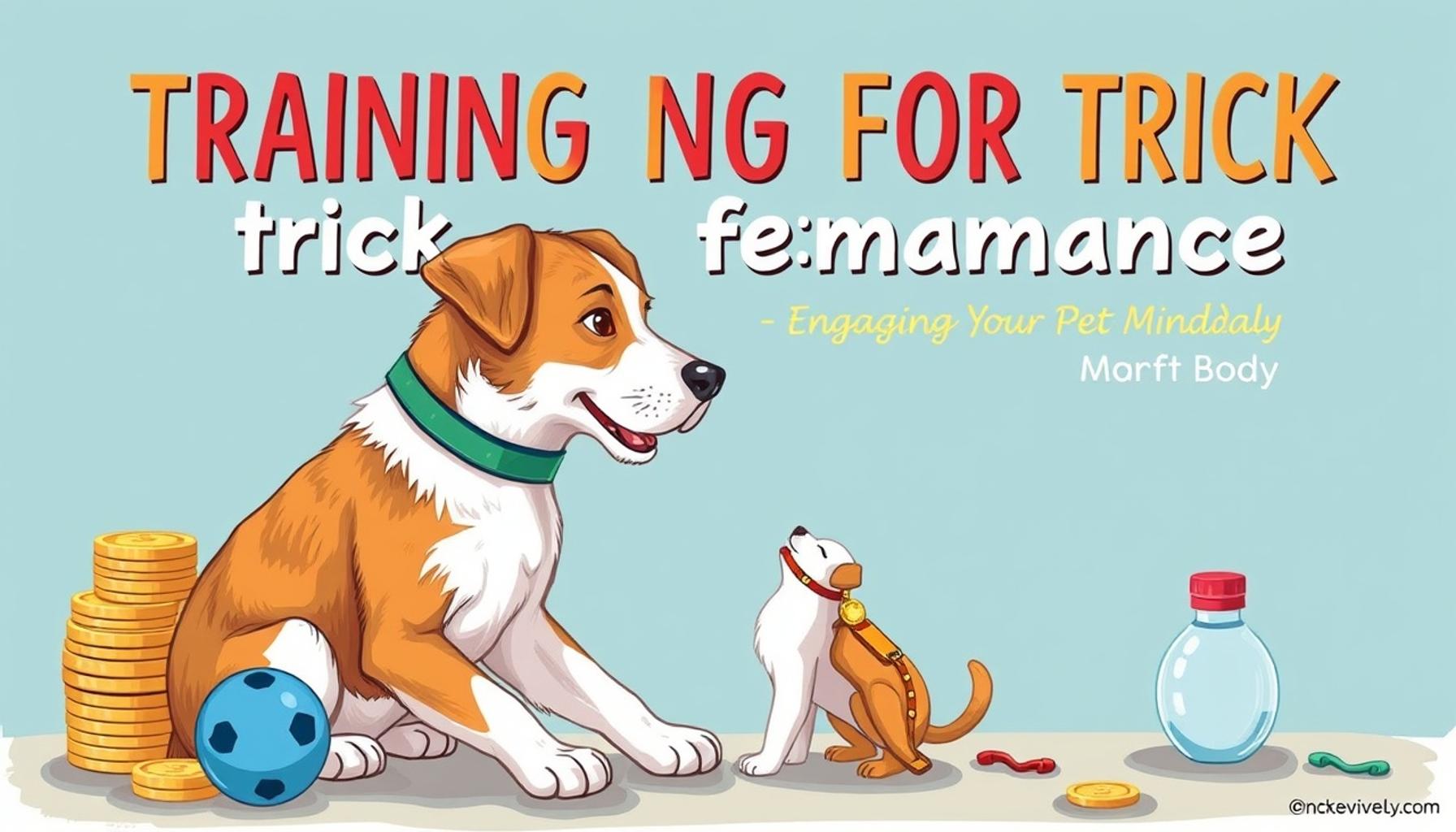
Training your pet to perform tricks is not just about impressing your friends; it’s a fantastic way to engage your pet’s mind and body. Incorporating tricks into their daily routine can significantly enhance their mental agility and physical coordination. This practice not only entertains but also fosters a deeper bond between you and your furry companion, enriching both of your lives.
The Benefits of Trick Training
- Stimulates Mental Engagement: Trick performance presents a cognitive challenge for your pet, keeping their mind sharp and proactive. Dogs, especially, with their craving for mental stimulation, thrive when they’re learning new commands. In fact, studies have shown that mental exercises can combat behavioral issues that arise from boredom.
- Encourages Physical Activity: Trick training naturally requires movement, promoting a healthy lifestyle. For instance, tricks that involve jumping, weaving through obstacles, or even retrieving objects, are great for enhancing endurance and agility. On average, a well-exercised pet is less prone to obesity and related health problems.
- Strengthens Your Bond: Training sessions are prime opportunities to build trust and improve communication between you and your pet. Sharing these experiences cultivates a sense of teamwork. As you both celebrate achievements, from learning ‘spin’ to mastering ‘play dead’, you’ll find yourselves connecting on a deeper level.
Many pet owners are on a constant quest to enrich their furry friends’ lives, and trick training provides a structured method to achieve this while having fun. As you explore various tricks—starting from simple commands to more intricate performances—you’ll likely unlock hidden talents your pet may possess. For example, some dogs may excel at balance tricks, like standing on their hind legs, while others might shine in agility tasks, such as navigating through a series of cones.
Getting Started
To embark on the exciting journey of trick training, begin with simple exercises like ‘sit’, ‘shake’, or ‘roll over.’ These foundational commands not only serve as a springboard for future tricks but also help establish a routine. Gradually progress to more complex feats that captivate their interest, such as ‘dance’, ‘spin’, or even teaching them to fetch specific items by name.
With consistent practice, patience, and positive reinforcement—such as treats or verbal praise—both you and your pet can enjoy a rewarding journey through the world of trick performance. Remember, the key is to make each session enjoyable and engaging. Celebrate small victories and don’t get discouraged by setbacks. The transformative effects of trick training will not only reveal your pet’s hidden potential but also create cherished memories that last a lifetime.
DON’T MISS: Click here to learn how to address fear in your pets
Foundations of Effective Trick Training
When it comes to training for trick performance, setting a solid foundation is crucial. Just like any skill, teaching your pet to perform tricks effectively hinges on understanding their learning style, building trust, and establishing a clear communication method. This begins with knowing your pet’s personality—some may be eager learners, while others might require more patience and encouragement.
Understanding Your Pet’s Learning Style
Each pet is unique, and recognizing their preferred way of learning can greatly influence the training process. For instance:
- Visual Learners: Some pets quickly grasp commands through demonstrations. Using hand signals coupled with verbal cues can enhance their learning process.
- Auditory Learners: Pets that respond well to verbal commands often thrive on consistent tones and praise. Be sure to use enthusiastic and varied tones to keep their interest piqued.
- Tactile Learners: This group often benefits from physical interactions such as gentle touches or guiding their movements, helping them understand the tricks better.
By tailoring your approach based on your pet’s learning style, you can facilitate quicker comprehension and retention of the tricks you want them to master. Take the time to observe how they respond during training sessions; adjusting your methods can make a world of difference.
Building Trust and Communication
A successful trick training journey is built on a foundation of trust between you and your pet. Recognizing their cues, gauging their comfort levels, and being attentive to their signals fosters an environment where they feel safe and eager to learn. Here are some strategies to enhance trust:
- Use Positive Reinforcement: Encourage desired behaviors through rewards such as treats, praise, or playtime. This approach reinforces their confidence and motivation.
- Keep Training Sessions Short: Limiting sessions to around 5-10 minutes prevents frustration and keeps your pet engaged. Short, focused bursts of training are often more effective than lengthy sessions.
- Maintain a Calm Demeanor: Your tone and body language communicate a lot. A calm, encouraging, and supportive attitude creates a positive atmosphere where your pet knows it’s okay to make mistakes.
As you embark on this journey of engaging your pet’s mind and body, remember that the experience should be enjoyable for both of you. Trick training offers the unique opportunity to explore your pet’s capabilities while nurturing a closer bond. It’s not merely about achieving perfection but creating moments of joy and mutual discovery. Stay attuned to your pet’s reactions, maintain a sense of fun, and celebrate each achievement—no matter how small—and you will see the dividends of your efforts blossom.
| Advantage | Description |
|---|---|
| Cognitive Development | Engaging in trick performance stimulates your pet’s brain, enhancing their problem-solving skills and memory. |
| Physical Exercise | Trick training serves as an excellent form of exercise, helping to keep your pet active and promote overall physical health. |
Training for Trick Performance not only provides a platform for bonding with your furry companion but also brings forth a plethora of benefits that merge joy with well-being. By incorporating mental challenges through various tricks, you will find that your pet’s cognitive skills will improve significantly. This process not only strengthens their learning ability but also boosts their confidence. Consider this: pets, much like humans, thrive on interaction and intellectual stimulation. Regular trick training sessions can be a fantastic way to keep their minds sharp. Physical benefits also cannot be overlooked; alongside mental engagement, the dynamic movements associated with trick performing help maintain your pet’s fitness and agility. Moreover, the thrill of training can enhance your pet’s overall mood, reducing anxiety and behavioral issues. Engaging your pet’s mind and body is a remarkable way to enrich their life and develop a deeper understanding of their needs and abilities.
DISCOVER MORE: Click here to learn about the impact of consistency in training
Utilizing Techniques and Tools for Effective Training
With the fundamentals set, the next phase in training for trick performance involves leveraging various techniques and tools that can enhance your training efficiency. A diverse array of methods—from traditional to innovative—exist to cater to the unique learning styles of your pet. By incorporating these strategies, you can maximize your pet’s engagement and success during training sessions.
Clicker Training: A Proven Method
One of the most widely recognized techniques in positive reinforcement is clicker training. This method hinges on the use of a clicker, a small device that emits a distinct sound when pressed. The beauty of clicker training lies in its immediacy; upon completing a favorable action, the click signals to the pet that they have performed the desired behavior correctly. Here’s how to effectively implement clicker training:
- Introduce the Clicker: Begin by associating the sound of the clicker with treats. Click once and immediately provide a reward to your pet, creating a clear connection.
- Timing is Key: Once your pet understands the clicker, use it promptly when they perform a trick or behavior you’re trying to teach. This reinforces their understanding that a specific action leads to a reward.
- Gradual Progression: Start with simple tricks and gradually build to more complex ones, challenging your pet’s abilities as they become comfortable with initial commands.
Clicker training not only sharpens your pet’s cognitive skills but also enhances their listening ability, paving the way for more advanced trick performance.
Incorporating Mental Challenges
Engaging your pet’s mind is just as important as exercising their body. Introducing mental challenges into your training can significantly boost their overall development. Consider the following strategies:
- Puzzle Toys: Invest in puzzle toys that require your pet to solve problems to receive a reward. Such toys stimulate their brain and enhance their problem-solving skills.
- New Tricks and Games: Consistently rotate new tricks into training sessions. Whether it’s teaching your dog to play hide and seek or asking your cat to navigate an obstacle course, new challenges require focus and creativity.
- Socialization Opportunities: Arrange playdates with other pets. Observing and interacting with different animals can prompt new learning experiences and improve their adaptability.
By keeping your training dynamic and fresh, you promote sustained interest and enthusiasm from your pet.
The Role of Environment and Distractions
Creating an optimal training environment also significantly influences the effectiveness of trick training. Start in a calm, quiet area free from distractions. As your pet gains confidence and understands commands, gradually introduce mild distractions to enhance focus levels. This could include training in different locations such as parks or even in the backyard. Here are some tips to consider:
- Consistency is Crucial: Using a consistent cue or command across different settings ensures your pet can generalize their learning. For instance, whether at home or outdoors, the command “sit” should evoke the same response regardless of the location.
- Manage Distractions: If training in a distracting environment, allow your pet familiarization time before jumping into tricks. Gradually increase the complexity as they adjust.
- Utilize Props: Consider incorporating props like hoops or scarves to keep sessions entertaining while focusing on performing specific tricks.
Engaging both the body and mind of your pet is essential for success in trick performance training. By utilizing these techniques, you’ll not only craft a training plan that hones their physical abilities but also fosters cognitive growth, resulting in a well-rounded, happier, and more fulfilled companion.
DISCOVER MORE: Click here to learn about the power of consistency in training
Conclusion: The Joy of Trick Training
In summary, training for trick performance embodies more than just an opportunity to impress friends and family; it serves as a vital exercise for both your pet’s mind and body. By integrating techniques such as clicker training, incorporating mental challenges, and optimizing training environments, you create a rich, interactive experience that fosters growth and fulfillment. Each session not only sharpens your pet’s skills but reinforces the bond you share, turning training into a joyful, shared adventure.
As you embark on this training journey, remember that consistency, patience, and creativity are key. Discovering new games, challenges, and tricks can keep the learning process engaging and enjoyable for your pet. Whether you choose to utilize puzzle toys that stimulate their intellect or socialization opportunities that challenge their adaptability, the possibilities are endless. Moreover, training in diverse environments can help solidify the commands you’ve taught, making them reliable no matter the setting.
As you cultivate your pet’s capabilities, you may find that you also gain invaluable insights into their personality and preferences, enriching your understanding and relationship. The ribbons and accolades may be sweet rewards, but the real treasure lies in the joy of learning and the shared companionship that trick training fosters. So, gather your favorite treats, unleash your creativity, and step into the wonderful world of pet trick training—a delightful path that promises to engage, enrich, and entertain both you and your furry friend.