Tips for Creating a Safe and Comfortable Environment for Your Pet
Creating the Ideal Space for Your Furry Friends
Your pet’s comfort and safety are paramount to their happiness. Establishing a safe environment can enhance their well-being and ensure they thrive in your home. This guide will share essential tips that can help you create a cozy nook for your beloved animal.
To get started, consider these key aspects:
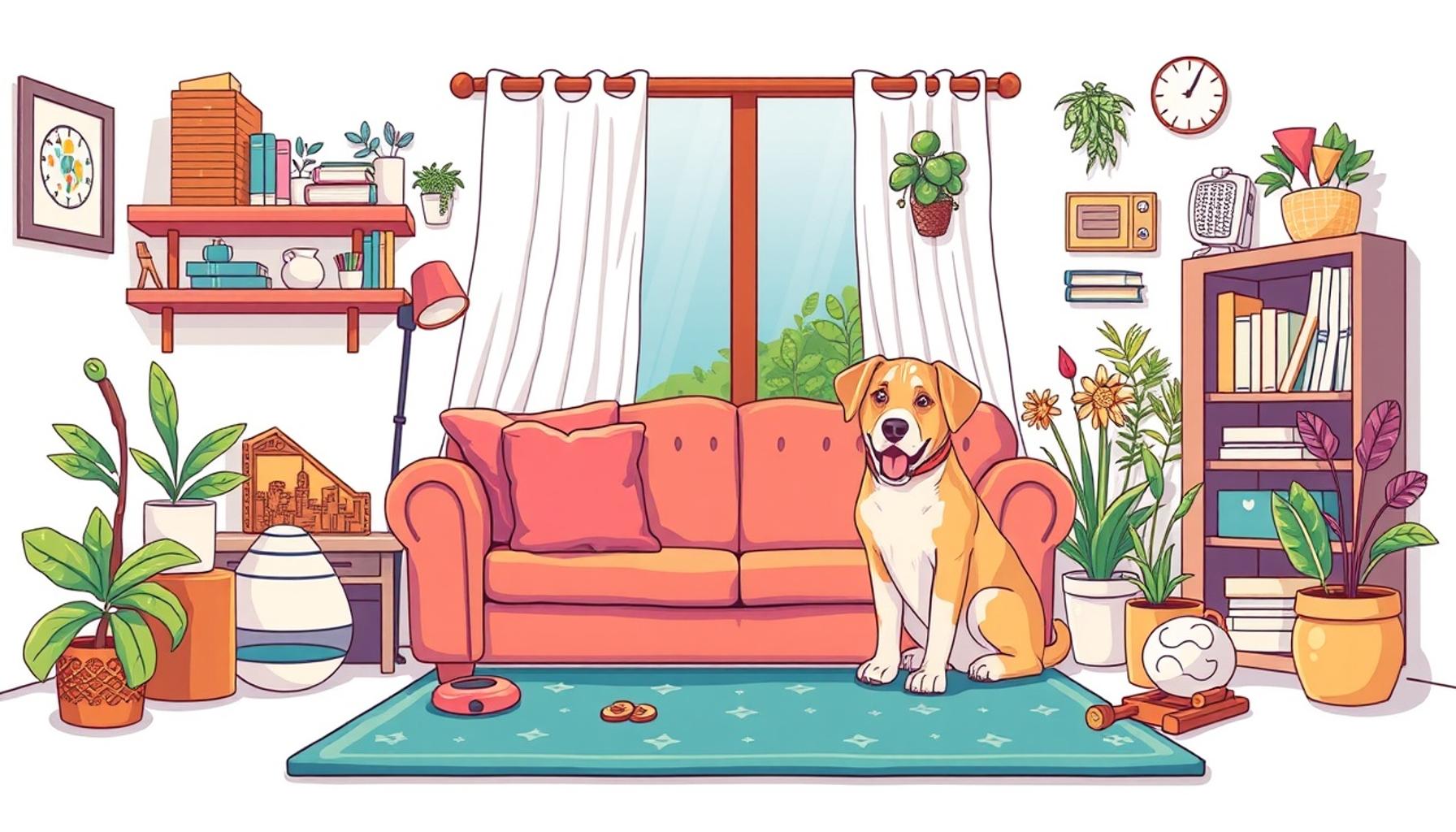
- Space Design: Make room for your furry companions to roam and explore. Pets require a designated area where they can play, stretch, and relax. For example, creating a pet-friendly zone in your living room with a soft rug can give your dog the space he needs to frolic, or an open window perch can provide your cat with hours of entertainment watching the world outside.
- Hazard Prevention: Keep dangerous items like cleaning supplies out of reach. Pets are naturally curious, and it’s essential to remove items like sharp objects, toxic plants, and hazardous chemicals from their immediate environment. Consider using cabinet locks and storage solutions designed specifically for homes with pets to prevent accidents.
- Comfort Zones: Provide soft bedding and safe toys to encourage relaxation. Selecting a comfortable pet bed that suits your pet’s size and sleep style can significantly enhance their comfort. Look for beds with orthopedic support for older pets or calming beds for anxious ones. Durable, safe toys not only entertain but also promote healthy chewing habits and can alleviate boredom.
Every pet, whether a playful puppy or a serene senior cat, has unique needs. Understanding their behaviors can lead to tailored adjustments in your living space. To create the safest atmosphere, pay attention to:
- Temperature Control: Ensure adequate heating and cooling based on your local climate. In the summer months, consider cooling mats for dogs or fans to help maintain a comfortable temperature. During winter, cozy blankets and access to warm areas in your home can make a big difference, especially for senior pets that may be more sensitive to colder temperatures.
- Accessible Resources: Keep food, water, and a cozy resting area easily accessible. Elevating water dishes or using gravity-fed dispensers can help ensure that your pet stays hydrated. It is also beneficial to place their food and water in a designated feeding area to create a routine, further encouraging good habits.
- Social Interaction: Allocate time daily for quality bonding moments. Regular playtime and interaction with your pet not only improve their physical health but also strengthen the bond you share. Simple activities like fetch, tug-of-war, or even training sessions can enhance their mental stimulation and promote positive behavior.
By implementing these strategies, you’ll be on your way to fortifying a safe and comfortable environment that’s perfect for your pet. Each adjustment contributes to their holistic care, turning your house into a true sanctuary for your furry friend. Regularly assess and adjust these elements as your pet grows, ensuring that their needs are always met. Your dedication to their comfort not only enriches their lives but can also lead to a more harmonious home for everyone involved.
DISCOVER MORE: Click here to learn about the social impact of responsible pet adoption
Understanding Your Pet’s Needs
To create a haven that your pet will love, it is crucial to understand their unique behaviors and needs. Different species and breeds have varying requirements, which means customization is key. Observing your pet’s habits can provide valuable insight into their preferences and necessities, thus helping you make informed decisions about their environment.
Consider examining the following elements that contribute significantly to your furry friend’s well-being:
- Exercise Space: Pets, particularly dogs, thrive on regular exercise. Creating an indoor play area may involve moving furniture to open up space for games like fetch or agility training. Outdoor areas should be fenced to ensure safety while allowing off-leash fun. For cats, providing vertical spaces such as cat trees or shelves can satisfy their climbing instincts and help burn off excess energy.
- Cognitive Stimulation: Animals need mental engagement just as much as physical exercise. Incorporating puzzle feeders, interactive toys, or even DIY activities like hide-and-seek with treats can keep their minds active. Dogs, for instance, often benefit from training sessions or scent work, while cats may enjoy foraging toys that challenge their hunting instincts.
- Noise Control: Sound-sensitive pets can easily become anxious, particularly in bustling environments. Identify the sources of noise—like traffic, construction, or loud appliances—and find ways to minimize these disturbances. Consider using white noise machines, calming music, or even creating quiet zones within your home where pets can retreat when they are feeling overwhelmed.
In addition to the physical aspects of their environment, consider the emotional well-being of your pets. A stress-free atmosphere enables them to feel secure and relaxed. Here are some strategies to help ease anxiety:
- Consistent Routine: Many pets find comfort in routine. Having set times for feeding, walks, and play can provide a sense of security. Establishing a schedule also aids in house training for puppies and kittens, as they begin to understand when to expect certain activities.
- Safe Spaces: Ensure pets have access to areas where they can retreat when they need solitude. This could be a cozy corner with their bed or a crate that feels like a sanctuary. For dogs, crates can also aid in house training and provide a safe place during stressful situations such as thunderstorms or fireworks.
- Positive Reinforcement: Use positive reinforcement techniques to encourage desired behaviors. Training sessions should be infused with patience and rewards like treats or praise. A positive relationship between you and your pet fosters a strong bond and emotional stability.
By delving into these aspects tailored for your pet’s needs, you can create a home that feels like a secure and inviting paradise. This, in turn, can lead to improved behavior, health, and happiness for your furry friend. Remember, your proactive steps in establishing a safe and comfortable environment are foundational to your pet’s overall well-being and happiness.
Creating a Safe and Comfortable Environment for Your Pet
When it comes to our furry companions, their safety and comfort should always be a top priority. Creating the right environment can greatly improve their health and happiness. Here are some essential tips to ensure that your pet feels secure and content in your home.
Safe Space Designation
Start by establishing a safe area for your pet where they can retreat whenever they feel anxious or overwhelmed. This can be a corner of a room equipped with their favorite blanket, toys, and perhaps a bed that provides ample support. The key here is to select a low-traffic area, away from constant noise and movement, helping them establish a sense of security.
Pet-proof Your Home
Another crucial aspect is to pet-proof your environment. Ensure that hazardous items such as chemicals, toxic plants, and small objects that could be swallowed are securely out of reach. Using baby gates can be helpful to restrict access to certain rooms, and securing electrical cords can prevent injuries. The important thing is to create an environment that minimizes risks and allows your pet to explore in safety.
Comfortable Temperature Control
Temperature plays a significant role in your pet’s comfort. Keep the climate of your living space within a comfortable range for your pet, ensuring they are neither too hot nor too cold. During extreme weather, provide them with a cozy retreat, either shaded from the sun or warm during winter months. It’s vital to monitor their behavior for signs of discomfort so adjustments can be made as necessary.
Engagement and Stimulation
A stimulated pet is a happy pet. Incorporate toys, scratching posts, and opportunities for interactive play to keep your pet engaged mentally and physically. Regular playtime is not just a method for bonding; it also offers necessary physical activity and can reduce behavioral issues often linked to boredom or anxiety.
Proper Nutrition and Access to Clean Water
Lastly, ensure that your pet has access to fresh water at all times and is provided with a balanced diet suited to their specific needs. Food and hydration not only maintain physical health but also enhance mood and vitality, contributing to overall comfort in their living environment.By implementing these thoughtful strategies, you will not only foster a secure space for your pet but also deepen your bond with them. A safe and comfortable environment encourages your pet’s natural instincts to thrive, creating a peaceful home for all.
DISCOVER: Click here to dive deeper into tech-savvy pet training!
Enhancing Comfort and Safety for Your Beloved Pet
Creating a safe and comfortable space for your pet extends beyond just recognizing their needs; it involves making thoughtful decisions about materials, products, and overall household management. Ensuring their safety and comfort translates into a happier, healthier companion. Here are additional tips to enhance the environment designed for your furry friend:
- Pet-Proofing Your Home: Just as baby-proofing is essential for a household with young children, pet-proofing is critical for creating a safe space for your four-legged inhabitants. Examine your home for potential hazards such as exposed electrical cords, small objects that can be swallowed, and toxic plants. Secure your cleaning supplies in high cabinets and use child-proof locks if your pets are particularly curious or clever. The American Society for the Prevention of Cruelty to Animals (ASPCA) lists common household items like chocolate, grapes, and certain human medications as toxic to pets, so it is wise to keep all potentially harmful materials out of reach.
- Choosing Comfortable Bedding: The type of bedding you select for your pet plays a significant role in their comfort. Dogs may need orthopedic beds to provide joint support, especially as they age, while cats often appreciate soft, warm spaces for their naps. Choosing high-quality materials that are easy to clean and hypoallergenic can make a huge difference in your pet’s quality of life. Additionally, consider adding blankets that have your scent; it can be comforting for your pet, especially if they experience anxiety when left alone.
- Temperature Control: Maintaining an appropriate indoor temperature is vital for your pet’s comfort. Animals can be sensitive to extreme heat or cold. It is best to ensure that your home is adequately heated during the colder months and cooled during the summer. If your pets spend time outdoors, be mindful of how long they are exposed to harsh weather conditions and provide shaded areas or heated shelters as necessary.
In addition to physical comforts, attention to your pet’s routine and interactions can further enhance their quality of life:
- Regular Vet Check-Ups: Routine vet visits are essential not only for vaccinations but also for general health assessments. Staying on top of your pet’s health will help catch any potential issues early. Many veterinarians recommend annual wellness exams for most pets, and more frequent check-ups for senior pets. Additionally, don’t forget to keep up with flea and tick prevention, which can greatly affect your pet’s comfort and safety.
- Interactive Environment: Your home can evolve into an engaging environment through the addition of various enrichment activities. Toys that mimic prey movement, scratching posts for cats, or even small obstacle courses for dogs can transform an ordinary living space into a stimulating adventure. Rotate toys regularly to keep your pet’s interest piqued and encourage exploratory behavior.
- Socialization and Bonding: Fostering a strong bond with your pet can significantly influence their overall happiness. Engaging in regular playtime and teaching them new tricks enhances the human-animal connection while promoting mental stimulation. For social animals like dogs, arranging playdates with other pets can alleviate boredom and provide enriching social experiences.
By providing a carefully considered living space that caters to your pet’s needs for safety and comfort, you’ll establish a nurturing environment that supports their happiness and well-being. Recognizing every aspect of their lives, from physical safety to emotional support, is paramount in creating a home that they will love and thrive in.
DIVE DEEPER: Click here to discover more techniques
Final Thoughts on Your Pet’s Comfort and Safety
In conclusion, providing a safe and comfortable environment for your pet is not just a responsibility, but also a way to enrich their quality of life. Every pet, regardless of size or species, has unique needs that deserve your attention. By actively engaging in practices such as pet-proofing your home, selecting the right bedding, and regulating temperature, you create a physical surroundings that promote well-being.
Moreover, the emotional aspect of your pet’s life is equally significant. Regular vet check-ups ensure their health is in check, while interactive toys and socialization not only keep them entertained but also foster a strong bond between you and your furry friend. As you create a nurturing environment, remember that these measures contribute to a happier, more fulfilled pet, leading to fewer behavioral issues and a longer lifespan.
Consider this an ongoing journey. Regularly reassess your pet’s surroundings as they grow, change, and express new interests. Your commitment to their safety and comfort will not only reflect in their overall happiness but will also enhance the love you share. For more information on specific needs or products that can enrich your pet’s life, don’t hesitate to consult with veterinarian professionals or dedicated resources.
In essence, a harmonious home built around your pet’s needs is vital for fostering a happy, healthy, and thriving companion. Embrace this rewarding task today, and watch your beloved pet flourish in a wonderfully crafted environment!