
How to Prepare Your Pet for Visits to the Veterinarian
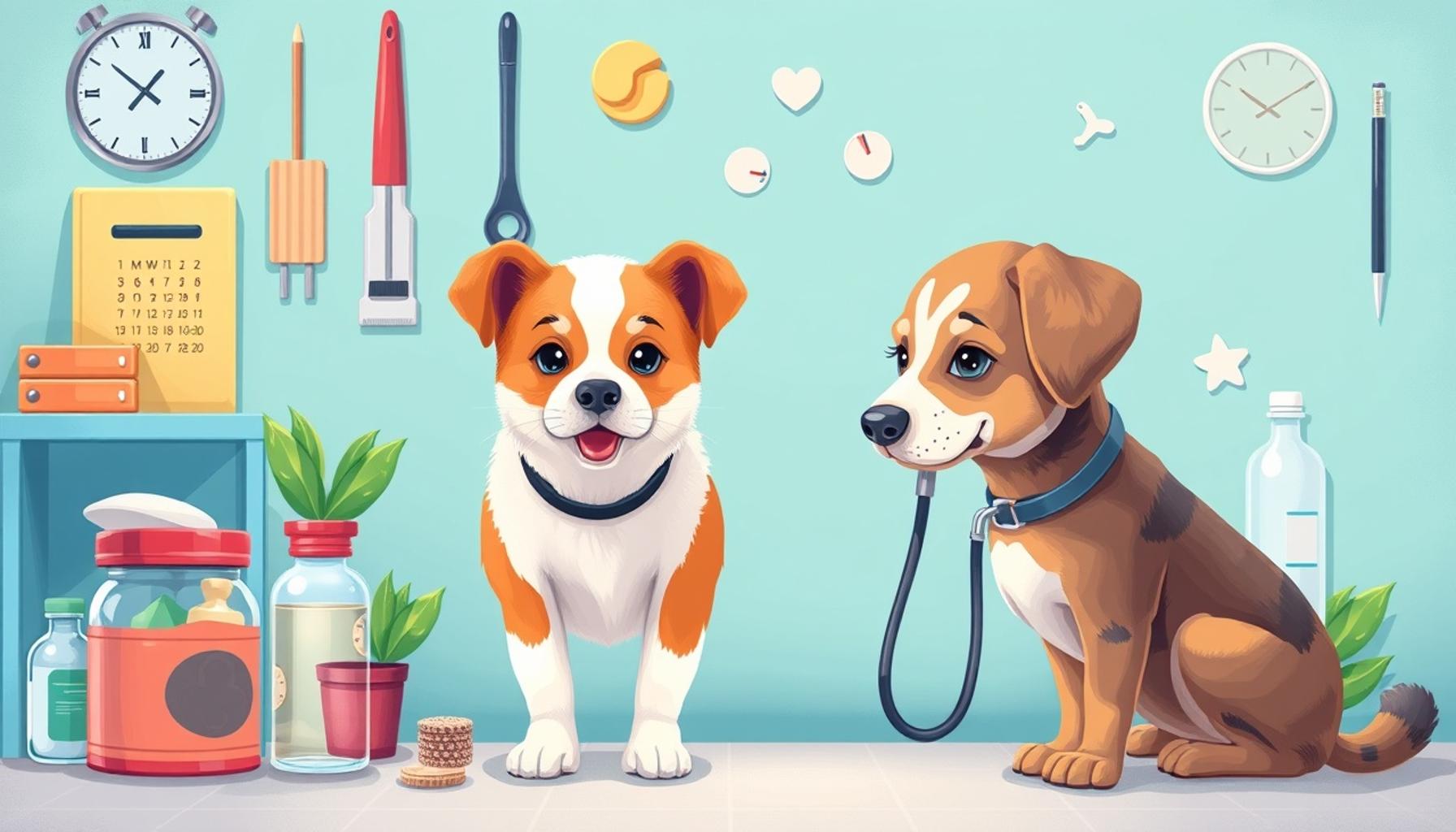
Making Veterinary Visits Less Stressful for Pets and Owners
Veterinary visits can often evoke anxiety for both pets and their owners. However, with the right preparation and awareness, you can significantly reduce the stress associated with these appointments. This transformative approach not only enhances your pet’s comfort but can also make for a more efficient and pleasant experience at the vet’s office.
Key Strategies for a Smooth Experience
Implementing strategic tactics before heading to the veterinarian is essential for a successful visit. Here are a few proven strategies to consider:
- Familiarize your pet with the car: Take your pet on short, enjoyable drives to help them associate the vehicle with positive experiences. Pick a local park or just drive around the neighborhood. For pets that are particularly anxious, you may also consider taking them to the vet’s parking lot before the actual appointment to expose them to the environment slowly.
- Practice handling: Regularly touch and examine your pet’s ears, paws, and tail to make them comfortable with being handled. This is especially critical for cats and small pets, who may be more sensitive to touch. Additionally, desensitizing your pet to essential equipment, like the thermometer or the vet’s scale, can make the experience less intimidating.
- Bring familiar items: Items such as your pet’s favorite blanket or a cherished toy can provide a sense of security during the visit. The comforting scent of home can help alleviate anxiety and make the environment feel less foreign.
Optimal Timing Matters
Another vital aspect to consider when scheduling an appointment is the timing of your visit. Aim to book your appointment during quieter hours, often early in the morning or late in the afternoon on weekdays. This strategy minimizes stress from encountering numerous other animals, which can exacerbate anxiety for pets already on edge.
Moreover, a well-prepared pet not only benefits your furry friend but also enhances the overall efficiency of your veterinary visit. Less time spent managing stress and anxiety can lead to a quicker consultation and examination, allowing for a more thorough discussion with your veterinarian.
Conclusion
With a little planning and these essential techniques, you can transform a potentially chaotic trip to the veterinary clinic into a more positive and manageable experience for your pet. Remember, a relaxed animal is easier to examine, and the more prepared you are, the smoother the entire process will go. As you embark on this journey, take the time to explore each method, potentially leading to healthier and happier outcomes for your beloved companion.
DISCOVER MORE: Click here to learn about the benefits of physical activity for your pet
Establishing a Routine to Build Trust
Establishing a strong, trusting relationship between you and your pet is paramount when it comes to preparing them for veterinary visits. Animals tend to pick up on their owner’s emotions; hence, maintaining a calm demeanor is crucial. Start by creating a routine that familiarizes your pet with the vet visit process. This can involve using similar pathways to the vet’s office and implementing regular visits, even if just for routine weigh-ins or socialization with the staff. This helps your pet acclimate to the environment and reduces potential anxiety.
Utilizing Positive Reinforcement
One of the most effective ways to prepare your pet is through positive reinforcement. Rewarding your pet with treats or praise during practice sessions can help create an association between visits to the vet and positive experiences. Consider the following practices to incorporate this concept:
- Clicker Training: This technique can be especially beneficial. Use a clicker to mark desired behaviors during handling, such as entering the carrier or allowing you to trim their nails. Follow the click with a treat, reinforcing that good behavior leads to positive outcomes.
- Visit the Clinic for Socialization: Spend time just hanging out at the vet’s office, even when you are not there for an appointment. Introduce your pet to the staff and allow them to explore the lobby while being rewarded with treats. The more friendly interactions your pet has in this setting, the less intimidating it will become over time.
- Introduce Medical Equipment: Bring out the vet’s tools you may be using. Whether it’s a stethoscope or a blood pressure cuff, allowing your pet to sniff and explore these objects can desensitize them ahead of the appointment.
Choosing the Right Carrier
The carrier is often a source of anxiety for pets. To facilitate a smooth transport, select a comfortable and secure carrier. Here are some tips to consider:
- Ensure the carrier is well-ventilated and has enough space for your pet to stand, turn around, and lie down comfortably.
- Leave the carrier out in your home with treats or toys inside, allowing your pet to enter it willingly, rather than forcing them in on the day of the visit.
- If using a soft-sided carrier, consider placing absorbent materials inside in case of accidents during the ride.
The carrier becomes a familiar and safe space if your pet has positive associations with it, leading to far less stress on the day of your appointment. By building these habits in advance and emphasizing comfort and engagement, you greatly enhance the experience of visiting the veterinarian for both you and your beloved pet.
Understanding the Importance of Preparation
Preparing your pet for a visit to the veterinary clinic is crucial for ensuring their health and well-being. Not only does it help reduce anxiety for both you and your pet, but it also contributes to a more efficient appointment. Here, we delve into specific strategies that can make a significant difference during your veterinary visits.
Familiarization with the Carrier
One way to ease anxiety is by getting your pet accustomed to their carrier long before the appointment. Make the carrier a comfortable and inviting space by adding their favorite blanket or toy. This reduces the stress of confinement when it’s time to travel.
Behavioral Training
Consider employing positive reinforcement training techniques to help your pet become more comfortable with being handled. Practice gentle examinations at home, such as touching their paws and ears, which can desensitize them to the vet’s examination.
Health Records and Medications
Ensure you have all pertinent health records and current medications ready for the vet. This allows the veterinarian to have a comprehensive understanding of your pet’s medical history, helping them provide the best possible care.
A Relaxing Environment
Stress can negatively impact a vet visit, so try to keep your pet calm. Consider playing soft music or using pheromone sprays in your pet’s environment prior to departure to promote relaxation.
Creating a Positive Association
Make the trip to the veterinary office a positive experience. Offer treats and praise during and after the visit. The more pleasant the experience, the more likely your pet will associate the vet with positive feelings.
| Preparation Strategy | Benefits |
|---|---|
| Familiarization with Carrier | Reduces travel anxiety by creating a positive association. |
| Behavioral Training | Increases comfort and cooperation during examinations. |
| Health Records | Ensures veterinarian has complete health information for effective treatment. |
| Relaxing Environment | Decreases stress leading to a smoother visit. |
| Positive Association | Encourages future cooperation with veterinary care. |
These strategies are essential for a successful visit to the veterinarian, creating a healthier emotional and physical outlook for your pet. With the right preparation, you can help foster a supportive environment, allowing your furry friend to enjoy better health outcomes.
DISCOVER MORE: Click here to learn about innovative pet training technology
Recognizing Signs of Stress and Anxiety
Understanding your pet’s emotional state is crucial when preparing them for a visit to the veterinarian. Just like humans, pets can exhibit signs of stress or anxiety, which can affect their behavior and response during appointments. Being attuned to these signs enables you as a pet owner to take proactive steps in alleviating their discomfort.
Observing Behavioral Cues
Different animals manifest stress in various ways, so it is essential to familiarize yourself with your pet’s typical behavior. Here are some common signs indicating that your pet may be anxious:
- Increased Vocalization: Excessive barking, whining, or meowing can be a clear indication that your pet is feeling uneasy.
- Hiding or Withdrawal: If your pet seeks out isolated areas or avoids interaction with family members, it might signify stress.
- Pacing or Restlessness: Repetitive movements or an inability to settle down may suggest that your pet feels anxious.
- Excessive Grooming: Licking or chewing at their paws or body may become more pronounced when pets are stressed.
By recognizing these behaviors in advance, you can implement calming techniques to help soothe them before and during the visit.
Creating a Calming Environment
The environment you create before heading to the veterinarian can also impact your pet’s stress level. To provide a more calming atmosphere:
- Play Soothing Music: Calming music designed for pets can help reduce anxiety and create a serene environment.
- Use Pheromone Products: In the form of sprays or diffusers, calm-inducing pheromones can help alleviate stress during vet visits.
- Keep a Consistent Schedule: Try to stick to a routine on the day of the appointment. A familiar schedule can be comforting to pets.
These steps can help mitigate your pet’s anxiety, transforming the dreaded vet visit into a more manageable experience.
Consulting with Your Veterinarian
Prior to your appointment, don’t hesitate to communicate with your veterinarian about your pet’s specific anxieties or phobias. Many veterinary clinics are equipped with specialists in animal behavior who can provide tailored advice or even behavioral modification techniques suitable for your pet’s unique needs. For especially anxious pets, your veterinarian might suggest:
- Pre-visit Sedation: In certain cases, simple medications can assist in calming an anxious pet prior to examination.
- Gradual Exposure Techniques: Your vet may recommend gradual exposure to the clinic environment over several visits to lessen anxiety.
- Customized Desensitization Plans: Developing tailored plans to slowly accustom your pet to handling and procedures can prove effective.
Being proactive and communicative with your veterinarian can empower you to equip your pet with the best possible experience and possibly even transform how they perceive future visits.
DISCOVER MORE: Click here for helpful tips on crate training
Conclusion
Successfully preparing your pet for visits to the veterinarian is a crucial aspect of responsible pet ownership that can significantly impact their overall well-being. By understanding your furry friend’s emotional behavior—from the signs of anxiety to potential triggers—you gain valuable insights that allow you to create a more comfortable experience for both of you. Recognizing behavioral cues such as increased vocalization or excessive grooming empowers you to take proactive measures to ease their stress, transforming the dreaded vet visit into a less daunting task.
Incorporating calming techniques, like playing soothing music or utilizing pheromone products, can be beneficial in establishing a serene atmosphere prior to your appointment. Additionally, open communication with your veterinarian is essential; discussing your pet’s unique anxieties can lead to tailored strategies that support their emotional needs. Whether it be advice on gradual exposure or the possibility of pre-visit sedation, your commitment to your pet’s comfort can result in positive outcomes during their check-ups.
In essence, fostering a supportive environment for your pet not only reduces anxiety but also promotes a healthier outlook toward their future veterinary visits. By adopting these strategies, you’re not just preparing for an appointment; you’re investing in your pet’s emotional health and building a foundation of trust that will benefit you both in the long run.