Natural Foods vs. Commercial Food: What is Better for Your Pet?
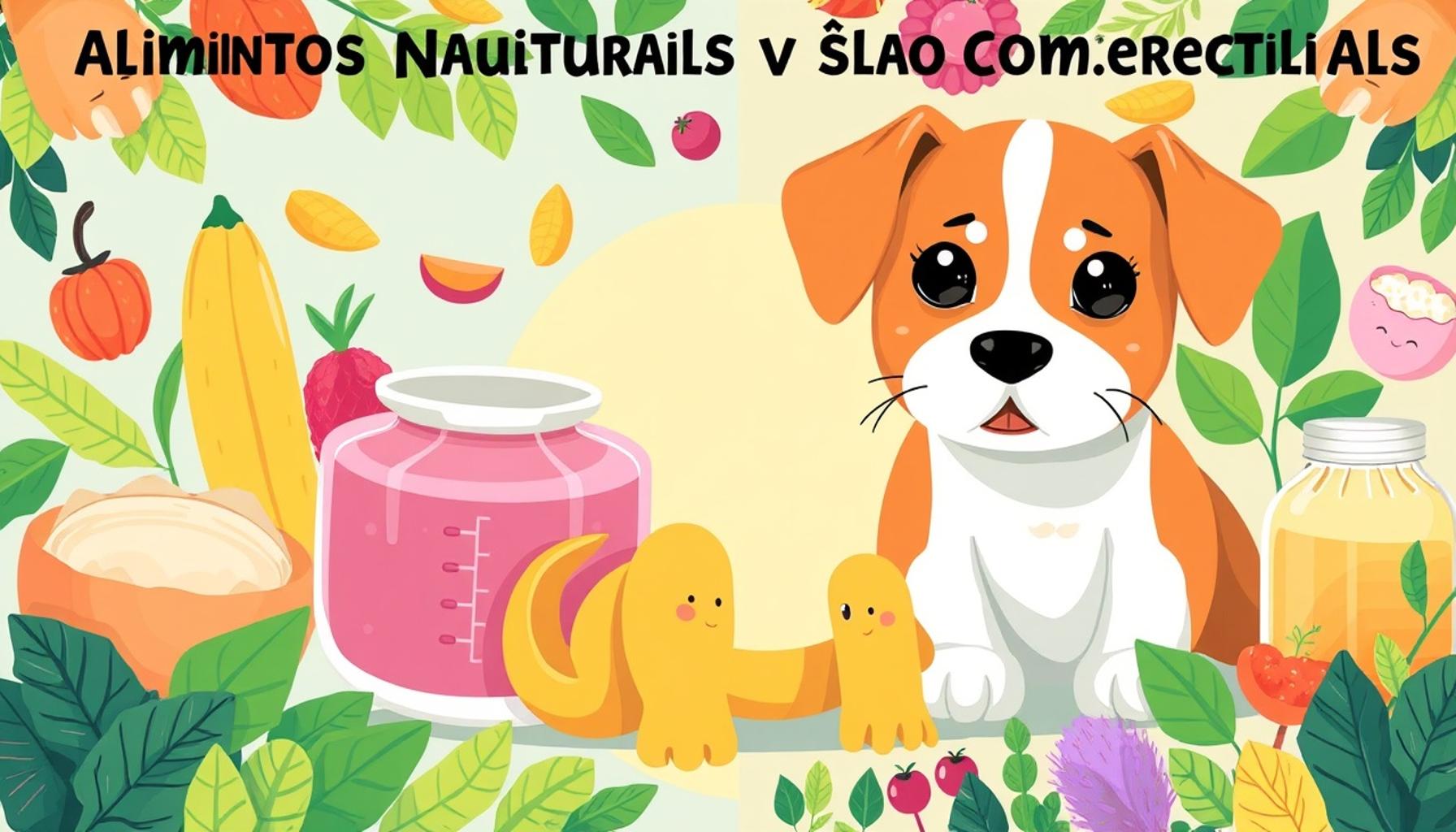
A Deep Dive into Pet Nutrition Choices
The choice of what to feed our pets stands as one of the most impactful decisions we can make as responsible pet owners. With an increasing awareness of overall health and well-being, many pet parents are leaning towards natural foods. Conversely, commercial pet food remains a staple for those who value convenience and scientific formulation. Understanding these two categories of pet nutrition can indeed be a complex task.
Benefits of Natural Foods
Natural foods are often regarded as the gold standard for pet nutrition. These diets typically consist of whole, unprocessed ingredients that are free from artificial additives, fillers, and preservatives. Many pet owners believe that these wholesome ingredients help improve coat condition, maintain energy levels, and even enhance overall vitality. For instance, a diet rich in fresh fruits and vegetables, lean meats, and whole grains can provide essential nutrients that bolster immune health.
One advantage of natural foods is the transparency in labeling. Pet owners can often recognize ingredients and understand their benefits. Brands like “The Honest Kitchen” or “Stella & Chewy’s” emphasize minimally processed options, showcasing the natural ingredients that contribute to a healthier diet. Additionally, raw feeding has gained traction, with some owners opting for raw meats and bones, believing that this mimics an ancestral diet.
Pros of Commercial Pet Food
On the other side of the spectrum, commercial pet foods present an appealing convenience factor. These products are meticulously formulated to meet specific nutritional requirements established by veterinary organizations. Many commercial brands undergo rigorous testing and quality control, ensuring that your pet receives a balanced diet. For example, brands like “Hill’s Science Diet” and “Royal Canin” offer breed-specific and age-specific formulas that cater to the unique needs of pets at different life stages.
Moreover, the price range of commercial foods can accommodate various budgets, which can be a significant factor for many pet owners. From budget-friendly options found in local pet shops to premium, organic choices available at specialty stores, there truly is a broad spectrum of options available. This allows pet owners to make informed choices without breaking the bank.
Making Your Choice
As you contemplate the best nutrition for your pet, it is crucial to consider their unique health needs, lifestyle, and preferences. Some pets may respond brilliantly to whole, unprocessed ingredients, while others may thrive on scientifically formulated vet-recommended brands. It might be beneficial to consult with a veterinarian to tailor a diet that suits your pet’s specific health conditions or allergies.
In the journey to make the best nutritional choice for your furry companion, gathering knowledge from diverse sources can be invaluable. Each decision is an opportunity to enhance your pet’s life and happiness, and with careful consideration, you can navigate through the world of pet nutrition with confidence.
DISCOVER MORE: Click here to learn about clicker training
Understanding the Nutritional Landscape
As we delve into the differences between natural foods and commercial pet food, it is essential to appreciate the nuances that define each option. The debate over which is superior often hinges on a variety of factors including ingredient sourcing, nutritional value, and pet health outcomes. Both sides have their advocates, and understanding the benefits and drawbacks of each can help guide pet owners in making the most informed choice for their furry companions.
Natural Foods: A Wholesome Approach
Natural foods for pets do more than just fill a bowl; they represent a return to the basics of pet nutrition. Emphasizing whole ingredients, these diets typically contain a variety of meats, vegetables, and grains, which can lead to improved health metrics for many pets. For instance, switching to a natural diet can result in a shinier coat and increased energy levels. Additionally, many pet owners report fewer allergy issues and digestive problems when they incorporate natural foods into their pets’ diets.
- Whole Ingredients: Natural foods often feature recognizable ingredients that pet owners can feel good about feeding. Common additives and fillers like corn and wheat are usually absent.
- Fewer Allergens: With a carefully curated ingredient list, many pets experience fewer allergic reactions and sensitivities that can accompany commercial brands.
- Tailored Nutrition: Natural diets can be tailored specifically to meet individual needs, such as eliminating ingredients that provoke allergies or providing increased protein for active pets.
Nevertheless, potential downsides exist. Natural foods can be more expensive and may require additional research to ensure they meet all necessary nutritional guidelines. Furthermore, raw diets might pose safety risks if not handled correctly. Therefore, thorough education about the sources and handling of these natural ingredients is crucial.
The Case for Commercial Pet Food
In stark contrast, commercial pet foods offer a level of convenience and consistency that many pet owners appreciate. These products are formulated to meet specific nutrient profiles as outlined by the Association of American Feed Control Officials (AAFCO), ensuring that they deliver adequate nutrition across all life stages. The extensive research and testing behind these formulas can provide peace of mind for those looking to simplify daily feeding.
- Scientific Formulations: Brands use research to ensure that their products are not only tasty but also nutritionally balanced.
- Cost-Effective Options: Whether you’re on a budget or seeking premium options, the variety of commercial pet food allows flexibility for pet owners.
- Widespread Availability: Commercial products are readily available in most grocery stores and pet shops, making them easy to access.
However, the reliance on commercial food can prompt concerns regarding ingredient sourcing, quality control, and the presence of artificial additives. Some pet owners express worries about the long-term health effects of certain preservatives and fillers found in many commercial pet foods.
Ultimately, the decision between natural foods and commercial pet food is multifaceted, requiring consideration of your pet’s individual health needs, diet preferences, and your family’s lifestyle. As you explore these options, keep in mind that the well-being of your pet hinges on the choice you make today.
Natural Foods: A Closer Look
The choice between natural foods and commercial pet food is one that pet owners must consider carefully. Natural foods often encompass fresh ingredients with minimal processing, relying on whole meats, vegetables, and grains that are typically free from artificial additives and preservatives. This can mean richer flavors and potentially more nutritional benefits for your pet. Many pet owners have reported improvements in their pets’ overall health by switching to natural foods, citing better digestion and enhanced energy levels.
Commercial pet foods, on the other hand, are highly regulated and typically designed to meet specific nutritional guidelines. While they may present convenience and longer shelf life, concerns about the quality of ingredients and the presence of fillers are common. High heat processing can diminish the nutritional value in commercial dog and cat foods, potentially missing out on the essential nutrients found in natural options. Furthermore, some commercial products contain artificial flavors, colors, and preservatives, raising questions about their safety and long-term impact on pets’ health.
Pet owners must weigh these aspects carefully when selecting a diet. Engaging in discussions with veterinarians, researching ingredient lists, and considering the individual health needs of your pet can lead to informed decisions. Ultimately, understanding the nuances of natural foods versus commercial options is essential for making choices that prioritize your pet’s health and well-being.
| Natural Foods | Commercial Foods |
|---|---|
| Whole ingredients with minimal processing | Convenient and shelf-stable |
| Better digestion and energy | Often fortified with vitamins and minerals |
Both diet types have their merits, and the decision ultimately rests on personal preferences, lifestyle, and what suits your pet’s needs best. By understanding these food options in depth, owners can make choices that align with their values and provide optimal care for their furry companions.
LEARN MORE: Click here to discover the benefits of prevention and vaccination
Navigating the Pros and Cons of Each Option
Understanding the Ingredients
A closer inspection of the ingredients in both natural and commercial pet food reveals significant differences that can impact your pet’s health. Natural pet foods typically boast a cleaner label, featuring ingredients that are easily traceable and familiar to pet owners. This transparency can often instill a greater sense of trust in the pet diet. As consumers become more ingredient-savvy, many are opting for foods that avoid chemicals, artificial flavors, and added preservatives.
On the other hand, commercial pet foods often highlight the “complete and balanced” nature of their formulations, which are crafted to meet specific dietary standards. However, some types can contain by-products or fillers that might not meet every pet owner’s ideal standards. Ingredients such as animal by-products, which include organ meats and parts of the animal generally not consumed by humans, can raise concerns among conscientious pet owners. While these ingredients are often safe and nutritious, the perception of quality varies between consumers.
Health Benefits and Risks
One of the key arguments favoring natural foods is the notion of a more holistic approach to pet nutrition. Advocates suggest that feeding pets natural ingredients can lead to fewer health issues, translating to longer life spans. A study conducted by the Journal of the American Veterinary Medical Association indicates a potential correlation between diets rich in whole foods and the reduction of obesity, diabetes, and gastrointestinal disorders in pets.
However, it is also essential to recognize that not all natural diets are nutritionally complete. While many natural food brands strive for balance, some may lack crucial vitamins and minerals, necessitating careful monitoring and potential supplementation. A veterinarian’s guidance can be invaluable when transitioning to a natural diet.
In contrast, commercial pet food’s rigorous testing and regulatory compliance help mitigate health risks associated with nutrient deficiencies. Formulas often come with a variety of added vitamins and minerals designed to support your pet’s health at any stage of life. Yet, the convenience of commercial options can occasionally lead to pet owners becoming complacent, overlooking the potential negative impacts of long-term reliance on lower-quality brands.
Trends and Consumer Demand
Increasing consumer demand for quality pet nutrition has prompted a surge in premium commercial pet foods that prioritize high-quality ingredients and transparency. Many brands are now elevating their recipes by including high percentages of real meats and organic components, which mirror the benefits often associated with natural diets. This shift illustrates an evolving landscape where the lines between natural and commercial are becoming increasingly blurred.
This transformation also ties into a broader trend among pet owners looking to advocate for better food quality. With a growing number of individuals prioritizing sustainable, ethical sourcing of ingredients, both natural and commercial brands must adapt to maintain relevance in a competitive market. Innovating in terms of ingredient transparency, ethical sourcing, and nutritional efficacy will likely shape the future of pet food brands as owners become more engaged with their pets’ health journeys.
Thus, the choice between natural foods and commercial pet food isn’t solely a matter of convenience versus quality. It interlinks closely with trends around health, wellness, and ethical considerations. By understanding the distinctive attributes of each option, pet owners can align their decisions with not only the preferences of their pets but also their values as caretakers.
DISCOVER MORE: Click here for effective dog training techniques
Conclusion: Making the Right Choice for Your Pet
As pet owners navigate the complex landscape of pet nutrition, the debate between natural foods and commercial food continues to capture attention and provoke thoughtful consideration. Each option presents its own set of benefits and drawbacks, forcing owners to weigh factors such as ingredient transparency, nutritional adequacy, and their pet’s unique health needs. While natural foods often excel in transparency and may foster a holistic approach to dietary care, they can sometimes lack complete nutritional profiles, necessitating careful vet consultations. Conversely, many commercial brands are stepping up with premium options that prioritize high-quality ingredients and rigorous safety standards.
Given the swift evolution of both segments, pet owners are increasingly presented with choices that blend the best of both worlds. The rise in premium commercial pet foods parallels growing consumer awareness about ingredient sourcing and health implications, echoing broader societal trends prioritizing quality and sustainability.
Ultimately, the decision on what constitutes the best diet for your pet is not one-size-fits-all. It is influenced by individual preferences, health conditions, and lifestyle factors. As research continues to illuminate the relationship between diet and health outcomes, pet owners are encouraged to stay informed and consult with veterinary professionals to tailor a feeding strategy that best supports their furry companions. By remaining engaged and adaptable, pet owners can ensure their beloved pets thrive on the diet that fits their needs.