The Evolution of Facial Cleansing Techniques: From Traditional to Modern
The Evolution of Facial Cleansing Techniques
The quest for clean and radiant skin has been a timeless pursuit, influencing cultures and civilizations across the globe. As societies advanced, so did their methods of maintaining skin health. From ancient rituals steeped in nature to today’s high-tech innovations, facial cleansing techniques have undergone significant transformations that align not only with beauty trends but also with advancements in scientific understanding.
Traditional Methods: A Natural Approach
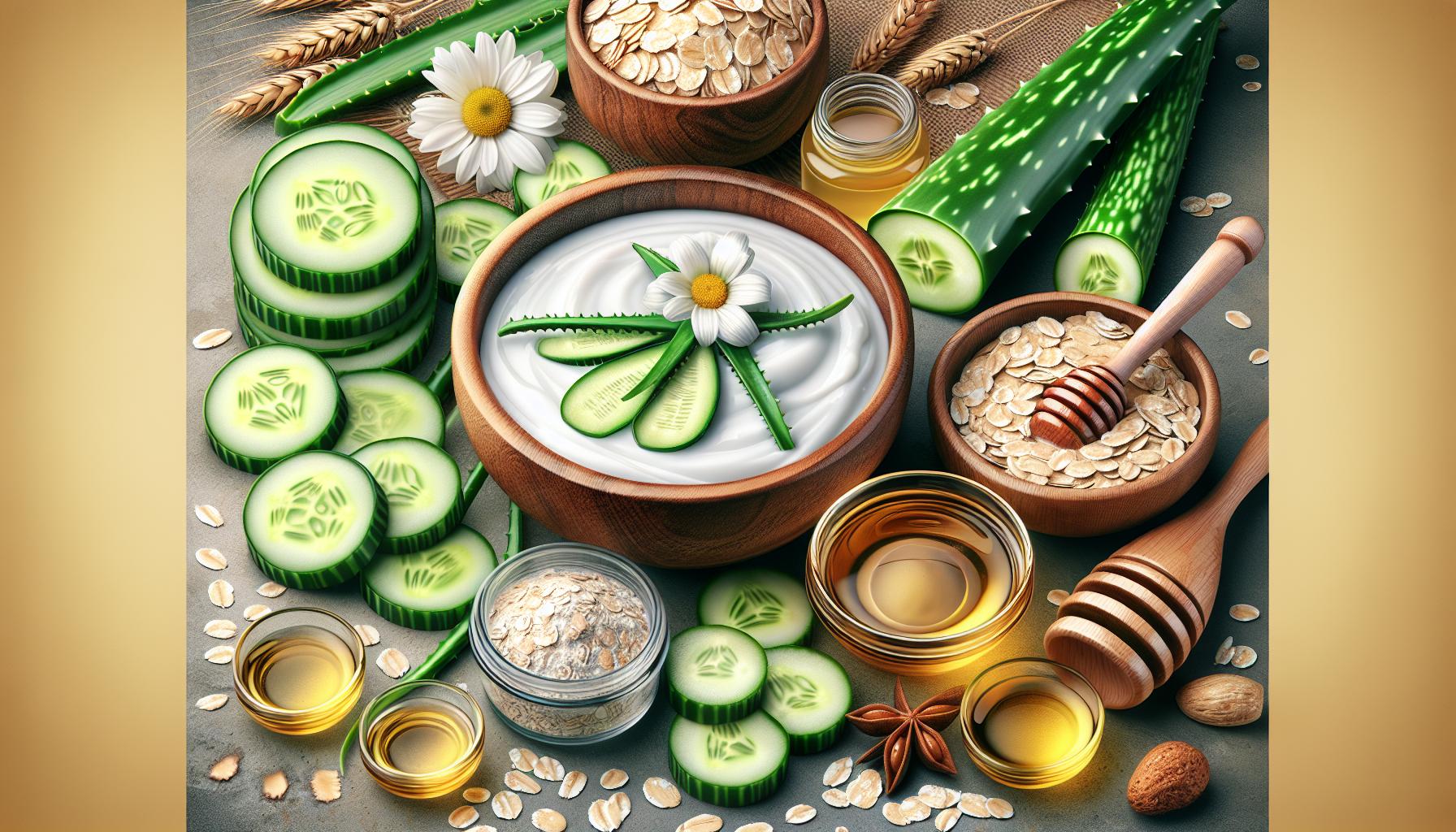
In ancient times, people relied on nature’s bounty for skincare. Natural ingredients such as honey, known for its antibacterial and moisturizing properties, were commonly utilized. Milk has a long history as a gentle cleanser and exfoliant, thanks to its lactic acid content. Herbal infusions, made from plants like chamomile or calendula, offered soothing benefits that catered to various skin types. These traditional methods emphasized the importance of natural ingredients, a concept that is seeing a revival in today’s organic skincare movement.
The Middle Ages: The Rise of Exfoliation
As Europe entered the Middle Ages, the perspective on skin cleansing began to shift. The use of grains such as oatmeal and various types of clay became popular for their exfoliating properties. Grains not only helped to slough off dead skin cells but also provided a source of nutrients. Clay, prized for its ability to absorb impurities and toxins, was often used in baths and facial masks. These ingredients set the stage for more refined cleansing practices that would emerge in the centuries to follow.
The Modern Era: Innovation and Commercialization
The industrial revolution ushered in a period of modern facial cleansing techniques, characterized by the introduction of commercial products. With the availability of synthetic ingredients, consumers began to see a wide array of cleansers that promised to target specific skin concerns, such as acne or dryness. The incorporation of scientific research into dermatology resulted in formulations with enhanced efficacy. Today, consumers can choose from cleansers containing salicylic acid, glycolic acid, and botanical extracts, each targeting distinct skin issues.
The New Age of Facial Cleansing Gadgets
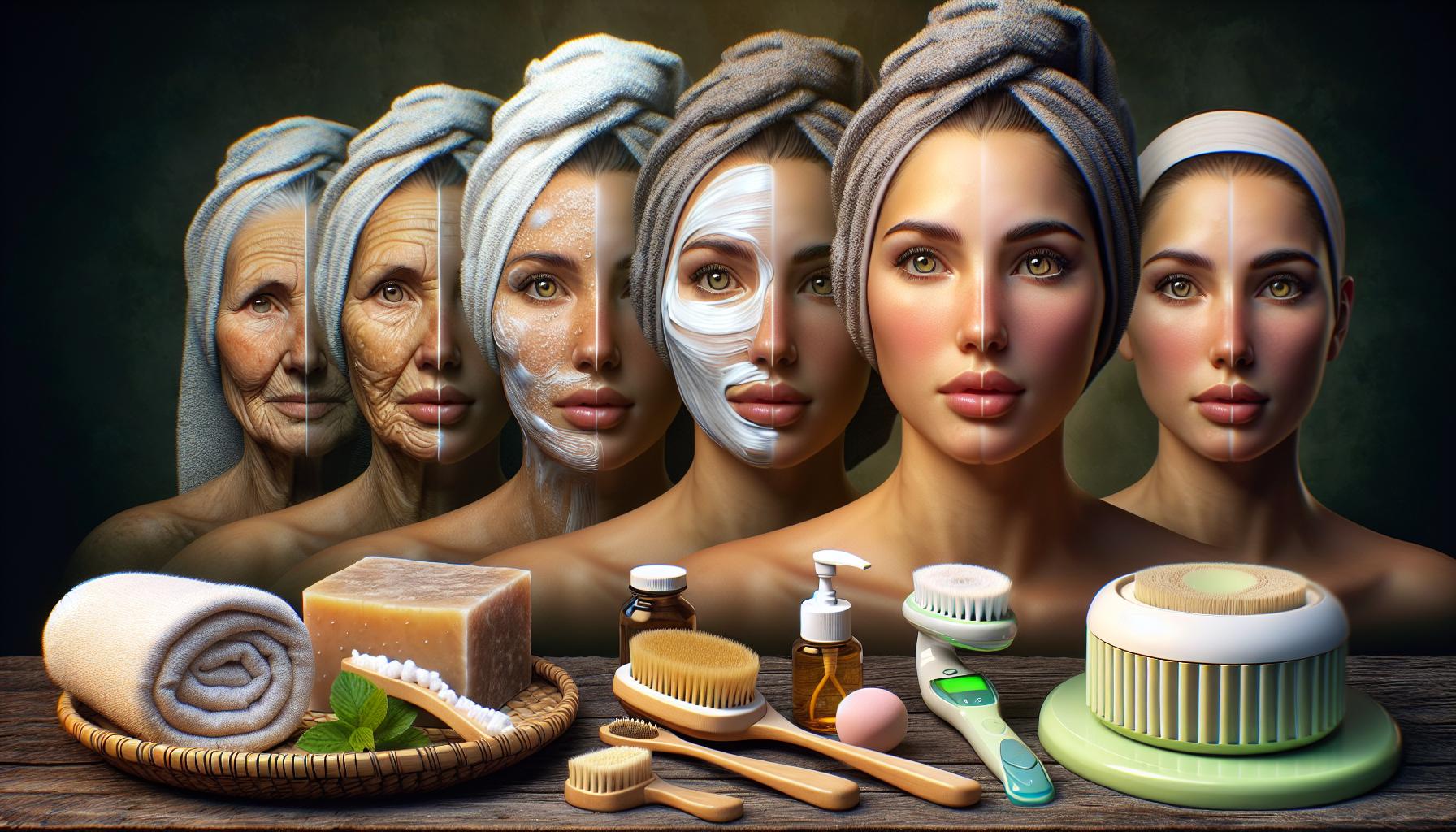
Moreover, the rise of technology has transformed the landscape of facial cleansing. Devices such as ultrasonic facial brushes and microdermabrasion machines have revolutionized at-home skincare, allowing users to achieve professional-level results without visiting a spa. These innovations not only cleanse but also enhance the absorption of skincare products, leading to healthier skin. Such advancements highlight a growing awareness among consumers about the ingredients they apply on their skin and the effects of technology on their overall health and beauty.

A Continued Journey
The range of facial cleansing techniques available today reflects an intriguing blend of ancient wisdom and modern science. As we continue this journey through time, it’s essential to recognize how these evolving practices have shaped contemporary beauty norms. Whether you are drawn to the simplicity of traditional methods or the sophistication of the latest gadgets, the quest for healthy skin remains an enduring endeavor that celebrates both personal care and cultural history. Join us to uncover more about how these diverse practices can enrich our daily skincare routines and challenge our perceptions of beauty.
DISCOVER MORE: Click here to learn which cleanser suits your skin best
Understanding the Roots of Facial Cleansing
The journey of facial cleansing techniques is a fascinating reflection of human ingenuity and our quest for beauty and self-care. In the heart of this evolution lies the understanding of skin—a complex organ that not only serves a protective function but also plays a crucial role in our overall appearance. Through various eras, people have sought effective ways to maintain and enhance their skin’s vitality, leading to the diverse cleansing methods we have today.
Ancient Civilizations: Cleansing Rituals and Beliefs
From the sands of Egypt to the mountainous regions of the Andes, ancient civilizations created their own unique cleansing rituals. The Egyptians, renowned for their focus on beauty, used castor oil and fragrant herbal concoctions to cleanse and condition their skin. They believed that maintaining a clean face was integral to their spirituality and social standing. Similarly, in ancient China, the use of rice water as a facial wash was prevalent. This simple yet effective cleansing method not only washed away impurities but also provided a gentle whitening effect, aligning with cultural beauty standards of fair skin.
Cleansing Through Innovation: The Renaissance and Beyond
As we transitioned into the Renaissance, there was a resurgence of interest in personal hygiene and beauty. With the development of glass mirrors and the increased understanding of skincare through literature, people began to seek out more refined and sophisticated cleansing methods. The use of rosewater as a toner became widespread, valued not just for its fragrance but also for its soothing properties. The concept of using a toner post-cleaning served as a precursor to many modern skincare rituals we see today.
Essential Tools of the Trade
The evolution of cleansing techniques was not limited just to products. Tools played a critical role in how facial cleansing was approached. Early tools included simple cloths and sponges, which gradually evolved into more sophisticated gadgets like:
- Facial brushes: Used to provide a deeper cleanse by incorporating gentle exfoliation into routines.
- Muslin cloths: Popularized in the late 19th century, these cloths became synonymous with gentle skin exfoliation and cleansing.
- Steamers: Introduced in spas, steamers became a vital part of treatment regimes aimed at opening pores and preparing the skin for deeper cleaning.
Each tool brought forth its unique methodology and effectiveness, allowing users to tailor their cleansing routines to their skin’s specific needs. This personalized approach to skincare marks one of the pivotal shifts in the evolution of facial cleansing techniques—moving from a one-size-fits-all strategy to a comprehensive understanding of individual skin types and conditions.
Transition to Commercialization: The 20th Century
The commercialization of skincare products in the 20th century marked another significant turning point in the evolution of facial cleansing techniques. Advertisements heralded new advancements in beauty science, promising radiance and clarity through potent formulations. Brands began to cater to an expanding consumer base, introducing a variety of facial cleansers, from foaming gels to creamy lotions. This era saw the birth of specialty cleansers designed not only for various skin types but also for specific concerns, such as anti-aging and oil control. Accessibility surged, transforming facial cleansing from an elite practice into a mainstream routine.
As we delve further into this evolution, we will uncover more about how technology and continued research have shaped today’s dynamic skincare landscape. The blending of time-honored traditions and innovative practices continues to inspire the way we approach facial cleansing today, making it an enriching journey worth exploring.
The Evolution of Facial Cleansing Techniques: From Traditional to Modern
As we delve deeper into the fascinating timeline of facial cleansing techniques, it’s essential to recognize how ancient practices laid the groundwork for today’s modern methods. The transition from natural ingredients and manual rituals to high-tech solutions reflects not just a shift in beauty standards but also advances in skincare science.
In ancient civilizations, cleansing was synonymous with purity and health. The Egyptians, for example, used a variety of oils and natural infusions, such as olive oil and honey, known for their moisturizing and antibacterial properties. These practices were often ritualistic, demonstrating a profound respect for the skin’s integrity and the body’s natural beauty. However, as societies evolved, so did their understanding of skin care.
The introduction of soap in the 7th century marked a significant turning point in cleansing practices. With its ability to remove dirt and oils, soap became a staple in households, shifting the focus from purely natural remedies to more effective, commercially produced cleansing agents. Fast forward to today, we are in an age where science meets convenience, offering personalized cleansers, waterless options, and intelligent formulas tailored to specific skin types.
Modern techniques emphasize the importance of pH balance and the microbiome, showcasing an evolution not just in product formulation but also in consumer awareness. The trend towards double cleansing, which combines oil and foam cleansers, has emerged from the desire to ensure the skin is thoroughly cleansed without over-drying or irritating it. This method reflects a growing understanding of how various factors, from environmental pollution to makeup, require a more comprehensive approach to cleansing.
Moreover, the rise of technology has brought innovative devices, such as facial cleansing brushes and ultrasonic equipment. These tools elevate cleansing beyond a simple wash, introducing exfoliation, deep pore cleaning, and enhanced absorption of subsequent skincare products. With the growing preference for eco-friendly and sustainable products, many are looking back to how traditional methods can integrate with modern technology to create effective, planet-friendly solutions.
As we explore further, it is essential to observe how traditional techniques and modern innovations coalesce, paving the way for the next generation of facial cleansing. The exploration of ingredients, formulations, and consumer insights continues to grow, revealing a complex landscape shaped by history, culture, and scientific advancement.
| Category | Advantages |
|---|---|
| Traditional Techniques | Utilization of natural ingredients like oils and herbs for gentle cleansing. |
| Modern Innovations | High-tech tools and formulations for targeted treatments and efficiency. |
DIVE DEEPER: Click here to discover the role of herbal extracts in skincare
The Rise of Modern Innovations in Facial Cleansing
As we moved into the late 20th and early 21st centuries, technological advancements began to redefine facial cleansing in remarkable ways. With the advent of science-backed skincare and a growing consumer demand for efficacy, the industry witnessed innovations that not only transformed cleansing routines but also initiated a deep connection with dermatological research.
The Influence of Science and Dermatology
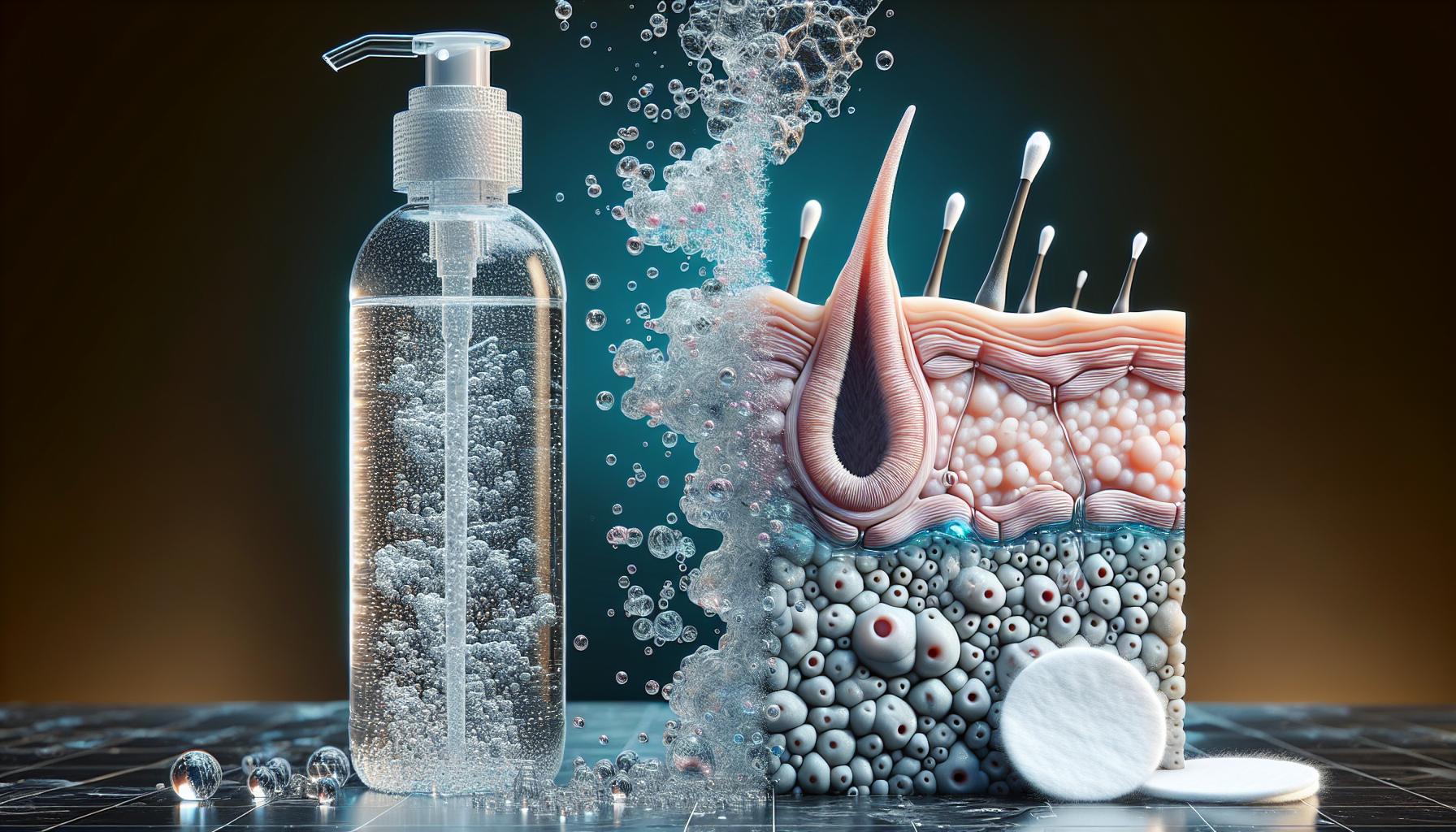
Modern skincare has benefitted enormously from scientific research. Dermatologists began to study skin microbiomes and the pH balance of various products, leading to a new breed of cleansers that are not only effective but also gentle on the skin. The development of micellar water—a cleansing solution harnessing the power of micelles to attract impurities—marked a watershed moment. This dual-action formula cleanses and hydrates simultaneously, appealing to a generation seeking convenience without sacrificing quality.
Moreover, the 21st century has seen increased awareness around the importance of non-toxic and environmentally friendly products. Brands have started to formulate cleansers that are free from harmful substances, tailoring their offerings to align with consumer preferences for sustainability and health-consciousness.
Personalization and Customization in Cleansing
Today, the concept of personalization in skincare has gained traction, driven by data and technology. Consumers can now select facial cleansers that cater specifically to their skin type—be it dry, oily, sensitive, or combination. In recent years, brands have emerged that offer customized skincare solutions, employing quizzes and algorithms to recommend specific products. This trend pushes traditional cleansing methods further away from the universal approach, making personalized skin health an integral part of the cleansing ritual.
Gadgets and Technological Advancements
The introduction of skincare gadgets added another layer to modern facial cleansing techniques. Electric facial brushes and cleansing devices, such as the popular Foreo Luna, not only enhance the cleansing experience but also provide an avenue for exfoliation and improved blood circulation. Additionally, tools like Jade rollers have gained popularity as a means of enhancing the efficacy of cleansing products, promoting lymphatic drainage and reducing puffiness. The fusion of technology and beauty services continues to elevate expectations, driving more consumers towards innovative cleansing solutions.
The Emergence of Influencer Culture and Social Media
The rise of influencer culture and social media platforms has accelerated the sharing of cleansing techniques globally. People can now discover various methods, products, and tips through platforms like Instagram and TikTok, with influencers often demonstrating their favorite cleansing routines. This immediacy and accessibility have led to a more informed consumer base, shifting spending patterns toward products that are popularized online.
- Trending Products: New cleansers often go viral, with hashtags reaching thousands of views, further impacting market dynamics.
- Transparency and Advocacy: Influencers advocate for clean beauty, raising awareness on harmful ingredients, and promoting brands committed to ethical practices.
In this milieu, the fusion of ancient wisdom and contemporary technology continues to play a crucial role in how facial cleansing is approached today. The evolution of facial cleansing techniques has transformed a once-modest practice into a multi-faceted experience tailored to fit modern lifestyles, regimes, and values.
DISCOVER MORE: Click here for innovative anti-aging technologies
Conclusion: A Journey Through Time in Facial Cleansing Techniques
As we reflect on the journey of facial cleansing techniques from traditional methods to modern innovations, it’s evident that the evolution represents more than just a change in products; it signifies a deeper understanding of skin health and consumer needs. From the time-honored practices of using natural oils and herbs to the introduction of scientifically formulated cleansers, our approach to skincare has dramatically shifted. The interplay between tradition and modernity has created a rich tapestry that caters to diverse preferences and lifestyles.
The impact of scientific research cannot be overstated. Today’s consumers have access to an array of cleansers backed by dermatological insights, resulting in formulations that are both effective and skin-friendly. Furthermore, the rise of personalization through data-driven solutions allows individuals to tailor their cleansing routines to specific skin types, promoting a more holistic approach to skincare. The integration of gadgets and technological advancements has also redefined the cleansing experience, providing ways to enhance not just efficacy but also the ritualistic enjoyment of cleansing.
Additionally, the influence of social media has democratized skincare knowledge, fostering an informed community of consumers who prioritize quality, transparency, and sustainability when selecting products. This fusion of ancient wisdom, cutting-edge technology, and consumer empowerment paves the way for a future where facial cleansing is more than a necessity—it is a celebration of self-care.
As we continue to explore innovative techniques and sustainable practices, the evolution of facial cleansing will undoubtedly inspire further discoveries, inviting us to delve deeper into understanding our skin and its unique needs.