
The Role of Ingredients in Skincare Routines: How to Choose the Right Products
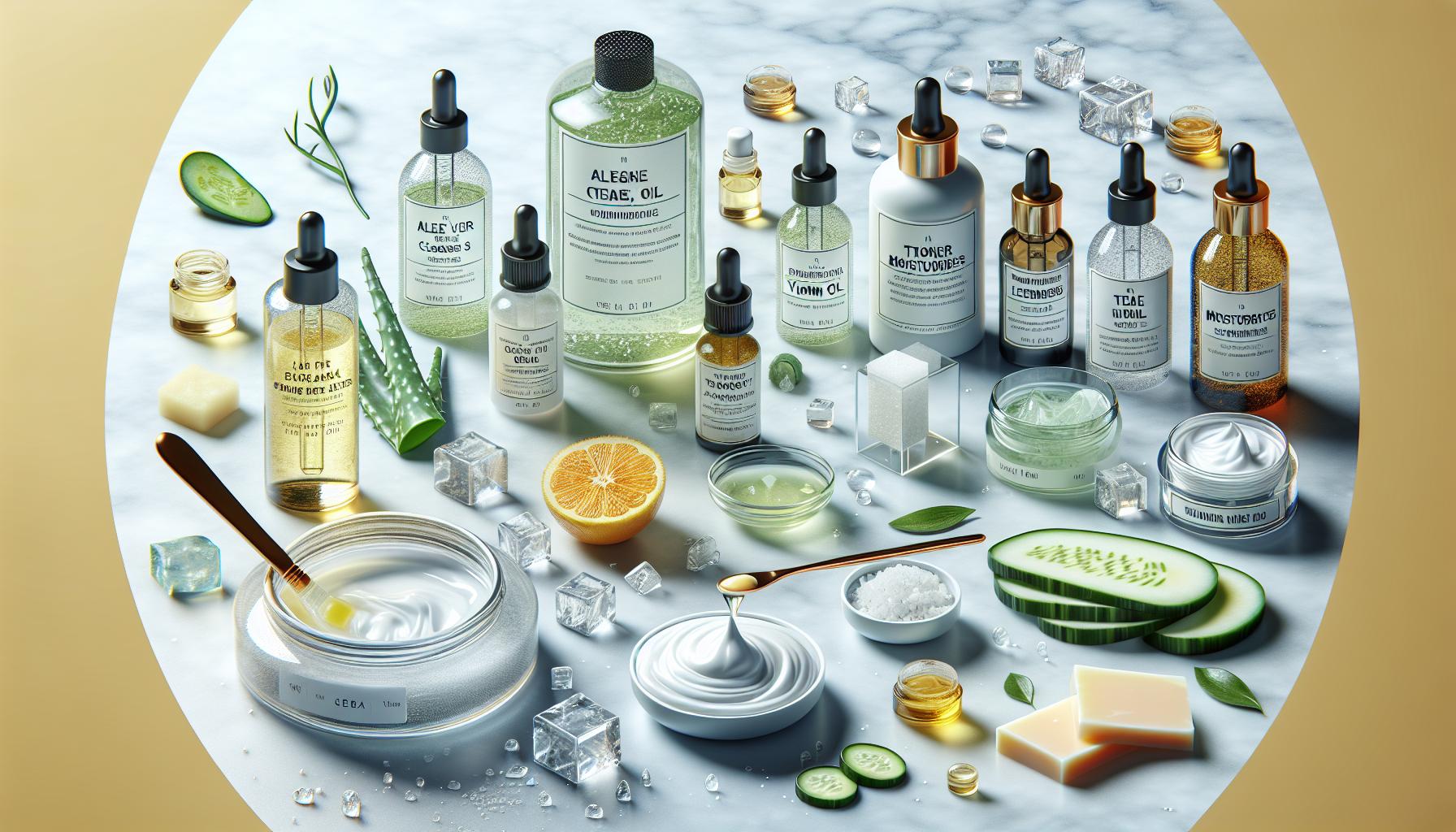
The Importance of Skincare Ingredients
The world of skincare can be overwhelming, especially when it comes to understanding the role of ingredients in your daily routine. With countless products on the market, knowing which ones will truly benefit your skin is crucial. The efficacy of a product often hinges on its formulation, making it imperative for consumers to become familiar with key ingredients.
Skin Type plays a vital role in determining which ingredients will work best for your unique complexion. For instance, individuals with oily skin might benefit from lightweight, oil-free formulas containing salicylic acid, which helps unclog pores and reduce acne. Conversely, dry skin types often require more hydrating ingredients, such as squalane or ceramides, that help restore the skin’s moisture barrier.
Understanding specific skin concerns is equally important. Whether you’re struggling with acne, fine lines, or sensitivity, each issue can be addressed with targeted ingredients. If acne is your primary concern, looking for products that feature benzoyl peroxide or gentle exfoliants like lactic acid can lead to clearer skin. For those experiencing signs of aging, ingredients like retinol or peptides can boost collagen production and effectively smooth out wrinkles. In cases of sensitive skin, opting for soothing components such as aloe vera or niacinamide can help minimize irritation.
Environmental factors also play a significant role in how your skin reacts to various ingredients. For example, those living in urban settings with high pollution levels may find their skin in need of antioxidants such as vitamin C, which can combat free radical damage. Additionally, someone in a dry climate might need extra moisturizing agents to maintain skin hydration.
To make informed decisions, it’s essential to dive deeper into what these ingredients are and their benefits. From hyaluronic acid, acclaimed for its intense hydration properties, to the anti-aging prowess of retinol, these ingredients can significantly transform your skincare routine. For instance, incorporating a serum rich in hyaluronic acid can provide your skin with lasting moisture, making it appear plumper and healthier.

In the quest for glowing skin, understanding how to choose the right products can lead to improved skin health and overall confidence. By familiarizing yourself with the essential elements of skincare, you empower yourself to select the best products for your needs. Explore the possibilities that await when you decode the labels and focus on ingredients tailored to your unique requirements. This newfound knowledge can ultimately enhance your skincare regimen and lead to more radiant, healthy skin.
DISCOVER MORE: Click here to learn about rejuvenating your skin</a
Decoding Skincare Labels: A Guide to Key Ingredients
When it comes to skincare products, the ingredients list can often feel like a foreign language. Understanding this list is essential for making informed choices. Many skincare labels contain a myriad of active and inactive ingredients, and knowing what they do can help you tailor your routine to achieve your desired results. Identifying active ingredients—the ones that bring about change in the skin—is a good starting point.
To simplify your search for the right products, familiarize yourself with some of the most common and effective ingredients used in skincare today:
- Exfoliants: Ingredients like AHAs (alpha hydroxy acids) and BHAs (beta hydroxy acids) aid in shedding dead skin cells, promoting cell turnover, and revealing a brighter complexion. Lactic acid is excellent for gentle exfoliation, while salicylic acid penetrates oil-clogged pores.
- Moisturizers: Ingredients such as glycerin and hyaluronic acid are known for their remarkable ability to attract and retain moisture, making them staple components in hydrating formulations. Hyaluronic acid, in particular, can hold up to 1,000 times its weight in water.
- Antioxidants: Vitamin C and vitamin E are renowned for their protective properties. These ingredients help combat oxidative stress from environmental aggressors, keeping skin looking youthful and radiant.
- Soothing agents: For those with sensitive skin, ingredients like aloe vera and chamomile provide a calming effect, reducing inflammation and irritation.
- Active anti-aging ingredients: Retinol, a derivative of vitamin A, is widely recognized for its ability to reduce the appearance of fine lines and improve skin texture. Meanwhile, peptides help in building collagen and enhancing skin elasticity.
It is also vital to acknowledge that the order of ingredients matters. The ingredients are typically listed in descending order by quantity, meaning the first few on the list play a significant role in a product’s efficacy. Therefore, when evaluating a product, it’s crucial to look closely at what the first five ingredients are, as these will have the most impact on your skin.
Furthermore, pay attention not only to the individual ingredients but also to how they interact with one another. Certain combinations can enhance benefits while others may cause irritation. For example, pairing retinol with AHAs can increase skin sensitivity, while using niacinamide alongside retinol can provide a stabilizing effect.
In your quest for the best skincare routine, always prioritize formulations that align with your specific skin type and concerns. Whether it’s acne-prone skin, signs of aging, or general dryness, understanding ingredients lays the groundwork for a successful skincare journey. By taking the time to research and analyze the composition of your skincare products, you’re already on your way to making informed decisions that will benefit your skin health.
The Role of Ingredients in Skincare Routines: How to Choose the Right Products
Choosing the right skincare products is not just about the brand or the marketing; it’s profoundly rooted in understanding ingredient roles and their benefits for your skin. Skincare ingredients can vary widely in their effectiveness, and knowing what to look for can make all the difference in achieving your desired results.For instance, if you have oily or acne-prone skin, ingredients like salicylic acid or tea tree oil can be particularly beneficial. Salicylic acid acts as a beta hydroxy acid (BHA) that penetrates deep into the pores, helping to clear debris and prevent breakouts. Meanwhile, tea tree oil possesses natural anti-inflammatory properties, making it a stalwart ally against redness and irritation.Conversely, if your skin is dry or sensitive, incorporating hyaluronic acid or ceramides into your routine can enhance moisture retention. Hyaluronic acid is a humectant that draws in water, providing a plump and hydrated appearance, while ceramides help to reinforce the skin’s natural barrier, preventing moisture loss.Moreover, understanding the concentration levels of active ingredients is crucial. Some products may contain low levels of beneficial ingredients that might not yield the results you want. Therefore, research into the ingredient list and product formulation can empower consumers to make informed choices, leading to healthier skin.In addition to efficacy, it is essential to consider the interaction of ingredients. Some ingredients can be synergistic—working better in tandem—such as using vitamin C with vitamin E or ferulic acid to enhance antioxidant protection. On the other hand, certain combinations can cause irritation, like retinol and exfoliating acids used concurrently.With a keen eye on ingredients and their specific roles in skincare, readers can develop a routine that caters directly to their unique skin needs, making informed choices that promise better results. Emphasizing the significance of ingredient awareness can elevate one’s skincare journey, ultimately enhancing both skin health and appearance.
| Ingredient Type | Key Benefits |
|---|---|
| Exfoliants | Help remove dead skin cells, promoting a smoother complexion. |
| Hydrating Agents | Attract moisture to the skin, enhancing elasticity and softness. |
| Antioxidants | Protect skin from environmental damage and oxidative stress. |
| Emollients | Smooth and soften the skin by filling in gaps between skin cells. |
By continually educating oneself about skincare ingredients, one can not only select products that suit specific needs but also understand how to integrate them into routines effectively. The journey toward healthier skin begins with informed decisions rooted in knowledge of ingredients.
DISCOVER MORE: Click here to learn about minimalist skincare routines</
Navigating Skin Types: Tailoring Ingredients to Your Needs
Understanding that each skin type has unique characteristics is imperative when selecting the right skincare ingredients. Individuals may have oily, dry, combination, or sensitive skin, and recognizing what works best for each type helps in crafting an effective skincare routine.
Oily Skin: For those with oily skin, it’s crucial to seek out products that control shine without stripping the skin of moisture. Ingredients like salicylic acid are particularly beneficial due to their ability to penetrate pores and dissolve excess sebum. Additionally, look for lightweight, oil-free moisturizers with ingredients such as witch hazel and tea tree oil, known for their astringent and antibacterial properties.
Dry Skin: On the flip side, dry skin requires hydration and nourishment. Ingredients such as ceramides and fatty acids help restore the skin barrier and lock in moisture, while glycerin pulls hydration from the air into the skin. Emollients like shea butter and jojoba oil can provide the extra comfort that dry, flaky skin craves.
Combination Skin: Individuals with combination skin should look for products that can balance both the oily and dry areas of the face. Ingredients like niacinamide are fantastic because they help regulate oil production and reinforce the skin barrier, making them suitable for diverse skin types. A gel-cream formula that hydrates without overly greasing up the skin is also a wise choice.
Sensitive Skin: For those with sensitive skin, selecting products with mild ingredients is essential. Opt for formulations that incorporate colloidal oatmeal or calendula, which are known for their soothing capabilities. Avoid fragrances and dyes that can trigger irritation, and instead, look for products labeled “hypoallergenic” or designed for sensitive skin.
Exploring Product Formulations: From Serums to Sunscreens
The way ingredients are combined and presented also plays a significant role in skincare effectiveness. Serums, for instance, are typically more concentrated than creams or lotions, providing targeted treatment for specific concerns, such as pigmentation or fine lines. A serum containing vitamin C can significantly brighten the skin and improve texture, making it a wise addition to any morning routine.
Moisturizers often follow the serum step and are essential for maintaining skin hydration. Look for those that include a mix of humectants, emollients, and occlusives to ensure that water content in the skin is preserved effectively. Ingredients like dimethicone can provide a silky texture while also forming a barrier that locks moisture in.
Don’t overlook the importance of sunscreen as a non-negotiable in your skincare routine. Opt for broad-spectrum sunscreens that contain physical blockers like zinc oxide or titanium dioxide. These ingredients not only protect against UV rays but also tend to be gentle on the skin, making them ideal for all skin types.
As you embark on your skincare journey, remember to patch-test new products for potential reactions and consult with dermatologists for personalized advice, particularly if you have existing skin conditions. Thorough knowledge of ingredients and their applications can empower you to select products that will nourish and enhance your unique skin profile.
FIND OUT MORE: Click here to learn about the best cleanser for your skin</
Conclusion: Crafting Your Ideal Skincare Routine
In conclusion, the intricate world of skincare is undeniably shaped by the ingredients featured in the products we choose. Understanding the specific needs associated with your unique skin type—whether oily, dry, combination, or sensitive—can lead to informed decisions that enhance your skincare routine. By leveraging ingredients like salicylic acid, ceramides, or niacinamide, you can tackle a variety of skin concerns effectively.
Furthermore, recognizing the formulation of products, such as how serums deliver concentrated ingredients or how moisturizers lock in hydration, is vital to achieving optimal results. The inclusion of a reliable sunscreen is imperative for long-term skin health, protecting against the sun’s damaging rays while complementing the overall effectiveness of your skincare arsenal.
As you embark on this journey, remember that skincare is not one-size-fits-all. Consider experimenting with different products to discover what resonates with your skin. Consultation with skincare professionals can also provide valuable insights tailored to your specific concerns. With a commitment to understanding ingredients and their impact on your skin, you are well-equipped to navigate the vast array of options available in the market. This newfound knowledge will not only enhance your personal skincare journey but can also encourage others to explore the power of informed choices.
Ultimately, investing time to research and select the right skincare products lays the foundation for healthy, radiant skin in the long run. Embrace the journey ahead, and let the ingredients guide you toward your healthiest complexion.