The Influence of Social Media on New Skincare Trends
The Impact of Social Media on Skincare Trends
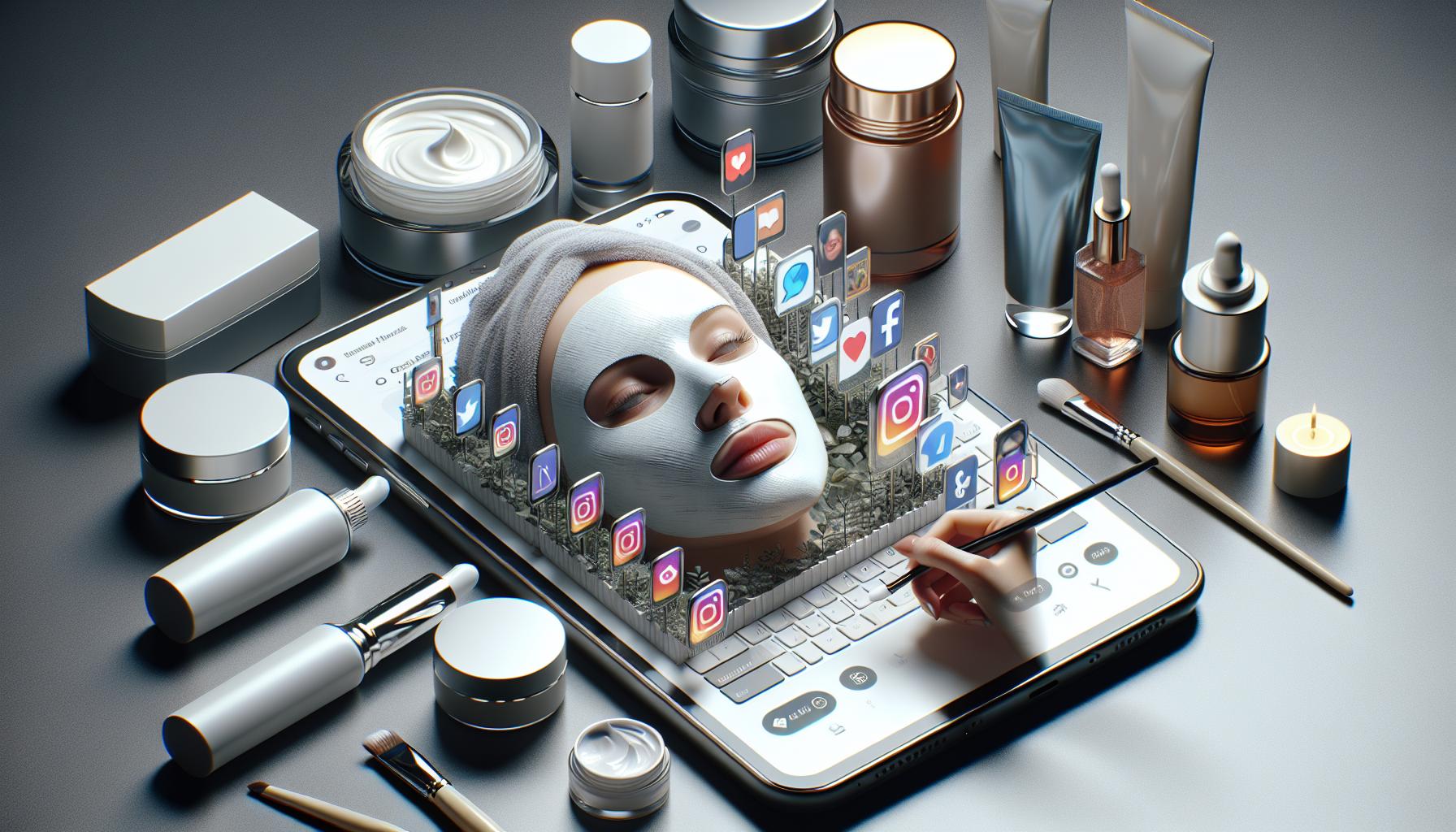
In today’s fast-paced digital age, the skincare industry is experiencing an unprecedented revolution, primarily catalyzed by the rise of social media platforms. These platforms, including Instagram, TikTok, and Pinterest, have transformed the way consumers interact with and inform themselves about skincare products and trends. Where traditional advertising once dominated, now user-generated content leads the narrative.
Viral Content: A Double-Edged Sword
One of the most significant elements of this transformation is the phenomenon of viral content. Users on platforms like TikTok can share daily skincare routines with millions in a matter of hours. For example, a simple tutorial showcasing the correct application of skincare products can amass thousands of views, creating buzz around specific brands or items almost overnight. Before-and-after photos serve as compelling visual testimonials, while authentic reviews can sway purchasing decisions, pushing consumers toward or away from certain products based on personal experiences.
The Rise of Influencer Marketing
Influencer marketing has become a cornerstone of the skincare marketing landscape. Skincare enthusiasts often rely on social media influencers, who have cultivated trust within their communities, to navigate the overwhelming array of options available. For instance, popular beauty gurus on Instagram often showcase their skincare regimens, highlighting new product launches and sharing effective routines. This reliance on influencer advice means that a single post can elevate a previously obscure brand to cult status, as seen with the sudden popularity of brands like The Ordinary or Glossier.
Trending Ingredients: The Science Behind Beauty
Trending ingredients have also become a hot topic of discussion within skincare circles. Ingredients such as hyaluronic acid and niacinamide are frequently highlighted in user-generated content. Their unique properties — hydration, oil control, and anti-aging benefits — are emphasized, leading consumers to seek them out in their product purchases. Brands that highlight these key ingredients in their marketing campaigns capitalize on the trends evident from social media discussions, tailoring product formulations to meet the demands of a well-informed consumer base.
Diversity and Inclusivity: Breaking Beauty Barriers
Moreover, social media platforms have played an essential role in democratizing beauty standards. Individuals from a variety of backgrounds are sharing their skincare journeys, making once-narrow perceptions of beauty much broader. This has resulted in a critical shift toward inclusivity, allowing niche brands that cater to diverse skin types and tones to flourish. For example, brands targeting specific concerns, such as melasma or hyperpigmentation among people of color, are now gaining visibility, thus awakening a marketplace that was previously overlooked by mainstream media.

Staying Ahead: The Future of Skincare
The influence of social media on skincare trends is not static; it evolves daily, mirroring the dynamic interests and needs of consumers. Brands that effectively engage with their audiences through authentic connections and timely responses to trends are better positioned to succeed. As this landscape continues to shift, staying informed about emerging trends will be crucial for consumers seeking effective and innovative skincare solutions.
Through this lens of social media impact, those not attuned to current trends may find themselves at a disadvantage, isolated from the wealth of information readily available. Engaging with the narratives and recommendations circulating on these platforms is now more than just following trends; it is about making informed decisions that align with personal skincare goals.
DISCOVER MORE: Click here to uncover the secrets of youthful skin</p
Captivating Engagement: How Social Media Shapes Consumer Choices
The captivating nature of social media goes beyond mere distraction; it has evolved into a powerful mechanism for influencing consumer choices within the skincare sector. Today’s consumers are more engaged than ever, actively participating in conversations that define skincare trends, making their voices heard through likes, shares, and comments. This interactive environment allows brands to receive immediate feedback on their products, creating a two-way dialogue that was previously absent in traditional marketing strategies.
Skincare Challenges and Hashtags
Challenges and viral hashtags have become a backbone of skincare discussions online, serving to unite communities around shared beauty goals. For instance, the #30DaySkincareChallenge invites users to document their skincare journey over a month, generating massive engagement and spreading awareness about specific products or routines. This collaborative spirit not only fosters a sense of belonging but also provides unsolicited testimonials that can enhance a brand’s credibility.
User-Generated Content: Authenticity at Its Best
Another compelling aspect of social media is the rise of user-generated content (UGC), which inherently feels more authentic and relatable than traditional advertising. Consumers are often more inclined to trust their peers over curated promotional material. A recent study indicated that over 79% of consumers say user-generated content highly impacts their buying decisions. Brands have recognized this shift, often encouraging consumers to post their experiences with hashtags related to the brand, thereby amplifying their reach through organic engagement. This cycle creates a goldmine for brands as real customers share opinions, leading to authentic conversations centered around their products.
Accessibility to Information
Social media has also made skincare information more accessible than ever. Users can easily tap into a wealth of knowledge regarding the ingredients in their favorite products. Infographics, short videos, and quick tips dissecting complex skincare components are often shared with astonishing speed. This information sharing has led to a more educated consumer base that demands transparency and efficacy from brands. As a result, companies are increasingly transparent about their formulations, ingredient sourcing, and ethical practices.
The Community Factor
In an age where the desire for connection is palpable, social media fosters a unique community environment that sharpens consumer awareness. By forming online groups dedicated to skincare discussions, users exchange tips, advice, and personal recommendations. These communities often focus on specific skin concerns, such as acne, rosacea, or anti-aging, allowing users to find tailored recommendations. As these communities grow, they create a safe space for individuals to share their struggles and successes, leading to collective empowerment.
With the democratization of skincare knowledge, users are becoming increasingly discerning about their purchases. This shift puts pressure on brands to adapt dynamically to evolving consumer needs, ushering in new trends frequently, sometimes even at an unprecedented pace. Understanding the influence of social media on these emerging trends thus becomes essential not only for consumers seeking effective products but also for brands aiming to stay relevant in a saturated market.
The Dynamic Role of Social Media in Shaping Skincare Preferences
Social media platforms have become the backbone of modern skincare trends, enabling brands and influencers to communicate directly with vast audiences. The visual nature of platforms like Instagram and TikTok has transformed the way consumers discover and engage with skincare products. As consumers increasingly rely on peer recommendations, the impact of *before-and-after* shots and influencer endorsements cannot be overstated. For many, these platforms serve not just as promotional tools, but as vibrant communities where individuals share experiences, tips, and product discoveries.Moreover, the efficacy of user-generated content is substantial. With hashtags like #SkincareRoutine trending, individuals searching for solutions find an overwhelming array of authentic reviews at their fingertips. This communal aspect fosters trust and facilitates *viral trends*, where a single product can experience meteoric sales driven by social media buzz. Additionally, the rise of short-form video content allows users to see real-time demonstrations, creating a more engaging and informative experience that transcends traditional advertising.One prominent example of this phenomenon is the *K-Beauty* trend, which has exploded in popularity through Instagram and YouTube. Influencers showcasing multi-step routines have piqued consumer interest in products that emphasize hydration and efficacy, leading to a significant shift in purchasing habits.As brands harness this power, they increasingly turn to data analytics to craft tailored marketing strategies, honing in on trends and preferences that emerge in real-time. This responsiveness not only enhances consumer satisfaction but also solidifies brand loyalty in a fiercely competitive market. As social media continues to evolve, its influence on skincare trends shows no sign of waning, making it a crucial component of the contemporary beauty landscape.
| Category | Benefits |
|---|---|
| Real-time Engagement | Consumers can interact with brands and other users, facilitating discussions and community building. |
| Viral Trends | Products can achieve instant popularity through social sharing, leading to increased sales and brand recognition. |
As a result, staying attuned to social media’s evolving landscape is no longer optional for skincare brands; it is essential for gaining a competitive edge. This environment not only influences product development but also enriches the consumer experience, providing deeper insights into the desires and needs of the market.
DISCOVER MORE: Click here to learn about the benefits of natural ingredients in facial cleansing
Redefining Beauty Standards: The Rise of Inclusivity in Skincare
As social media platforms flourish, so too does the movement towards inclusivity within the skincare industry. This shift is heavily fueled by diverse voices and perspectives that challenge conventional beauty norms. Platforms like Instagram and TikTok have become stages where individuals of all skin tones, types, and conditions showcase their skincare journeys. This visibility has redefined what is considered beautiful, encouraging brands to create products that cater to a wider demographic. The demand for inclusivity is not just a trend; it is fast becoming a fundamental expectation from consumers.
Influencers and Their Impact
Influencers play a pivotal role in the landscape of skincare trends. Their recommendations can propel a product to instant stardom. In fact, a 2022 survey revealed that nearly 60% of consumers are influenced by social media personalities when making skincare purchases. These influencers, ranging from dermatologists to everyday users, often provide relatable opinions that resonate with followers. Many influencers now focus on promoting sustainable, cruelty-free, and eco-friendly skincare products, effectively shifting consumer interests toward more ethical options. Notably, brands employing influencer marketing have been able to harness the authenticity and connection influencers share with their audience, making their products more marketable.
Live Streaming and Real-Time Interactions
Another innovative tool in social media’s influence on skincare trends is the rise of live-streaming. Platforms such as Instagram and Facebook have made it possible for skincare brands to directly engage with consumers through interactive sessions. Brands can conduct real-time demos, answer questions, and provide personalized recommendations, creating an experience that feels exclusive and intimate. The immediacy of this interaction helps foster trust and loyalty, often translating into increased sales. In 2022 alone, live shopping events generated an estimated $11 billion in sales, emphasizing the efficacy of this hands-on approach in closing the gap between consumer curiosity and product purchase.
Environmental Awareness and Ethical Consumerism
Social media has not only emphasized individual beauty but has also propelled awareness around environmental impacts and ethical sourcing. Influencers and brands alike are engaging in conversations regarding eco-friendly packaging, sustainable sourcing of ingredients, and the overall carbon footprint of skincare products. This focus is reshaping consumer behaviors, with research showing that 71% of consumers are willing to pay a premium for sustainable products. This awareness has led to the rise of brands championing ‘clean beauty,’ often utilizing social media to highlight their commitment to sustainable practices and responsible ingredient sourcing.
Exploration of Niche Markets
In addition to promoting diversity, social media also encourages the exploration of niche markets within the skincare industry. Unique concerns, such as eczema, hyperpigmentation, and other specific skin conditions, are receiving heightened attention. Brands are emerging that exclusively cater to these niche groups, offering tailored products that meet specific needs. Social media communities rally around these niche interests, creating support systems and amplifying awareness about unique skincare concerns. This trend towards specialized care marks a significant shift in how people perceive skincare, promoting the idea that everyone’s regimen can and should cater to their individual skin needs.
Through these transformative elements, social media is not just a platform for beauty; it is a movement redefining skincare trends and consumer engagement, carving a new path for brands to thrive in an increasingly conscious market.
LEARN MORE: Click here to discover essential tips
Conclusion: The Future of Skincare in a Social Media Landscape
In summary, the profound influence of social media on new skincare trends has irrevocably shaped the landscape of the beauty industry. As platforms like Instagram and TikTok continue to amplify diverse voices, they challenge outdated beauty standards, fostering an atmosphere of inclusivity that empowers consumers of all backgrounds. The rise of influencers has transformed product promotion into a relatable and trusted resource, with nearly 60% of consumers now relying on these personalities for guidance in their skincare choices.
Furthermore, live-streaming offers an innovative bridge between brands and consumers, allowing for real-time interactions that foster loyalty and trust. The staggering $11 billion in sales from live shopping events in 2022 underscores this effective relationship-building strategy. Coupled with a growing demand for sustainability and ethical practices, it is evident that today’s consumers are discerning and conscious about their choices, with 71% willing to invest more in sustainable products.
Additionally, the exploration of niche skincare markets shows that social media can effectuate a movement that values personalized care tailored to individual needs. Ultimately, as social media continues to evolve, its interplay with the skincare industry will pave the way for ongoing innovation, encouraging brands to remain responsive to the desires of a well-informed and engaged consumer base. This dynamic landscape presents both challenges and opportunities, making it essential for brands to stay ahead in this ever-shifting scenario. The future of skincare will undoubtedly remain intertwined with the digital narratives that shape how we perceive beauty, care, and connection.