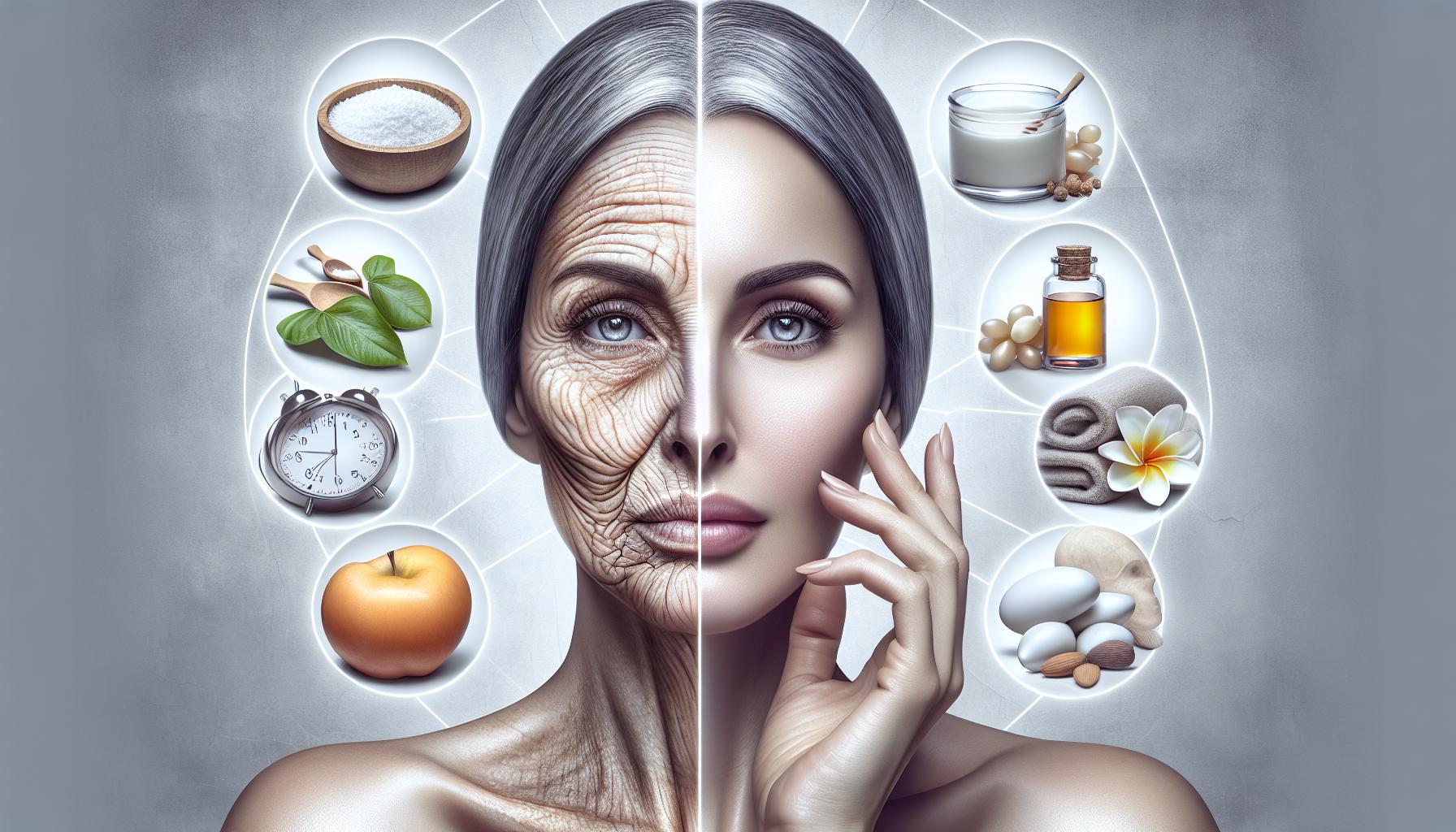
The Science Behind Anti-Aging Ingredients: What Really Works?
Unraveling the Mystery of Youth
As the quest for eternal youth continues, many wonder: what truly makes a difference in anti-aging skincare? With countless products flooding the market, it’s essential to separate fact from fiction when evaluating the ingredients that claim to rejuvenate skin and erase signs of aging.
Understanding the science behind anti-aging ingredients is pivotal for consumers seeking effective solutions. Each year, thousands of studies scrutinize various active compounds, providing insights into their efficacy and safety. Here are some key components that have gained attention:
- Retinoids – These Vitamin A derivatives are celebrated for their ability to boost collagen production and reduce fine lines. Clinical studies have shown that regular use of retinoids can result in significantly improved skin texture and tone, making them a staple in many dermatologists’ recommendations.
- Peptides – Chains of amino acids that play a crucial role in skin repair and elasticity. Peptides can help stimulate collagen production and improve skin resilience. Products containing peptides have been linked to visible improvements in skin firmness, making them a popular choice among aging populations seeking a non-invasive solution.
- Antioxidants – Compounds like Vitamin C are essential for protecting against free radicals and environmental stressors such as pollution and UV radiation. Research supports that antioxidants can reduce oxidative stress, which is a significant contributor to premature aging, thus maintaining youthful, vibrant skin.
- Hyaluronic Acid – This powerful humectant retains moisture at a cellular level, leading to plump, hydrated skin. Studies have indicated that hyaluronic acid can hold up to 1,000 times its weight in water, making it a vital ingredient for those looking to maintain skin’s hydration and elasticity as they age.
However, not all ingredients offer the same level of effectiveness or safety. It’s imperative to delve deeper into the research and clinical studies backing these claims. Some ingredients may indeed provide substantial benefits, enhancing the skin’s appearance and health, while others could merely be clever marketing strategies lacking scientific validation.
In the crowded skincare arena, consumers must be discerning. Look for products with proven track records, backed by rigorous scientific research. First-hand testimonials and dermatologist recommendations can also serve as credible resources. Additionally, consider factors such as formulation stability and your skin type when selecting products.
Join us as we explore the intricacies of these popular components, uncovering what really works in the fight against aging. Prepare to uncover insights that can revolutionize your skincare routine and deepen your understanding of maintaining youthful skin. Whether you opt for over-the-counter solutions or seek professional treatments, knowledge is your best ally in the pursuit of timeless beauty.

DISCOVER MORE: Click here to learn about skincare routines
Decoding the Efficacy of Anti-Aging Ingredients
In the pursuit of youthful skin, understanding the mechanisms through which anti-aging ingredients work is essential. Many consumers find themselves inundated with products that boast miraculous results, yet the reality lies in the scientific backing of these ingredients. This section delves into the well-studied elements of skincare that have demonstrated their effectiveness in combating the signs of aging.
Research has consistently pointed to a few key players in the anti-aging arena, each serving a distinct purpose in skin rejuvenation:
- Retinoids: These powerful Vitamin A derivatives are loved by dermatologists and skincare enthusiasts alike. Retinoids promote cell turnover and collagen production, addressing wrinkles and fine lines. According to a study published in the Journal of Dermatological Treatment, users of retinoid-based creams exhibited a 50% reduction in fine lines after just 12 weeks of consistent use.
- Peptides: Often referred to as the building blocks of proteins, peptides work to communicate with cells. They signal the skin to increase collagen and elastin production, which enhances skin firmness and elasticity. Research led by the International Journal of Cosmetic Science revealed that peptide-infused products can visibly firm skin in as little as eight weeks, making them a highly sought-after ingredient for those seeking non-invasive anti-aging solutions.
- Antioxidants: Key to any robust skincare regime, antioxidants such as Vitamin C and E are pivotal in neutralizing free radicals, which are responsible for skin aging. A comprehensive study in the American Journal of Clinical Dermatology highlighted that consistent use of Vitamin C serums enhanced the skin’s radiance and texture while reducing visible signs of aging.
- Hyaluronic Acid: This natural substance retains moisture in the skin, keeping it plump and youthful. An analysis published in the Journal of Clinical and Aesthetic Dermatology found that topically applied hyaluronic acid significantly improved skin hydration and volume in participants aged 40 to 65, demonstrating its role as a hydrator in anti-aging regimens.
Despite the promising efficacy of these ingredients, it is vital to approach them with caution. Not all formulations are created equal; factors such as concentration, product stability, and skin compatibility play significant roles in their effectiveness. The intricate relationship between active ingredients and skin biology underscores the importance of informed product selection.
For individuals seeking lasting results, understanding the clinical evidence supporting various products is crucial. Processed and marketed as miracle solutions, some products may lack the rigorous scientific backing necessary to validate their claims. Instead, focus on formulas backed by peer-reviewed studies and validated by healthcare professionals.
As we unravel the science behind anti-aging, remain curious and vigilant. Your quest for radiant, youthful skin is not just about slathering on products; it requires a comprehensive understanding of how these ingredients work together to deliver visible results. Join us as we dive deeper into the world of anti-aging ingredients, equipping yourself with knowledge that can enhance your skincare pursuits.
The Science Behind Anti-Aging Ingredients: What Really Works?
As we delve deeper into the science behind anti-aging ingredients, it’s crucial to explore which components effectively combat the visible effects of aging. Ingredients such as retinoids, peptides, and hyaluronic acid have garnered attention for their efficacy in promoting skin rejuvenation. But what do we really know about their functions and benefits?
Retinoids: The Gold Standard
Retinoids, derivatives of Vitamin A, have a profound impact on skin cell turnover, making them a cornerstone in anti-aging skincare. Research indicates that retinoids can significantly reduce the appearance of fine lines, wrinkles, and age spots by promoting collagen synthesis. Studies show users notice improved texture and tone within weeks of consistent application, highlighting how quickly these ingredients can showcase results.
Peptides: The Building Blocks
Interestingly, peptides act as signaling molecules, encouraging the skin to produce more collagen. As we age, collagen production decreases, contributing to sagging skin. Incorporating peptides into your regimen can lead to enhanced elasticity and firmness. Clinical trials suggest that regular use of peptide-infused products can bolster skin barrier function, ultimately resulting in a more youthful appearance.
Hyaluronic Acid: Hydration Hero
Another key player in the anti-aging arena is hyaluronic acid, a substance naturally found in the body. Known for its remarkable ability to retain moisture, hyaluronic acid can hold up to 1,000 times its weight in water. This property not only hydrates the skin but also plumps it, reducing the visibility of fine lines. Look for products with varying molecular weights of hyaluronic acid for deeper penetration and longer-lasting hydration.
In addition, antioxidants such as vitamin C and green tea extract serve as significant adjuncts in any anti-aging strategy. They protect skin cells from oxidative stress, which accelerates aging. Integrating these ingredients into a daily regimen can enhance the skin’s defense against environmental pollutants and UV damage.
| Category 1 | Category 2 |
|---|---|
| Retinoids | Stimulates collagen production, improves skin texture. |
| Peptides | Enhances skin elasticity, acts as a cell signaling agent. |
| Hyaluronic Acid | Provides intense hydration, plumps the skin to reduce wrinkles. |
Before beginning any anti-aging regimen, understanding the ingredients is crucial for maximizing results. Staying informed on their benefits can lead to better choices tailored to personal skin needs, promoting a more vibrant and youthful complexion.
DISCOVER MORE: Click here to learn about choosing the right skincare ingredients
Exploring Additional Anti-Aging Powerhouses
While the previously mentioned ingredients have cemented their status in the anti-aging community, emerging research has highlighted other potent components that may enhance your skincare arsenal. As scientists delve deeper into skin biology, the quest for effective anti-aging solutions grows increasingly sophisticated.
Niacinamide: A form of Vitamin B3, niacinamide has caught the attention of the skincare world for its multitasking properties. Studies published in the Journal of Cosmetic Dermatology show that this ingredient not only improves skin texture and elasticity but also reduces hyperpigmentation and redness. Users reported a significant reduction in signs of aging after using products with a niacinamide concentration of 5% or higher for 8 to 12 weeks, showcasing its efficiency in revitalizing dull skin.
Growth Factors: Originating from the body’s natural processes, growth factors are proteins that promote cell growth, proliferation, and differentiation. Recent clinical trials have demonstrated that topical application of growth factor serums leads to a measurable improvement in skin texture and firmness. Research featured in the Journal of Drugs in Dermatology suggests that these proteins can also help in reducing fine lines and wrinkles by boosting collagen synthesis, providing a bioidentical way to rejuvenate aging skin.
Coenzyme Q10 (CoQ10): An essential antioxidant that decreases with age, CoQ10 plays a vital role in energy production within skin cells. With its potent ability to combat oxidative stress, studies suggest that CoQ10-enriched creams can boost skin’s repair processes and enhance elasticity. The Journal of Clinical Aesthetic Dermatology found that individuals using CoQ10 showed improved moisture levels and reduced appearance of photodamage, making it a strong candidate for any anti-aging routine.
Azelaic Acid: Known for its anti-inflammatory and exfoliating properties, azelaic acid has been recognized for its effectiveness in treating acne and rosacea, but it also holds promise as an anti-aging ingredient. Its ability to promote cell turnover can lead to a smoother complexion while reducing the visibility of fine lines. A double-blind clinical study in the British Journal of Dermatology demonstrated that patients using azelaic acid saw significant improvements in skin tone and texture, highlighting its versatility.
Moreover, with the rise of personalized skincare, understanding your individual skin type and its unique needs can significantly augment the effects of these ingredients. Genetic testing and dermatological assessments can help tailor products that cater to specific skin concerns, allowing individuals to maximize the potential benefits of these scientifically-backed ingredients.
This wealth of information peaks curiosity about the synergy between different anti-aging agents. Combining complementary ingredients in a single formulation may yield superior results—even as new product trends emerge. For example, formulations that blend peptides with antioxidants like Vitamin C are often touted for their enhanced efficacy through mutual reinforcement in skin rejuvenation.
As consumers navigate through the expanding landscape of skincare, the importance of staying abreast of scientific advancements cannot be overstated. By remaining informed and discerning about the ingredients in your anti-aging regimen, you can make choices that are not only effective but also grounded in robust clinical research. With every new discovery in the field, the potential to achieve youthful, radiant skin becomes increasingly attainable.
DIVE DEEPER: Click here to discover more
Conclusion: A Future of Youthful Possibilities
The quest to unlock the secrets of youthful skin has ushered in an era of innovation and scientific discovery, presenting a plethora of effective anti-aging ingredients that cater to individual skin needs. From the proven benefits of retinoids and hyaluronic acid to the newcomers like niacinamide and growth factors, the skincare landscape is rich with options designed to combat the signs of aging with verified efficacy.
Yet, as we’ve seen, the efficacy of these ingredients is compounded when we look beyond singular solutions. The synergy between potent compounds reveals exciting prospects for custom formulations that could enhance skin rejuvenation in unprecedented ways. This evolving landscape not only emphasizes the importance of scientific validation but also encourages a more tailored approach to skincare, which considers factors such as genetics and lifestyle. With advancements in personalized skincare on the horizon, consumers are now better equipped to develop strategies that work specifically for them.
However, the challenge remains: staying informed in a market flooded with both credible solutions and misleading claims. It is crucial to embrace a discerning mindset, remaining vigilant about ingredient lists and seeking out products supported by rigorous clinical research. As we continue to understand the nuances of skin health, the future of anti-aging promises not just the potential for delaying the signs of aging, but for achieving a vibrant, healthy glow at any stage of life.
In this journey toward maintaining youthful skin, knowledge truly is power. Understanding the science behind anti-aging ingredients equips you to make educated choices that pave the way for an enduring sense of confidence and vitality.