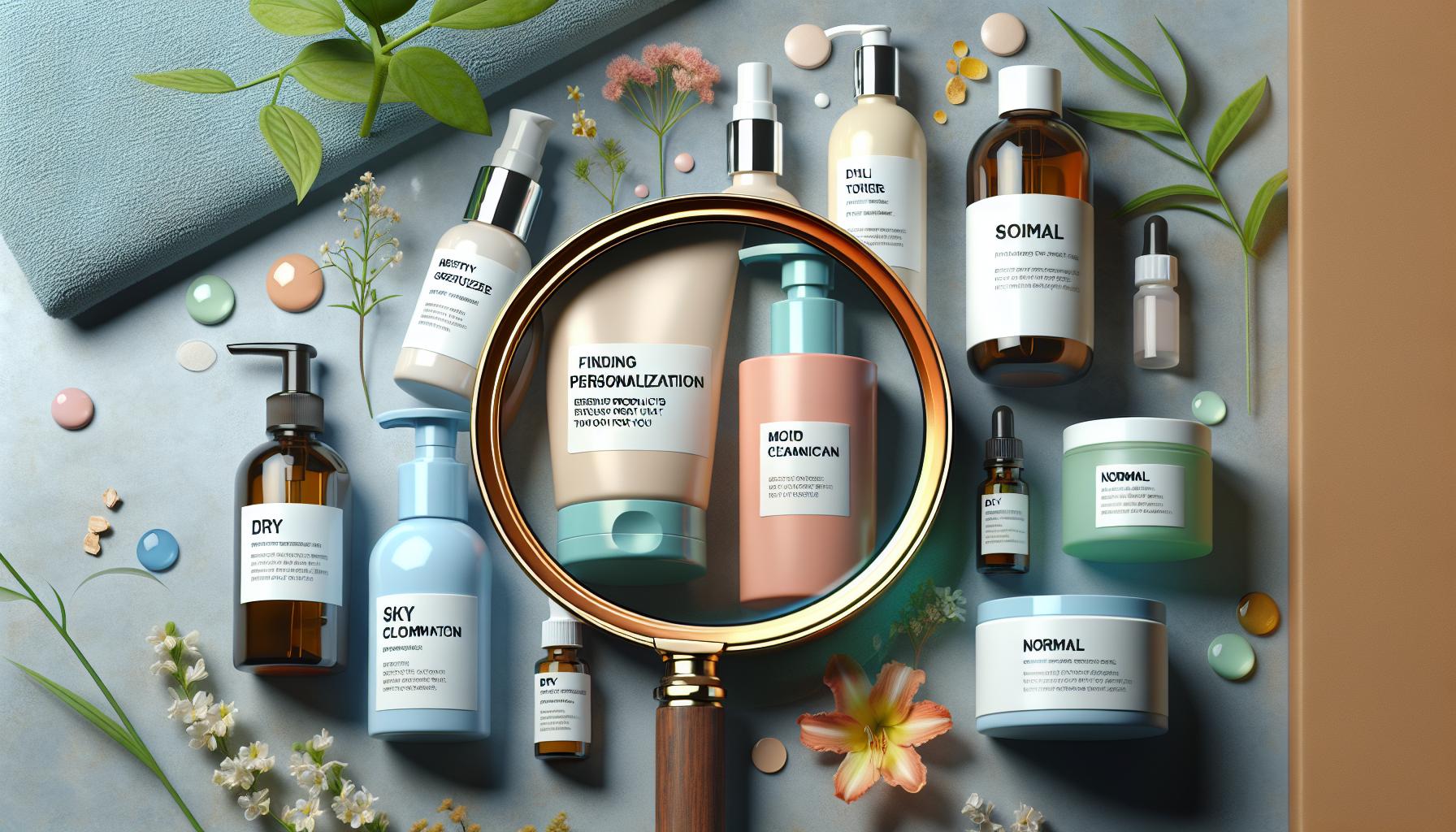
The Importance of Personalizing Your Skincare Routine for Your Skin Type

Why Your Skin Type Matters
In the vast world of skincare, one size definitely does not fit all. Every individual has a unique skin type, which can range from oily and dry to sensitive or combination. Tailoring your skincare routine to these specific needs is essential for achieving the best results. Understanding your skin’s unique characteristics can transform not just your complexion, but your overall self-esteem.
Targeted Treatments
One of the primary advantages of personalized skincare is the ability to deliver targeted treatments. For instance, if you’re prone to acne, selecting products with salicylic acid can help unclog pores and reduce breakouts. On the other hand, individuals dealing with hyperpigmentation may find ingredients like vitamin C beneficial for brightening dark spots. Aging skin can benefit from products containing retinol or peptides that encourage skin renewal and elasticity. By focusing on specific concerns, you can witness remarkable improvements in your skin’s appearance over time.
Ingredient Compatibility
Additionally, knowing which ingredients work harmoniously with your skin type is crucial. For oily skin types, lightweight, oil-free moisturizers can provide hydration without contributing to shine or breakouts. Meanwhile, those with dry skin might seek rich, emollient creams that lock in moisture. The growing trend of natural and organic products emphasizes ingredient transparency, allowing consumers to choose items that align with their skin’s unique needs. For example, aloe vera gel can serve as a soothing option for sensitive skin, while hyaluronic acid, known for its moisture-retaining properties, is ideal for all skin types.
Prevention of Damage
Implementing a personalized skincare routine also plays a vital role in preventing damage. Using products that are ill-suited for your skin can lead to irritation, redness, or breakouts. If someone with sensitive skin uses a harsh exfoliant designed for oilier skin types, the result could be more harm than good. Understanding your skin’s sensitivity not only helps avoid adverse reactions but also fosters a more enjoyable skincare experience.
As modern skincare evolves, so does the emphasis on personalization. The journey towards understanding your skin type requires observation and experimentation, but it is a worthwhile investment. Tailoring your routine can lead to healthier, more radiant skin that boosts your confidence and showcases your natural beauty.

In conclusion, delving deeper into your skin type allows you to enhance not just your appearance but also your self-assurance. Tailor your skincare approach, and embrace the journey towards achieving your best skin. It’s a path filled with discovery, learning, and ultimately, empowerment.
DISCOVER MORE: Click here for insights on skin aging
Understanding Your Skin Type
Before you embark on the journey to customize your skincare routine, it’s vital to have a solid understanding of your unique skin type. The American Academy of Dermatology categorizes skin into five main types: normal, oily, dry, combination, and sensitive. Each type possesses distinct characteristics that dictate the appropriate products and treatment methods. Getting to know your skin can save you time, money, and frustration in the long run.
The Five Main Skin Types
- Normal Skin: Characterized by a balanced amount of oil and moisture, normal skin typically exhibits few imperfections and a smooth texture. Those with this skin type can often experiment more freely with different products and ingredients.
- Oily Skin: This skin type produces excess sebum, making the face appear shiny. Enlarged pores and acne are common concerns. For oily skin, opting for lightweight, non-comedogenic products is crucial to prevent further breakouts.
- Dry Skin: People with dry skin often feel tightness or roughness, especially after cleansing. This skin type benefits from rich, hydrating ingredients that foster moisture retention, such as ceramides and shea butter.
- Combination Skin: As the name suggests, combination skin features a mix of both oily and dry areas on the face. The T-zone (forehead, nose, and chin) may be oily, while the cheeks are prone to dryness. Selecting products that balance and target specific areas is essential.
- Sensitive Skin: Sensitive skin can be reactive and prone to irritation, redness, and rashes. It’s vital to choose products thoughtfully, focusing on gentle, soothing ingredients that minimize the risk of adverse reactions.
The Role of Skin Assessments
Engaging in a skin assessment is an invaluable tool that can illuminate your specific needs. Many skincare brands offer quizzes or consultations to help determine your skin type and recommended products. This step is essential, especially when incorporating new treatments into your routine. Knowledge gained from a professional assessment or a dedicated analysis tool can guide your choices and help you build a routine focused on enhancing your skin’s natural balance.
The significance of recognizing your skin type cannot be overstated. Applying products that align with your skin’s specific needs lays the foundation for a truly personalized skincare routine. It fosters a preventative approach, minimizing damage and promoting a healthy, radiant complexion. Ultimately, understanding your skin type empowers you to embrace the essential first-choice step in your skincare journey, leading to improved confidence and well-being.
Personalizing your skincare routine is not merely a trend; it’s a crucial aspect of skincare that can lead to better results and healthier skin. Every individual’s skin is unique, affected by genetics, environmental factors, and lifestyle choices. By understanding your skin type—whether it’s oily, dry, sensitive, or combination—you can select products that cater specifically to your skin’s needs. This tailored approach minimizes the risk of irritation and maximizes the effectiveness of the products used.
For instance, if you have oily skin, using oil-free moisturizers and lightweight serums can help prevent breakouts while keeping your skin hydrated. On the other hand, those with dry skin should opt for rich creams that offer intense hydration and lock in moisture.
Moreover, understanding your skin type allows you to adapt your routine to seasonal changes. For example, during winter, dry skin may require a heavier moisturizer compared to the lighter formulations preferred in summer. Thus, personalizing your skincare routine not only addresses your immediate skin concerns but also paves the way for long-term skin health.
Additionally, with the rise of personalized skincare brands, consumers now have more access than ever to customized products formulated specifically for their skin’s unique profile. These innovations make it easier to invest in effective skincare that truly resonates with individual needs and preferences.
| Skin Type | Recommended Care |
|---|---|
| Oily | Use oil-free moisturizers and gel-based cleansers to reduce shine and prevent breakouts. |
| Dry | Opt for rich creams and hydrating serums to combat dryness and lock in moisture. |
In essence, the journey towards flawless skin begins with the understanding of one’s unique skin type, ensuring that each product added to your regimen contributes positively to your skin’s overall health and appearance.
DISCOVER MORE: Click here to dive into the world of social media’s impact on skincare trends
Choosing the Right Products for Your Skin Type
Once you have established your skin type, the next crucial step involves picking the right products that cater specifically to your skin’s needs. This is where the concept of product formulation comes into play. The ingredients you select play a pivotal role in the efficacy of your skincare routine. Recognizing how acids, oils, and extracts interact with your skin type can yield significant benefits.
Understanding Ingredients
For individuals with oily skin, ingredients such as salicylic acid, witch hazel, and niacinamide are often recommended due to their oil-controlling properties. Salicylic acid penetrates pores to prevent and treat acne, while witch hazel acts as a natural astringent, helping to tighten pores and reduce excess oil. In contrast, those with dry skin should gravitate towards hydrating agents like hyaluronic acid and glycerin. These ingredients draw moisture into the skin, helping to alleviate dryness and discomfort.
Furthermore, combination skin requires a more tailored approach. Balancing products that use clay or charcoal in the T-zone can regulate oil production, while nourishing creams with shea butter can restore hydration to the drier areas. Alternatively, individuals with sensitive skin must be discerning about product ingredients, favoring those labeled as hypoallergenic or fragrance-free, which are less likely to provoke irritation.
The Importance of Testing Products
Implementing a patch test is a critical step when introducing new products into your regimen. This method involves applying a small amount of product to a discreet patch of skin—like behind the ear or on the wrist—to monitor for any adverse reactions over 24 hours. For many, the temptation to dive headfirst into the latest beauty fads is strong, but exercising patience and caution pays off significantly in ensuring skin health.
Adapting Your Routine for Seasonal Changes
Your skin is also subject to the influences of seasonal changes. As seasons shift, it’s essential to reassess your skincare needs. For instance, during winter months, indoor heating can lead to increased dryness, prompting a need for thicker creams and more intensive moisturizers. Conversely, summer heat may mean opting for lighter formulations or gel-based products to combat excess oil and sweat. Thus, a flexible skincare routine that adapts with changing climates is equally important as personalized product selection.
Consulting Professionals
Finally, seeking advice from a skincare professional can provide invaluable insights, particularly if you have persistent skin issues. Dermatologists and licensed estheticians can offer tailored recommendations, helping to navigate complex concerns such as acne, pigmentation, or signs of aging. Their expertise often unveils lesser-known options, such as prescription treatments or advanced therapies that might be the missing link in personalized skincare.
In conclusion, creating an effective skincare routine involves mindful attention to ingredient selections tailored to your unique skin type. By doing so, you embrace not only the opportunity for healthier skin but also cultivate a sense of empowerment over your beauty regimen. Understanding your skin’s individual needs allows for informed decisions that can lead to long-lasting results and satisfaction in your skincare journey.
DISCOVER MORE: Click here for DIY skincare recipes
Conclusion: Embrace Personalization for Healthier Skin
In today’s diverse landscape of skincare, the mantra that “one size fits all” is a myth that caters to a wide variety but ultimately fails to address the unique needs of individual skin types. Personalizing your skincare routine is not merely a trend—it’s a fundamental approach that can lead to improvements in both skin health and overall confidence. By understanding your specific skin type and carefully selecting products that align with its needs, you set the stage for effective skincare results.
The journey to achieving radiant skin involves more than just choosing popular products; it requires a critical assessment of ingredients, effective testing strategies, and adaptability based on environmental shifts. The effect of seasonal changes and the necessity of professional consultations cannot be overlooked, as they often unveil hidden concerns and solutions that self-directed care may miss.
Ultimately, fostering a skincare routine tailored to your skin type empowers you with the knowledge to make informed choices. As science and technology evolve, many new products arise, pushing the boundaries of effectiveness. However, the cornerstone of any successful routine remains personalization. It offers the promise of not just healthier skin, but also a deeper connection with your beauty regimen. As you embark or continue on your skincare journey, embrace the responsibility of customization—your skin will thank you.