How Nutrition Affects Your Skincare Routine and Skin Health
The Integral Role of Nutrition in Promoting Skin Vitality
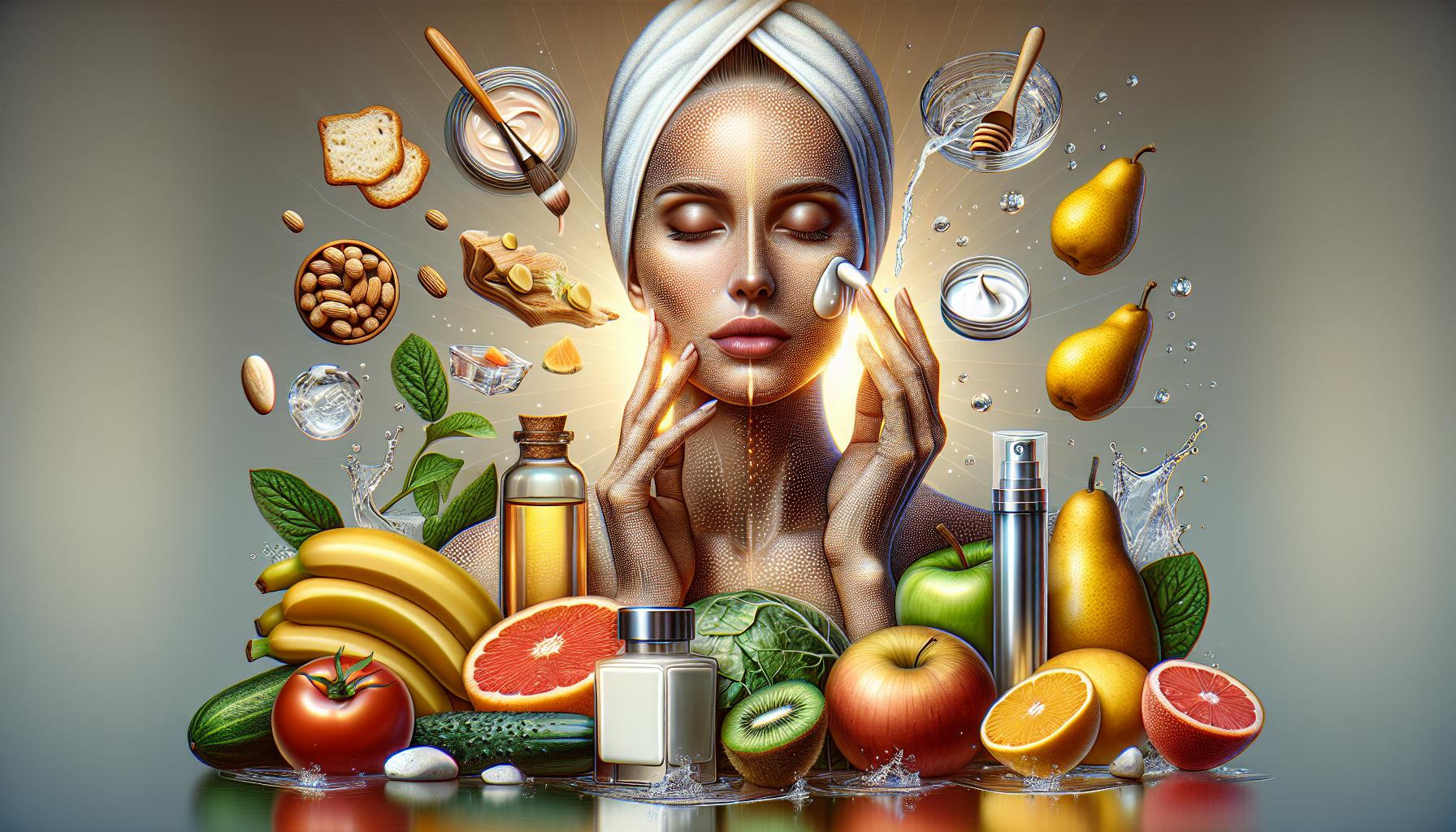
Your skin serves as more than just a protective shield; it acts as a mirror reflecting your overall well-being. The intricate connection between diet and skin health is becoming increasingly evident, with a wealth of research illuminating how specific nutrients can nourish and revitalize the skin. A diet rich in vitamins, minerals, and antioxidants can significantly enhance not only your skin’s appearance but also its resilience to environmental stressors.
Antioxidants play a pivotal role in protecting the skin from oxidative stress caused by free radicals, which can accelerate the aging process. Fruits such as berries, pomegranates, and oranges are extremely high in antioxidants and can be easily incorporated into your daily diet. For example, the addition of blueberries to your breakfast cereal or yogurt not only adds a delightful taste but also delivers a punch of protective compounds. Likewise, vegetables like kale and spinach are rich in vitamins A, C, and E, all of which are vital for maintaining youthful skin.
The Importance of Healthy Fats
Incorporating healthy fats is another game-changer for skin health. Omega-3 fatty acids, commonly found in fatty fish such as salmon, as well as in flaxseeds and walnuts, can help to reduce inflammation and maintain skin hydration. These fats contribute to the skin’s lipid barrier, ensuring it retains moisture and remains supple. A simple grilled salmon dish or a handful of walnuts as an afternoon snack can work wonders for your skin.
The Necessity of Hydration
Moreover, hydration cannot be overlooked. Adequate water intake is critical for maintaining skin elasticity and preventing dryness. Studies indicate that a lack of hydration can lead to a dull complexion and accentuate the appearance of fine lines. Aim to drink at least eight glasses of water daily, and consider integrating hydrating foods such as cucumbers, watermelon, and oranges into your meals.
Interestingly, understanding the synergies between your diet and skincare products can amplify results. For instance, the incorporation of foods high in collagen, like bone broth or even vitamin C-rich citrus fruits, can contribute to your skin’s natural repair mechanisms. Vitamin C is essential for collagen synthesis, and a refreshing glass of orange juice can aid in this process while providing a refreshing start to your day.

Ultimately, with a well-rounded nutritional strategy, your skincare regime transcends mere topical treatments. It becomes a holistic approach where internal nourishment is just as crucial as external application. By making mindful dietary changes, you can cultivate healthy, glowing skin from within and boost the efficacy of your skincare products. Dive deeper into these dietary tweaks and witness the transformative effects they can have on your skin’s health and overall appearance.
DISCOVER MORE: Click here for the latest innovations in skincare
Nutritional Boosters for Radiant Skin
While the right skincare products can enhance your skin’s appearance, the foundation of healthy skin truly lies in your diet. A balanced diet filled with nutrient-dense foods not only supports overall health but also lays the groundwork for an effective skincare routine. Nutrients from your food contribute to the health of your skin at a cellular level, impacting everything from tone to texture.
It is essential to recognize some specific vitamins and minerals that can work wonders for your skin. Here are a few key players:
- Vitamin A: This vitamin is vital for skin repair and growth. Foods like sweet potatoes, carrots, and dark leafy greens are rich sources. Vitamin A helps reduce the appearance of fine lines and supports skin cell turnover.
- Vitamin E: Known for its antioxidant properties, vitamin E helps to protect skin cells from oxidative damage. Nuts, seeds, and avocados are excellent sources.
- Zinc: This mineral plays a significant role in skin health, aiding in healing and reducing inflammation. Foods such as beans, lentils, and pumpkin seeds can boost your zinc levels.
- Biotin: Often referred to as the “beauty vitamin,” biotin supports the structure of keratin, a key protein in skin, hair, and nails. You can find biotin in eggs, almonds, and whole grains.
Incorporating these vitamins and minerals into your daily meals can establish a strong base for not just enhancing your skincare routine, but also for improving your skin’s health from the inside out. For instance, starting your day with a nutrient-packed breakfast can set the tone for healthy skin. A smoothie featuring kale, banana, and almond milk can be a delicious and effective way to kick-start your nutrition.
The Influence of Sugar and Processed Foods
On the flip side, it’s crucial to be mindful of what you consume, as unhealthy dietary choices can harm your skin. Excess sugar and processed foods can lead to inflammation, exacerbate acne, and contribute to signs of aging. High glycemic index foods, such as white bread, sugary drinks, and candies can lead to spikes in insulin levels that may increase the production of sebum and, consequently, acne. Therefore, opting for whole foods, such as complex carbohydrates, can significantly benefit your skin.
Adopting a mindful approach to nutrition doesn’t mean you must give up your favorite treats altogether. Balance is key; instead, aim to make healthier choices most of the time while allowing occasional indulgences. The goal is to cultivate a lifestyle that promotes skin health while staying enjoyable.
As you explore the relationship between nutrition and skincare, remember that every small change in your diet can produce substantial results over time. By understanding how these elements work together, you can navigate your skincare routine with renewed confidence and knowledge.
| Key Nutrients | Impact on Skin Health |
|---|---|
| Vitamins A, C, and E | These vitamins play a pivotal role in skin repair, anti-aging, and protection against UV rays. Vitamin C, for instance, enhances collagen production, promoting skin elasticity and firmness. |
| Omega-3 Fatty Acids | Found in fish and flaxseeds, Omega-3 fatty acids help maintain the skin’s lipid barrier, decreasing dryness and promoting hydration. This nutrient is essential in reducing inflammation, contributing to a clearer complexion. |
| Antioxidants | Foods rich in antioxidants combat oxidative stress, which can accelerate skin aging. They protect skin cells from damage and improve overall skin tone and texture. |
| Hydration | Adequate water intake is crucial for maintaining skin turgor and elasticity. Well-hydrated skin appears plumper, reduces the appearance of fine lines, and gives a healthy glow. |
Nutrition plays a significant role in dictating the health of your skin. By incorporating the right types of food, you can create a *powerful skincare routine* from within. As you’re learning more about how specific nutrients contribute to skin vitality, consider not only what you apply to your skin but also how your dietary choices directly influence your complexion. Exploring these connections can empower you to make informed decisions for both your skincare and nutritional habits.
DIVE DEEPER: Click here to discover the secrets of beauty sleep
Hydration and Its Impact on Skin Health
When discussing how nutrition affects your skincare routine, it is impossible to overlook the significance of hydration. Water plays an integral role in maintaining skin elasticity, promoting a youthful appearance, and ensuring proper nutrient absorption. The general rule of thumb is to aim for at least eight 8-ounce glasses of water per day, but this may vary based on individual activity levels and climate. Hydration is the unsung hero behind radiant skin, and incorporating hydrating foods can amplify this effect.
Fruits and vegetables with high water content, such as cucumbers, oranges, and strawberries, can contribute to increased hydration levels. These foods not only quench your thirst but also supply essential vitamins and antioxidants that further nourish your skin. For example, watermelon, which consists of about 92% water, is also rich in vitamins A, B6, and C, providing a double boost to your skin health.
In addition to direct hydration, electrolytes play a vital role in skin health. Foods rich in potassium, such as bananas, spinach, and sweet potatoes, help balance fluid levels in the body, which can minimize puffiness and retain moisture within skin cells. High-quality hydration keeps the skin looking plump and suppresses dryness, which can exacerbate conditions like eczema and dermatitis.
The Role of Omega-3 Fatty Acids
Another nutritional component worth noting is omega-3 fatty acids. These healthy fats are essential for maintaining skin barrier function and overall moisture levels. Omega-3s help to reduce inflammation, which can lead to improved skin conditions such as acne and psoriasis. Incorporating foods rich in omega-3s, like fatty fish (salmon, mackerel), walnuts, flaxseeds, and chia seeds, can be a game-changer for your skin’s appearance and health.
Research indicates that diets high in omega-3 fatty acids can help decrease lipid peroxidation and improve overall skin hydration. A study published in the Journal of Lipid Research suggests that omega-3 supplementation significantly enhances the hydration levels of the skin barrier, leading to a lasting improvement in skin texture and elasticity.
Fermented Foods and Gut Health
The connection between gut health and skin health is a fascinating area that has gained attention in recent years. Fermented foods, such as yogurt, kefir, sauerkraut, and kimchi, promote the growth of beneficial gut bacteria, which in turn can improve skin conditions. Research indicates that a healthy gut microbiome is associated with a reduced incidence of skin issues, including acne and eczema.
By adding probiotics to your diet, you can help facilitate the body’s detoxification processes, leading to clearer skin. For example, studies published in the American Journal of Clinical Dermatology have shown that individuals with higher levels of beneficial bacteria in their gut tend to experience fewer inflammation-related skin conditions. This interplay makes gut health a critical yet often overlooked component of a comprehensive skincare routine.
In essence, the influence of nutrition on your skin cannot be understated. The right balance of vitamins, hydration, healthy fats, and gut health can create a robust framework for skincare, leading to visibly enhanced, healthier skin over time. As you consider your skincare routine, remember that nourishing your body through whole, nutrient-dense foods is an indispensable strategy for achieving and maintaining vibrant skin.
LEARN MORE: Click here to discover innovative anti-aging technologies
Conclusion: Nourishing Your Skin from Within
As we have explored, nutrition plays a pivotal role in shaping the health and appearance of our skin. The intricacies of skin health extend far beyond topical treatments and beauty products; they stem from the very food we consume. By integrating nutrient-rich foods into your diet—like hydrating fruits and vegetables, omega-3 fatty acids, and fermented items—you can create a harmonious balance that supports your skin’s vitality.
Water, essential vitamins, and healthy fats are not simply optional; they are fundamental to maintaining skin elasticity, reducing inflammation, and facilitating a glowing complexion. The direct link between gut health and skin health emphasizes the importance of probiotics and fiber-rich foods, which can influence everything from acne to overall skin texture. In our era of information overload, it is vital to recognize how our dietary choices can serve as powerful tools in our skincare arsenal.
To achieve lasting results, consider adopting a holistic approach that marries nutrition with a skincare routine. Prioritizing whole, nutrient-dense foods can offer transformative benefits that go beyond superficial treatment. As you navigate your path to healthier skin, remember that true radiance begins from within—empower yourself with knowledge and choices that foster both your skin health and overall well-being.
Now is the perfect time to reassess your dietary habits. Explore new recipes, discover beneficial foods, and relish the journey towards a nourished, luminous complexion. The realignment of your nutrition can lead to a profound change in your skin, turning the focus back on what you put into your body as a foundation for beauty.