The Influence of Social Media on New Beauty Trends: The Power of Influencers
The Digital Beauty Revolution
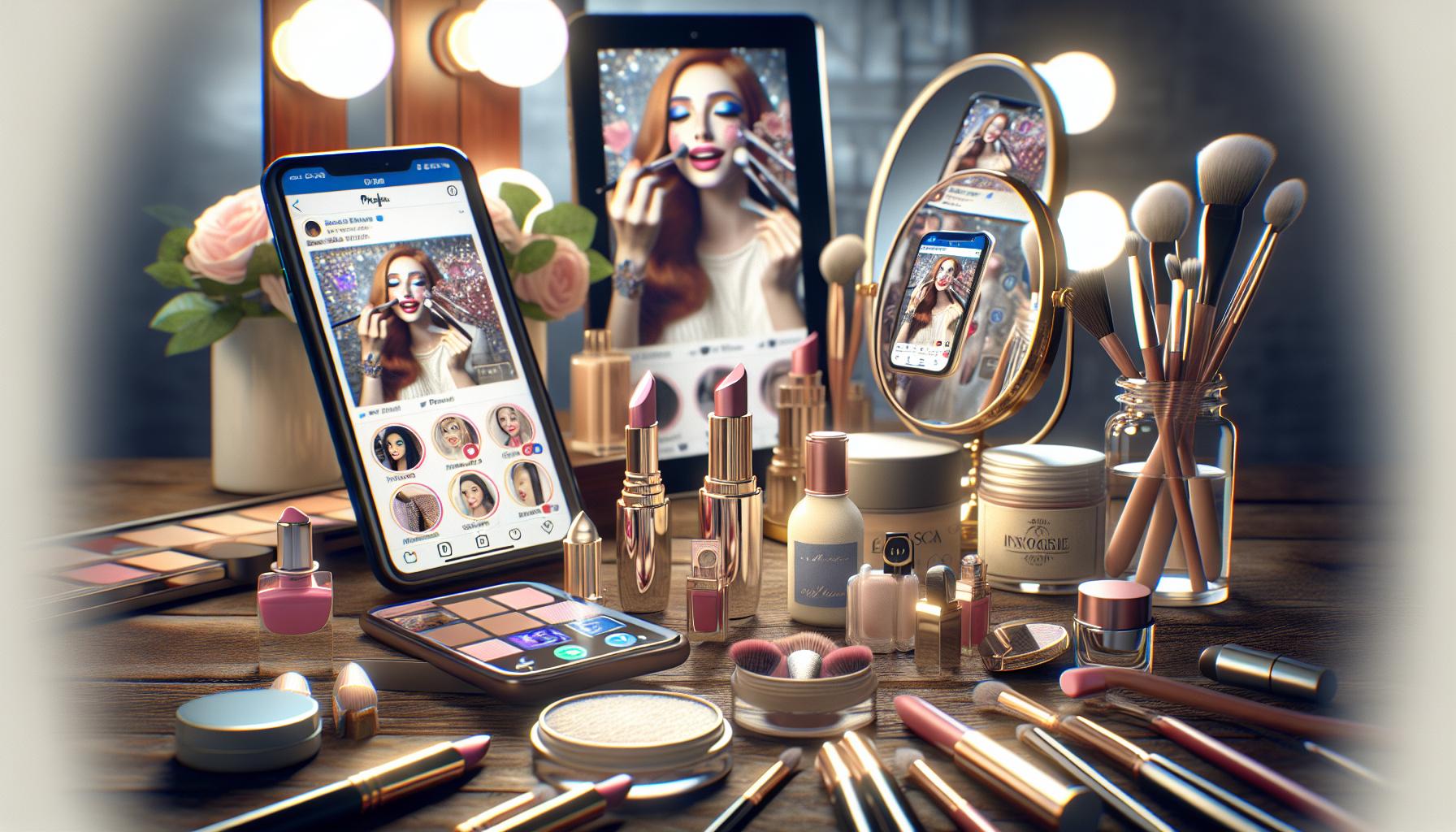
In the age of smartphones and 24/7 connectivity, social media has emerged as a formidable force in shaping beauty trends and consumer behavior. Platforms like Instagram, TikTok, and YouTube serve as bustling marketplaces where beauty enthusiasts, artists, and influencers converge to share ideas, tips, and their signature looks. The impact of this digital landscape is profound, crafting a new approach to beauty that was previously unimaginable.
Many beauty looks now receive instant validation; a makeup tutorial or skincare hack can transition from a mere post to a full-blown trend in a matter of days. This phenomenon is exemplified by the rise of specific beauty products, such as the viral success of the e.l.f. Cosmetics ‘Hydrating Camo Concealer,’ which sold out almost immediately after numerous influencers showcased it in their tutorials. Such real-time trends have prompted brands to expedite product development and marketing timelines to capitalize on virality.
Diversity and Representation in Beauty
The democratization of beauty through social media has also resulted in a significant increase in diversity and representation within the industry. Historically, mainstream beauty standards were often narrow in scope, typically favoring a specific aesthetic. However, influencers like Nabela Noor and Jackie Aina have harnessed their platforms to challenge these conventions, showcasing a broader spectrum of beauty that encompasses various skin tones, body types, and cultural backgrounds. This shift towards inclusivity has not only created a more relatable beauty narrative but has also inspired brands to broaden their product lines to cater to a wider audience.
The Influencer-Brand Connection
The relationship between brands and influencers is evolving into a sophisticated collaboration model. Companies are increasingly recognizing the value of influencer marketing as a way to reach niche markets effectively. For example, brands like Glossier and Fenty Beauty have built their success on the backs of user-generated content and influencer endorsements that resonate with their targeted demographics. Through these collaborations, influencers can provide authenticity and relatability that traditional advertising often lacks, driving engagement and customer loyalty.
This intricate synergy between social media and beauty trends reflects a significant transformation in consumer habits. Brands are now compelled to monitor social media landscapes closely to keep up with the rapidly changing preferences of consumers, who are not just passive recipients of trends but active participants in creating and sharing beauty culture.
As we explore the extent of this influence, it becomes clear that understanding these dynamics is crucial for predicting the future direction of beauty standards. Innovations that prioritize individual expression and authenticity could determine how beauty is perceived not only within the United States but across a global audience, fundamentally altering the landscape of the beauty industry for years to come.
DISCOVER MORE: Click here to learn how sleep impacts your skin
Redefining Beauty through the Lens of Social Media
The rapid evolution of beauty trends in the age of social media is alarming yet captivating. The emergence of influencers has rewritten the rules of beauty marketing, allowing individuals to curate their own narratives and establish authority in a sphere once dominated by traditional media. As influencers rise in prominence, they have become the arbiters of what is ‘in’ and what is ‘out,’ creating a dynamic that encourages both brands and consumers to stay on their toes.
The Rise of the Influencer Archetype
In recent years, specific influencers have triggered seismic shifts in what is deemed beautiful, prompting followers to adopt new styles and products in swift succession. Platforms like TikTok have birthed various beauty challenges — for instance, the “#GlassSkinChallenge” that fueled an obsession with achieving that luminous, dewy complexion that originated from Korean beauty trends. This surge of challenges and new trends showcases not just a reaction to beauty but also a collective movement towards experimentation and expression.
- Authenticity Matters: Influencers who share their personal routines, struggles, and skin issues resonate deeply with audiences seeking authenticity over an unattainable ideal.
- Community Engagement: The interactive nature of social media fosters a sense of community, with followers sharing their own experiences and engaging in discussions about various beauty products and techniques.
- Diverse Perspectives: As more individuals from different backgrounds join the conversation, the beauty narrative expands, illuminating the importance of diversity.
This new digital order arms consumers with instant access to feedback, enabling them to discover unorthodox beauty methods and products that may not have made it to shelves via traditional marketing routes. The quick feedback loops allow for a rapid dissemination of what is trending, creating a culture of immediacy that encompasses everything from a new lip color to a skincare routine that promises miraculous results.
Data-Driven Beauty Trends
Analytics and algorithms play a crucial role in projecting these trends into the mainstream. Brands are increasingly leveraging data to align their product launches with what is trending on social media. According to a recent report by Influencer Marketing Hub, 49% of consumers rely on influencers to inform their purchase decisions. This staggering percentage highlights the role that social media influencers play in propelling beauty trends into mainstream consciousness.
Furthermore, brands like ColourPop and Kylie Cosmetics have used this data-driven approach to great success, targeting specific demographics and utilizing social media analytics to guide their marketing strategies. The seamless integration of influencer-driven insights assists in shaping product development and promotional efforts, allowing brands to capitalize on trends while they are still hot.
As the atmosphere around beauty consumption continues to shift, the ability to adapt quickly to changing preferences becomes vital. The interplay between influencer marketing and social media can be seen as a powerful catalyst for innovative new beauty trends, offering a glimpse into a continuously evolving landscape driven by the voice of the consumers themselves.
As social media continues to evolve, so does its role in shaping beauty trends. Influencers leverage platforms like Instagram, TikTok, and YouTube to curate their personal brands, showcasing everything from makeup tutorials to skincare regimens. One of the most striking aspects of this phenomenon is the authenticity that influencers bring to the table. Unlike traditional advertising, which often feels polished and staged, social media influencers provide a more relatable and accessible approach. Through their stories and experiences, they engage audiences in a conversation about beauty, encouraging followers to explore new products and trends that they might not have discovered otherwise.
Furthermore, the rapid dissemination of content on social media empowers influencers to jumpstart trends overnight. A single viral post can catapult a makeup product into the limelight, creating a rush of demand that brands scramble to meet. This was seen in the case of the “skincare for makeup lovers” trend, where beauty influencers shared their favorite skincare routines that not only enhanced their makeup application but also focused on skincare health. The ripple effect is significant, as even small brands can gain massive visibility and sales through influencer partnerships.
| Category | Advantages |
|---|---|
| Influencer Authenticity | Creates a relatable connection with audiences, shifting the perception of beauty advertising. |
| Viral Trends | Enables rapid adoption of new beauty products and styles, often leading to significant market impact. |
The importance of social media influencers in beauty trends cannot be understated. Their ability to create a narrative around products not only drives immediate consumption but also shapes the long-term perception of brands. As a result, beauty companies are increasingly allocating budgets to influencer marketing, understanding that these digital creators are the new face of beauty standards and trends in a visually driven world.
DISCOVER MORE: Click here to learn about customizing your skincare
Engaging with Emerging Trends
The presence of micro-influencers has further diversified the beauty landscape, emphasizing the power of community-based recommendations over mass marketing campaigns. With follower counts often ranging from 1,000 to 100,000, these influencers are perceived as more relatable and approachable. They typically cultivate a niche audience and provide personalized content, driving significant engagement rates. According to a study by MarketingDive, 82% of consumers are more likely to follow a brand after seeing it endorsed by a micro-influencer. This phenomenon illustrates how trust and inertia sway consumer preferences in ways that traditional celebrity endorsements cannot match.
Virality and Challenges: The New Normal
Platforms like TikTok have fundamentally altered the pace at which beauty trends emerge and gain traction. The viral nature of content allows beauty challenges — such as the “#NoMakeupChallenge” — to spread rapidly, attracting millions of participants who showcase their bare faces while championing skincare over cosmetic applications. These challenges serve a dual purpose: they encourage self-acceptance and promote products aimed at enhancing natural beauty, thus shifting consumer focus away from over-commercialized beauty standards.
- Trend Lifespan: Beauty trends now have a remarkably fleeting lifespan, with some lasting only a few weeks before being replaced by newer concepts. This ephemeral nature keeps the beauty industry on its toes and compels brands to innovate continually.
- Accessibility of Beauty Tools: The democratization of beauty continues as influencers often share affordable alternatives to costly products, empowering consumers to explore a range of beauty tools without breaking the bank.
- Stealth Marketing: Brands leverage user-generated content through social media challenges, effectively using organic posts as stealth marketing. This technique builds authentic relationships with potential customers while promoting brand loyalty.
Adapting to this fast-paced beauty culture is essential for brands striving to remain relevant. For instance, the social media agency Influencive conducted research revealing that beauty brands harnessing TikTok for advertisements experienced a staggering 88% increase in user engagement. This data underscores the critical role that influencer collaboration plays in shaping perceptions and driving sales.
Cultural Shifts and Global Trends
The influence of social media on beauty trends also extends beyond traditional borders, with global beauty standards converging and diverging in fascinating ways. Many influencers now highlight cultural significance in their content, offering insights into beauty rituals from different parts of the world. Trends such as glass skin, inspired by Korean beauty, and the resurgence of natural makeup aesthetics, which draw heavily from various cultural influences, are prime examples of this convergence.
Furthermore, social media platforms empower dialogue surrounding beauty inequality and representation. As conversations about body positivity and inclusivity gain steam, many influencers advocate for brands to diversify their product offerings, accommodating a wider spectrum of skin tones and types. Studies show that campaigns featuring diverse models generate higher engagement rates, with research from McKinsey & Company indicating that brands embracing diversity see a 30% increase in potential market share. This paradigm shift not only reflects consumer demands but also pressures brands to take authenticity seriously.
Driven by a community-centric approach, the power of influencers in dictating beauty trends continues to reshape the industry’s landscape, highlighting the critical link between social media engagement and consumer behavior. The beauty industry must remain agile, allowing influencers to lead the charge in redefining standards and innovating in response to ever-evolving consumer expectations.
DIVE DEEPER: Click here to enhance your nighttime routine
Conclusion: The Transformative Impact of Influencers in Beauty Trends
In today’s digital age, the influence of social media has profoundly reshaped the landscape of beauty trends, giving rise to a new order where influencers play a central role in driving consumer behavior and shaping industry standards. As this article illustrates, the rise of micro-influencers and community-based recommendations is revolutionizing the way brands engage with their audience, emphasizing authenticity and relatability over traditional celebrity endorsements. With the power of platforms like TikTok, trends emerge and dissipate at an unprecedented pace, reflecting the ever-evolving preferences of consumers who seek immediacy and engagement over grandeur.
Moreover, the global nature of social media fosters a cross-cultural exchange, allowing beauty standards and practices to coalesce in unique ways. Influencers are at the forefront of this cultural dialogue, advocating for diversity and representation while challenging normative beauty ideals. As brands embrace these shifts, backed by evidence showing that campaigns featuring inclusivity foster greater market connection, they must innovate to maintain a competitive edge in this dynamic environment.
The journey of beauty in the era of social media is anything but linear; it is a vibrant tapestry of voices, insights, and trends. To thrive, beauty brands must prioritize collaboration with influencers who resonate authentically with their audiences. By embracing this evolving paradigm, stakeholders can not only redefine beauty standards but also cultivate lasting relationships with consumers, paving the way for a more inclusive and innovative future in the beauty industry. In summary, the undeniable power of influencers highlights the intricate interplay between social media and beauty, encouraging continuous exploration and adaptation that can only enrich the consumer experience.