Sustainable Beauty: The Growth of Eco-Friendly and Vegan Products
Transformation in the Beauty Industry
The beauty industry is currently experiencing a profound evolution, pivotal to which is the escalating interest in sustainable products. Once purely a matter of aesthetics, consumers now prioritize purchasing decisions based on ethical considerations, moving toward options that not only enhance personal beauty but also reflect a commitment to environmental responsibility.
Statistics indicate a remarkable shift in consumer behavior. For instance, more than 50% of U.S. consumers report that environmental concerns play a significant role in their beauty purchases. This change is powerfully underscored by market projections that anticipate global sales of vegan beauty products to soar to $20 billion by 2025. Additionally, brands that adopt sustainable practices can expect to benefit from a noteworthy 30% increase in customer loyalty, revealing that consumers are increasingly drawn to brands that make conscientious choices.
Defining Sustainable Beauty
But what exactly constitutes sustainable beauty? This burgeoning market is characterized by several key features that set it apart from conventional beauty products. Among these are the use of natural and organic ingredients, which are not only less harmful to the environment but are often more beneficial for the skin as well. For instance, ingredients like jojoba oil, shea butter, and plant extracts can nourish the skin without the harsh side effects associated with synthetic chemicals.
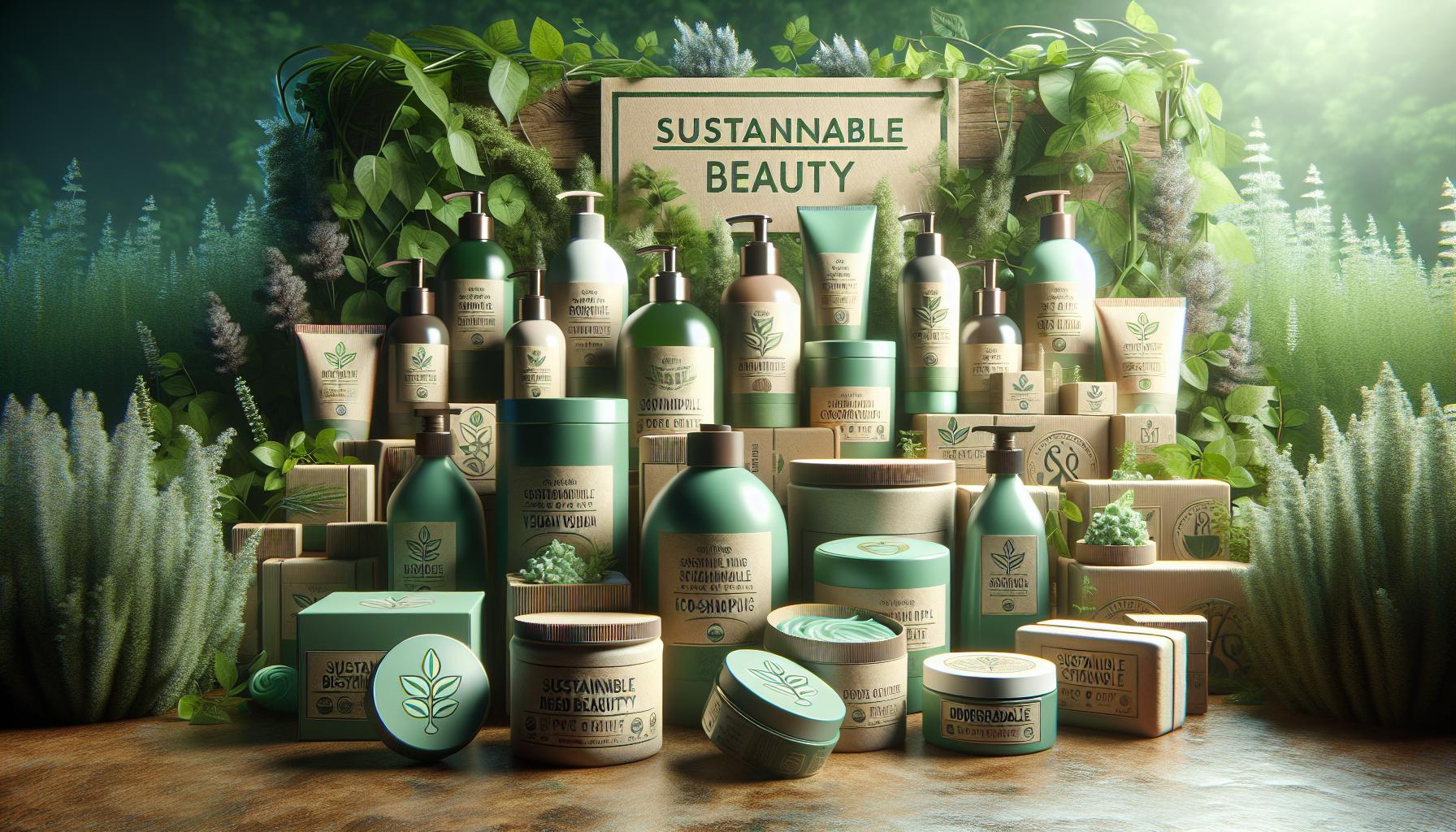
Another critical aspect is the emphasis on biodegradable or recyclable packaging. Many brands are innovating in this space, using materials such as glass or recycled paper to reduce plastic waste. The reduction of single-use plastic is a growing concern, particularly in the United States, where consumer waste contributes significantly to environmental degradation.
Furthermore, the movement towards sustainability is also reflected in the commitment to absence of animal testing and harmful chemicals. Many brands now proudly display cruelty-free certifications and labels indicating that their products are free from parabens, sulfates, and phthalates. For example, companies like Pacifica Beauty and e.l.f. Cosmetics epitomize this trend, offering a diverse range of products that are both effective and ethically sourced.
As a result, both new upstarts and established names within the beauty industry are adapting to these preferences, continuously evolving their product offerings to meet the demands of the eco-conscious consumer. Shoppers today can explore an extensive array of beauty products that not only feature impressive ethical credentials but also deliver high-quality performance, proving that luxury and sustainability can coexist.
The Broader Impact of Sustainable Beauty
The shift towards sustainable beauty transcends mere product choice; it aligns consumers with a broader movement advocating for responsible consumption. As individuals recognize the interconnectedness of their purchasing decisions and environmental impacts, the purchase of sustainable beauty products becomes an act of advocacy. This new consciousness not only enhances personal care routines but also cultivates community—connecting consumers, brands, and environmental advocates in a shared goal for a healthier planet.
In conclusion, the beauty industry’s journey toward sustainability is not just a trend; it’s a movement reshaping consumer expectations and brand commitments in an age where personal health and planetary health are increasingly viewed as intertwined. As this transformation continues to evolve, it invites consumers to explore the ethical dimensions of their beauty rituals, making each cosmetic choice a powerful vote for a more sustainable future.
DISCOVER MORE: Click here to learn about the benefits of natural ingredients
The Rise of Eco-Friendly Ingredients
The surge in demand for sustainable beauty products has led to a fertile landscape for the introduction and innovation of eco-friendly ingredients. Consumers are now more informed than ever about the impact of their beauty choices on the environment, driving brands to pursue natural ingredients that resonate with ethical values. Commonly used natural ingredients such as aloe vera, coconut oil, and green tea extract not only provide beneficial properties for skin and hair but also align with the demand for products that are free from harmful chemicals.
Moreover, the trend is shifting beyond mere aesthetics; consumers are increasingly interested in the sourcing of these ingredients. Brands that promote sustainable sourcing practices often highlight their commitment to fair trade, biodiversity, and local farming initiatives. For instance, brands like Herbivore Botanicals emphasize their use of ethically sourced ingredients, further solidifying their place in the market of eco-conscious beauty products.
Innovative Packaging Solutions
Another significant aspect of the sustainable beauty movement is the transformation of packaging methods. As awareness of plastic pollution rises, beauty brands are actively seeking innovative packaging solutions that minimize environmental impact. The adoption of refillable containers, biodegradable materials, and recycled packaging is becoming increasingly popular. More brands are asking consumers to return used containers in exchange for discounts or incentives, creating a more sustainable lifecycle for their products.
- Recyclable Materials: Brands like The Body Shop are leading the charge, making strides with their 100% recyclable packaging.
- Biodegradable Alternatives: Many companies are shifting towards compostable materials, paving the way for a more eco-friendly waste management system.
- Refill Stations: Products such as L’Occitane offering refill stations in select stores allow consumers to replenish their favorite products without generating additional waste.
Consumer Influence on Industry Practices
The influence of consumer preference cannot be underestimated in the sustainable beauty landscape. Brands are continually adjusting their formulations and practices in response to a well-informed consumer base that actively seeks transparency. An impressive 73% of millennials are willing to pay more for sustainable products, reflecting a significant shift in purchasing power. This commitment not only shapes brand development but also places pressure on manufacturers to reevaluate their practices to remain competitive in this changing market.
Furthermore, social media platforms serve as critical avenues for education and advocacy, allowing consumers to voice their opinions and demand more from brands. Influencers and activists alike are leveraging these channels to promote eco-friendly alternatives and educate their audiences about the ramifications of non-sustainable beauty practices. As a result, some beauty companies have put in place transparent supply chains to track and showcase their efforts, further deepening consumer trust.
As the beauty industry continues to evolve, the convergence of consumer awareness, innovative ingredients, and eco-conscious packaging shapes a new narrative where sustainability takes center stage. With each purchase, consumers reinforce the notion that beauty can indeed be a force for good, advocating for both personal well-being and environmental health.
Sustainable Beauty: The Growth of Eco-Friendly and Vegan Products
The demand for eco-friendly and vegan beauty products has surged in recent years, reflecting a shift in consumer consciousness towards sustainability and ethical practices. Brands are now prioritizing sustainable sourcing of raw materials, reducing their carbon footprint, and adopting cruelty-free testing methods. The global eco-beauty market is projected to grow as consumers seek products that resonate with their values.
Innovative Ingredients and Formulations
One key aspect of this trend is the use of innovative ingredients that are not only environmentally friendly but also effective. For example, plant-based alternatives to traditional petroleum-derived ingredients are now widely utilized. Ingredients like aloe vera, jojoba oil, and green tea not only offer numerous skin benefits but also align with ecological preservation efforts.
Brand Transparency and Certifications
Moreover, brands are increasingly adopting transparency regarding their ingredient sourcing and production processes. Certifications such as Vegan Society and Leaping Bunny assure consumers that the products are cruelty-free and devoid of animal-derived ingredients. This transparency builds trust and loyalty among consumers who prioritize ethical considerations.
Consumer Education and Awareness
Education plays a vital role in this growth. As consumers become more informed about the environmental impact of their purchases, they are more likely to support brands that demonstrate a commitment to sustainability. Social media campaigns and influencer partnerships are effective tools for raising awareness about the benefits of eco-friendly and vegan beauty.
| Category | Benefits |
|---|---|
| Eco-Friendly Ingredients | Utilizes natural, sustainable sources reducing environmental harm |
| Vegan Certification | Ensures products are free from animal testing and by-products, supporting ethical consumerism |
| Brand Transparency | Increases consumer trust by revealing production practices |
| Social Media Influence | Enhances accessibility of information raising awareness of eco-friendly products |
This remarkable transformation within the beauty industry not only aids in combating climate change but also leads the narrative towards holistic wellbeing. As more consumers choose sustainable options, the future of beauty appears brighter and more conscious than ever before.
DIVE DEEPER: Click here to discover natural solutions for youthful skin
The Role of Certifications and Standards
As consumers actively seek out products with sustainable beauty credentials, the presence of official certifications has become increasingly critical. These certifications not only serve as a badge of honor for manufacturers but also provide guidance for consumers trying to navigate the landscape of eco-friendly and vegan products. Distinct labels such as USDA Organic, Leaping Bunny (for cruelty-free), and Vegan Certified offer valuable information about the ethical implications of products, allowing consumers to make informed choices.
For instance, the Vegan Society offers a trademark for products that meet stringent standards for being vegan, meaning they contain no animal-derived ingredients and have not been tested on animals. Brands like e.l.f. Cosmetics proudly carry this certification, appealing to conscious consumers who prioritize cruelty-free practices. This emphasis on credentials not only fosters consumer trust but also encourages companies to uphold rigorous standards in their supply chains.
The Growth of Vegan Beauty Brands
The shift toward veganism is significantly influencing the beauty industry, resulting in a remarkable rise in vegan beauty brands. These brands focus on creating products devoid of any animal-derived ingredients, such as beeswax and lanolin, appealing to a more ethically minded audience. Noteworthy brands such as Too Faced and Tarte Cosmetics have positioned themselves as pioneers in the vegan beauty realm, corresponding with the growing consumer preference for vegan alternatives.
The rise of vegan beauty products is also supported by growing awareness about the environmental impact of animal agriculture. Studies reveal that animal farming is a major contributor to deforestation and greenhouse gas emissions, prompting many consumers to make more environmentally conscious choices. With approximately 30% of Americans reported to be actively seeking vegan options, the demand for animal-free formulations continues to surge, encouraging brands to innovate their offerings.
Community Initiatives and Education
A vital part of the sustainable beauty movement is its grassroots efforts aimed at educating and engaging both brands and consumers. Workshops, webinars, and community-driven campaigns are becoming increasingly prevalent, focused on teaching about the benefits of sustainable practices and ethical sourcing. Organizations like Green Beauty Team promote sustainable beauty events that encourage networking among like-minded individuals and brands.
Moreover, various beauty bloggers and influencers have emerged as key figures in this educational movement, utilizing their platforms to disseminate information about eco-friendly practices and highlighting brands that excel in sustainability. Through engaging and straightforward content, they are shifting the narrative, demonstrating that sustainable beauty is not just a trend, but a lifestyle.
Consumer-driven initiatives are also on the rise, with movements such as Project BEAUTY advocating for transparency in product formulations and sourcing. Engaging the community encourages a more profound synergy between brands and consumers, ensuring that the sustainable beauty narrative resonates widely and authentically. As the beauty industry grapples with the nuances of eco-friendliness, these efforts reinforce the collective goal of creating a more sustainable future for both beauty and the planet.
DISCOVER MORE: Click here to learn how your daily habits can influence aging
Conclusion
The landscape of beauty is undergoing a transformative shift towards sustainability, fueled by a growing awareness of ethical consumerism and environmental responsibility. Sustainable beauty is not merely a passing trend; it reflects a profound change in consumer behavior as individuals increasingly choose eco-friendly and vegan products crafted with respect for both animals and the planet. The rise of certifications and standards helps to demystify this journey for consumers, offering reliable pathways to navigate the myriad of options available.
Brands that prioritize transparency, ethical sourcing, and the incorporation of plant-based ingredients are becoming frontrunners in this movement, with innovative formulations that cater to the demands of eco-conscious consumers. As approximately 30% of Americans actively seek vegan alternatives, it’s clear that the appetite for sustainable beauty is growing exponentially, driving brands toward innovation and reformulation.
Moreover, community-driven initiatives and educational efforts are essential in fostering a culture that champions sustainability within the beauty industry. By empowering consumers with knowledge about the environmental and ethical benefits of their choices, collective consciousness can shift towards a more sustainable future where beauty products are not only effective but also responsible.
As you explore the world of sustainable beauty, consider engaging with brands that resonate with your values, supporting the movement towards greater environmental consciousness. The choices you make resonate beyond personal beauty, contributing to a larger narrative of sustainability that promises a healthier planet for generations to come.