The Influence of Technology on New Beauty and Skincare Trends
Innovative Technologies Transforming Beauty Routines
In recent years, technology has dramatically reshaped the beauty and skincare landscape. Gone are the days when skincare revolved solely around traditional products. Today, cutting-edge innovations play a pivotal role in how individuals approach their beauty routines. This evolution reflects a broader cultural shift towards a more individualized beauty regimen, where technology bridges the gap between aesthetics and efficacy.
Several key trends demonstrate this evolution:
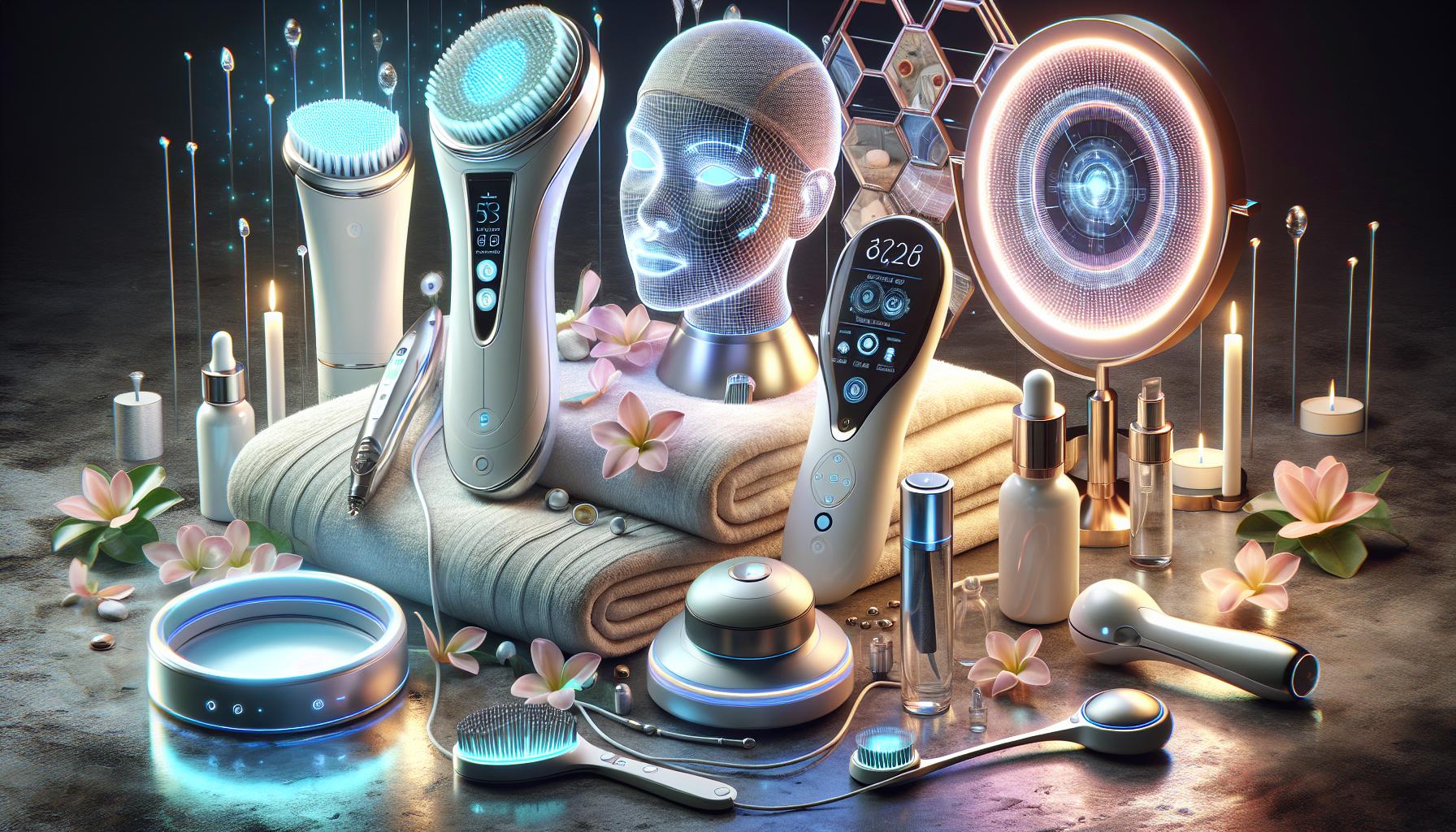
- Smart Skincare Devices: The introduction of tools like facial cleansing brushes and high-tech LED masks has revolutionized daily skincare practices. For instance, cleansing brushes now often come equipped with sensors that monitor skin type and suggest optimal cleansing routines, while LED masks harness light therapy to treat specific conditions such as acne or signs of aging. Many brands, like FOREO and Dr. Dennis Gross, have embraced these advancements, allowing users to achieve spa-like results in their own homes.
- AI-Powered Consultations: The emergence of virtual dermatologists and beauty apps has further personalized the skincare journey. By analyzing images and skin concerns, AI-driven platforms can provide customized product recommendations and routine suggestions aimed at individual skin types. Popular apps such as Skin App and Curology exemplify this trend by offering real-time consultations and follow-ups, ensuring users receive the most relevant advice tailored to their unique skin issues.
- Augmented Reality (AR): Virtual try-ons are becoming a standard feature in beauty e-commerce, allowing consumers to test makeup looks without stepping into a store. Brands like Sephora have pioneered AR technology, enabling customers to see how different products will look on their skin before committing to a purchase. This not only enhances customer satisfaction but also reduces returns, making the shopping experience more efficient and enjoyable.
These advancements not only enhance the effectiveness of products but also cater to the ever-growing desire for personalization. Technology empowers consumers to make informed choices that better align with their specific needs. For example, rather than buying a one-size-fits-all moisturizer, shoppers can now explore options based on personalized skin assessments, potentially leading to better results and higher satisfaction.
The implications of this tech-driven transformation extend beyond individual choices. As a result, beauty brands are leveraging data and innovation to respond to consumer demand for transparency and efficacy. Brands that emphasize scientific backing and incorporate user feedback are more likely to build trust and loyalty among consumers. Understanding these trends is crucial for anyone interested in navigating the modern beauty space, where informed consumers are often drawn to brands that prioritize both innovation and personal relevance.
Join us as we delve deeper into how technology is influencing beauty standards and shaping new skincare trends, making the beauty industry more accessible and innovative than ever. As consumers become more engaged with their skincare choices, the intersection of technology and beauty promises to continue to redefine what it means to feel beautiful in the 21st century.
DISCOVER MORE: Click here to learn about the best foods for youthful skin</a
The Rise of Personalized Beauty Solutions
As consumers demand more personalized skincare solutions, technology has stepped up to meet these needs in remarkable ways. One of the most compelling influences of technology on beauty trends is the shift towards customized skincare products that cater to individual skin concerns. With the integration of technology in product formulation and shopping experiences, customers can now enjoy a level of personalization that was previously unimaginable.
The use of machine learning algorithms and extensive data analysis has given beauty brands the ability to create tailored skincare routines. These innovative approaches rely on user data gathered from online quizzes, skin assessments, and even DNA tests that analyze epidermal factors. For instance, brands like Proven Skincare and SkinCeuticals utilize advanced algorithms to formulate products specifically designed for each user’s unique needs. This personalization not only maximizes results but also enhances customer loyalty as consumers feel a deeper connection to their regimes.
Moreover, advancements in ingredient sourcing and formulation have led to an increasing trend in clean beauty. Consumers are now more informed about product ingredients, fueled by the accessibility of information on social media and beauty blogs. Tech-driven platforms and apps like Think Dirty allow consumers to scan products for potential harmful ingredients, enabling them to make informed choices about what they apply to their skin. Brands are responding by offering products that not only deliver results but also align with consumers’ values concerning safety and sustainability.
Real-Time Innovations and Consumer Engagement
Another remarkable transformation in beauty and skincare trends is the incorporation of real-time feedback mechanisms. Consumers now have the ability to engage directly with brands through online reviews and social media platforms, making their opinions more influential than ever. This level of interaction means that brands are continuously evolving and adapting their offerings based on real-time consumer feedback and changing desires.
With the aid of technology, brands can also facilitate virtual communities where users share their experiences, thus creating a more inclusive beauty culture. Forums and social media groups dedicated to skincare allow individuals to exchange tips, product recommendations, and results, amplifying the voice of the consumer in a way that profoundly impacts new product development.
- Skin Analysis Tools: Devices and mobile apps that analyze skin type, texture, and concerns, giving consumers comprehensive insights into their skin.
- Subscription Services: Brands like Birchbox and Ipsy are leveraging technology to curate personalized product selections based on individual preferences and feedback.
- Smart Ingredients: The rise of formulations that adapt to changing skin conditions, such as moisture levels or UV exposure, signify a leap in how beauty products work for diverse skin types.
The beauty landscape is continuously evolving as technology intertwines with consumer needs, thus shaping the future of skincare. With these developments, consumers are not just passive recipients but active participants in curating their beauty experiences. This shift signals a new era, where technology not only reinforces the quest for beauty but also fosters a sense of empowerment and individuality among consumers.
| Advantage | Description |
|---|---|
| Personalization | Technology enables brands to create customized skincare products tailored to individual skin types and needs. |
| Accessibility | Online platforms and mobile apps allow seamless access to a plethora of beauty and skincare options for consumers worldwide. |
The advancements in technology have profoundly transformed the beauty and skincare industry, compelling consumers to intersect more closely with innovative solutions for their skincare routines. Personalization has become a hallmark of modern skincare, with brands utilizing sophisticated algorithms and AI-driven data to formulate products that cater specifically to individual skin concerns. This trend not only enhances customer satisfaction but also fosters loyalty, as users find products that truly resonate with their unique skin profiles.Moreover, the emergence of e-commerce and mobile applications has significantly improved accessibility to beauty products and information. Consumers can now explore an extensive range of brands and skincare solutions from the comfort of their homes. With just a click, they can learn about ingredients, read reviews, and make informed purchasing decisions. This digital shift has democratized access to high-quality beauty products, which were previously limited to physical retail environments. As technology continues to evolve, it will undoubtedly spur even more innovative trends in the world of beauty and skincare.
DISCOVER MORE: Click here to learn about rejuvenating facial massage techniques
The Impact of Augmented Reality on Beauty Shopping Experiences
The integration of augmented reality (AR) into beauty shopping is another transformative aspect of how technology influences skincare trends. AR technology allows consumers to virtually try on products such as makeup and even skincare routines from the comfort of their homes. This innovation enhances the shopping experience, making it interactive and personalized. Brands like Sephora and Ulta Beauty have adopted AR tools that enable consumers to visualize how different products will look on their skin in real-time. Through applications powered by AR, users can experiment with a wide range of shades and formulations without physical application, which proves especially beneficial during times when hygiene is paramount, such as during the COVID-19 pandemic.
Furthermore, virtual skin consultations powered by AR offer immediate expert advice, allowing brands to personalize product recommendations. This technology connects consumers with dermatologists or beauty advisors in real time, which helps alleviate concerns and builds trust in purchasing decisions. The interactive nature of AR also allows consumers to view makeup tutorials and product usage demonstrations, increasing engagement and understanding of the products through visual learning.
The Role of Social Media Influencers and Content Creation Technologies
Social media platforms play a crucial role in shaping new beauty trends by providing a platform where technology meets creativity. The rise of content creation technologies such as filters, editing software, and video capabilities has enabled influencers and amateur users alike to create compelling content that resonates with their audiences. Platforms like Instagram and TikTok have become hubs for beauty inspiration, where challenges and trends can spread like wildfire. Notably, hashtags like #SkincareRoutine and #MakeupTransformation generate millions of views, driving consumer interest and engagement.
Moreover, the ability of users to access high-quality tools for creating content has empowered a generation of beauty enthusiasts. Anyone can now curate their beauty journey and share it with a large audience, influencing public perception and brand reputation. This democratization of beauty content also allows lesser-known brands to gain traction through viral posts and user-generated content, showcasing the significant impact of grassroots marketing powered by technology.
- User-Generated Content: Beauty brands are increasingly leveraging customer-generated content to establish authenticity and trust. Featuring real users on their platforms shows transparency and relatability.
- Live Streaming: Brands are utilizing live streaming technology to showcase product launches, tutorials, and Q&A sessions, fostering direct interaction with audiences.
- Beauty Filters: Sophisticated filters on social media apps allow users to simulate various makeup looks and skincare effects, raising curiosity and facilitating trial in a low-risk environment.
The blending of advanced technologies and social media dynamics creates a potent combination that drives beauty trends forward. These innovations not only attract consumers toward brands but also facilitate community engagement, ensuring a vibrant exchange of ideas. The interplay of AR, content creation, and social media continues to expand, revealing new pathways for skincare and beauty that prioritize customization, engagement, and real-time feedback.
DIVE DEEPER: Click here to uncover the facts
Conclusion: Embracing the Future of Beauty Through Technology
The influence of technology on new beauty and skincare trends is undeniable and multifaceted. From augmented reality that enables virtual try-ons to the ever-evolving landscape of social media platforms empowering influencers and consumers, innovation has revolutionized how individuals engage with beauty products. These technological advancements foster a more interactive, personalized experience that not only caters to consumer needs but also builds trust among brands and their audiences.
The rise of user-generated content and real-time feedback through social media creates a dynamic exchange where beauty enthusiasts can share their experiences and insights. Consequently, brands are encouraged to adopt transparent marketing strategies and prioritize authenticity. This shift towards engaging directly with consumers reinforces the point that the new beauty landscape is about community and connection, driven by technological innovation.
As we look ahead, it is clear that the fusion of technology and beauty will continue to evolve. Emerging trends such as live streaming, personalized skincare regimens powered by artificial intelligence, and increasingly sophisticated content creation tools will further shape the industry. Understanding and harnessing these trends will be instrumental for brands seeking to stay relevant in a fast-paced market.
In conclusion, the future of beauty is not just about products but the entire experience surrounding them. As consumers become accustomed to these technological integrations, they will likely demand even more personalized and immersive experiences, paving the way for further innovations within the beauty sector.