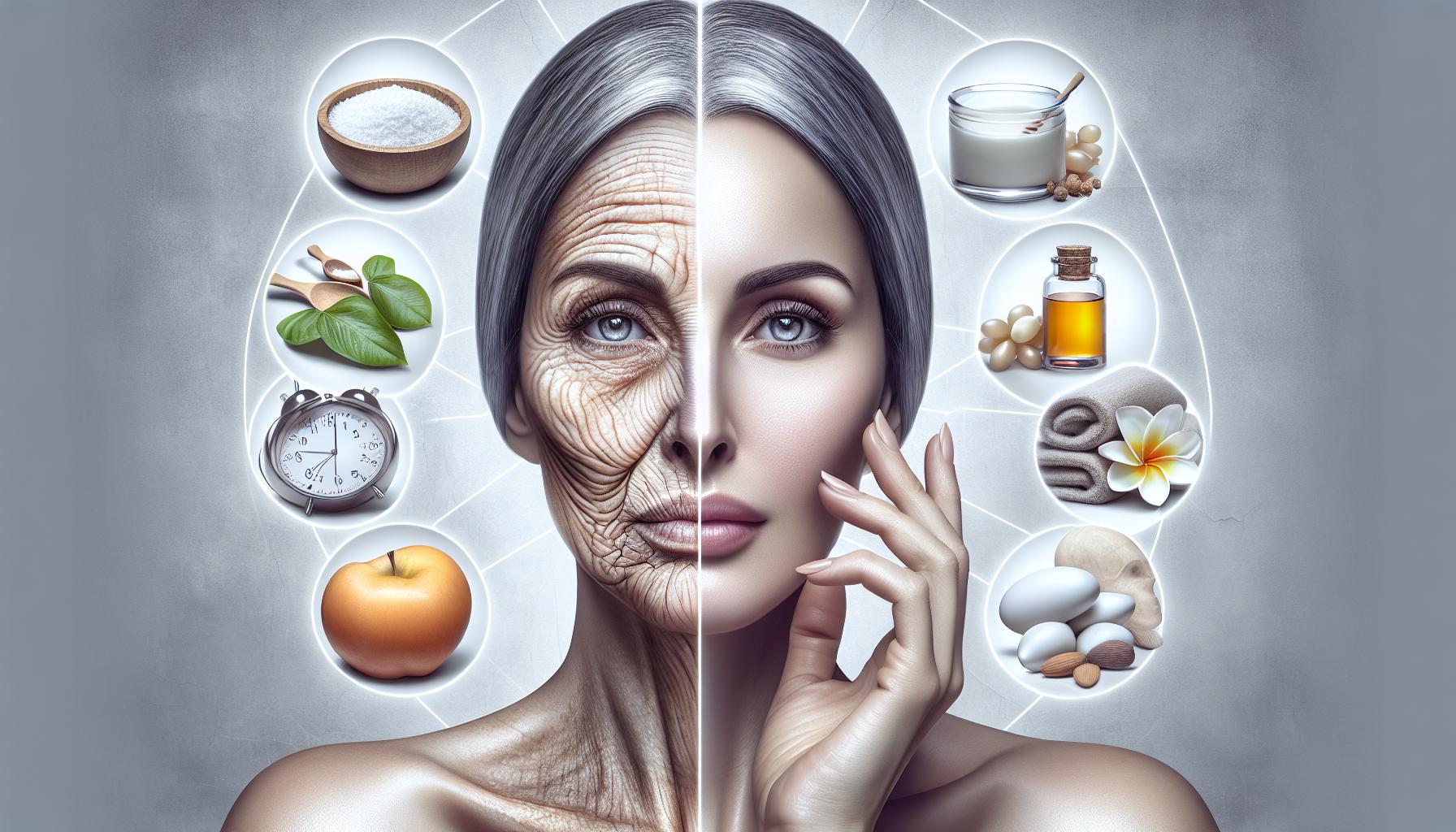
Natural Remedies for Anti-Aging: Exploring Herbal and Plant-Based Solutions
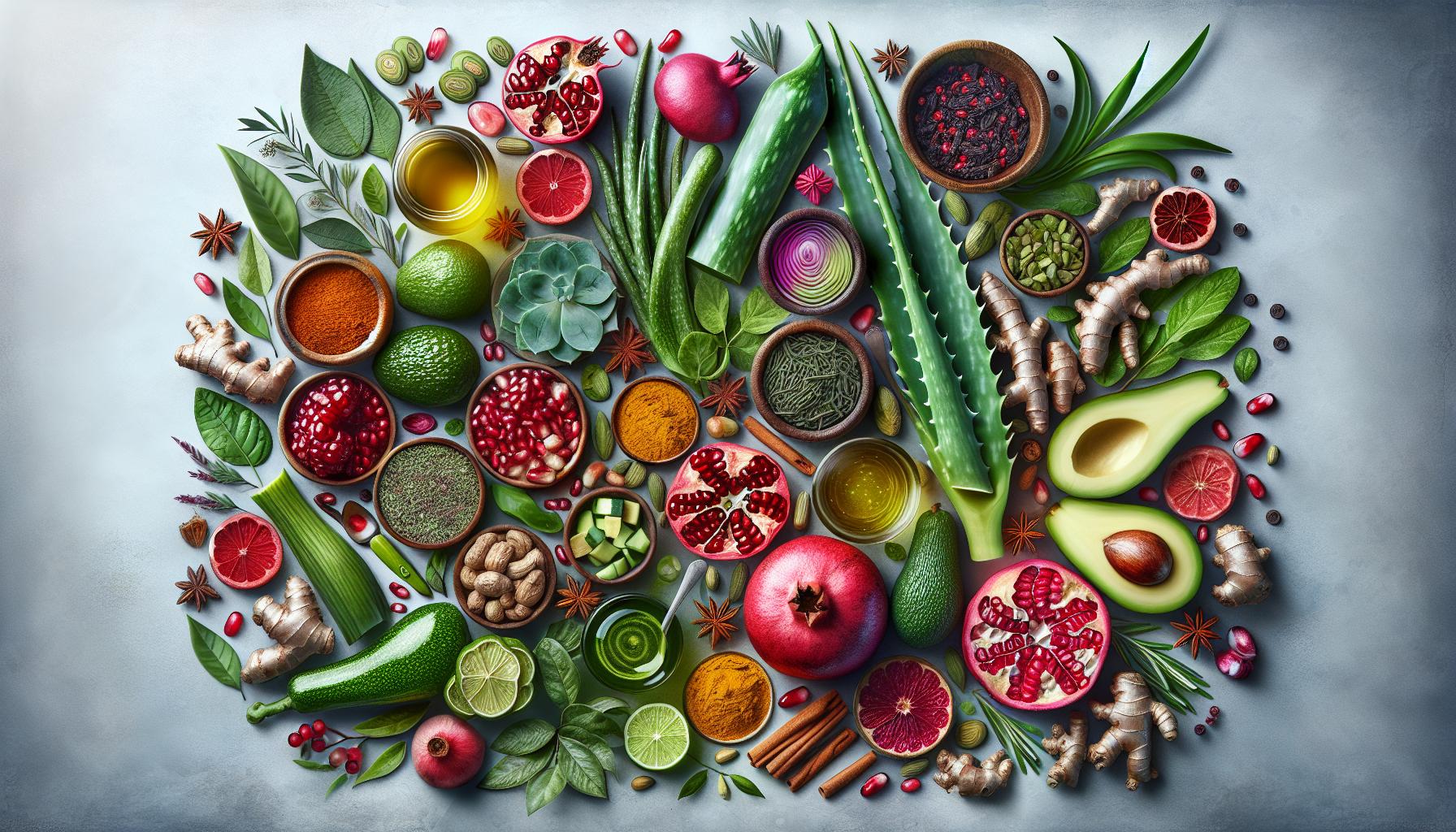
The Natural Path to Rejuvenation
The desire for youthful skin and vitality is a common thread woven into the fabric of cultures around the world. While many individuals gravitate towards synthetic products with promises of rejuvenation, a significant shift has emerged, with a growing number of people turning to natural remedies. The allure of herbal and plant-based solutions lies not only in their appeal to health-conscious consumers but also in their potential effectiveness in combatting the signs of aging.
Popular Natural Ingredients
Nature has generously provided a variety of botanicals renowned for their age-defying properties. For instance, Aloe Vera, often referred to as the “miracle plant,” is celebrated for its profound ability to hydrate the skin. This succulent is rich in vitamins C and E, which collectively promote skin elasticity and a youthful glow, making it a favorite in topical creams and masks.
Green Tea is another powerhouse in the realm of natural skin care. Packed with polyphenols and antioxidants such as catechins, this common beverage offers a robust defense against free radicals—unstable molecules that can lead to premature aging. Incorporating green tea extracts or even sipping the tea can benefit both skin and overall health, as it enhances metabolism and reduces inflammation.
Turmeric, often used in cooking, has made its way into beauty treatments as well, thanks to its active compound, curcumin. Known for its anti-inflammatory and antioxidant properties, turmeric can help brighten the complexion and even out skin tone. Many DIY enthusiasts create face masks with turmeric and honey to reap its skin-enhancing benefits.
Additionally, Ginseng, a revered root in Traditional Chinese Medicine, may hold the key to skin regeneration. Believed to enhance circulation and stimulate cell turnover, ginseng is included in various serums and moisturizers aimed at rejuvenating tired skin. Users often report a more vibrant and youthful appearance after consistent use.

Advantages of Natural Remedies
One of the significant advantages of these natural ingredients is their lower risk of adverse side effects commonly associated with synthetic alternatives. Many of these herbal solutions are derived from foods and plants that can be easily incorporated into daily routines—be it through topical applications, herbal teas, or dietary inclusions. Moreover, the sustainable nature of sourcing these ingredients aligns with the growing eco-conscious consumer trend, making them appealing from an ethical standpoint.
Exploring the Possibilities
As interest in natural anti-aging remedies surges, the exploration of their benefits is gaining momentum. From enhancing skin hydration to fighting visible signs of aging, the potential for these remedies is vast. Whether you are a skeptic or an enthusiast, the journey into the world of herbal solutions not only invites curiosity but also promotes a lifestyle potentially filled with vitality.
While research into these ingredients is still evolving, many users are eager to share their positive experiences and transformations. The ancient wisdom of using plants for skin care might just hold the key to unlocking a fresher, more youthful appearance. With continued exploration and innovation, natural remedies might soon take center stage in the battle against aging.
DON’T MISS: Click here to discover the latest advancements
Harnessing Nature’s Bounty
The exploration of natural remedies for anti-aging unveils an expansive world of herbal and plant-based solutions that nurture the skin while harmonizing with our bodies. These remedies often possess centuries of cultural significance, enriching traditional practices across various civilizations. In the realm of modern skincare, they are increasingly recognized not only for their historical relevance but also for their scientific credibility.
The Science Behind Natural Ingredients
Delving deeper into the science of these natural ingredients reveals the remarkable compounds they contain, which can significantly improve skin health. For instance, Rosehip Oil has gained popularity in recent years for its impressive concentration of essential fatty acids and antioxidants, particularly vitamin A, which aids in skin repair and regeneration. Often heralded for minimizing scarring and reducing fine lines, rosehip oil can be seamlessly added to serums or used as a standalone moisturizer.
Hyaluronic Acid, although often considered a synthetic compound in commercial products, can also be derived from natural sources such as fermented soybeans or plant-derived sources. This powerful humectant draws moisture into the skin, providing an instant plumping effect that counters dryness—a common culprit in the aging process. Integrating hyaluronic acid into skincare routines can result in a marked improvement in skin texture and hydration levels.
Nature’s Anti-Aging Army: A Closer Look
Among the myriad of options, some additional natural ingredients stand out due to their unique properties and historical use in anti-aging formulations:
- Neem: Often dubbed the “village pharmacy” in India, neem has potent anti-bacterial and anti-inflammatory properties. It is widely used in beauty products to address acne and promotes healthy skin renewal, making it a multifunctional player in anti-aging.
- Chamomile: Known for its soothing properties, chamomile not only calms irritated skin but also contains antioxidants that protect against cellular damage from external aggressors. Often found in serums and masks, chamomile lends its calming essence to an anti-aging regime.
- Vitamin C-rich Botanicals: Ingredients like sea buckthorn and acerola cherry are bursting with vitamin C, a vital nutrient for collagen production. Collagen is essential for maintaining skin structure and elasticity, making these botanicals pivotal in any anti-aging strategy.
As the conversation around plant-based solutions continues to flourish, there is an increasing demand for research into their efficacy. A notable shift towards ingredient transparency in the beauty industry has led many consumers to gravitate toward formulations that highlight the use of such natural elements. This aligns with a broader lifestyle approach that emphasizes holistic well-being and a connection to nature.
Integrating Natural Remedies
The beauty of adopting natural remedies lies in their versatility. Individuals seeking rejuvenation can explore a range of options—from serums and oils to teas and supplements. This adaptability allows for personalized skincare regimens that cater to specific skin types and concerns, promoting a sense of empowerment in one’s beauty journey.
In the quest for youthful skin, the focus on natural, holistic remedies marks a transformation in consumer preferences. As more individuals seek to embrace their natural beauty while navigating the effects of aging, the avenues for incorporating these herbal solutions into daily routines are extensive and ripe for exploration.
Natural Remedies for Anti-Aging: Exploring Herbal and Plant-Based Solutions
When it comes to combating the visible signs of aging, the world of natural remedies offers a treasure trove of organic solutions that can rejuvenate the skin and enhance overall vitality. These herbal and plant-based alternatives provide a gentler approach compared to synthetic products, often with fewer side effects. Among the plethora of options available, we’ve highlighted key categories that illustrate both their innovative attributes and the impressive benefits they confer.
| Category 1 | Category 2 |
|---|---|
| Herbal Extracts | Rich in antioxidants that fight free radicals, protect skin cells, and promote elasticity. |
| Plant Oils | Provide deep hydration and nourishment with essential fatty acids and vitamins, ensuring smoother skin. |
| Botanical Supplements | Support overall health while enhancing skin vitality from the inside by promoting collagen production. |
With ingredients like green tea extract and aloe vera leading the charge, the options are endless. Green tea is known for its anti-inflammatory properties, while aloe vera hydrates and soothes irritated skin. Furthermore, herbs like ashwagandha and ginseng not only rejuvenate the skin but also reduce stress, which is often linked to premature aging.
Exploring these natural avenues invites curiosity and encourages a broader understanding of how the power of plants can work wonders for maintaining a youthful appearance. By incorporating these remedies into your daily routine, you can discover holistic ways to enhance your skin’s health and vitality, fostering a sense of connection with nature while rejuvenating the body.
DIVE DEEPER: Click here to discover the evolution of facial cleansing techniques
Unlocking the Power of Adaptogens
In recent years, the term adaptogens has gained traction in both wellness and beauty circles, intriguing many with their promise to combat stress—a key factor in premature aging. Adaptogens are natural substances, often derived from herbs and mushrooms, that are believed to enhance the body’s resilience to stressors, thereby contributing to a more youthful appearance. Notable adaptogens include ashwagandha, holy basil, and rhodiola. These botanicals not only help in reducing stress-related skin issues, such as acne and dullness, but also promote a healthy glow by encouraging better hormonal balance.
Ashwagandha, for example, has been renowned for its calming effects on the nervous system. Studies have shown that its powerful antioxidant properties can help to reduce oxidative stress and inflammation, which are significant contributors to aging. Regular incorporation of ashwagandha into your diet can transform your skincare routine, perhaps through herbal teas or supplements, fostering a resilient skin barrier.
The Regeneration of Skin Cells
Another fascinating avenue in the realm of natural anti-aging solutions is the ability of various plants to enhance skin cell regeneration. Gotu kola, an herb prominent in traditional medicine, is lauded for its potential to stimulate collagen production, thus enhancing skin elasticity and firmness. Its wound-healing properties, attributed to compounds called triterpenoids, can visibly reduce the appearance of scars and blemishes. Gotu kola can be easily integrated into skincare through topical creams or ointments, making it an accessible option for many.
Incorporating aloe vera into the anti-aging repertoire is another effective solution. This succulent plant is not only a potent moisturizer, but it also has healing properties that increase skin hydration and combat dryness. High in vitamins C and E, aloe vera serves as a natural remedy that combats signs of aging while helping the skin to retain moisture and remain supple.
Food as Medicine: Culinary Herbs for Youthful Skin
Beyond topical applications, several culinary herbs can play a vital role in aging gracefully from within. Turmeric, often referred to as the golden spice, contains curcumin, a compound celebrated for its anti-inflammatory and antioxidant properties. Incorporating turmeric into your diet has been shown to improve skin complexion and may even assist in preventing photoaging caused by sun exposure. A simple way to reap its benefits is by adding turmeric to smoothies, soups, or wellness shots.
Green tea is yet another natural powerhouse, richly infused with polyphenols that protect against environmental damage and support skin elasticity. Consuming green tea regularly can enhance skin health while also serving as an internal detoxifier, flushing out harmful toxins. For added benefits, topical treatments, such as green tea-infused serums, are gaining in popularity, allowing the skin to bask in its protective properties without the need for excessive products.
The spectrum of what natural remedies can do for anti-aging is vast and continually evolving. As research into these herbal and plant-based solutions intensifies, emerging insights fuel the journey of self-care, inviting individuals to embrace the gifts of nature with confidence in their efficacy.
DISCOVER MORE: Click here to delve deeper
Conclusion: Embracing Nature for Youthful Resilience
As we’ve explored the diverse range of natural remedies for anti-aging, it becomes clear that there is a treasure trove of herbal and plant-based solutions just waiting to be integrated into our daily lives. The power of adaptogens like ashwagandha and holy basil can be harnessed not only to balance stress levels but also to invigorate the skin, rejuvenating our appearance from the inside out. Meanwhile, plants like gotu kola and aloe vera present exciting opportunities for enhancing skin cell regeneration and hydration, providing accessible avenues for maintaining youthful vitality.
Furthermore, culinary herbs such as turmeric and green tea emphasize the importance of nutrition in the quest for youthful skin. This holistic approach underscores the notion that what we consume is just as vital as what we apply topically. As consumers increasingly seek alternatives to synthetic products, the interest in these natural remedies continues to grow, urging a deeper exploration into their benefits.
Incorporating these remedies into your routine may not only slow down the signs of aging but also promote a lifestyle steeped in well-being. As ongoing research unveils more profound insights into the effectiveness of these botanical allies, embracing the wisdom of nature can indeed become a cornerstone of healthy aging. Ultimately, the journey toward discovering and utilizing natural solutions for anti-aging is not just about maintaining appearances; it represents a broader commitment to wellness and harmony within ourselves. Therefore, embark on this path with curiosity and confidence, as these age-old remedies could hold the key to your youthful glow.