Mental Well-Being and Its Impact on Skin Aging: The Connection Between Stress and Complexion
The Invisible Struggle: Understanding the Link Between Mental Health and Skin Aging
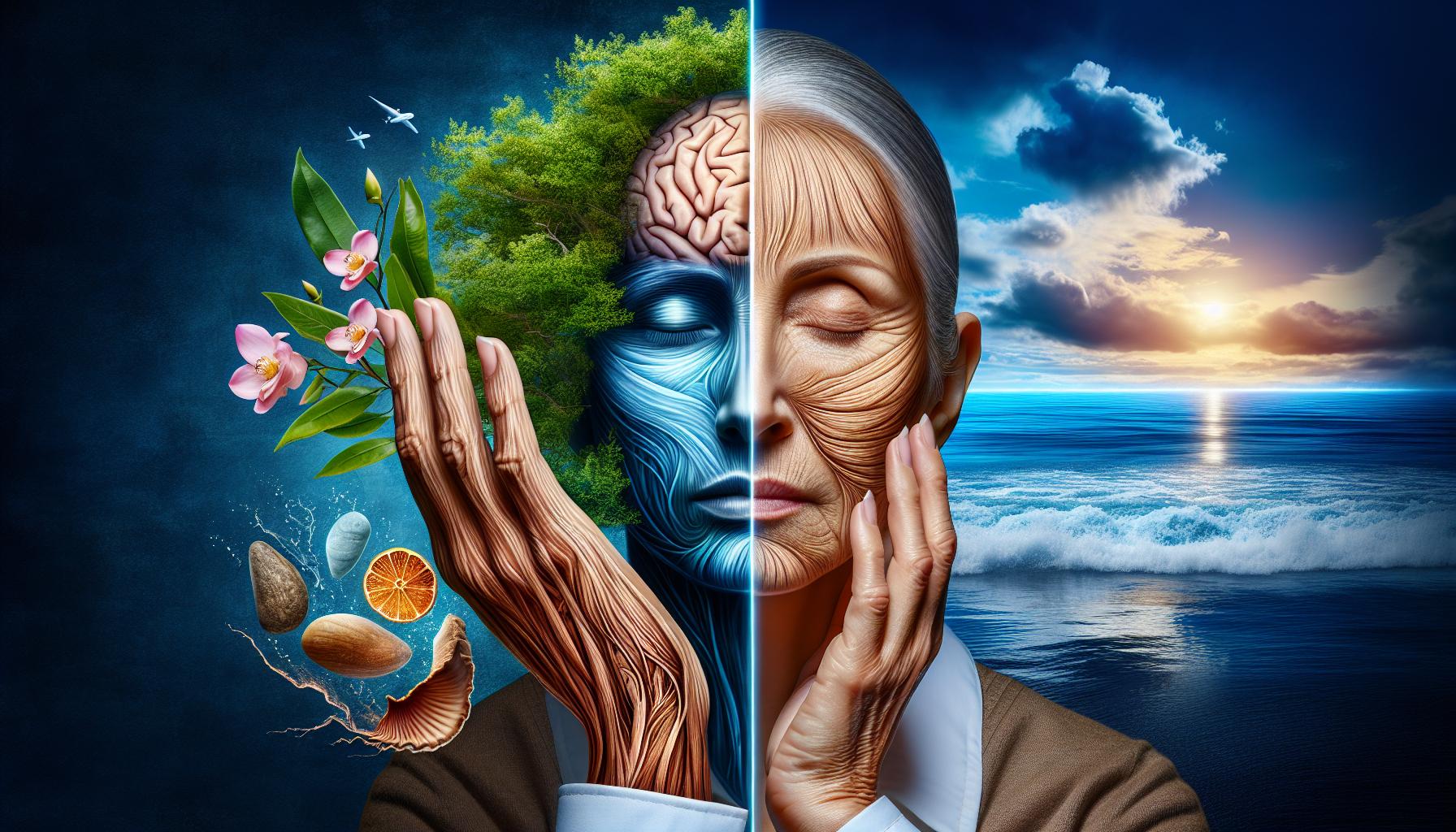
In today’s demanding and fast-paced environment, the impacts of mental well-being extend beyond emotions to visibly manifest in our physical appearance, particularly our skin. With an increasing focus on holistic health, evidence is mounting that psychological stress is not merely an internal struggle but also presents itself on the surface. Research indicates that high stress levels can significantly expedite the aging process of the skin, leading to wrinkles, sagging, and a dull complexion. This compelling connection highlights the necessity of incorporating mental health management into our daily routines, especially for those keen on maintaining their natural beauty.
Key Aspects of Mental Health Impacting Skin Health
Delving into the relationship between mental health and skin aging requires examining several crucial factors:
- Stress hormones: The body’s response to stress often results in increased cortisol production. Cortisol, known as the “stress hormone,” can degrade collagen—a protein essential for skin elasticity and firmness. Effects may include sagging skin and the formation of fine lines, leading one to seek additional interventions such as skincare products rich in antioxidants designed to counteract this damage.
- Skin conditions: Mental health challenges, particularly anxiety and depression, can exacerbate a variety of dermatological issues. Research has established that individuals experiencing high stress levels may see an uptick in conditions such as acne, eczema, and psoriasis. For example, acne breakouts can often occur as a result of hormonal fluctuations triggered by stress, while conditions like eczema may worsen due to a lack of self-care prompted by mental distress.
- Sleep patterns: The interplay between mental health and sleep quality is profound. Poor mental health frequently disrupts sleep patterns, preventing the body from undergoing crucial repair and rejuvenation processes during sleep. Lack of quality sleep can contribute to a more aged appearance, manifesting as dark circles and puffy skin. Simple changes such as establishing a calming nighttime routine or practicing mindfulness before bed can help foster better sleep hygiene.
The Skin Reflects Our Inner State
The skin is often referred to as a “reflection of the inner self,” which underscores the importance of addressing mental health as part of any skincare regimen. This perspective encourages individuals to consider integrated approaches that encompass both skincare routines and mental well-being practices. Strategies such as engaging in regular physical activity, practicing mindfulness and meditation, and seeking support through counseling can yield significant benefits not only for mental health but also for maintaining radiant skin.
By exploring the effects of stress on complexion, we can unveil insights that enhance our understanding of this critical relationship. Such awareness equips us with practical strategies to improve both mental and skin health, ultimately paving the way for a more balanced and fulfilling life.
In conclusion, fostering a healthy mental state is imperative not only for emotional resilience but also for preserving youthful, vibrant skin. As the dialogue around health continues to evolve, it is clear that nurturing our minds is equally as vital as caring for our bodies, and this fusion may just hold the key to unlocking lasting beauty.

DISCOVER MORE: Click here for insights on the latest technology in anti-aging treatments
Unpacking the Effects of Stress on Skin Health
Understanding the connection between mental well-being and skin aging ignites a path to exploring how our emotions can dictate our physical health. At the forefront, the influence of stress on the skin cannot be overstated. The emotional state acts like a conductor, orchestrating a potentially damaging cascade of biological responses that directly affect skin appearance. As many become more aware, decoding this relationship can help us implement effective preventive measures to safeguard our skin against the signs of aging.
One of the most striking manifestations of stress on the skin is the increased production of cortisol. This powerful hormone is released during stressful moments, triggering the body’s fight-or-flight response. While cortisol can be beneficial in small amounts, chronic exposure can lead to excessive degradation of collagen and elastin—the building blocks of youthful skin. Studies reveal that individuals facing constant stress have significantly lower levels of these essential proteins, resulting in fine lines and sagging skin that is often mistaken for the natural aging process.
Moreover, the emotional toll of stress can exacerbate existing skin conditions. For instance, conditions such as acne, eczema, and psoriasis can flare up due to hormonal imbalances caused by heightened anxiety. This relationship is particularly crucial for millennials and Gen Z, who often report feeling overwhelmed by demands from both work and social media. The increased prevalence of acne during periods of stress is frequently linked to heightened cortisol levels, which stimulate oil production in the skin, leading to breakouts. As a result, anxious and stressed individuals may find themselves in a vicious cycle, where skin issues lead to further anxiety, compounding the problem.
Another important factor is the interrelationship between mental health and sleep quality. Poor mental health can disrupt normal sleep patterns, resulting in less restorative sleep. Insufficient sleep not only heightens stress levels but also diminishes the skin’s ability to regenerate. Research has shown that lack of sleep can lead to noticeable changes in skin appearance, such as darker under-eye circles and a dull complexion. When the body is deprived of necessary rest, it doesn’t have the opportunity to repair and rejuvenate, making the skin more susceptible to signs of aging.
- Aging Signs: Dehydration, puffiness, and increased prominence of wrinkles.
- Skin Conditions: Acne breakouts, psoriasis flare-ups, increased eczema irritation.
- Disrupted Sleep: Shortened sleep cycles resulting in visible tiredness on the skin.
Thus, we arrive at a pivotal conclusion: our well-being profoundly impacts our skin health. As the skin reflects what lies beneath, maintaining a balanced mental state plays a crucial role not just in emotional resilience but also in combating visible signs of aging. Therefore, a proactive approach that merges mental health practices with skincare routines promises to yield substantial benefits for one’s overall appearance and confidence.
| Category | Description |
|---|---|
| Stress Management | Techniques such as mindfulness, meditation, and yoga can effectively reduce cortisol levels, thereby promoting healthier skin. |
| Skin Hydration | Maintaining hydration through adequate water intake and topical moisturizers can combat dryness exacerbated by stress. |
| Sleep Quality | Adequate sleep enhances skin repair processes, allowing for improved complexion and reduced signs of aging caused by stress. |
| Nutrition | Diet rich in antioxidants from fruits and vegetables supports skin health and counteracts stress-related damage. |
Learning about the intricate connection between mental well-being and skin aging highlights the profound effects of psychological stress on physical appearance. For instance, reducing stress not only enhances emotional health but also improves skin conditions such as acne, eczema, and psoriasis, which can be exacerbated by high cortisol levels. Furthermore, incorporating efficient stress management techniques can lead to better lifestyle choices, such as improved nutrition and increased physical activity, both of which are beneficial for maintaining skin elasticity and youthful appearance.The physiological response to stress triggers various inflammatory processes within the skin, accelerating aging signs like fine lines and wrinkles. By understanding these connections, individuals can take proactive steps toward enhancing both their mental wellness and their skin health, leading to a more radiant and resilient complexion. Engaging in practices that nurture mental well-being, such as therapy or social support, offers not only emotional benefits but also tangible improvements in skin quality, bridging the gap between mind and body.
DIVE DEEPER: Click here to discover more about exfoliation
The Role of Lifestyle Choices in Skin Aging
While stress management is an indispensable component of maintaining both mental health and youthful skin, the influence of lifestyle choices must also be considered. A holistic approach that encompasses proper nutrition, regular exercise, and effective skincare routines can significantly mitigate the visible effects of aging skin linked to mental distress.
Nutrition plays a foundational role in the skin’s health. Foods rich in antioxidants, such as berries, dark leafy greens, and nuts, can help combat oxidative stress—which is intensified by anxiety and stress. The American Academy of Dermatology emphasizes that a balanced diet rich in vitamins C and E can promote collagen production and help shield skin from environmental damage. For instance, vitamin C-rich foods like oranges and broccoli not only enhance skin radiance but also support the immune system, directly correlating to improved mental well-being.
Furthermore, hydration is paramount. Dehydrated skin can appear dull and lifeless, and studies reveal a direct connection between hydration levels and mental alertness. Inadequate water intake can exacerbate feelings of fatigue and stress, leading to a vicious cycle that affects skin appearance. The recommended eight glasses of water a day may seem like a simple guideline, but maintaining this habit can drastically improve both skin texture and mood.
Exercise is another vital lifestyle factor that influences both mental health and skin quality. Engaging in regular physical activity helps reduce cortisol levels, enhances mood through the release of endorphins, and improves blood circulation—all critical for maintaining vibrant skin. Research shows that individuals who incorporate exercise into their routines not only experience heightened emotional resilience but also report a more radiant complexion. Activities like yoga and tai chi have the added benefit of promoting relaxation while also reducing stress, illustrating that mental and physical wellness can be easily interconnected.
The Connection Between Mindfulness and Skincare
As the understanding of mental well-being and skin aging evolves, the integration of mindfulness practices into daily routines has garnered attention as a valuable tool for skin health. Techniques such as meditation and deep-breathing exercises have been shown to lower stress levels significantly. A study published in the Journal of Clinical Psychology found that participants practicing mindfulness reported lower stress and anxiety levels, leading to noticeable improvements in their overall skin condition.
Moreover, the act of applying skincare can itself be a mindful practice. Taking the time to engage with one’s skincare routine—focusing on the sensations of applying products—can create a space for relaxation and reflection, reducing stress levels in the process. This self-care ritual not only benefits the skin but also fortifies mental health, forming a positive feedback loop that emphasizes the dual importance of inner tranquility and outer beauty.
Overall, the connection between mental well-being and skin aging emerges as a dynamic interplay of various factors. By prioritizing a healthy lifestyle, adopting stress reduction techniques, and embracing mindfulness, individuals can proactively work towards sustaining youthful skin, ensuring they put their best foot forward in both mental and physical realms.
Dive Deeper: Click here to learn more about sustainability in beauty
Conclusion: Embracing the Mind-Skin Connection
In the quest for youthful and vibrant skin, it is imperative to recognize the profound relationship between mental well-being and the aging process of our skin. As we have explored, heightened levels of stress can lead to a cascade of physiological changes that accelerate skin aging, contributing to issues like fine lines, dryness, and a dull complexion. It is evident that the body and mind are intricately linked, making the management of mental health not just a personal endeavor but a vital step for lasting skin vitality.
Integrating holistic lifestyle choices such as balanced nutrition, adequate hydration, regular physical activity, and mindfulness practices can create a positive impact on both mental and skin health. Foods rich in antioxidants, consistent hydration, and engaging in stress-reducing exercises not only bolster our emotional resilience but also enhance our skin’s radiance. These practices form a synergistic relationship where mental peace is reflected in our external appearance.
As we move forward in our understanding of beauty and self-care, it is essential to adopt a comprehensive approach to skincare that includes nurturing our mind. Mindfulness and self-care rituals can transform our skincare routines into moments of meditation, allowing us to cultivate both tranquility and beauty. By creating a harmonious balance between mental well-being and skin care, we pave the way for a more vibrant, youthful complexion that is as enduring as our emotional health.
Ultimately, the journey towards aging gracefully transcends the surface, calling for an enlightened perspective that embraces the intricate relationship between mental wellness and skin vitality. By prioritizing both aspects, we can continue to shine with confidence, empowered by the understanding that true beauty begins from within.