
Sustainable Skincare: How to Incorporate Ecological Practices into Your Beauty Routine
The Importance of Sustainable Choices in Skincare
As individuals become increasingly conscious of the environmental challenges we face, the impact of consumer choices in the beauty industry has come under scrutiny. The skincare sector, with its extensive production and packaging practices, plays a significant role in environmental degradation. Fortunately, beauty enthusiasts now have the opportunity to make sustainable choices that promote personal well-being while ensuring the health of our planet.
Consider the staggering reality of global cosmetics production: it generates over 120 billion units of packaging waste each year. This waste contributes significantly to landfills and ocean pollution, raising serious concerns about sustainability. Interestingly, a recent survey revealed that over 88% of consumers are willing to spend more on products that prioritize environmental responsibility. This statistic highlights a growing demand for change in the beauty industry.
Understanding Sustainable Skincare Practices
Transitioning to sustainable skincare requires a comprehensive approach that emphasizes key areas of production and consumption. One of the primary considerations is ingredient sourcing. Skincare products made from organic and ethically sourced materials not only provide health benefits but also support sustainable farming practices. For example, brands that utilize fair trade ingredients ensure that farmers are paid fairly and work under humane conditions. This positive impact resonates with conscious consumers looking for authenticity in their beauty regimes.
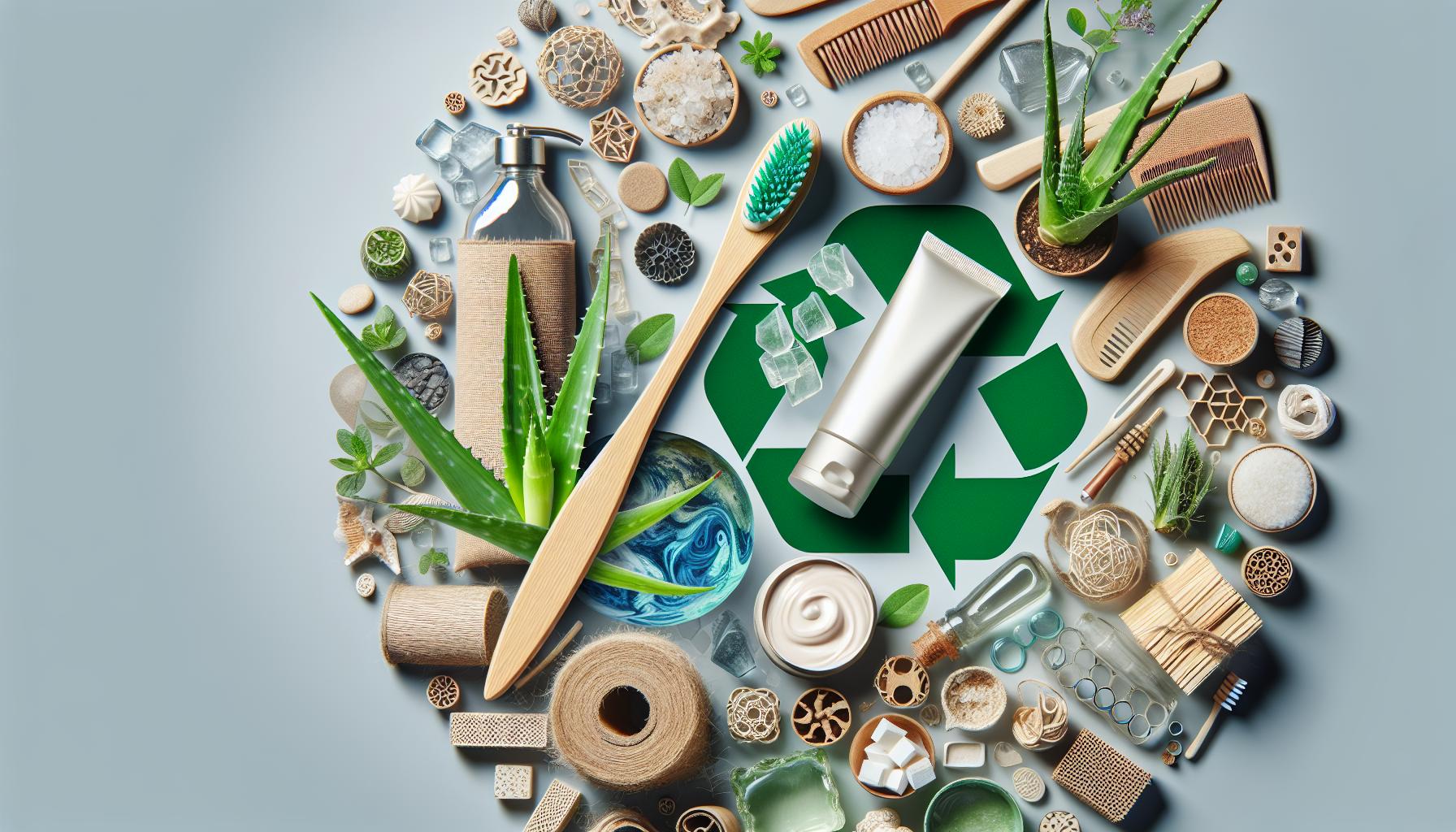
Packaging is another critical factor in sustainable skincare. Brands that choose eco-friendly packaging options, such as bamboo, glass, or recycled materials, help minimize damage to the environment. A notable example is the use of refillable containers that significantly reduce waste compared to traditional single-use packaging. By opting for such brands, consumers can encourage more companies to adopt similar practices.
Additionally, exploring DIY solutions can empower individuals to create their beauty products using simple kitchen ingredients like coconut oil, honey, and essential oils. For instance, a homemade sugar scrub made from brown sugar and olive oil provides gentle exfoliation without the environmental toll of commercial alternatives. These personal, eco-conscious recipes not only reduce packaging but also keep harmful chemicals at bay, promoting healthier skin.

By adopting these sustainable practices, not only can you achieve radiant skin, but you also contribute significantly to reducing your ecological footprint. Join us in uncovering practical methods to transform your beauty routine into an eco-friendly powerhouse that champions sustainability. Together, we can advocate for a more environmentally responsible beauty industry, ensuring that our love for skincare does not come at the expense of the planet we inhabit.
DISCOVER MORE: Click here to unlock the secrets of youthful skin</p
Integrating Mindfulness into Your Skincare Regimen
As we navigate the complexities of choosing skincare products, understanding eco-friendly practices can transform a simple beauty regimen into a conscientious ritual. By making informed decisions about the products we use, we contribute to a broader movement towards sustainability, not just in skincare, but in our everyday lives.
To truly embrace sustainable skincare, consider the following key practices that can be seamlessly integrated into your daily routine:
- Opt for Clean Ingredients: Seek out skincare brands that prioritize natural ingredients free from harmful chemicals. Look for products with labels celebrating non-toxic formulations, as synthetic chemicals can contribute to environmental pollution during production and disposal.
- Support Local Brands: By choosing locally sourced skincare products, you reduce your carbon footprint associated with transportation. Supporting small businesses often ensures shorter supply chains and encourages sustainable practices within your community.
- Prioritize Reusability: Invest in multi-purpose products, such as a moisturizer that doubles as a primer. This reduces the number of items you need while streamlining your beauty routine. Additionally, brands offering refillable options or bulk purchase models encourage responsible consumption.
- Stay Informed about Brands: Research companies’ sustainability policies, looking for certifications such as leaping bunny for cruelty-free practices or USDA Organic to confirm ethical sourcing. This knowledge empowers you to choose brands that align with your values.
The journey towards sustainable skincare is not merely about the products you apply; it’s also a mindset shift that emphasizes the long-term well-being of the planet. Educating yourself about the lifecycle of skincare products—from ingredient sourcing to manufacturing processes—can make a significant difference in the choices you make.
Moreover, once you identify environmentally responsible brands and their practices, you can share this knowledge with friends and family, fostering a community-wide appreciation for sustainability in beauty. Social media platforms have become powerful tools for spreading awareness about eco-friendly skincare, as consumers share their experiences and advocate for brands prioritizing sustainability.
Transitioning to sustainable skincare can also involve reevaluating your routine as a whole. For instance, consider replacing disposable cotton rounds with reusable alternatives made from organic cotton or bamboo. This simple switch significantly reduces waste and can enhance your eco-friendly approach to skincare.
Ultimately, making sustainable choices in skincare empowers you to positively impact the environment while caring for your skin. It’s about finding harmony between beauty and eco-conscious living, offering a richer, deeper experience than surface-level beauty alone. Stay tuned as we explore more practical tips to elevate your skincare routine into a green, sustainable ritual.
Sustainable Skincare: How to Incorporate Ecological Practices into Your Beauty Routine
As we delve deeper into the realm of sustainable skincare, it’s essential to understand how small changes in our beauty routines can make a significant impact on the environment. Traditional beauty products often contain harmful chemicals that not only affect our skin but also contribute to environmental pollution. By opting for eco-friendly alternatives, we can protect both our skin and the planet.
The rise of the clean beauty movement encourages consumers to be vigilant about the ingredients found in their skincare products. This means choosing brands that prioritize transparency, using natural, organic, and biodegradable ingredients. By switching to products that are free from synthetic additives, we can not only reduce our carbon footprint but also promote healthier skin.
Incorporating sustainable practices into your skincare routine may involve several steps. For instance, consider utilizing products with minimal or recyclable packaging to lower plastic waste. Many brands now offer refillable containers, allowing us to reduce our reliance on single-use plastics. Additionally, using multi-functional products can decrease the number of items in our skincare arsenal, streamlining our routine while minimizing packaging waste.
From DIY masks using kitchen ingredients to sourcing products from local eco-conscious brands, there is a multitude of ways to embrace sustainability in skincare. It’s about finding what works for you while being mindful of the environmental impact of your choices. With this in mind, let’s take a look at the key advantages of adopting sustainable skincare practices outlined in the following table:
| Advantage | Description |
|---|---|
| Improved Skin Health | Natural ingredients tend to be gentler and less irritating, promoting healthier skin. |
| Environmental Impact | Choosing eco-friendly products helps reduce pollution and conserve resources. |
Exploring sustainable skincare practices can be a rewarding journey. As you transition towards more eco-conscious beauty habits, you contribute to a healthier future not just for yourself, but for the planet as well. The more consumers embrace these changes, the greater the demand for sustainable products, inspiring the beauty industry to follow suit.
DISCOVER MORE: Click here to learn about the perks of micellar water
Embracing Zero-Waste and Minimalism in Skincare
In our quest for a sustainable skincare routine, adopting a zero-waste philosophy can be a game changer. This approach advocates for minimizing waste in all areas of our lives, including beauty. With the global beauty industry generating over 120 billion units of packaging each year, shifting towards products designed with the environment in mind is crucial.
One practical way to embrace zero waste is by exploring solid skincare products. These formulations, such as bar shampoos, lotions, and conditioners, eliminate the need for excessive plastic bottles and containers. Brands like Lush and Ethique are at the forefront of this movement, providing impressive and effective alternatives without harming the environment. Additionally, consider exploring DIY recipes, utilizing simple, natural ingredients already present in your kitchen, like honey, coconut oil, or yogurt, to create tailored skincare treatments.
Moreover, adopting a minimalist approach can significantly reduce product consumption while still addressing your skincare needs. A stripped-down routine focused on essential products encourages quality over quantity. Instead of filling your cabinet with numerous items, concentrate on a few key products that truly enhance your skin’s health. For example, a gentle cleanser, a moisturizer, and a UV-protective serum can suffice for most skin types, promoting a productive and sustainable regimen.
Explore Alternative Packaging Solutions
Paying attention to packaging is vital in sustainable skincare. Choose brands utilizing recyclable, biodegradable, or even compostable materials. Look for refill programs offered by several companies, allowing you to return empty containers for a refill at a discounted rate. Some innovative brands, such as Plaine Products and Seed Phytonutrients, have even created systems where customers can return their packaging to be recycled or reused.
Additionally, you can contribute to sustainability by being diligent about how you dispose of packaging. Setting up a recycling station in your home with clear instructions can encourage proper disposal of containers, ensuring they do not end up in landfills. In fact, studies show that nearly 70% of plastic waste is recyclable, but less than 10% of it actually gets recycled. By changing your disposal habits, you actively contribute to more effective recycling rates.
Engage with Sustainable Beauty Communities
Community engagement can amplify the impact of your sustainable skincare practices. Join forums, social media groups, or local meet-ups focused on ecological beauty. These platforms offer valuable insights, product recommendations, and DIY tutorials from fellow enthusiasts. Numerous online platforms dedicate themselves to sustainable beauty movements, offering individuals a chance to build awareness and exchange resources.
Participating in these communities not only expands your knowledge but helps foster collaborative initiatives. For example, organizing neighborhood clean-up events can raise consciousness about plastic pollution and the importance of sustainable choices in daily habits. Furthermore, many local and national beauty brands are increasingly addressing sustainability in their marketing, leading to a growing demand for transparency and accountability in the industry.
As we redefine skincare standards towards sustainability, each change propels the movement forward. Through conscious ingredient selection, waste reduction, and community engagement, you can effortlessly transform your skincare routine into a mindful practice that champions both skincare and environmental health.
DISCOVER MORE: Click here to learn about the importance of exfoliation
Conclusion: Towards a Greener Skincare Future
Incorporating sustainable practices into your beauty routine is not merely a trend, but a necessary shift towards a healthier planet. As we have explored, adopting a zero-waste approach, embracing minimalism, and engaging with sustainable communities can significantly reduce your environmental footprint while still achieving glowing skin. By choosing solid skincare products, opting for recyclable or biodegradable packaging, and participating in refill programs, you can contribute to a more sustainable beauty industry.
Furthermore, simple modifications such as exploring DIY skincare recipes not only empower you with knowledge about what goes on your skin but often lead to cost savings as well. The emphasis on quality over quantity in your routine is crucial; targeting your specific skin needs with a select few essential products allows you to minimize waste while fostering a more mindful approach to aesthetics.
Remember that your choices have power. As the demand for transparency and eco-friendliness increases, brands will continue adapting, encouraging a marketplace filled with innovative and sustainable solutions. By actively engaging in discussions around these ecological practices, spreading the word, and supporting brands committed to sustainability, you can help shape the future of beauty.
Ultimately, sustainable skincare is about creating habits that align with your values and contribute positively to the environment. Every small action counts, and with growing awareness, you can make informed decisions that not only enhance your skincare regimen but also serve the planet. Start your journey today—your skin and the Earth will thank you.