
The Influence of Pet Adoption on Reducing Stress and Anxiety in Children
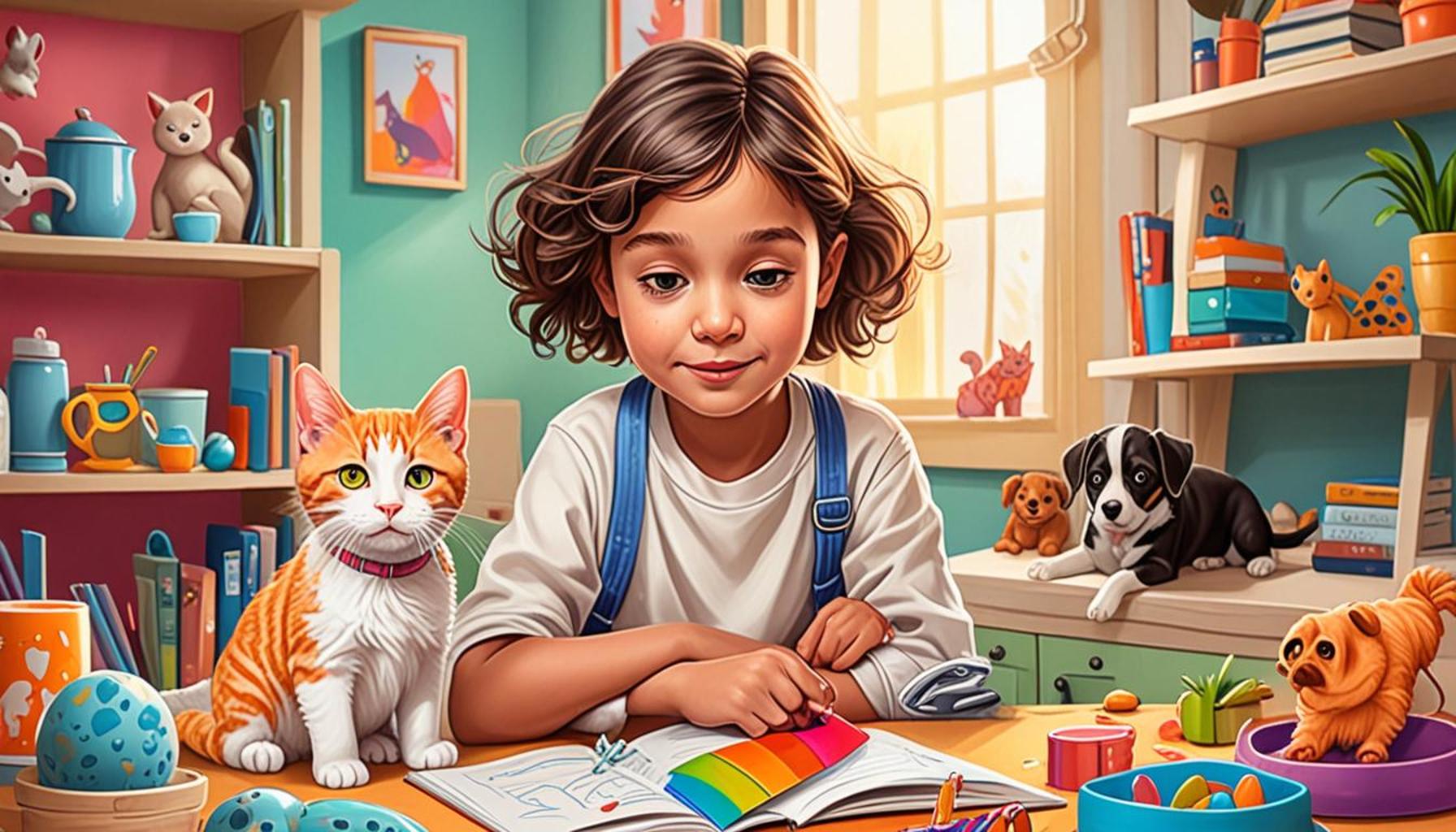
The Benefits of Furry Companions
In recent years, the conversation surrounding pet adoption has expanded beyond companionship. Studies indicate that having pets can significantly impact children’s mental health, particularly in reducing stress and anxiety. The simple act of welcoming a furry friend into the home can create a cascade of benefits that go far beyond mere affection. From unconditional love to life lessons, pets have the unique ability to enrich our lives in various ways.
- Pets provide unconditional love and support, helping children feel valued and understood.
- The act of caring for a pet fosters responsibility, instilling important values in young minds.
- Interactions with animals can lead to increased physical activity, promoting a healthier lifestyle.
Children facing daily stressors, such as school pressures and social dynamics, often find solace in the comfort of pets. A furry friend can serve as a calming presence, yielding numerous psychological benefits. Research has shown that simply petting a dog or cat can trigger the release of oxytocin, a neuropeptide that promotes bonding and reduces stress. As a result, children who spend time with pets may experience:
- Lowered heart rate and blood pressure, promoting relaxation and reducing anxiety levels.
- Enhanced social skills and emotional development, as pets often serve as social facilitators.
- Opportunities for imaginative play and bonding, strengthening the child-pet relationship through shared experiences.
By adopting a pet, families can create a nurturing environment that helps children navigate their emotional challenges. This transformative relationship not only enriches the lives of children but also contributes to the overall well-being of the family unit. According to a study from the Human-Animal Bond Research Institute, 74% of pet owners report improved mental health as a result of their furry companions. This statistic underscores the importance of pet adoption, as it highlights a tangible benefit that resonates across multiple households.
Exploring the Science Behind Pets and Mental Health
As we delve deeper into this topic, a closer examination of research findings reveals how pets effectively combat stress and anxiety in children. For instance, a study published in the Journal of Pediatric Psychology found that children diagnosed with attention deficit hyperactivity disorder (ADHD) exhibited improved behaviors and emotional regulation when exposed to pet interactions. The journey of pet adoption can lead to positive lifestyle changes, as families engage in outdoor activities like walks and playtime, which are essential for both mental and physical health.
In conclusion, the benefits of pet adoption extend far beyond companionship; they foster responsibility, emotional growth, and enhanced well-being within families. By understanding and appreciating the significant role that pets can play in alleviating stress and anxiety, families can make more informed decisions about pet adoption, gaining an ally in their journey toward emotional health.
DON’T MISS: Click here for essential tips on choosing the best cat food
The Emotional Connection Between Children and Pets
Pets, often referred to as “man’s best friend,” offer a myriad of emotional benefits, particularly for children grappling with stress and anxiety. The bond between a child and their furry companion is not only heartwarming but also vital for emotional development. Importantly, pets serve as a source of comfort and reassurance during turbulent times, which can significantly alter a child’s emotional landscape. For many children, interactions with their pets can be a soothing remedy amidst the chaos of academic pressures, social anxieties, and the ever-evolving dynamics of childhood.
The impact of this connection is profound; research from the American Psychological Association indicates that children who grow up with pets experience lower levels of stress and anxiety. The simple presence of a pet can create a sense of security, which encourages children to express their feelings openly. When children cuddle their pets, they often enter a state of calm, as physical contact releases endorphins and oxytocin, leading to reduced anxiety and improved mood.
- Emotional support: Pets can be a non-judgmental source of comfort during challenging emotional times, offering solace when children struggle to communicate their feelings.
- Routine and structure: Caring for a pet introduces daily routines into a child’s life, providing stability that can alleviate anxiety.
- Sensory stimulation: The act of petting, playing, or simply watching a pet can stimulate positive emotions, reducing feelings of stress.
Moreover, the process of pet adoption itself can wield therapeutic advantages. Many children who encounter behavioral challenges or emotional issues have found that bonding with a pet encourages responsibility and empathy. This nurturing interaction can boost a child’s self-esteem, fostering a sense of accomplishment that translates into other areas of their lives. A study conducted by the University of Missouri-Columbia found that children with pets demonstrated greater compassion and emotional intelligence compared to those without furry companions.
In addition to emotional benefits, pets also provide unique opportunities for social interaction. For example, owning a dog can lead to frequent outdoor activities and social gatherings, such as dog parks or community events, where children can connect with their peers. This socialization decreases feelings of isolation and enhances a child’s social skills, an essential component of emotional well-being.
The Lifelong Impact of Responsible Pet Ownership
Adopting a pet not only presents immediate emotional benefits for children but also instills lifelong values and skills. Children learn about responsibility, empathy, and the importance of caring for another living being. These lessons are crucial as they prepare children to navigate the complexities of relationships in adulthood. In understanding the profound influence that furry companions have on reducing stress and anxiety in children, families can foster a healthy and supportive environment, allowing younger generations to thrive emotionally and socially.
| Advantages of Pet Adoption | Associated Benefits |
|---|---|
| Emotional Support | Pets offer unconditional love and companionship, helping alleviate feelings of loneliness in children. |
| Stress Reduction | Interaction with pets has been proven to lower levels of cortisol and increase oxytocin, leading to a calming effect. |
| Boosting Confidence | Caring for a pet helps children develop a sense of responsibility, which can significantly enhance their self-esteem. |
| Social Interaction | Pets can act as social facilitators, encouraging children to engage with peers and build friendships. |
In exploring the significance of pet adoption in alleviating stress and anxiety in children, the emotional support provided by pets cannot be understated. They serve as companions that offer unconditional love, thereby diminishing feelings of loneliness. Scientific studies indicate that simply petting a dog or cat can lower cortisol levels, the hormone primarily associated with stress. The act of interacting with pets has been shown to increase oxytocin, a substance crucial for social bonding.Additionally, taking care of a pet instills a sense of responsibility in children, ultimately contributing to foundational aspects of building their self-esteem and confidence. Furthermore, pets facilitate social interactions, acting as a bridge for children to connect more with their peers, leading to healthier social relationships. Therefore, the influence of pet adoption goes beyond companionship, embedding itself within emotional and psychological wellness in a child’s development.
LEARN MORE: Click here to discover the impact of animal adoption
Building Life Skills Through Pet Adoption
The influence of pet adoption extends beyond the immediate emotional comfort it provides; it also equips children with valuable life skills. Caring for a pet cultivates a sense of responsibility that is essential for personal development. Children learn to manage routines, as they must feed, walk, and groom their pets on a schedule. This consistency in caregiving can foster discipline and time management skills that are beneficial in their personal and academic lives.
Moreover, the act of adopting a pet promotes empathy and compassion. When children are involved in the adoption process, they often engage in discussions about animal welfare and the importance of kindness toward all living beings. According to a study published in the Journal of Emotional and Behavioral Disorders, children involved in animal care programs exhibited a significant increase in empathy towards both animals and humans. This nurturing aspect of pet ownership allows children to develop emotional intelligence, an essential skill they will carry into adulthood.
- Problem-solving skills: Pets can sometimes present challenges, whether it be addressing behavioral issues or dealing with unexpected health problems. Children are encouraged to think critically to resolve these situations, enhancing their problem-solving capabilities.
- Social skills development: Through pet-related activities, such as visits to veterinarians or dog-training classes, children have opportunities to interact with peers, veterinarians, and trainers, enhancing their social connections and communication skills.
- Stress management strategies: Learning how to care for a pet encourages children to find healthy ways to cope with stress. Activities such as walking a dog or playing with a cat can serve as effective outlets for releasing pent-up anxiety.
The benefits of pet adoption also extend to family dynamics. For children dealing with anxiety, the presence of a pet in the household can facilitate open communication within the family unit. Parents can use the relationship between their children and pets as a gateway to discuss emotions and mental health. Such discussions are vital for fostering an environment where children feel safe to express their feelings without fear of judgment. Furthermore, joint activities like taking a dog for a walk or participating in pet training classes promote family bonding, further strengthening emotional ties.
Community outreach initiatives in schools and local organizations are increasingly recognizing the profound impact of pet adoption on children’s mental well-being. Programs that bring therapy animals into educational settings have been found to enhance emotional regulation and decrease behavioral incidents. A 2019 study published in the Journal of School Health illustrated that children who interacted with therapy pets showed marked improvements in managing anxiety during stressful situations, such as standardized testing.
The Role of Education in Promoting Pet Adoption
Education also contributes significantly to the movement toward adopting pets. Schools and community programs are beginning to incorporate information on the psychological benefits of pet ownership into their curricula. By educating children about responsible pet ownership and the importance of animal welfare, communities can build a generation more aware of both the mental health benefits of having pets and the importance of adopting from shelters. This fosters a culture of compassion and responsibility as future pet owners.
DISCOVER MORE: Click here to learn about the importance of socialization in dog training
Conclusion
In summary, the profound influence of pet adoption on children’s mental well-being cannot be overstated. As this article has highlighted, the companionship and unconditional love that pets provide work powerfully to reduce stress and anxiety in children. The experience of caring for a pet instills crucial life skills—empathy, responsibility, time management, and problem-solving—that benefit their overall development.
Moreover, pet ownership fosters improved family dynamics and communication, opening pathways for discussions around mental health and emotional challenges. Schools and community programs that promote the positive impact of pet adoption play an essential role in equipping future generations with the knowledge necessary for responsible pet ownership and its psychological benefits. Through these efforts, we can cultivate a society that not only understands the importance of adopting pets from shelters but also values the enrichment that this decision brings, not only to families but to the animals in need.
As we consider the ongoing challenges of childhood anxiety, exploring solutions like pet adoption offers a beacon of hope. The advantages of embracing a furry companion are clear, with studies consistently showing the emotional and psychological benefits highlighted throughout this article. Ultimately, the choice to adopt a pet is not just about providing a home for an animal; it is, in many ways, about nurturing a stable foundation for children’s mental health that can last a lifetime. For families contemplating making this impactful decision, the rewards can be both enriching and transformative.