
Cleansing Brushes: Are They Really Necessary in Your Skincare Routine?
Exploring the Benefits and Drawbacks of Cleansing Brushes
The skincare landscape is constantly changing, often introducing innovative tools that promise to transform our beauty routines. One such device that has surged in popularity is the cleansing brush. While marketed as an essential tool for achieving that coveted glow, a pertinent question looms: do these brushes genuinely contribute to improved skin health, or are they simply the latest fad in beauty?
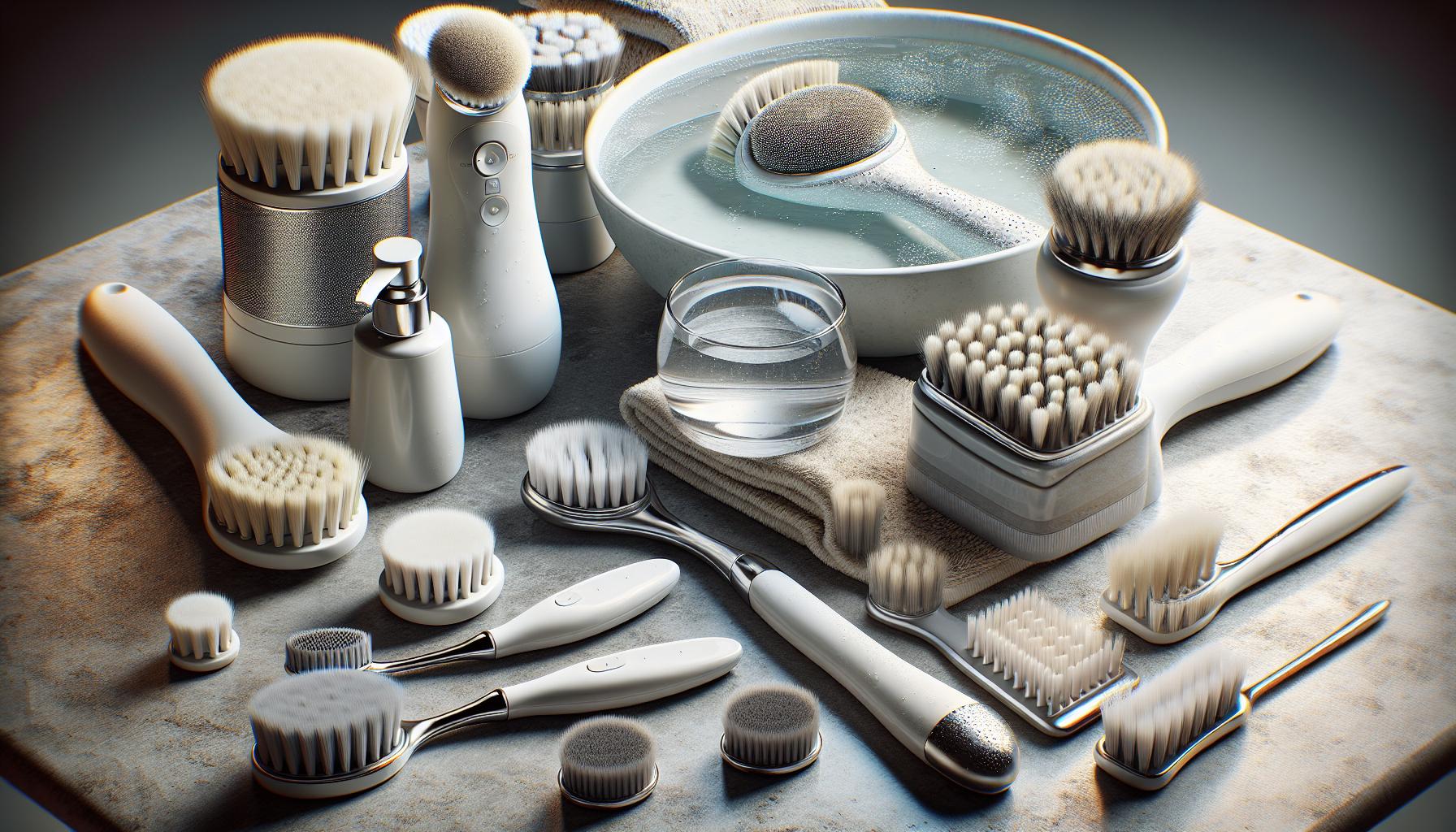
Cleansing brushes are available in a variety of forms, tailored to meet diverse skin types and individual cleansing needs. Understanding what sets these brushes apart can help you make informed decisions if you’re contemplating their integration into your regimen. Here’s an overview of the most common types:
- Manual Brushes – These are standard hand-held brushes that require no batteries. They rely on the user’s own effort to provide a thorough cleanse, making them a budget-friendly and straightforward option.
- Electric Brushes – Equipped with rotating bristles that promise deeper cleansing, these battery-operated devices can offer a more dynamic cleaning experience. Many have various settings to cater to different skin sensitivities.
- Silicone Brushes – Renowned for their gentle touch, silicone brushes are less likely to harbor bacteria and are easier to sanitize than traditional bristled counterparts. Their flexible material gently massages the skin while still providing effective cleansing.
Advocates of cleansing brushes assert numerous benefits that can elevate your skincare routine, including:
- Exfoliation – The bristles help slough off dead skin cells, revealing a smoother and more radiant complexion. Regular exfoliation can enhance texture and combat dullness, presenting a more youthful appearance.
- Enhanced Product Absorption – By effectively deep-cleaning the skin, cleansing brushes can improve the effectiveness of serums and moisturizers, allowing active ingredients to penetrate better and deliver improved results.
- Deep Cleaning – Regular use can help unclog pores, reducing the likelihood of breakouts and contributing to clearer skin over time.
However, the conversation around cleansing brushes is not without its detractors. Critics warn that improper use—such as excessive scrubbing or using the wrong type of brush for your skin—can lead to irritation, inflammation, or even exacerbate existing skin conditions like rosacea or acne. It’s crucial to research and understand both your skin type and the various brush options available.
As you navigate the world of cleansing brushes, balance is key. Ensuring your approach is tailored to your skin’s specific needs will be fundamental to finding success in your skincare endeavors. Delving into the vast amounts of information available can not only enrich your regimen but may also allow you to achieve the healthy, radiant skin that many strive for in today’s beauty climate.

DISCOVER MORE: Click here to learn about herbal extracts in skincare
The Science Behind Cleansing Brushes
As more individuals become aware of the significance of thorough skincare, the cleansing brush phenomenon has gained traction in salons, stores, and social media feeds. To understand whether these tools are indeed indispensable in your skincare arsenal, it’s essential to explore their mechanics and the evidence surrounding their efficacy.
At the heart of the cleansing brush’s appeal lies its ability to offer a deeper clean compared to conventional washing techniques. Studies have shown that traditional hand cleansing often misses certain areas, allowing impurities to linger. Cleansing brushes, whether manual or electric, provide a more rigorous approach to removing dirt, makeup, and sebum. This comprehensive cleansing is particularly vital for those living in urban environments where pollution can exacerbate skin issues.
It’s not just about removing surface debris; the physical action of using a brush can stimulate the skin. This stimulation can enhance blood circulation, promoting a natural glow while aiding lymphatic drainage. Furthermore, the regular use of a cleansing brush can lead to freshly exfoliated skin, diminishing the appearance of fine lines and uneven texture.
Key Considerations for Effective Use
However, it’s essential to remember that effectiveness significantly depends on the user’s technique and choice of brush. Here are some critical factors to consider when integrating a cleansing brush into your regime:
- Skin Type – Every skin type reacts differently to various cleansing methods. For instance, individuals with sensitive skin may find manual brushes more suitable, while those with oily skin might benefit from an electric brush designed for thorough cleansing.
- Frequency of Use – Using cleansing brushes too often can lead to over-exfoliation, which may cause irritation and compromised skin barrier function. For most, 2-3 times a week is recommended, but this can vary based on personal skin tolerance.
- Brush Head Selection – Different brushes feature varying bristles tailored for specific purposes; soft bristles are typically gentler, while firmer ones may provide a deeper clean. Choosing the right brush head is crucial to achieving the desired results without irritation.
Ultimately, while cleansing brushes offer many advantages from enhancing product absorption to exfoliating and deep cleaning, their effectiveness is not one-size-fits-all. Educating oneself on the available options and aligning them with personal skincare goals will be essential to determine their necessity in your routine. Engaging with dermatological resources can further clarify their role, helping to avoid the pitfalls commonly associated with improper usage.
Are these devices worth the hype? As you delve further into this skin-care revolution, you may find that a nuanced understanding of cleansing brushes could lead you towards achieving healthier and more radiant skin. The journey to comprehensive skincare is not just about following trends but discovering what works best for your individual needs.
Cleansing brushes have rapidly gained popularity in the world of skincare, leading many to wonder if they are genuinely necessary for an effective routine. To address this, it’s essential to explore their specific functions, benefits, and potential drawbacks.One of the primary advantages of using cleansing brushes is their ability to enhance the cleaning process. These devices can remove makeup, dirt, and excess oil more effectively than manual cleansing methods. The soft bristles oscillate or rotate, helping to exfoliate the skin gently while providing a deeper cleanse. This mechanical action can clear out pores, which may lead to a more radiant complexion.Additionally, cleansing brushes can be particularly beneficial for individuals with specific skin concerns. For those dealing with acne or oily skin, regular use of a cleansing brush can help minimize breakouts by preventing clogged pores. Conversely, those with dry or sensitive skin may find that using a softer, gentle brush allows them to cleanse without irritation, utilizing the device’s exfoliating properties to improve skin texture.However, it is crucial to approach cleansing brushes with an understanding of their proper use to avoid potential issues. Overuse or incorrect technique can lead to skin irritation or excessive exfoliation, causing redness or sensitivity. It is recommended to limit usage to a few times a week, depending on your skin’s tolerance, and to choose the right brush head designed for your skin type.Overall, while cleansing brushes can be a valuable addition to your skincare arsenal, their effectiveness heavily depends on individual skin types and concerns. Experimenting with different options will allow users to find the perfect fit for their personal skincare journeys, promoting healthier, clearer skin in the long run.
DIVE DEEPER: Click here to uncover the benefits of exfoliation
Exploring the Potential Drawbacks
While cleansing brushes present a multitude of benefits, it is crucial to also consider the potential drawbacks that come with their use. Understanding these limitations can help users make informed choices and avoid adverse effects.
One primary concern is the risk of over-exfoliation. Regular use of a cleansing brush, especially if overzealously applied, can disrupt the skin’s natural barrier. For individuals with already sensitive or compromised skin, over-exfoliation may lead to inflammation, redness, and an increase in breakouts. Clinical dermatologists recommend practicing moderation and tracking the skin’s reaction to gauge the appropriate frequency of use.
Another aspect worth delving into is hygiene. Cleansing brushes require diligent upkeep to prevent the buildup of bacteria on the bristles. Neglecting to clean the brush properly can lead to the very skin issues users seek to eliminate. Bacteria thrive in the damp environment of brush heads, potentially exacerbating acne or causing irritation. It’s essential to follow manufacturer instructions for cleaning and replacing brush heads to maintain optimal hygiene.
Cost vs. Benefit Analysis
Cleansing brushes come in a diverse price range, spanning from budget-friendly options to high-end models equipped with advanced features. It raises the question: do the benefits justify the costs? A 2021 research study published in a well-respected dermatological journal suggested that while users of cleansing brushes reported improved skin texture and clarity, the results were not markedly better than those who maintained a consistent routine with traditional methods. This suggests that the expense of a cleansing brush might not be necessary for everyone.
Moreover, many skincare enthusiasts argue that simplicity often reigns supreme in a skincare routine. Products such as gentle foams and cleansing oils, when applied with the right technique, yield results comparable to those from cleansing brushes. For those on a budget or those prioritizing minimalist approaches, investing in high-quality cleansers and spending time on manual cleansing can suffice in achieving clean, vibrant skin.
Alternative Solutions in Effective Cleansing
Aside from cleansing brushes, alternative tools and methodologies should not be overlooked. For instance, konjac sponges have gained popularity as an eco-friendly and gentle cleansing option. Made from the root of the konjac plant, these sponges provide a mild exfoliating effect when wet, offering a natural polishing to the skin without the aggressive nature of brushes.
Additionally, chemical exfoliants, such as alpha-hydroxy acids (AHAs) and beta-hydroxy acids (BHAs), can deliver significant benefits without mechanical action. These acids break down dead skin cells and dissolve debris, allowing for a thorough clean without the concerns associated with physical exfoliation. Many experts recommend incorporating these methods into skincare routines, especially for those hesitant about using cleansing brushes.
As you delve deeper into the intricacies of skincare, fostering an awareness of the various options available is paramount. Evaluating your unique skin needs alongside the diverse tools and products can empower you to optimize your routine effectively, ultimately leading you on the path toward achieving a radiant complexion. Whether you choose to embrace cleansing brushes or opt for gentler alternatives, understanding the fundamental principles of skin health will always serve you best.
DIVE DEEPER: Click here to discover more
Conclusion: Weighing the Necessity of Cleansing Brushes
When it comes to the question of cleansing brushes and their place in your skincare routine, it is essential to approach the topic with a balanced perspective. As explored throughout this article, while cleansing brushes boast numerous advantages, including enhanced cleansing and exfoliation, they also come with certain risks such as over-exfoliation and hygiene concerns. The effectiveness of these tools is ultimately influenced by individual skin types, conditions, and personal preferences.
Additionally, the cost-benefit analysis reveals that for many, the benefits of cleansing brushes might not significantly outperform traditional cleansing methods. As many skincare enthusiasts advocate for simplicity, it becomes apparent that a dedicated regimen with high-quality cleansers and proper techniques can yield results just as impressive, without the additional financial investment.
Furthermore, considering alternative solutions such as konjac sponges and chemical exfoliants allows individuals to further customize their cleansing routines, tailoring them to their specific skin needs. These alternatives not only offer varied approaches to skin health but often align with the growing trend towards eco-friendliness and minimalism.
In conclusion, the necessity of cleansing brushes in your skincare regimen is not a one-size-fits-all answer. The key lies in understanding your unique skin requirements and making informed choices. By evaluating the merits of different cleansing methods—including cleansing brushes and their counterparts—you can better navigate your skincare journey, ultimately achieving the clean, healthy, and radiant skin you desire.