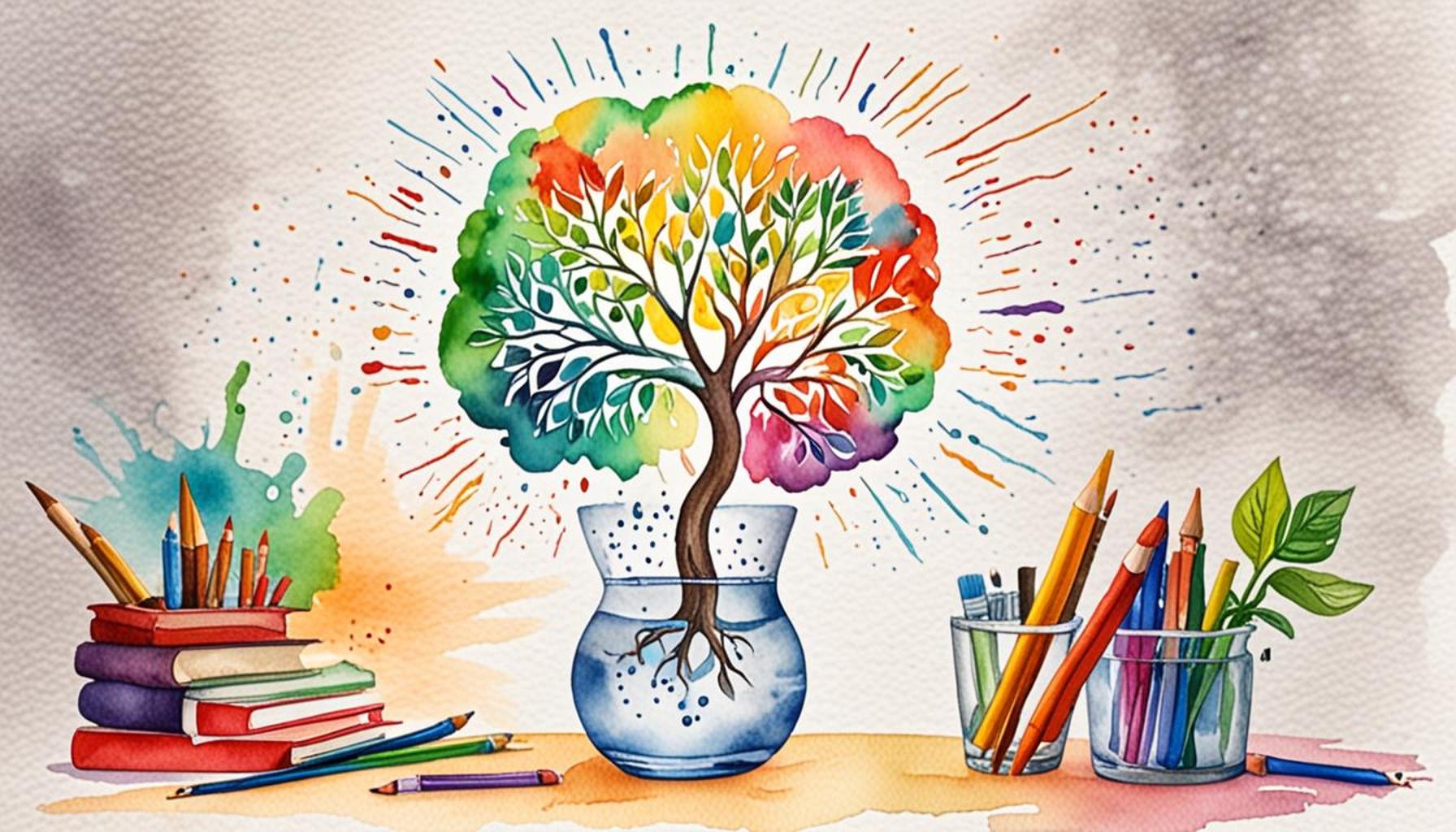
Creating a Supportive Environment for Independent Learning

Empowering Learners in a Nurturing Setting
Today’s educational landscape is evolving, demanding a shift towards independent learning. This transformative approach encourages students to take charge of their own educational journeys. As we cultivate this form of learning, it is essential to foster an environment that encourages autonomy and self-motivation.
Creating a supportive atmosphere involves various elements that serve as the foundation for independent learning. These components include the following:
- Access to Resources: Providing learners with a wealth of resources, including books, online courses, and interactive tools, is crucial. For instance, platforms like Khan Academy and Coursera offer extensive materials that enable students to explore subjects at their own pace.
- Flexible Learning Spaces: Setting up areas that accommodate different learning styles can significantly enhance the educational experience. This might include quiet spaces for reflection, collaborative zones for group projects, or even outdoor environments that encourage creative thinking.
- Encouraging Community: Building groups that offer peer support and collaboration creates a network for learners to share ideas and motivate one another. Programs like study groups or learning pods empower students to engage in discussions, furthering their understanding and enthusiasm for learning.
When learners feel comfortable and supported, their confidence flourishes. Research shows that independent learning not only boosts critical thinking but also enhances creativity. For example, students who are encouraged to pursue personal projects often develop innovative solutions to real-world problems.
In the United States, educational institutions are increasingly recognizing the importance of tailoring environments for independent learners. This includes implementing:
- Personalized Learning Plans: These plans align education with individual goals, allowing students to identify their interests and strengths. Programs such as blended learning incorporate personalization, maximizing engagement and achievement.
- Mentorship Programs: Connecting learners with experienced guides fosters a spirit of inquiry and innovation. Initiatives like Big Brothers Big Sisters pair youth with mentors who inspire and motivate them to pursue their aspirations.
- Technology Integration: Utilizing digital tools that facilitate autonomous study can transform how students approach their education. Tools like Google Classroom and various educational apps enable learners to take control of their studies, track their progress, and collaborate easily.
As we delve deeper into the elements that contribute to a thriving environment for independent learning, it becomes clear that the right support can transform the educational experience. Schools and communities that focus on creating these nurturing settings help cultivate more engaged and effective learners. Exploring innovative strategies in education will not only benefit students today but also pave the way for adaptable and resilient learners in the future.
DIVE DEEPER: Click here to discover how social media can enhance your learning
Key Components of a Supportive Learning Environment
Creating a space that fosters independent learning entails more than just offering resources; it requires a holistic approach that encapsulates various dimensions of the learning experience. Each element plays a pivotal role in empowering learners to explore their passions and deepen their understanding. Let’s explore the fundamental components necessary for building such an environment.
Access to Varied Learning Resources
At the core of independent learning is the access to an extensive array of resources. Resource availability ensures that learners can explore topics beyond the confines of their traditional textbooks. Libraries stocked with diverse materials, subscription services to online journals, and a host of platforms such as edX and LinkedIn Learning provide students with opportunities to engage with content that piques their interest. Moreover, local museums, community centers, and educational workshops can extend learning beyond the classroom, cultivating a culture of curiosity.
The Role of Flexible Learning Spaces
Another essential aspect is the design of flexible learning spaces. These spaces should cater to the diverse needs of learners, accommodating their unique styles and preferences. For example, quiet nooks for solitary study, areas designed for group collaboration, and informal lounges that encourage brainstorming can all facilitate creativity and critical thinking. Educational institutions in the United States are beginning to adopt open-concept classrooms and outdoor learning areas, which allow for a more fluid approach to education, where students can feel empowered to learn in ways that resonate with them.
Community and Peer Support Systems
Building a sense of community within the learning environment is paramount as well. Peer support systems, such as mentorship programs or learning circles, can significantly enhance independent learning experiences. When students interact and collaborate, they not only exchange ideas but also inspire one another to delve deeper into their studies. Initiatives like peer-tutoring programs encourage students to both teach and learn collaboratively, fostering accountability and enthusiasm. Educational institutions often host extracurricular activities that promote teamwork, giving students the chance to connect on a personal level while also learning together.
Encouragement of Self-Directed Learning
Equally important is nurturing an atmosphere that encourages self-directed learning. This approach empowers students to set their own learning goals, enabling them to pursue projects and topics that resonate with their interests. Teachers can play a crucial role by guiding students in the development of personalized learning plans, ensuring that each learner has a clear path to follow. By recognizing individual strengths and adapting to pacing accordingly, educators help students take ownership of their learning journey.
In conclusion, a supportive environment for independent learning is constructed through a refined understanding of the essential components needed to foster growth, exploration, and engagement. As educators, parents, and community leaders work together to implement these practices, they not only enrich the educational landscape but also prepare students for a future where lifelong learning is a cornerstone of personal and professional success.
Creating a Supportive Environment for Independent Learning
In recent years, the importance of fostering a supportive environment for independent learning has come to the forefront of educational discourse. A well-structured setting not only nurtures the skills necessary for self-directed education but also cultivates a deep-seated enthusiasm for lifelong learning. Below is a concise table that outlines the primary advantages associated with this theme, emphasizing its relevance in contemporary educational practices.
| Advantages | Description |
|---|---|
| Enhanced Motivation | Creating an environment that encourages choice fosters greater motivation among learners. |
| Personalized Learning | Allows individuals to tailor their learning paths, enhancing engagement and retention of knowledge. |
The concept of independent learning emphasizes autonomy, which ultimately translates into greater responsibilities assumed by learners. In a supportive atmosphere, educators can guide students in goal-setting and self-assessment, thereby promoting a sense of ownership over their educational journey. Furthermore, providing access to a wide range of resources and opportunities for collaboration can significantly enhance the learning experience.
Encouraging peer interactions and feedback within this environment can also lead to the development of essential communication skills. By establishing a culture where students feel safe to express their thoughts and opinions, we not only build a solid foundation for independent learning but also prepare them for future challenges in a fast-evolving world.
DISCOVER MORE: Click here to dive deeper
Emphasizing Emotional and Social Support
While access to resources and physical space layout are vital, the emotional and social support provided within a learning environment is equally crucial for promoting independent learning. This aspect revolves around nurturing students’ mental well-being, fostering self-esteem, and developing resiliency in the face of challenges. By focusing on emotional intelligence, educational institutions can create a thriving atmosphere that nurtures both academic success and personal growth.
Fostering Emotional Intelligence
Emotional intelligence (EQ) plays a significant role in independent learning as it directly impacts students’ abilities to manage stress and navigate social dynamics. Programs that emphasize self-awareness, self-regulation, and relationship skills provide students with tools to understand their own emotions and motivations. One method gaining traction is the incorporation of social-emotional learning (SEL) into school curricula. SEL initiatives have been linked to better academic outcomes and increased tenacity, equipping students to handle obstacles and failures without compromising their desire to learn.
Creating a Safe and Inclusive Environment
A supportive learning environment also hinges on psychological safety. Students must feel assured that they can express themselves without judgment. Facilitating open discussions in classrooms allows learners to articulate their ideas, concerns, and questions freely. Techniques such as restorative circles and conflict resolution programs help cultivate acceptance and understanding. Moreover, embracing diversity through inclusive teaching practices ensures that all voices are represented and valued. This, in turn, empowers learners from various backgrounds to contribute to their learning community, enriching the collective experience.
Encouraging Parental and Community Engagement
Parental support and community involvement are instrumental in reinforcing students’ educational journeys. When families are actively involved in their children’s learning process, it enhances learners’ motivation and commitment. Programs designed to facilitate workshops for parents on how they can support independent learning at home have proven effective. Additionally, collaboration with local organizations can provide mentorship opportunities, internships, or real-world project engagement. Such partnerships not only extend learning but also strengthen the connection between classroom knowledge and practical application.
Utilizing Technology to Enhance Support
In today’s digital age, technology can serve as a powerful ally in creating a supportive environment for independent learning. Tools like learning management systems (LMS), online forums, and virtual learning communities enable students to connect, collaborate, and share resources seamlessly. Popular platforms such as Google Classroom and Moodle have transformed traditional learning paradigms by allowing students to track their progress, access personalized content, and seek help from peers or educators at their convenience. Implementing educational technologies encourages learners to take initiative and responsibility for their own educational paths.
Celebrating Achievements and Growth
Recognizing and celebrating student achievements, no matter how small, can bolster confidence and promote continued engagement in independent learning. Schools can establish recognition programs or showcase student projects in exhibitions, offering a platform for learners to demonstrate their hard work and creativity. When students feel valued and appreciated, it reinforces their intrinsic motivation and encourages them to strive for even greater heights in their academic pursuits.
DISCOVER MORE: Click here to unlock skill mastery
Conclusion: The Path to Empowered Learning
Creating a supportive environment for independent learning is an intricate endeavor that goes beyond mere access to tools and resources. It requires a holistic approach that addresses emotional, social, and academic facets of students’ experiences. By fostering emotional intelligence, schools can equip students with the necessary skills to navigate their educational journeys, building resilience in the face of setbacks. Establishing a safe and inclusive environment is paramount; when students feel accepted and valued, they are more likely to engage actively and express themselves freely.
Moreover, the active involvement of parents and communities amplifies the impact of educational programs. When families and local organizations engage with students, it not only enhances motivation but also bridges the gap between classroom learning and real-world applications. With the integration of technology, the accessibility and personalization of education have surged, enabling learners to connect and collaborate beyond traditional barriers.
Finally, acknowledging and celebrating student achievements serves as powerful encouragement that reinforces self-worth and motivation. As we cultivate these varied elements—emotional support, a safe atmosphere, community engagement, and the use of technology—we pave the way for a robust culture of independent learning.
In today’s rapidly changing educational landscape, embracing these strategies is not just beneficial; it is essential. Schools, educators, and communities must unite in their commitment to fostering environments where learners are empowered to take charge of their educational destinies. By exploring these dynamics further, we can work toward a future where every student feels capable and supported in their journey of independent learning.