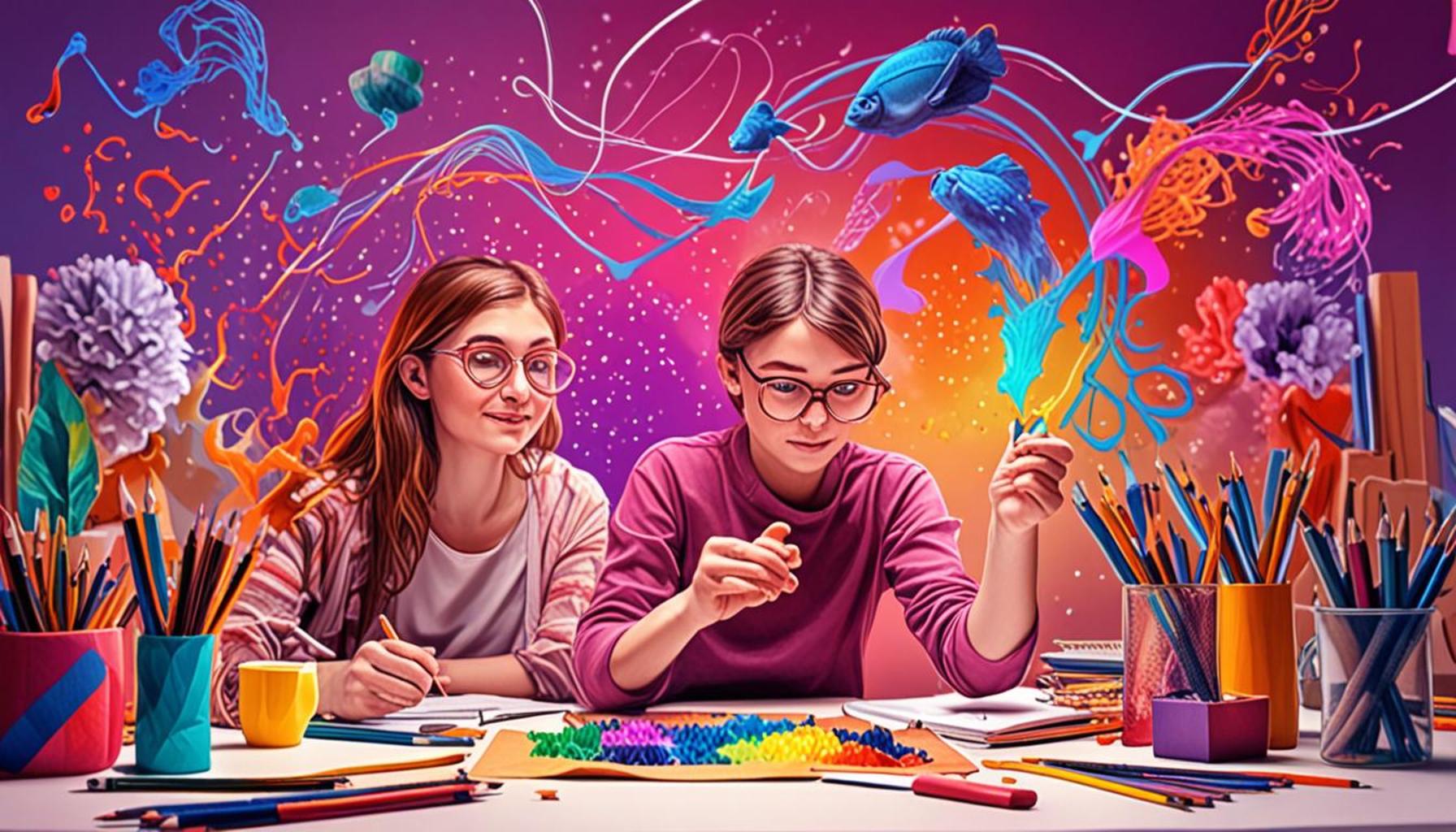
Exploring the Connection Between Emotional Engagement and Retention of Self-Taught Skills

The Importance of Emotional Engagement in Skill Retention
In the complex landscape of self-directed learning, it’s becoming increasingly clear that emotional engagement is not merely beneficial—it is essential for retaining new skills. This connection between emotion and learning translates into lasting proficiency and the ability to apply what has been learned in various contexts. As we explore the nuances of this relationship, it becomes evident that a learner’s emotional state can dramatically bolster or hinder their educational journey.
The Role of Motivation
At the forefront of emotional engagement is motivation. Learners who are emotionally invested in their studies often display a higher degree of intrinsic motivation. For instance, a student passionate about photography may immerse themselves in learning editing software with enthusiasm, leading to deeper comprehension and skill refinement. This intrinsic motivation fosters a sense of ownership over the learning process, making it more likely that the skills learned will be retained over time.
The Value of Relevance
Relevance is another key factor that significantly impacts skill retention. When learners perceive a direct link between new skills and their personal lives or interests, they are more inclined to engage deeply with the material. For example, a professional looking to advance their career in digital marketing will find it much easier to learn about social media analytics if they recognize the potential benefits for their personal business ventures. This personal relevance transforms the learning experience from a mundane obligation to an exciting opportunity.
The Impact of Reinforcement
Moreover, the connection between positive emotional experiences and memory formation cannot be overstated. When individuals associate the acquisition of new skills with enjoyable experiences—like successfully completing a project or receiving praise from peers—the positive emotions created foster long-term retention. In educational psychology, this is often referred to as the “emotional memory” phenomenon, where the emotional context enhances recall, ensuring that learners can apply their skills when needed.
Broader Implications of Emotional Engagement
Beyond skill retention, emotional engagement influences several other aspects of the learning journey. One vital element is persistence, as emotionally connected learners are more likely to tackle difficulties head-on rather than give up in the face of challenges. This resilience is a potent trait, particularly in fields that require continuous learning and adaptation, such as technology or the arts.
Additionally, emotionally driven learning can aid in habit formation. Skills learned while feeling a deep emotional connection are often seamlessly woven into a person’s daily routines. For example, someone who learns to cook out of a love for sharing meals with family is likely to retain those culinary skills longer than someone who learns to cook out of obligation.
Finally, the propensity for building supportive community networks is another crucial outcome of emotional engagement. When individuals form emotional ties to their learning processes, they are more likely to seek out others with similar interests, cultivating a network of support and shared experiences that can further reinforce skill retention and personal development.
As we continue to explore the intricate relationship between emotional engagement and skill retention, we uncover strategies, neurological insights, and compelling examples that highlight how crucial these connections are. By acknowledging and harnessing the power of emotion in learning environments, individuals can enhance their educational pursuits and achieve profound, lasting success.
EXPLORE MORE: Click here to enhance your learning confidence
Understanding the Mechanisms of Emotional Engagement
To truly grasp how emotional engagement enhances the retention of self-taught skills, it is essential to delve into the psychological and neurological mechanisms that underline this relationship. Science reveals that our emotions play a pivotal role in how we process information, learn new concepts, and apply skills in real-world scenarios. When learners experience heightened emotional states—whether sparked by passion, curiosity, or even frustration—their brains react in ways that optimize learning and memory retention.
Neurological Insights into Emotion and Learning
The brain’s limbic system, which houses our emotional responses, is intricately linked with cognitive functions, especially those involving learning and memory. For instance, research has shown that emotional arousal can lead to the release of important neurotransmitters such as dopamine, which is associated with pleasure and reward. This release strengthens neural connections, enhancing the likelihood of recalling newly acquired skills. Consider a musician who experiences joy when mastering a difficult piece; the positive emotional feedback solidifies their learning and encourages continued practice.
Types of Emotional Engagement in Learning
Emotional engagement in self-directed learning can manifest in various forms, each contributing to skill retention in distinct ways. Here are a few key types to consider:
- Passionate Engagement: This occurs when learners are deeply invested in the subject matter, often driven by personal interests or long-term goals. For example, a graphic designer learning new software to enhance their portfolio often invests more time and effort, resulting in better retention.
- Curiosity-Driven Engagement: Curiosity pushes learners to explore and discover, leading to a more engaged learning experience. This exploration often results in a better understanding and retention of skills.
- Community-Based Engagement: Involvement in supportive learning communities, whether online or in-person, can enhance emotional engagement. Sharing experiences and receiving feedback creates a positive cycle of encouragement that aids retention.
Each of these engagement types has a unique role in shaping the learning experience, demonstrating the multifaceted nature of emotional involvement in skill acquisition.
Challenges to Emotional Engagement
While the benefits of emotional engagement are clear, it is equally vital to acknowledge the potential challenges learners face. Factors such as negative self-perception, external pressures, or a lack of connection to the material can disrupt emotional engagement, leading to poor retention of newly acquired skills. It is essential for learners to cultivate an environment that fosters positive emotions, making the learning process both enjoyable and meaningful.
In recognizing these challenges, strategies can be developed to enhance emotional engagement. By focusing on personal interests, seeking out communities, and creating positive experiences tied to the learning process, individuals can overcome barriers and solidify their skillset. As we move forward in our exploration, we will examine practical strategies and case studies that illustrate the profound impact of emotional engagement on the retention of self-taught skills.
| Category | Key Features/Benefits |
|---|---|
| Emotional Investment | Research indicates that individuals who emotionally invest in their learning experiences are more likely to retain skills over time. When learners feel a personal connection or passion for the material, they make deeper cognitive associations, enhancing memory. |
| Intrinsic Motivation | Self-taught skills often stem from intrinsic motivation, allowing individuals to pursue knowledge at their own pace. This self-directed learning fosters a sense of ownership that boosts retention, as learners are compelled to explore, practice, and innovate continuously. |
| Community Support | Engaging with a community of like-minded learners provides support and encouragement, which can significantly influence emotional engagement. Sharing experiences and challenges helps reinforce skills, as learners can motivate each other to persist and improve. |
Exploring further, the relationship between emotional engagement and retention of skills becomes evident. Various studies have shown that individuals are not only prone to forget skills learned without emotional involvement, but they also tend to thrive when they are personally invested in the learning process. This connection between emotions and cognitive function emphasizes the need for educational frameworks that nurture emotional well-being alongside skill acquisition. As emotional engagement increases, retention follows suit, leading to a cycle of continuous improvement and growth in self-taught abilities. In the realm of self-directed education, it becomes crucial to harness these psychological insights to create environments that foster emotional connections, thereby enhancing both retention and mastery of skills. This explorative journey into understanding emotional engagement serves not only to inform individuals seeking self-improvement but also to shape future educational methodologies that prioritize emotional health as a keystone of effective learning.
DIVE DEEPER: Click here to discover more
Strategies to Enhance Emotional Engagement
Understanding the critical role of emotional engagement in the retention of self-taught skills prompts us to explore effective strategies that individuals can implement to deepen their emotional connection with learning materials. By integrating these methods into their routines, learners can create an environment rich in emotional fulfillment that not only aids retention but also transforms the learning experience into a more enjoyable journey.
Creating a Personal Learning Narrative
One powerful technique for enhancing emotional engagement is to construct a personal learning narrative. This involves integrating personal stories, aspirations, and reflections into the learning process. By linking the skill being learned with one’s life experiences or future goals, learners can evoke strong emotions that reinforce memory. For example, a self-taught chef might recall childhood memories of cooking with family while practicing new recipes, creating a profound emotional connection that solidifies their culinary skills.
Setting Up Tangible Goals and Celebrating Milestones
Setting specific, achievable goals can substantially enhance emotional engagement. When learners establish clear objectives, they can chart their progress, leading to a sense of accomplishment. Celebrating these milestones—however small—can amplify positive emotions associated with learning. A software developer, for instance, might celebrate the completion of a coding project by sharing their success in an online community or treating themselves to something special. This practice not only reaffirms their commitment but also fosters a positive emotional feedback loop that can motivate continued learning.
Embracing Adaptive Learning Techniques
Adaptive learning techniques, such as gamification, can also play a significant role in boosting emotional engagement. By incorporating game-like elements—such as rewards, challenges, and friendly competition—learners are more likely to experience heightened emotions tied to their progress. Educational platforms that offer these features show that when individuals are emotionally invested in the gamified learning process, they tend to retain information and skills more effectively.
The Role of Feedback and Community Support
Positive feedback from peers and mentors is instrumental in fostering emotional engagement. Research has shown that individuals receive vital emotional boosts when their efforts are acknowledged. Joining groups or communities that focus on shared learning objectives provides not only validation but a source of motivation and encouragement. For those developing language skills, participating in conversation clubs or online forums can enhance emotional ties to learning through interaction and the shared experience of overcoming challenges together.
Incorporating Reflection into the Learning Process
Reflection is another crucial component of enhancing emotional engagement. Taking time to consider what has been learned and how it connects to personal goals can deepen one’s emotional involvement with the subject matter. Journaling about the learning experience can help cement skills while also providing insights into emotional growth during the process. This practice helps learners articulate their thoughts and feelings, transforming abstract skills into personal milestones.
By implementing these strategies, individuals can create a robust emotional engagement that not only enhances the retention of self-taught skills but also enriches their overall learning experience. These approaches underscore the necessity of addressing emotional aspects in education, paving the way for learners to cultivate a fulfilling and lasting connection with their self-directed pursuits.
DISCOVER MORE: Click here to learn about the role of self-discipline
Conclusion: The Path to Lasting Learning
As we’ve delved into the intricate relationship between emotional engagement and the retention of self-taught skills, it becomes evident that fostering a strong emotional connection is not merely an enhancement; it is a cornerstone of effective learning. By weaving personal narratives, setting tangible goals, embracing gamification, seeking community support, and incorporating reflection, learners can create an enriching environment that amplifies both their emotional investment and their skill retention. These strategies illuminate a path toward a more engaged and fulfilled learning process.
Moreover, educational research increasingly emphasizes the importance of emotional engagement in learning contexts, prompting educators and self-directed learners alike to prioritize this aspect. As learners engage with materials in meaningful ways, they not only enhance their retention of information but also develop a deeper appreciation for the learning journey itself. This shift in focus from rote memorization to emotionally charged experiences encourages mastery and sustained interest in various disciplines.
Looking ahead, the challenge lies in continually discovering innovative ways to harness emotions in learning environments, pushing the boundaries of traditional education. Whether through the rise of online communities or the integration of technology in personalized learning, the future of self-directed education seems bright and full of potential. As individuals navigate their unique paths, embracing the emotional components of their learning experiences will ultimately pave the way for enduring skills and personal growth.