
How Obesity Affects Pets’ Overall Health and Weight Control Strategies

The Rising Tide of Obesity in Pets
Obesity has become an alarming epidemic affecting our beloved pets in the United States, with a staggering estimate that over 50% of dogs and cats are classified as overweight or obese. This condition not only jeopardizes their physical health but also infringes on their overall happiness and longevity, an aspect every pet owner greatly treasures. Understanding the implications of obesity is paramount for all pet owners who wish to ensure their furry companions lead happy and healthy lives.
The ramifications of obesity in pets go far beyond mere aesthetics. They encapsulate a range of serious health issues that can have devastating effects on the well-being of pets:
- Joint Problems: The additional weight from obesity causes undue stress on a pet’s joints, frequently leading to debilitating conditions such as arthritis. Chronic pain can inhibit movement and reduce the quality of life, making otherwise simple activities like playing fetch or taking a walk cumbersome for pets.
- Heart Disease: Just as in humans, being overweight places pets at a heightened risk for cardiovascular diseases. A study published in the Journal of Veterinary Internal Medicine indicated that even moderate obesity in pets can strain their heart, leading to severe conditions such as heart failure.
- Diabetes: Obesity significantly increases the likelihood of developing diabetes mellitus in pets. With a higher fat-to-muscle ratio, fat cells can lead to insulin resistance, ultimately requiring careful management and lifestyle adjustments.
- Respiratory Issues: Overweight pets often suffer from respiratory challenges due to accumulated fat tissue that constricts their ability to breathe normally, particularly during exertion. This can limit their capacity for exercise, creating a vicious cycle of weight gain and diminishing health.
To combat the weight crisis in our pets, implementing tailored weight control strategies is essential. Here are some effective measures that pet owners can take:
- Balanced Diet: It’s crucial to ensure that your pet has a balanced diet tailored to their individual needs. Consulting with a veterinarian can help identify the right type and amount of food to offer, potentially reducing calorie intake without sacrificing essential nutrients.
- Regular Exercise: Incorporating daily exercise into your pet’s routine can significantly enhance their physical activity levels. Simple activities like daily walks, interactive play sessions, or even joining a local dog meetup can not only help in weight management but also promote socialization.
- Veterinary Guidance: Seeking professional advice from a veterinarian allows for the establishment of a safe and effective weight loss plan. Regular check-ups can help monitor your pet’s progress and adapt the strategies accordingly.
Addressing obesity in pets is not solely about aesthetics or trends; it is a crucial aspect of responsible pet ownership that can lead to a healthier, longer, and happier life for our companions. By implementing effective strategies and fostering a supportive environment, pet owners can take proactive steps in combating this issue, ensuring their furry friends live their best lives.
Ultimately, understanding the severity of pet obesity can lead to better health outcomes and richer experiences for both pets and their owners. Taking the time to investigate and address this concerning trend is not just beneficial; it is vital for the well-being of our four-legged family members.
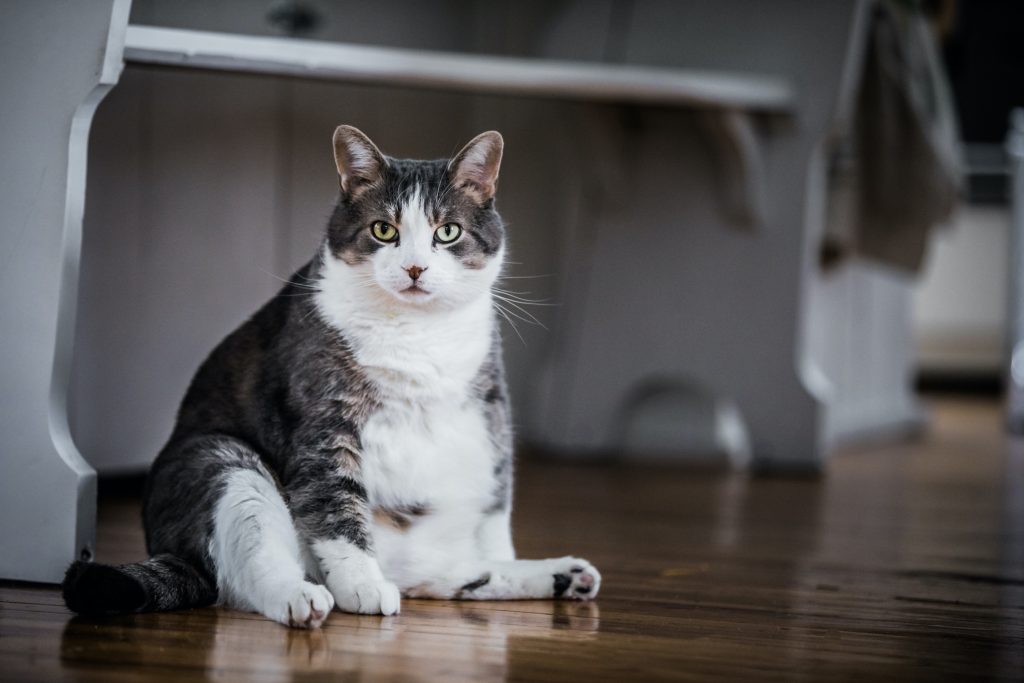
DISCOVER MORE: Click here for essential tips on feline nutrition
The Health Risks of Obesity in Pets
Obesity presents a multitude of health challenges for pets, which can severely compromise their quality of life and longevity. As pet owners become increasingly aware of the obesity crisis, it is critical to understand how excess weight affects our four-legged family members. Just as with humans, being overweight or obese can lead to an array of chronic health issues that can be both devastating and expensive to treat. Below are some of the primary health concerns associated with obesity in pets:
- Reduced Mobility and Joint Disorders: The weight of an obese pet places excessive strain on their joints, leading to conditions like hip dysplasia and arthritis. As these ailments progress, pets may experience pain, reduced mobility, and a lack of enthusiasm for playtime or walks. In fact, studies indicate that obesity can reduce a dog’s lifespan by up to two years due to these complications.
- Increased Risk of Cancer: Research has established a link between obesity and a higher incidence of certain types of cancer, such as osteosarcoma and bladder cancer, in dogs and cats. The inflammatory processes associated with excess fat can create an environment conducive to the development of tumors.
- Metabolic Disorders: Obese pets are more likely to suffer from metabolic conditions, particularly diabetes. The excess fat leads to insulin resistance, requiring ongoing management through diet and medication. Pet owners must remain vigilant, as untreated diabetes can result in serious health risks, including kidney failure.
- Skin Infections: Overweight pets are more susceptible to skin infections due to skin folds that can trap moisture and dirt. This environment can lead to dermatitis and exacerbate other skin conditions, causing discomfort and requiring veterinary intervention.
The implications of these health issues often extend beyond the pet, affecting the bond with their owners. Pets in pain or discomfort usually become less affectionate and interactive, resulting in a less fulfilling relationship for both parties. Furthermore, the financial strain due to vet bills associated with treating obesity-related conditions can be significant, potentially adding stress to family budgets.
Recognizing the health risks associated with obesity serves as a vital first step for pet owners who wish to combat this epidemic. However, understanding the right weight control strategies can make all the difference. Here are several essential approaches every pet owner should consider:
- Portion Control: Knowing the recommended serving size for your pet’s specific type and breed can help prevent overeating. Using measuring cups instead of free-feeding can ensure accurate portions and alleviate the risk of weight gain.
- Healthy Treat Options: While it’s tempting to spoil pets with treats, choosing healthier options or reducing treat frequency can significantly lower caloric intake. Consider substituting commercial treats with fresh fruits or vegetables that are safe for pets.
- Routine Monitoring: Regularly weighing your pet can help you track progress and identify weight-related issues early on. Weight management should be a continual process, rather than a reaction to dramatic weight gain.
Ultimately, addressing obesity in pets requires a collaborative effort between pet owners and veterinarians. By developing an understanding of the health risks and implementing effective weight control strategies, pet owners can ensure their furry companions lead healthier, happier lives.
Understanding the Impact of Obesity on Pets
Obesity in pets is a growing concern that significantly affects their overall health. Just like in humans, excess weight can lead to a myriad of health problems in animals, including diabetes, heart disease, and joint issues. These health complications not only diminish the quality of life for pets but also shorten their lifespan. When a pet is overweight, it can struggle with mobility, making daily activities such as walking or playing uncomfortable. This lack of activity can result in a vicious cycle, where weight gain leads to decreased activity, further exacerbating health problems.
The Role of Diet in Weight Control
Managing a pet’s weight is often primarily linked to diet. Pet owners must evaluate the nutritional content of their pet’s food carefully. High-caloric, low-nutrient diets can contribute to obesity. Instead, opting for balanced diets that include lean proteins, healthy fats, and appropriate carbohydrate levels is essential. Regularly scheduled feeding times, proper portion control, and avoiding excessive treats can enhance weight control. Additionally, owners are encouraged to consult with veterinarians to devise tailored feeding plans that cater to their pet’s specific health needs.
Activity Level and Its Importance
Incorporating regular exercise is a vital component of effective weight control strategies. Pets need daily physical activity to maintain a healthy weight and improve their overall well-being. Engaging pets in exercise routines, such as regular walks, playtime, and interactive games, can promote weight loss while also strengthening the bond between pet and owner. It’s also beneficial to introduce new activities, like agility training or swimming, to keep the pet engaged and motivated.
| Health Risks | Impacts on Well-being |
|---|---|
| Diabetes | Increased medical costs; requires careful management. |
| Joint Problems | Decreased mobility; longer recovery times from injuries. |
The obesity epidemic in pets necessitates greater awareness and proactive measures from pet owners. It’s crucial to integrate both dietary modifications and enhanced physical activity into their daily routines to foster healthier lives for our furry companions. Regular check-ups with veterinarians can also provide valuable insights and tailored advice, ensuring that pets maintain their ideal weight throughout their lives.
DISCOVER MORE: Click here to learn about the impact of animal adoption
Effective Weight Control Strategies for Pets
Understanding the health risks of obesity is crucial, but implementing effective weight control strategies is equally essential to help pets achieve and maintain a healthy weight. The journey to weight management is not a one-size-fits-all solution but rather a tailored approach dependent on each pet’s unique needs. Here are additional strategies worth considering:
- Regular Exercise: Just like humans, pets require physical activity to maintain a healthy weight. Engaging in regular exercise not only helps burn calories but also strengthens muscles and improves cardiovascular health. Daily walks, play sessions with interactive toys, and even agility training are excellent ways to get pets moving. Aim for at least 30 minutes of physical activity, tailored to the pet’s age, breed, and overall health.
- Consulting a Veterinarian: Before embarking on any weight loss journey, it is prudent to consult a veterinarian. They can assess your pet’s specific health conditions and recommend a personalized weight loss plan. This includes determining the ideal weight for your pet, suggesting a dietary regimen, and establishing a safe rate of weight loss. For instance, a gradual weight reduction of 1-2% of body weight per week is typically considered safe for most pets.
- Food Quality Over Quantity: While portion control is vital, the quality of the food your pet consumes can significantly impact their weight. Opt for high-quality pet food that is appropriate for your pet’s age and dietary needs. Foods high in protein and fiber can keep pets satiated while being lower in calories. Additionally, be wary of pet food marketing claims, and look for foods with beneficial ingredients rather than fillers that contribute to weight gain.
- Scheduled Feeding: Research has shown that pets thrive on routines, which can foster positive weight management habits. Structuring feeding times rather than allowing free access to food can help regulate caloric intake. Feeding smaller, frequent meals throughout the day instead of a single large meal can also assist in curbing hunger and managing weight.
- Incorporating Mental Stimulation: Mental engagement is just as important as physical exercise. Boredom can lead pets to overeat as a form of entertainment. Puzzle toys, treat-dispensing devices, and training sessions can help keep pets mentally stimulated, reducing the tendency to snack mindlessly.
- Tracking Progress: Keeping detailed records of your pet’s weight, feeding schedule, and activity levels can provide valuable insights. Use a journal or an app to log this information, helping you identify patterns and factors contributing to weight gain. Regular progress check-ins can also motivate both pet and owner to stay committed to the weight loss plan.
Incorporating these weight control strategies can lead to significant improvements in your pet’s overall health and happiness. Moreover, fostering an environment that promotes healthy habits will not just aid in weight management but will also strengthen the bond between you and your furry companion. The long-term benefits of a healthy pet can outweigh the challenges of implementing a weight control plan, ensuring a more vibrant and active lifestyle for years to come.
DISCOVER MORE: Click here for insights on balanced nutrition
Final Thoughts on Pet Obesity and Health
The rising prevalence of obesity among pets is a pressing concern with significant implications for their overall health and quality of life. The link between obesity and serious health issues, including diabetes, arthritis, and cardiovascular disease, underscores the importance of proactive weight management. Addressing pet obesity isn’t just about aesthetics; it’s about enhancing their longevity and wellbeing.
The integration of tailored weight control strategies—such as regular exercise, quality nutrition, and mental engagement—can transform the lives of pets struggling with excess weight. Every pet is unique, and adopting a personalized approach that considers their age, breed, and individual health needs can lead to effective weight loss and maintenance. Moreover, regular consultations with a veterinarian can help ensure that the chosen strategies are safe and effective, allowing for adjustments as needed.
As pet owners, it is our responsibility to become advocates for our furry friends’ health. Creating a supportive environment through structured routines, engaging activities, and scheduled feeding routines can significantly impact a pet’s ability to shed excess weight. By prioritizing their health, we not only improve their lifespan but also enhance their happiness and vitality.
Ultimately, taking action against obesity in pets requires commitment and awareness. The journey towards a healthier, more active pet may present challenges, but the rewards—such as increased playfulness, energy, and companionship—are well worth the effort. With the right strategies in place, pet owners can ensure a joyful and fulfilling life for their beloved companions.