How to Use Interactive Games to Improve Dog and Cat Training
Engaging Your Pets with Interactive Games
Training pets can sometimes feel like an uphill battle, but there’s a fun twist to it! Interactive games provide a unique approach that not only keeps your pets engaged but also enhances their learning experience. This method transforms mundane training sessions into playful interactions. But why is it essential to incorporate games into your pet’s training regimen?
First and foremost, interactive games lead to enhanced learning. When pets are mentally stimulated through play, they are more likely to retain information and respond positively to commands. For instance, a game that asks your dog to find hidden treats can teach them to recognize scents and develop problem-solving skills, making the training both fun and effective.
Another significant benefit is stronger bonding. Interaction through play helps establish trust and deepens the emotional connection between you and your pet. A weekend spent running an obstacle course or engaging in a spirited game of tug-of-war can lead to a stronger relationship built on shared experiences. Pets thrive on positive interaction, and games are an excellent way to provide just that.
Moreover, using games increases engagement. Pets are inherently playful creatures, and when training resembles playtime, their enthusiasm spikes. This is particularly important for younger animals or those with short attention spans, as playful settings can capture their focus much more effectively than traditional training methods.
From classic activities like fetch to modern technology-driven games, the options are diverse and tailored to various skill levels. Here are a few engaging examples:
- Interactive Puzzle Toys: These toys challenge your cat’s problem-solving abilities by hiding treats within complex mechanisms. Brands like PetSafe and Outward Hound offer a variety that can match your cat’s skill level, encouraging them to think critically while rewarding their efforts.
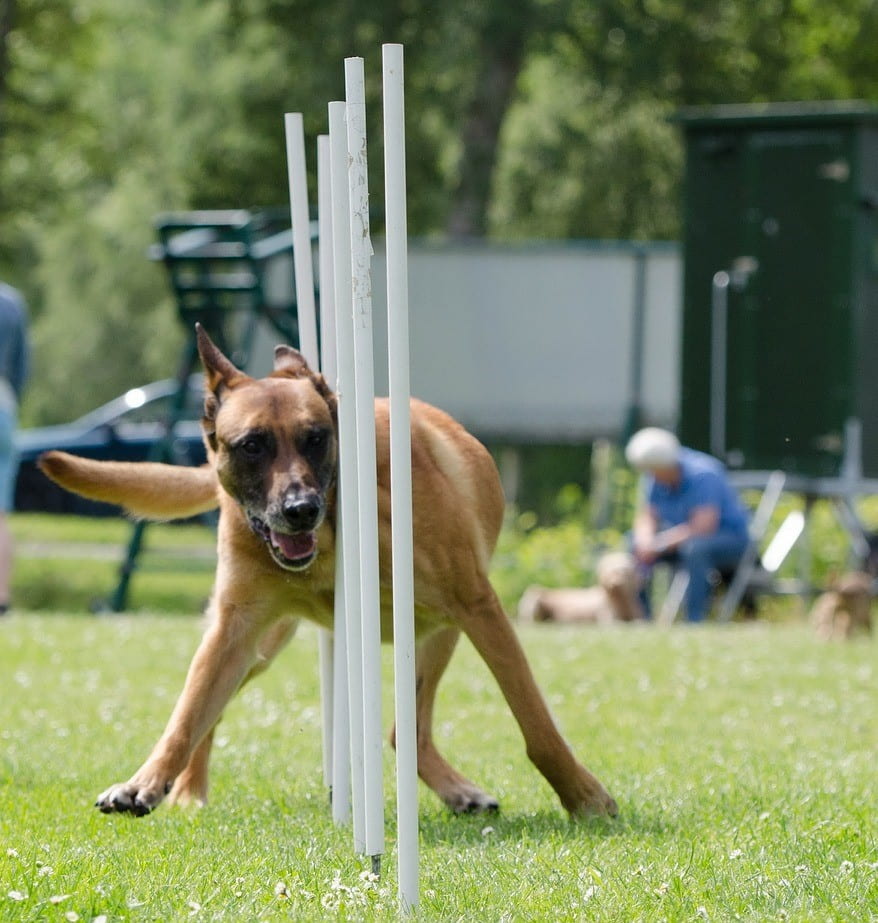
- Obstacle Courses: Create a mini agility course in your backyard using simple household items. Cones, hula hoops, and tunnels encourage your dog to navigate and explore, improving their physical fitness while also reinforcing commands. This hands-on approach can be an exhilarating way for both of you to bond.
- Clicker Training Games: This versatile method utilizes positive reinforcement to teach commands and tricks to both dogs and cats. Utilizing clickers to associate a sound with a reward can turn commands—like sit, stay, or roll over—into enjoyable challenges. It’s an effective way to communicate with your pet, allowing them to learn quickly and joyfully.
By integrating these games into your training routine, you can expect remarkable improvements in your pet’s behavior. Benefits such as increased obedience, enhanced mental stimulation, and a genuine connection with your pet are just a few of the many positive outcomes. Ready to discover how to create an enjoyable training experience that benefits both you and your furry friends? Keep reading to learn more about the world of interactive pet games and how they can transform not only your training sessions but also your relationship with your beloved animals.
DISCOVER MORE: Click here to learn about the benefits of pet adoption
Utilizing Vibrant Strategies for Training Enhancement
Interactive games serve as a bridge between education and enjoyment for pets. As engaging tools in your training arsenal, they can help shape desirable behaviors while maintaining your pet’s enthusiasm. To get started, it’s vital to understand how to effectively integrate these games into your training routines. Here are some practical strategies to consider:
1. Tailoring Games to Your Pet’s Preferences
Each pet has distinct likes and dislikes, which can significantly influence their training effectiveness. For instance, a dog that relishes fetching might respond exceptionally well to games that incorporate retrieval. Meanwhile, a cat who enjoys pouncing on toys could thrive with games that stimulate their hunting instincts. Observe your pet’s behavior and preferences closely and tailor games that resonate with their natural inclinations. This ensures that training sessions are not just productive, but also enjoyable.
2. Setting Clear Goals for Each Game
Every interactive game should have a defined objective that aligns with your overall training goals. Whether you aim to reinforce basic commands like “sit” or to introduce new tricks such as “roll over,” clarity in your objectives will enhance learning outcomes. For example, using a puzzle toy can explicitly aim to improve problem-solving skills and patience in cats, while an obstacle course can build on physical skills and direct obedience in dogs.
3. Incorporating Positive Reinforcement
Integrating positive reinforcement with interactive games is essential for promoting good behavior. Combining verbal praise with treats encourages pets to associate fun games with rewards. For example, after your dog successfully retrieves a toy, shower them with affection and a tasty treat. Similarly, if your cat navigates a puzzle correctly, acknowledging their effort with a reward will boost their confidence and motivate them to engage further.
4. Making It Routine
Consistency is paramount when it comes to training. By establishing a routine around interactive games, your pets will start to anticipate and look forward to these activities. Set aside specific times of the day dedicated to training games—perhaps during morning playtime or before dinner. This not only creates structure but also reinforces your pet’s learning and encourages them to excel during these interactive sessions.
5. Monitoring Progress and Adjusting Techniques
Just as with people, progress may vary from pet to pet. It’s crucial to regularly assess how your pets respond to the games and training methods used. If a particular game doesn’t yield desired results, try adjusting the difficulty level or incorporating new elements to maintain their interest. For example, if a puzzle toy has become too easy, consider upgrading it to a more challenging version. This ongoing monitoring ensures that your training stays relevant and engaging.
Incorporating these strategies will allow you to maximize the benefits of interactive games in enhancing your pet’s training experience. As you embark on this journey, remember that patience, creativity, and consistency will yield the best results. Now that you have some foundational tactics at your disposal, let’s dive deeper into the types of games that can revolutionize your training sessions, making them both fun and effective.
| Interactive Game Types | Benefits for Training |
|---|---|
| Puzzle Toys | Enhances problem-solving skills and keeps pets engaged. |
| Fetch Games | Promotes physical activity, reinforcing recall commands. |
| Hide and Seek | Encourages focus and strengthens the human-animal bond through teamwork. |
| Agility Courses | Builds confidence and helps with obedience through structured play. |
Interactive games are not just fun activities; they play a pivotal role in enhancing the training process for both dogs and cats. By incorporating various types of interactive games, pet owners can turn learning into an engaging experience. For example, puzzle toys challenge pets mentally and keep them stimulated, which is essential for their overall well-being. Similarly, fetch games are an excellent way to instill exercise along with training commands like “come” and “drop it.”Playing games like hide and seek fosters a sense of teamwork between owner and pet, reinforcing trust and communication. Agility courses not only improve a pet’s physical conditioning but also encourage obedience through fun and structured tasks. This multifaceted approach to training not only improves behavior but also deepens the bond shared with our furry friends, making training sessions something they look forward to. By investigating these interactive strategies, you’ll discover the exciting potential of game-infused training routines.
LEARN MORE: Click here for essential socialization tips
Exploring Engaging Interactive Games for Effective Training
With a solid foundation for integrating interactive games into your pet training regimen, it’s crucial to explore various game types that can amplify engagement and learning. The right choice of games can stimulate your pet’s mental, emotional, and physical capabilities, transforming traditional training into an exciting adventure. Here are several innovative game concepts to consider:
1. Hide and Seek: Stimulating Curiosity and Bonding
Hide and seek isn’t just a game for children; it can be a delightful way to teach dogs and cats vital skills, like recall and problem-solving. For dogs, start by commanding them to stay while you find a hiding spot. Call them to come, rewarding them when they find you. For cats, create an obstacle course with treats hidden throughout the space. This encourages them to use their sense of smell and strengthens their bond with you through shared play. The excitement and mystery of finding you or a hidden treat can keep their curiosity piqued.
2. Interactive Puzzle Toys: Enhancing Mental Stimulation
Interactive puzzle toys, designed for both dogs and cats, present an excellent way to improve cognitive function and problem-solving skills. These toys challenge pets to figure out how to access treats or toys hidden inside. For instance, the KONG Classic Dog Toy and Catit Senses 2.0 Digger are popular choices that enhance learning through play. Moreover, they can help avert boredom-related behaviors, providing mental stimulation alongside their physical needs.
3. Scent Games: Capitalizing on Natural Abilities
Animals naturally have an incredible sense of smell. Utilizing this to your advantage through scent games can be immensely beneficial. Create simple scent trails using favorite treats or toys; for dogs, lead them to find the hidden item using their nose. For cats, place catnip-infused soft toys around your home for a treasure-hunting experience. Not only does this encourage exercise, but it also taps into their instinctual behaviors, making training both natural and enjoyable.
4. Group Play Activities: Social Skills Building
If your pets enjoy the company of others, consider organizing group play activities. Invite friends and their pets over for a supervised playdate, incorporating agility courses or relay races. These group interactions enhance social skills and help improve training by emphasizing command responses amidst distractions. Moreover, it provides a wonderful opportunity for you and your pet to socialize, building closer community bonds.
5. Technology-Based Games: The Future of Pet Training
With the rise of technology, innovative apps and electronic devices are changing the training landscape dramatically. Devices like the Pawbo+ Interactive Pet Camera enable pet owners to engage remotely, offering treats and playtime even when they’re away. Mobile apps can also provide structured training routines and track progress over time. Leveraging these technological advances can provide a unique twist to conventional training, making interaction more dynamic.
By introducing these interactive game styles into your training sessions, you can create a vibrant atmosphere that is both productive and enjoyable for your pets. When combined with your foundational strategies, these exciting methods enhance cognitive development, emotional health, and strengthen the bond between you and your furry companions. As you experiment with different games, remain adaptable and responsive to your pet’s reactions, steering the training experience to align with their evolving needs and preferences.
LEARN MORE: Click here to discover the benefits of animal adoption
Conclusion: Elevating Pet Training Through Interactive Play
Interactive games offer a transformative approach to dog and cat training, making the process not only effective but also enjoyable. By incorporating engaging activities such as hide and seek, interactive puzzle toys, scent games, group play activities, and technology-based innovations, you can enhance your pet’s learning experience significantly. These methods stimulate your pet’s mental, physical, and emotional well-being, fostering an environment that nurtures curiosity and strengthens the bond between you and your furry friends.
As you embark on this journey of integrating fun and functionality, it is crucial to observe your pet’s responses. Every pet is unique, and adapting games to their personal preferences will increase their engagement and willingness to learn. Additionally, these playful strategies not only combat boredom but also encourage essential skills such as problem-solving and socialization, creating well-rounded pets that are better equipped for daily life.
Moreover, as technology continues to evolve, there are endless opportunities to explore new interactive tools that tailor training to fit your lifestyle better. To fully reap the benefits of these games, consider establishing a consistent training schedule that incorporates playtime, forming a harmonious routine that meets both your needs and those of your pets.
In essence, the journey of training your dog or cat through interactive games emphasizes the importance of joy in the learning process. As your pets engage in these activities, not only do they acquire new skills, but they also experience the enriching connection that comes from shared play, ultimately resulting in a healthier and happier relationship.