Lifestyle and Habits that Accelerate Aging: Prevention and Solutions
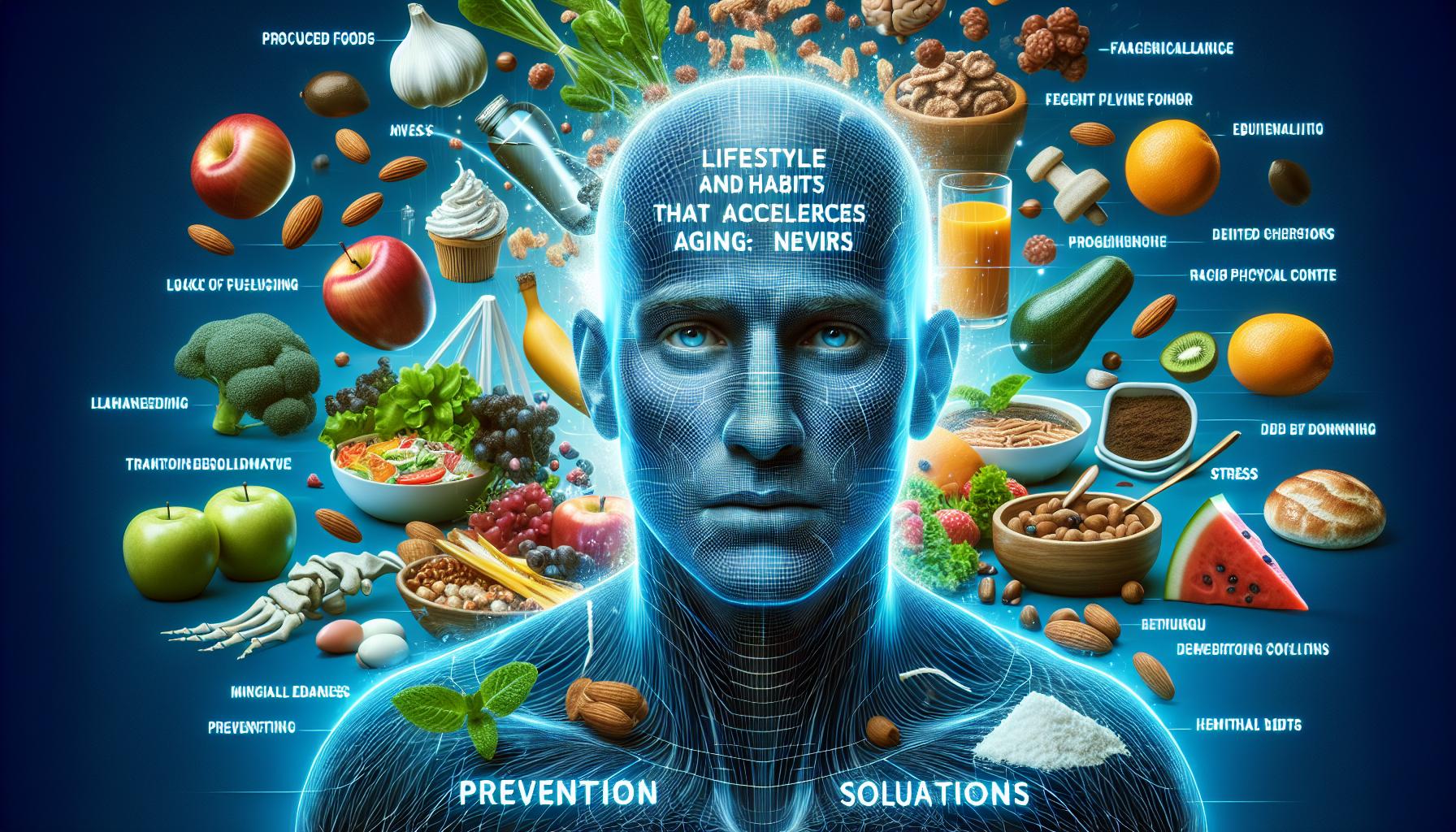
Understanding the Impact of Lifestyle on Aging
Aging is an inevitable aspect of life, marked by various physical, emotional, and cognitive changes. However, the age at which these transformations commence can be significantly influenced by our everyday lifestyle choices. Awareness of these habits is essential for promoting longevity and maintaining a sense of vitality. By delving into the interplay between our daily routines and the aging process, we can take concrete steps to enhance our overall well-being and potentially extend our healthy years.
Common Factors that Accelerate Aging
- Poor Diet: The modern American diet often includes high amounts of sugar, trans fats, and processed foods. These dietary choices can lead to chronic inflammation and oxidative stress, both of which are linked to numerous age-related diseases. For instance, excessive sugar intake can contribute to insulin resistance, increasing the risk of type 2 diabetes and ultimately affecting metabolic health.
- Lack of Exercise: A sedentary lifestyle has become prevalent in today’s society, with many Americans spending hours sitting at desks or engaging in minimal physical activity. This inactivity can result in weight gain, diminished muscle tone, and a decline in cardiovascular health, all of which can contribute to premature aging. Regular movement supports not just physical health, but mental well-being, resulting in improved mood and cognitive functions.
- Smoking: Tobacco use has long been associated with a range of health issues, and its impact on the aging process cannot be underestimated. Smoking accelerates skin aging, leading to premature wrinkles and a dull complexion, as it reduces blood flow and oxygen to the skin. Beyond aesthetics, smoking significantly increases the risk of serious health conditions such as heart disease and cancer.
- Excessive Alcohol Consumption: While moderate alcohol consumption may have some health benefits, excessive intake is detrimental. High alcohol consumption can impair liver function, disrupt metabolic processes, and lead to cellular aging at an accelerated rate. It is vital to enjoy alcoholic beverages responsibly, understanding their potential impacts on health and aging.
- Stress: Chronic stress has become a common condition in our fast-paced lives. Long-term exposure to stress hormones such as cortisol can result in hormonal imbalances, reducing the body’s ability to cope with aging-related challenges and increasing susceptibility to various diseases. This makes stress management essential for a youthful lifestyle.
Recognizing these aging accelerators is the first step in establishing effective prevention strategies. Making small yet impactful changes in your daily routine can lead to significant improvements in how you age. For instance, replacing processed snacks with nourishing fruits and vegetables not only enhances health but also revitalizes energy levels.
Keys to a Youthful Lifestyle
- Balanced Nutrition: Emphasizing whole foods, such as fresh produce, lean proteins, and healthy fats, over processed options can rejuvenate the body and improve overall health. For example, incorporating foods rich in antioxidants—such as berries, nuts, and leafy greens—can combat oxidative stress and support cellular health.
- Regular Exercise: Engaging in regular physical activity—be it through walking, jogging, or attending fitness classes—helps maintain a healthy weight, enhances mood, and reduces the risk of chronic diseases. Experts recommend at least 150 minutes of moderate aerobic activity every week, which not only benefits the body but also fosters mental well-being.
- Stress Management: Integrating stress-reducing practices into daily life is crucial for countering the negative effects of stress. Techniques like meditation, yoga, or even simple breathing exercises can promote relaxation and bolster resilience against the pressures of modern life.
Stay tuned as we outline more effective prevention strategies and solutions to combat the common lifestyle habits that accelerate aging. Understanding the connection between lifestyle choices and aging empowers individuals to make informed decisions that can positively impact their health journey.
DISCOVER MORE: Click here
Identifying Aging Triggers in Daily Routine
The journey of aging is not solely dictated by genetics; rather, it is profoundly influenced by the lifestyle choices we make every day. By understanding the habits that can accelerate the aging process, we are better equipped to implement strategies that promote longevity and enhance our quality of life. Below, we explore key lifestyle factors that significantly contribute to premature aging and the mechanisms through which they exert their effects.

Nutrition: Fueling and Fighting Aging
The foods we consume play a pivotal role in how our bodies age. An imbalance in nutritional intake can lead to various health issues that not only shorten lifespan but also diminish the quality of those years. Here are some common dietary pitfalls that accelerate aging:
- Sugar Overload: High sugar consumption is linked to an increased risk of chronic diseases, including diabetes and cardiovascular issues. Excessive sugar can lead to advanced glycation end-products (AGEs), which damage collagen and elastin, the proteins responsible for skin elasticity and youthfulness.
- Processed Foods: Diets rich in processed and high-sodium foods may contribute to inflammation and oxidative stress in the body. Such conditions are often precursors to age-related ailments and can take a toll on cellular health.
- Inadequate Hydration: Not drinking enough water can lead to dehydration, compromising kidney functions and overall bodily processes. Hydration is crucial for maintaining skin moisture and elasticity.
To combat these dietary harms, adopting a plant-based diet rich in fresh fruits, vegetables, whole grains, and lean proteins can lead to a youthful complexion and improved vital signs. Foods that are high in antioxidants, such as berries and leafy greens, additionally lessen oxidative stress, a significant contributor to aging.
Movement Matters: The Role of Physical Activity
Regular physical activity is one of the most effective tools in the fight against aging. The modern inclination towards sedentarism contributes significantly to accelerated age-related decline. The consequences of a lack of exercise extend beyond visible aging signs, affecting metabolism, muscle mass, and cardiovascular health:
- Muscle Atrophy: Inactivity can lead to muscle loss, which not only weakens the body but also increases the risk of falls and fractures in older adults.
- Cardiovascular Decline: Insufficient movement harms heart health, increasing the risk of heart disease and other chronic conditions.
- Mental Health Deterioration: Physical exercise has been shown to boost mood and cognitive function, reducing the likelihood of depression and cognitive decline.
To stave off these detrimental effects, incorporating a mixture of aerobic, strength training, and flexibility exercises into weekly routines can significantly enhance both physical and mental health. Just 30 minutes of moderate activity on most days can work wonders in prolonging youthfulness and improving the functional capacity of the body.
Recognizing these critical habits is only the beginning—a clear path to preventive measures is essential. By addressing these lifestyle choices, individuals can cultivate a healthier existence, ultimately leading to a more graceful aging process. Stay tuned as we discuss further practical solutions for healthier living and aging in the continuation of this article.
| Category | Benefits |
|---|---|
| Dietary Choices | Balanced nutrition can reduce oxidative stress and inflammation, effectively slowing down the aging process. |
| Physical Activity | Regular exercise enhances blood circulation, boosts metabolism, and promotes skin elasticity, all contributing to a youthful appearance. |
| Stress Management | Effective stress-relief techniques such as meditation or yoga can lower cortisol levels, mitigating stress-related aging signs. |
| Sleep Quality | Prioritizing restorative sleep is crucial for cellular repair and regeneration, keeping the body looking and feeling younger. |
In light of the constant pursuit of longevity, an individual’s lifestyle can significantly influence their aging process. It’s essential to delve deeper into the actions we can take every day. Incorporating a well-balanced diet rich in antioxidants, such as berries and leafy greens, combats free radicals, which are known to accelerate aging. Engaging in various forms of physical activity not only keeps the body agile but also helps maintain muscle mass, which tends to decline with age. Additionally, employing stress management strategies like mindfulness can work wonders in curbing premature aging by fostering a healthier state of mind.Another critical factor contributing to one’s wellness is sleep; consistent, quality sleep promotes vital restorative processes within the body. Together, these lifestyle changes not only pave the way for a healthier lifestyle but also birth solutions that significantly lessen the signs and effects of aging. Exploring these topics further can uncover an abundance of information aimed at enhancing one’s quality of life over time.
DISCOVER MORE: Click here to learn about mindfulness techniques for youthful skin</
Sleep and Stress Management: Your Body’s Repair Mechanism
Sleep is often an underrated component of overall health, yet it plays a critical role in how we age. In the hustle and bustle of modern life, many prioritize productivity over rest, leading to chronic sleep deprivation. Studies show that insufficient sleep can trigger numerous physical and mental health issues, accelerating the aging process in profound ways:
- Hormonal Imbalance: Lack of sleep disrupts the regulation of hormones such as cortisol and melatonin, which can lead to weight gain and mood disorders, both of which are associated with aging.
- Cellular Repair: During deep sleep, the body engages in essential repair processes, including cellular regeneration and the release of growth hormones. A deficit in sleep compromises these restorative functions, hastening the visible signs of aging.
- Impaired Cognitive Function: Chronic sleep deprivation can lead to a decline in memory and cognitive clarity, increasing the risk of neurodegenerative diseases like Alzheimer’s.
To mitigate these effects, establishing a consistent sleep schedule, minimizing screen time before bed, and creating a restful sleep environment can help. Aim for 7 to 9 hours of quality sleep every night for optimal rejuvenation.
The Hidden Dangers of Chronic Stress
Just as critical as sleep is the management of stress. Chronic stress can lead to the overproduction of cortisol, which has been shown to accelerate cellular aging and promote inflammation. The stress hormone’s impact on our well-being is extensive:
- Skin Aging: Stress can exacerbate skin conditions, leading to issues such as acne, psoriasis, and premature wrinkles due to the breakdown of collagen.
- Cardiovascular Risks: Elevated stress levels are linked to increased blood pressure and heart disease, which contribute to overall morbidity as we age.
- Immune System Suppression: Prolonged stress can weaken the immune system, making individuals more susceptible to illness and diminishing their ability to recover from injuries.
To mitigate these stressors, incorporating mindfulness practices such as meditation, yoga, or even simple breathing exercises into daily routines can significantly benefit mental health. Engaging in leisure activities and spending time with loved ones also promotes relaxation and emotional well-being.
Avoiding Harmful Substances: A Clear Path to Vibrancy
The lifestyle choices related to substance use can play a pivotal role in the aging process. Smoking and excessive alcohol consumption are two of the most significant contributors to premature aging:
- Tobacco Use: Smoking damages collagen and elastin, leading to wrinkles and sagging skin. It also reduces blood flow, thereby impeding healing and promoting several chronic diseases.
- Alcohol Consumption: While moderate drinking is socially accepted, overconsumption can lead to dehydration, liver damage, and increased oxidative stress, contributing to a more aged appearance and increased health risks.
Switching to healthier habits, such as non-alcoholic beverages and finding supportive communities to assist with quitting smoking, can dramatically improve physical well-being and enhance the aging process.
Addressing these lifestyle components not only empowers individuals to take charge of their health but also fosters a more graceful journey through life. As we delve deeper into practical solutions for enhancing longevity, the importance of fostering holistic wellness becomes increasingly evident.
DISCOVER MORE: Click here to learn about the best foods for youthful skin</a
Conclusion: Embracing Longevity through Conscious Choices
As we navigate our daily lives, the choices we make play a pivotal role in determining not just our quality of life, but also the rate at which we age. By understanding the lifestyle and habits that accelerate aging, individuals can take proactive measures to slow this process and promote longevity. From embracing the importance of quality sleep and managing stress effectively to steering clear of harmful substances, each decision contributes significantly to our overall health.
Incorporating mindfulness practices, maintaining a balanced diet rich in antioxidants, and establishing a consistent exercise routine are vital components for fostering a youthful vigor. The insights shared throughout this article underscore that aging is not merely a function of time, but a reflection of our daily choices. Adopting healthier habits not only mitigates visible signs of aging but also enhances our physical and mental well-being.
Moreover, cultivating a supportive community and engaging in enjoyable activities can further enrich our lives, leading to a more vibrant and fulfilling existence. As we pivot towards a future where health and vitality take center stage, let us commit to making informed lifestyle changes. In doing so, we pave the way for a more graceful and empowered journey through life. Through awareness, education, and intentional actions, we can unlock the secrets to aging gracefully, ensuring that the best years are always yet to come.