Natural nutrition versus commercial feed: what is better for cats?
Understanding Cat Nutrition
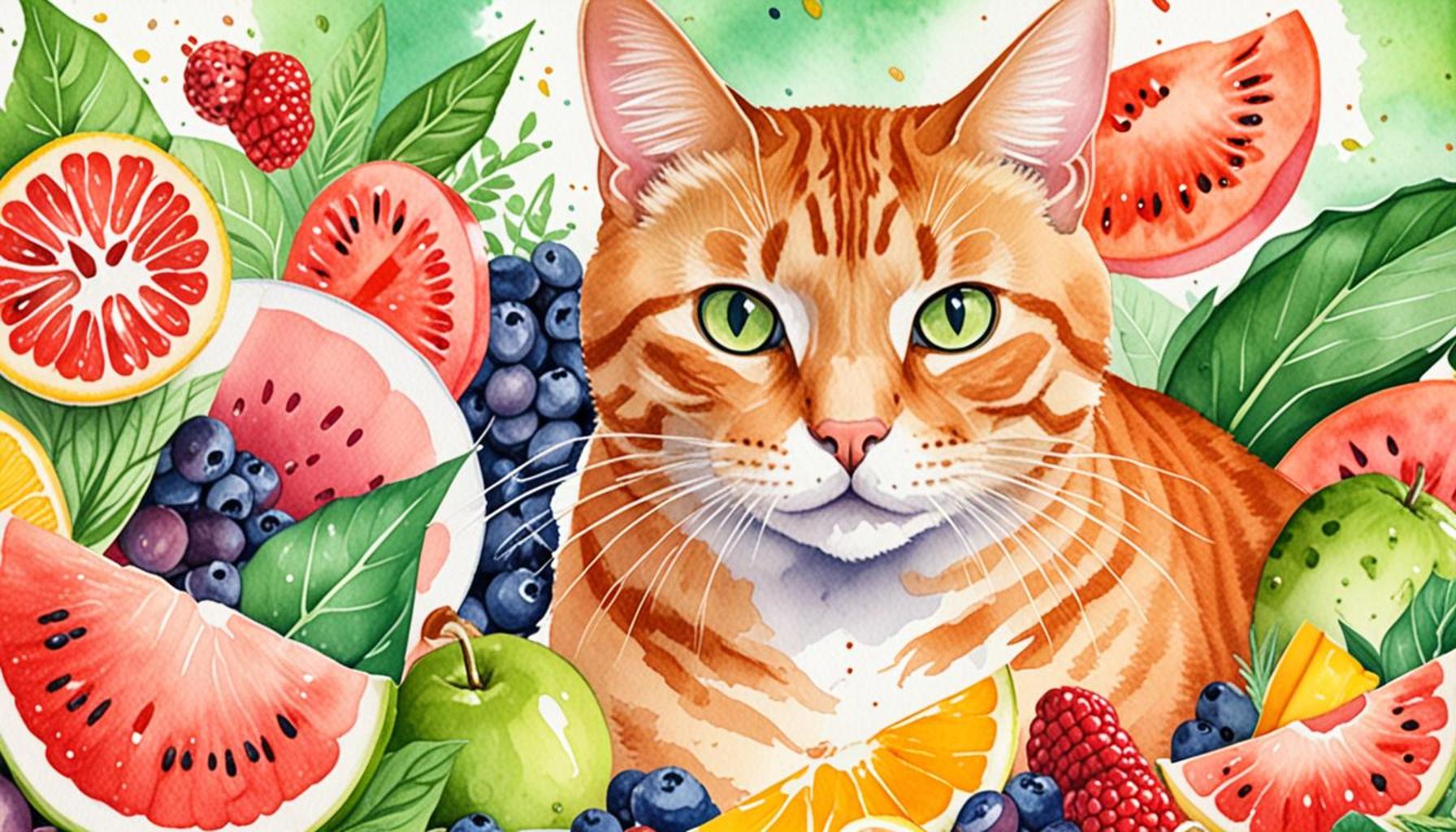
Cats are obligate carnivores, which means their diet must be rich in animal proteins. As pet owners, choosing the right nutrition for our feline friends is crucial for their health and well-being. In recent years, the debate around natural nutrition versus commercial feed has intensified, prompting many to explore what truly benefits our pets.
The Appeal of Natural Nutrition
Natural nutrition advocates emphasize the importance of whole, unprocessed foods that mirror a cat’s ancestral diet. Key features include:
- Fresh ingredients: Whole meats and organs, such as chicken, turkey, and beef liver, which provide essential amino acids vital for your cat’s energy and overall health.
- Human-grade quality: Foods that are not only safe for feline consumption but also adhere to standards suitable for humans, ensuring their safety and nutritional value.
- Minimal additives: Natural diets are often free from artificial preservatives and colors, reducing the risk of allergy-related issues that may arise from synthetic ingredients.
For example, raw feeding, which involves providing uncooked meat, organs, and bones, has gained popularity among certain communities. While proponents assert it closely mirrors a cat’s natural diet, it’s vital to do thorough research and consult with a veterinarian to avoid nutritional imbalances or health risks.
Commercial Feed: The Convenience Factor
On the other hand, commercial cat food is convenient and widely available, catering to the busy lifestyles of many pet owners. Its benefits can include:
- Balanced nutrition: Complete meals formulated specifically for feline health, often enriched with essential vitamins and minerals that contribute to a well-rounded diet.
- Variety: A range of flavors and textures, from dry kibble to wet food options, enabling flexibility and creativity in meal planning for cats with different preferences.
- Long shelf life: Easy to store without the risk of spoiling quickly, commercial feeds can be a hassle-free choice for pet owners concerned about food waste.
Brands such as Hill’s Science Diet and Royal Canin are often recommended by veterinarians for their scientifically formulated recipes that cater to specific life stages and breeds, fostering optimal health.

What’s Best for Your Cat?
The choice between natural nutrition and commercial feed ultimately depends on individual circumstances. Factors such as your cat’s health, dietary needs, and your lifestyle can influence the best option. For instance, a cat with specific health conditions, like diabetes or kidney disease, may require a specialized diet that commercial options can provide.
Moreover, understanding the pros and cons of each feeding option can help cat owners make informed decisions. It’s also worth noting that some pet owners opt for a mixed approach, incorporating both natural foods and high-quality commercial products to achieve a balanced diet. Engaging with your veterinarian or a pet nutritionist can shed light on the most suitable dietary plan for your furry companion, ultimately leading to a healthier and happier life together.
DISCOVER MORE: Click here for tips on choosing the best cat food
Exploring the Benefits of Natural Nutrition
Proponents of natural nutrition argue that aligning a cat’s diet with its evolutionary dietary patterns is crucial for optimal health. Cats in the wild primarily thrive on a diet consisting of rodents, birds, and small animals, offering not only protein but also a complete range of nutrients that support their overall well-being. Here are some compelling reasons why many pet owners are turning to natural nutrition:
- Enhanced digestibility: Fresh, raw ingredients are often easier for cats to digest compared to heavily processed foods, allowing for better nutrient absorption and less gastrointestinal upset.
- Natural hydration: Wet food or raw diets often contain higher moisture content, which is essential for cats, as they have a low thirst drive and may not drink enough water on their own.
- Better dental health: Eating whole prey or raw meaty bones can promote dental health by mechanically cleaning teeth and gums, reducing the risk of dental issues that can lead to other health problems.
Importantly, advocates highlight the role of variety in natural diets. Cats, like humans, can benefit from a diverse range of proteins and nutrients. Incorporating different types of meat, fish, and even small amounts of fruits or vegetables can provide essential vitamins and minerals that are sometimes lacking in commercial diets. However, pet owners should approach natural feeding thoughtfully. Each cat’s dietary requirements can vary based on their health, age, and activity level, making it crucial to consult with a veterinarian or a pet nutritionist to ensure a balanced intake.
The Pragmatic Edge of Commercial Feed
On the flip side, commercial feed offers a practical solution for busy cat owners. With a multitude of options available on store shelves and online, commercial diets are designed to meet the nutritional demands of cats across different life stages. Here are several advantages worth noting:
- Formulated for health: Many commercial cat foods are scientifically designed to meet the specific dietary needs of cats, which can help prevent deficiencies and health issues down the line.
- Convenience: Easily portable and ready to serve, commercial feeds eliminate the preparation time required for raw diets. This is particularly appealing for those with hectic schedules.
- Regulatory oversight: High-quality commercial pet foods are subject to FDA regulations, ensuring that they meet safety standards and are produced in facilities that adhere to strict guidelines.
Moreover, with an increasing number of premium and specialty brands on the market today, pet owners can find nutrient-dense options specifically tailored to their cats’ unique needs and preferences. Brands such as Blue Buffalo and Nutro have gained traction for prioritizing quality ingredients and transparency in their formulations. Yet, while commercial feeds may be convenient and balanced, they can vary widely in quality. Therefore, it is crucial to scrutinize ingredient lists and nutritional labels to ensure the chosen products meet your cat’s health requirements effectively.
Navigating the Choices Ahead
Deciding between natural nutrition and commercial feed is not a black-and-white issue. Each option presents distinct benefits and challenges, leaving pet owners to weigh their personal values, lifestyles, and their furry friends’ needs. Understanding both sides can help you make a well-informed decision about the best dietary approach for your cat, setting the stage for a long, happy, and healthy life together.
| Advantages of Natural Nutrition | Benefits of Commercial Feed |
|---|---|
| Higher Nutrient Quality | Convenience and Availability |
| Improved Digestion | Complete Balanced Diet |
| Natural Ingredient Variety | Cost-Effective Options |
| No Artificial Additives | Research-Based Formulations |
When pondering the choice between natural nutrition and commercial feed for your feline companion, it is essential to weigh the advantages each option presents. Natural nutrition advocates suggest that it provides higher nutrient quality due to fresh, whole food ingredients that are often richer in essential vitamins and minerals. Furthermore, many owners report that their cats experience improved digestion when fed natural diets, as these foods typically contain fewer fillers and preservatives.On the other hand, commercial feed offers undeniable convenience and availability. Ready-to-serve options eliminate the hassle of meal preparation, making it easier for pet owners with busy lifestyles. Additionally, these products are specially formulated to provide a complete balanced diet, ensuring that all necessary nutrients are included in each serving.While natural diets tend to boast a variety of natural ingredients, enabling customization and a broader flavor spectrum, commercial brands often come with cost-effective options that cater to various budgets. It’s also worth noting that commercial feeds are created following safety standards and research-based formulations, offering peace of mind for cat owners who prioritize nutritional science. Thus, each option has its merits, inviting a thoughtful exploration of what best suits your cat’s needs.
DISCOVER MORE: Click here to learn about spotting common pet diseases
Understanding the Challenges of Natural Nutrition
While natural nutrition offers numerous advantages for a cat’s dietary regimen, it does come with its own set of challenges that pet owners need to consider. One significant factors include the risk of nutritional imbalance. Unlike commercial feeds, which are formulated to meet standardized nutritional profiles, raw or home-cooked diets require careful planning to ensure that all essential nutrients are included. For example, deficiencies in taurine—a vital amino acid for cats—can lead to severe health complications, such as heart disease or vision problems.
- Food safety risks: Raw diets, although appealing to some pet owners, can pose food safety risks both to the cat and humans who handle the food. Bacteria such as Salmonella and E. coli can contaminate raw meats, leading to potential illness.
- Time investment: Preparing natural diets can demand considerable time and effort, from sourcing quality ingredients to preparing balanced meals. This may not be feasible for caregivers with busy lifestyles.
Additionally, the transition from commercial feed to a natural diet can also present challenges. Cats are creatures of habit, and they may be resistant to new foods. This aversion can make it necessary to gradually introduce natural options over time to avoid gastrointestinal upset. Understanding a cat’s particular tastes and preferences can help ease this transition.
Delving into Commercial Feed Variability
The landscape of commercial feed is vast and varied, which means that not all commercial options are created equal. While the convenience and formulation accuracy of many brands are significant advantages, pet owners must be vigilant about the quality of the ingredients. Some commercial cat foods, particularly lower-quality brands, can contain fillers, artificial additives, and by-products that might be less beneficial for a cat’s health. Ingredients like corn, soy, and certain preservatives may contribute to allergies or long-term health issues in sensitive cats.
- Brand reputation: As a consumer, the reputation of the brand is essential. Established brands that prioritize transparency and quality sourcing often have higher assurance regarding what goes into their products.
- Individual dietary needs: Cats with specific health concerns, such as obesity or kidney disease, may require specialty diets that aren’t easily replicated with natural foods. In such cases, consulting with a veterinarian is essential to tailor the right commercial option to their specific condition.
Interestingly, research indicates that nutrient absorption can also vary among different brands and formulations. A study published in the Journal of Animal Physiology and Animal Nutrition highlights that cats may benefit from nutrient-dense commercial foods that are carefully formulated to enhance absorption rates, potentially offering advantages over inconsistently prepared natural diets.
Embracing a Balanced Perspective
When considering natural nutrition versus commercial feed, it’s vital to recognize that there is no one-size-fits-all solution. The decision often hinges on individual circumstances, including personal preferences, a cat’s unique health dynamics, and practicality. By understanding both the benefits and the challenges of each option, pet owners are better equipped to make informed dietary choices that prioritize their cat’s health and happiness.
DON’T MISS: Click here to learn how to spot common pet diseases
Conclusion: Finding the Right Fit for Your Feline
In the ongoing debate of natural nutrition versus commercial feed, it becomes clear that the optimal choice for your cat varies based on numerous factors. Each option offers unique advantages, yet comes with its own set of challenges. While natural nutrition can provide a wholesome and unprocessed diet, it demands significant effort in meal planning, preparation, and attention to detail to avoid nutritional deficiencies. On the other hand, commercial feed appeals with convenience and consistent formulations, but pet owners must navigate the complexities of ingredient quality and brand reliability to ensure their cats’ dietary needs are being met.
Furthermore, considering individual factors such as lifestyle, a cat’s health conditions, and preferences can lead to a more personalized approach to feeding. For some cats, a hybrid model that combines both natural and commercial options might be the best solution, allowing for the benefits of both diets while minimizing their downsides. Consulting with a veterinarian can also provide guidance tailored to your cat’s specific needs, helping you to sort through the plethora of choices to determine the most suitable diet.
In conclusion, whether you lean towards raw meals or prefer the convenience of pre-packaged food, the key lies in understanding your cat’s requirements, being informed about the choices available, and remaining flexible in adapting their diet as needed. Ultimately, the best nutrition for your cat is one that supports their health, happiness, and well-being.